
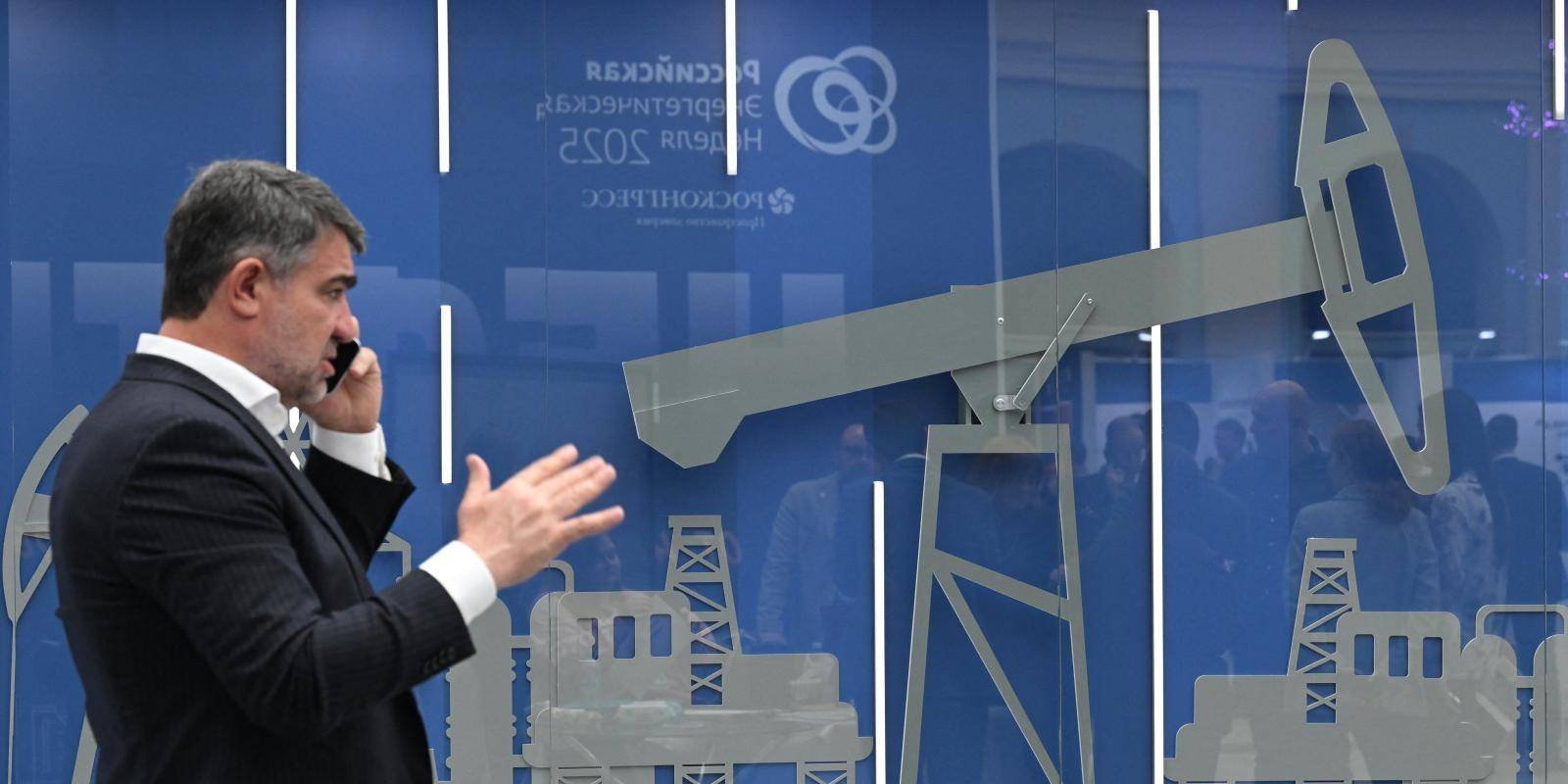
The spike in energy costs following the closure of the Strait of Hormuz has effectively neutralized the impact of the G7 oil price cap. While Ukrainian strikes on infrastructure and falling gold prices present counter-pressures, the immediate liquidity surge allows Moscow to delay difficult domestic fiscal trade-offs and sustain high-intensity conflict.
Higher energy prices and the US decision to ease sanctions on Russian oil have given Moscow a windfall that could help to sustain its war in Ukraine.
The US-Israeli war on Iran has been a welcome gift for Russia’s President Vladimir Putin.
The war caused an energy crisis as oil and gas prices soared following Iran’s effective closure of the Strait of Hormuz. Combined with the US temporarily easing sanctions on Russian oil, surging oil prices have boosted Russia’s budget and export revenues at a time when Western sanctions were hitting Russia’s economy.
This windfall will likely increase Russia’s ability to sustain the war against Ukraine. President Putin has also gained increased leverage through his influence on global energy markets at a time of crisis. He will likely hope that this could encourage US President Donald Trump to push Ukraine – and Europe – to accept a peace deal that favours Moscow.
Fortunate timing
President Trump’s decision to attack Iran in late February could not have come at a more opportune time for Putin.
In the first months of 2026, Western economic tactics against Russia appeared to be finally working. This was a result of the tightening of sanctions over the course of the past year (with tighter secondary sanctions on those trading with major Russian oil companies), the lowering of the G7 oil price cap to $46 a barrel, and a more muscular response to Russian shadow fleet tankers.
As a result, both Russian budget and export revenues from energy had dropped.
In February 2026, IEA data shows that Russia’s export revenues for oil and petroleum products had fallen by $1.5 billion for the month to just $9.5 billion – the lowest level since the start of the full-scale invasion of Ukraine in 2022. In the same month, Russian oil export volumes declined to 6.6 million barrels per day (bpd), down 850,0000 bpd on the previous month and again the lowest level since 2022.
Volumes of exports appear to have been reduced not only because of the limitations from sanctions, but also due to Ukrainian drone and missile strikes on Russia’s energy sector infrastructure. Recent attacks on the Baltic ports of Primorsk and Ust-Luga, alongside attacks in the Black Sea, might have cut the physical volume of Russian oil exports by as much as 40 per cent, according to Reuters.
This impacted Russia’s balance of payments. According to Emerging Market Watch, the merchandise trade surplus in January was just $6.5 billion: down around one third month on month, and over 10 per cent year on year.
It also hit the budget: oil and gas revenues were down by 45 per cent year on year for the first quarter of the year.
The deficit rose to 1.5 per cent of GDP for the first two months alone, close to the full year deficit target of 1.6 per cent of GDP. The government responded by hiking taxes, with VAT rising from 20 to 22 per cent.
Bleak outlook
Before the Iran war, Putin’s government therefore appeared set to face tightening budget restrictions, with lower revenues, increased demands from the military and reduced buffers.
With spare funds in the National Welfare Fund eroded, the government would need to cover a larger budget deficit from higher debt issuance domestically. This policy would mean higher interest rates and likely higher inflation, which would hurt growth.
The economy had already appeared on the brink of recession. Real GDP contracted in the first couple of months of 2026, and the IMF’s full-year forecast for real GDP growth was just 0.8 per cent.
The Russian economy has increasingly appeared as two-speed. The military-industrial sector is still benefiting from ramped up defence spending and prioritization. But the rest of the economy has been beset by high inflation, debt and interest rates, as well as labour shortages.
This is reflected in bankruptcies rising in 2025 by 31 per cent to 568,000. The Central Bank of Russia introduced new regulations aimed at mitigating credit risks to banks on 1 March – a move it would not take if the outlook was rosy.
Get out of jail card?
But just as the economic downturn appeared set to force Putin to make difficult choices – perhaps having to concede ground in Ukraine peace talks – the US-Israeli war on Iran gifted Putin a huge win.
In the near term, this will serve as a get out of jail card for Putin. Higher oil and energy prices, and the US decision to ease sanctions on Russian oil, will bolster budget and balance of payments inflows to Russia.
Urals oil prices look set to have tripled, and this could easily boost oil and energy receipts to Russia by as much as $10 billion per month, as per Bloomberg calculations. According to Bloomberg, in the week to April 5, Russian oil export receipts had returned to the highest level since June 2022. And according to Reuters calculations, revenue from Russia’s largest single oil tax will double to $9 billion in April as a result of the spike in prices.
All this is a huge windfall gain for Russia, giving Putin more funds to wage the war against Ukraine.
Alternative outcomes
However, there are a couple of important caveats to bear in mind.
First, much still depends on the ability of Ukraine to keep up its attacks on Russian oil energy export infrastructure, highlighted above. While Russian oil may have increased in price, if the physical quantity of exports is constrained, then the benefits to Russia’s overall budget and balance of payments will be limited.
Russia was able to take advantage of the spike in oil prices because it sold down some of the 140 million barrels of oil that had been stuck at sea due to sanctions. It now only has around 100 million barrels of that stock, which will be slow to replenish if Ukraine keeps up pressure on Russian ports.
Second, in these periods of systemic global risk, there are often unclear or unpredictable secondary impacts. For example, gold prices have also dropped around 15 per cent from their January 2026. Russia had benefited from a huge $200 billion windfall from the increase in the price of gold, but will now see much of that gain – around $55 billion – disappear in paper losses, according to calculations based on Bloomberg data.
Third, we don’t yet know the longer-term implications of an extended period of high oil prices. However, this will likely result in a sustained decline in demand for oil due to lower global growth, similar to the period around COVID-19 or the Global Financial Crisis of 2008.
If this becomes globally systemic, it could ultimately collapse oil and commodity prices, which would hit Russia hard. For example, oil could fall to $50 a barrel or below and stay there at the same time as Russia struggles with production and physical export constraints because of the prolonged impact of sanctions and Ukrainian deep strike attacks.
This could produce a catastrophic economic outlook for Russia: with twin deficits, recession and large-scale capital flight, alongside downside pressure on the rouble, higher inflation and systemic risks to the banking sector.
In this scenario, the long-term global impact of the Iran war could potentially destroy the Russian economy, use up Putin’s war chest and create the pressure for peace – and perhaps even a change of government in Russia – that some in the West have long sought.