
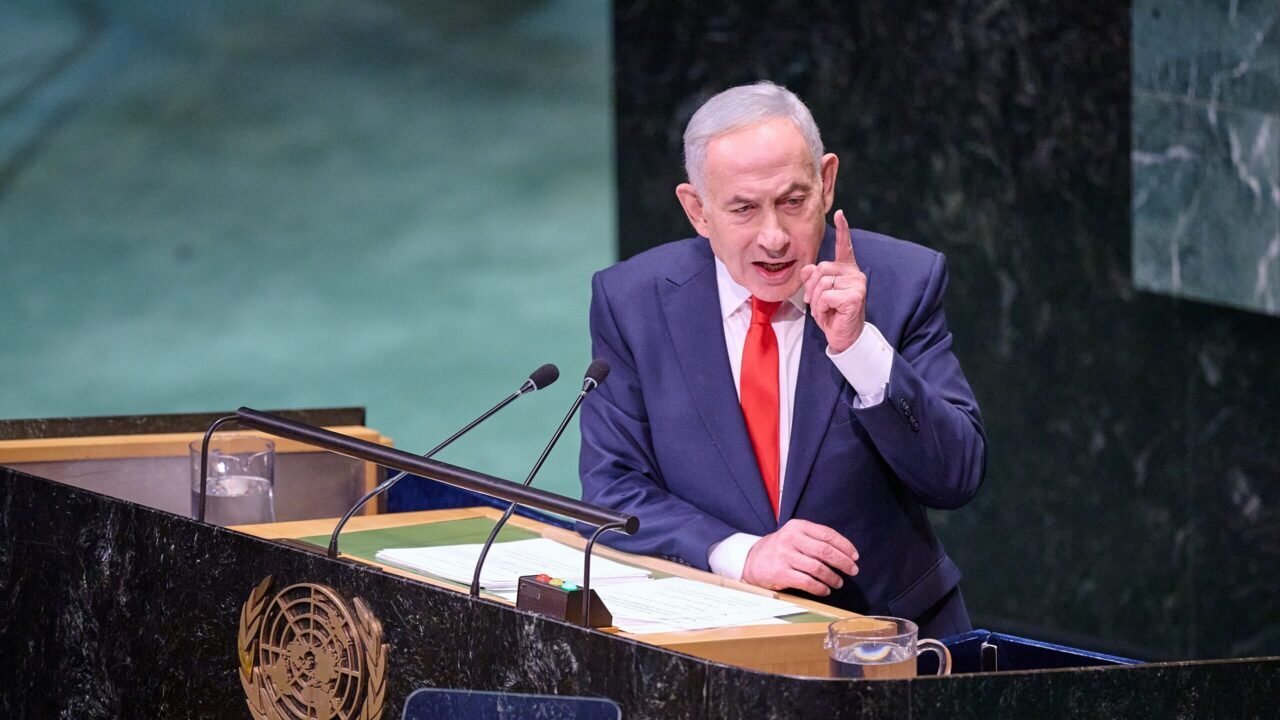
Israel’s election functions as a referendum on October 7, weighing Netanyahu’s wartime gains against refused accountability, haredi service exemptions, economic strain, and eroded global standing, while Eisenkot’s challenge tests whether coalition arithmetic can deliver the change voters appear to want.
Netanyahu Reelection Becomes October 7 Referendum
Next week, Israelis will go to the polls in what will arguably be the most important election in the Jewish state’s 78-year history.
It is the first electoral contest since the horrific events of October 7, 2023, in which Palestinian terror group Hamas massacred more than 1,200 Israelis, most of them civilians, and kidnapped 251 others. As such, the October 27 election will serve as a referendum on the political leadership that presided over that terrible day, and that has continued to steward the country since.
Naturally, a key issue on the ballot is accountability. Prime Minister Benjamin Netanyahu has been a fixture of Israeli politics for well over a generation, and was in office on October 7. However, he has so far refused to allow the creation of a state commission of inquiry, instead seeking to stage-manage the process of examining the errors that occurred under his watch. This intransigence has created major resentment among the Israeli public, a large segment of which believes the premier and other officials are seeking to skirt responsibility for their roles in the failures of intelligence, security and governance that took place that day.
Why Accountability Still Haunts the Campaign
Another precipitating factor is military participation. Since the founding of the state, Israel’s military has followed the doctrine espoused by the country’s founding father, David Ben-Gurion, of fighting short, decisive conflicts. The national army has long been structured accordingly; it currently has fewer than 170,000 active-duty servicemen, augmented by a large reserve force of nearly half a million personnel. This state of affairs has generated tremendous strain on the Israeli body politic in the three years since October 7, 2023, with reservists forced to undertake hundreds of days of active duty service as a result of Israel’s ongoing (and resource-intensive) campaigns against Hamas in Gaza, Hezbollah in Lebanon, and Iran itself.
Haredi Exemptions Strain the Reserve Army
Meanwhile, Israel’s ultra-Orthodox (haredi) community continues to enjoy broad exemptions from service as a result of historic government decisions. At the same time, Netanyahu’s ruling coalition (which is dominated by far-right religious parties) has worked diligently to preserve those despite growing pressure from Israeli society. The result is a political cleavage in which Israel’s ultra-Orthodox are seen as something resembling “free riders” on the Israeli system—leading to a significant worsening of societal tensions.
War Costs Test Economic Sustainability
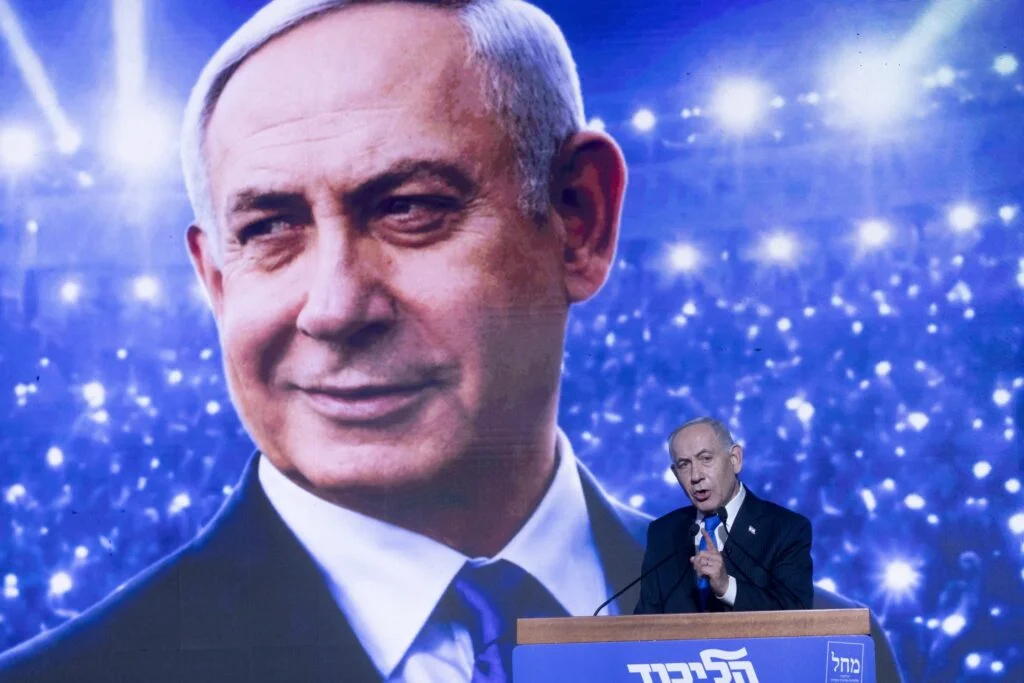
Another factor on the ballot will be sustainability. The three years since October 7, 2023, have seen Israel wage a multi-front war against Hamas, Hezbollah, other Iranian proxies in both Iraq and Yemen, and against the Islamic Republic. And, as a result of a range of tactical and strategic successes, Israel is now unquestionably in a stronger regional position. But that perpetual campaign has come at a high cost. It has hurt the national economy, whose growth and outlook, according to the International Monetary Fund, are now well below its pre-October 7 trajectory.
Reputationally, meanwhile, the war in Gaza—coupled with rampant foreign disinformation and propaganda from Iran and other sources—has helped sour attitudes toward Israel globally, including in the United States. As a result, the Israeli election will also be about the sustainability of the strategy pursued by the Jewish state in the years ahead.
Can Eisenkot Assemble a Majority
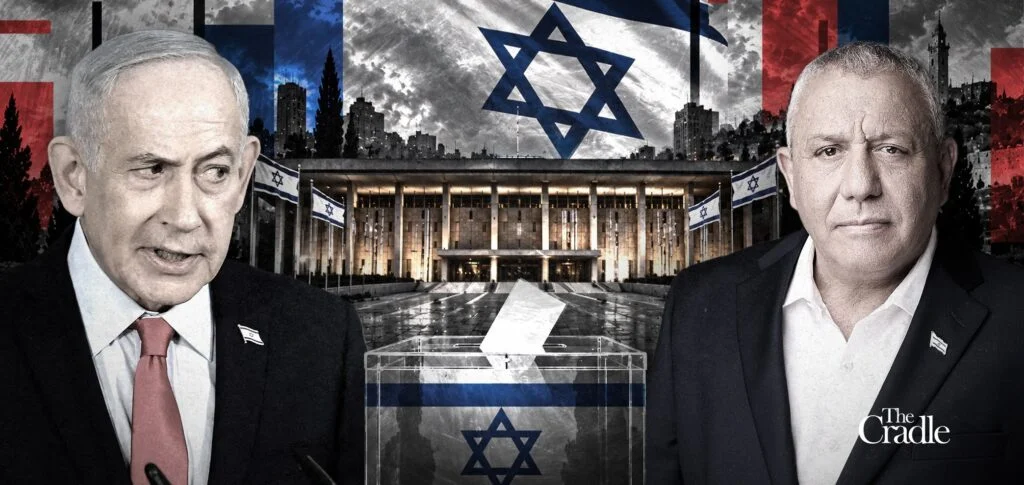
These factors have created broad consensus in Israeli society that Netanyahu must be replaced as head of government. However, doing so is difficult, both because of Netanyahu’s proven staying power in Israeli politics and because Israel’s fractious political system inevitably requires coalition-building to form a government. At present, Netanyahu’s main challenger, former IDF chief of staff Gadi Eisenkot and his “Yashar” party, lead most polls, but not decisively. Nevertheless, many hope Eisenkot can at least cobble together a minority government (with backing from the country’s Arab parties) and enact the needed reforms to set the country on a fundamentally new course.
Trump Endorsement Tilts a Close Race
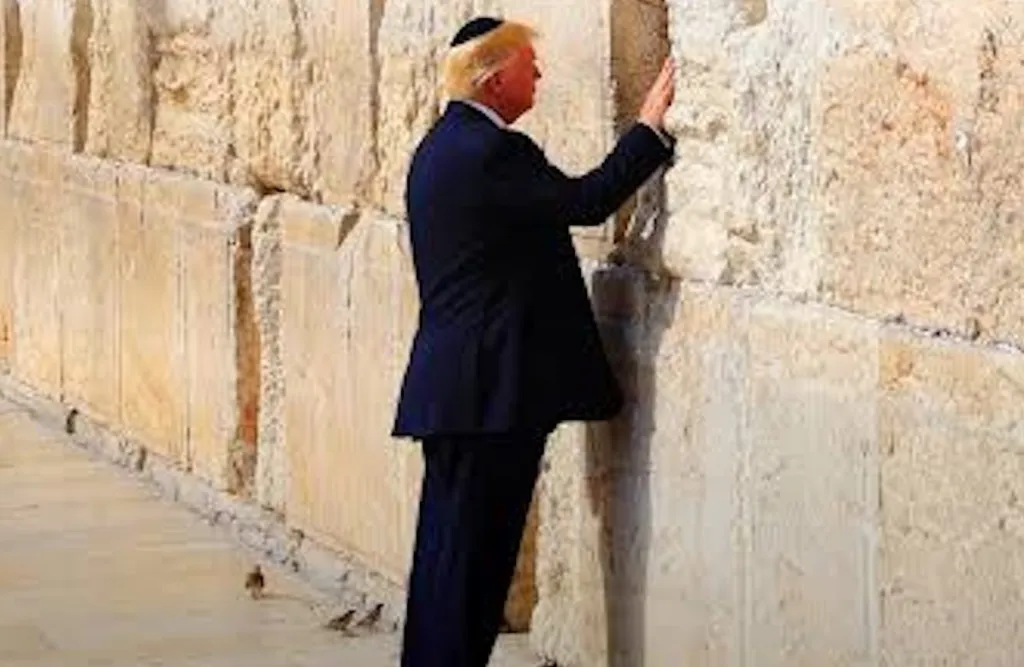
That doesn’t seem to be what the United States wants, though. After weeks of refraining from officially endorsing an Israeli candidate, President Donald Trump unequivocally threw his weight behind Netanyahu on October 18, calling him an excellent wartime president and a true “partner for peace.”
Netanyahu Reelection Hinges on Forgiveness
Trump’s backing is bound to be impactful, in part because most Israelis are worried over the current, unsettled state of play vis-à-vis Iran, and hold out hope that the United States—ideally in partnership with Israel—will break the current geopolitical stalemate. But whether it proves decisive in swaying an electorate that is still, at bottom, seeking answers for the tragedy of October 7 remains to be seen.