
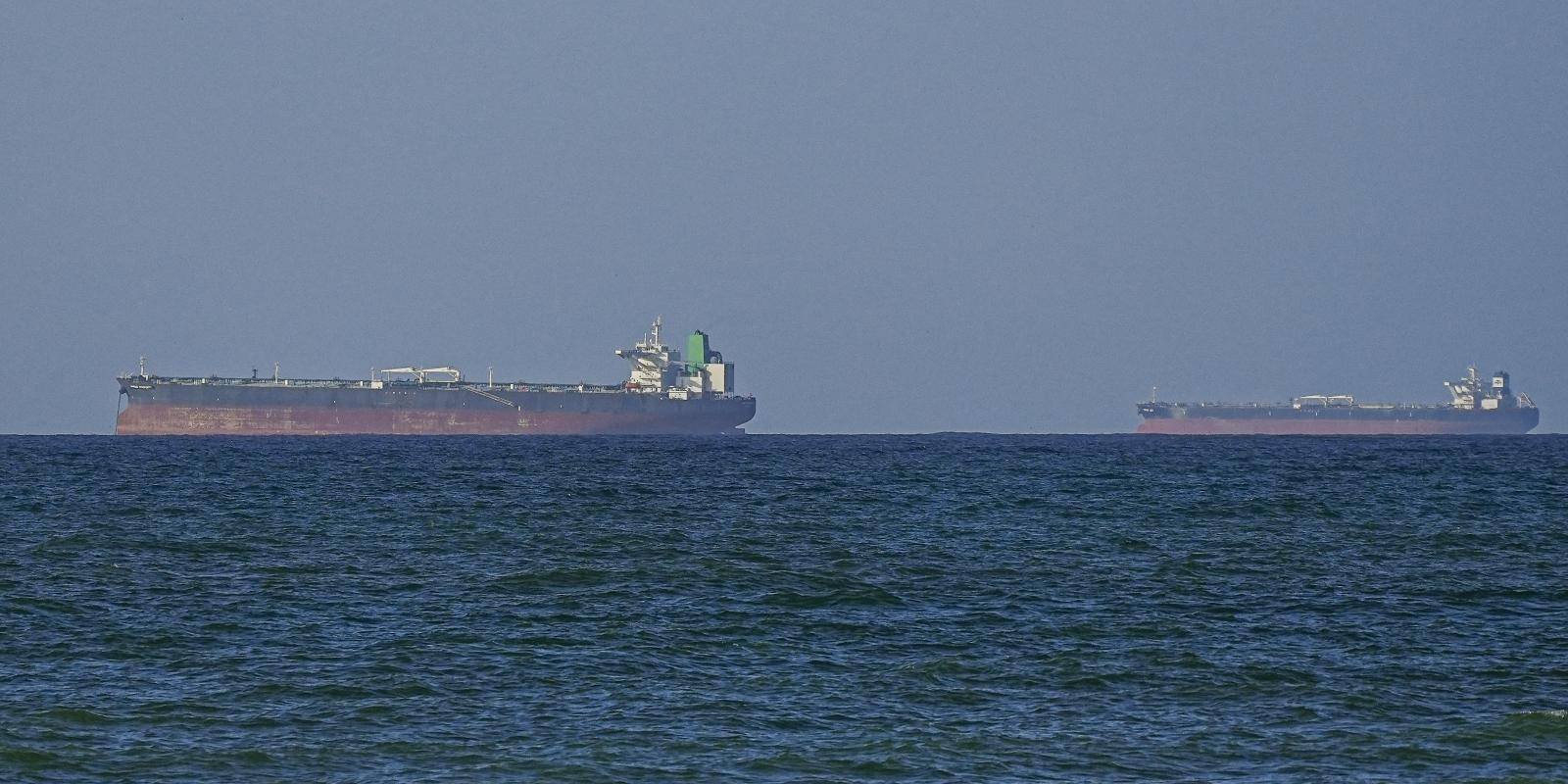
Long-term maritime security requires a shift toward co-operative verification models, potentially utilizing the Malacca Straits Patrol as a functional template. By formalizing transit fees and information-sharing protocols, mediators can transform the waterway from a strategic chokepoint into a regulated economic corridor, reducing the incentive for asymmetric warfare.
Iran will be reluctant to give up the leverage it has gained in the Strait. But options exist to try and change its perspective.
On 7 April the United States and Iran announced a ceasefire, including the re-opening of the Strait of Hormuz. The Strait has been closed since 2 March following the outbreak of the conflict between the US, Israel, and Iran.
Since the late 1980s, the Strait has enjoyed uninterrupted traffic, with no countries charging fees for transit. There have been risks to shipping in that period, from the 1990 Gulf War to threats from Iran in the mid-2010s. But shipping continued through the Strait, albeit with higher insurance costs.
But over the past month, Iran has laid sea mines, bombed ships, and charged fees for transit in order to assert its control over this vital waterway. As part of its 10-point ceasefire plan, Tehran has demanded that its control over Hormuz should continue.
According to Iranian Foreign Minister Abbas Araghchi, passage through the Strait will be allowed during the two-week ceasefire, under management by the Islamic Revolutionary Guard Corps (IRGC). After that, Iran and Oman will charge fees on ship transit.
Over the past month, various efforts have been made to secure shipping through the Strait. From 18-19 March, the International Maritime Organization called for a ‘safe passage framework’ to facilitate the evacuation of merchant ships and crew trapped in the Gulf by the Strait closure.
On 2 April, the UK held talks with over 40 countries to discuss options to press Iran to re-open the Strait. A few days later, the United Nations Security Council voted on a resolution from Bahrain and Gulf Cooperation Council countries about using protective measures to re-open the Strait. The resolution ultimately failed.
Meanwhile, very few ships have transited the Strait since the ceasefire was announced. As such, the ceasefire has only created more uncertainty about transit through the Strait, further deterring commercial shipping.
The question remains: how can the Strait be re-opened safely – and kept open for the future? It is a complex challenge, interconnected with negotiation with the US. But options exist that could help influence Tehran’s thinking.
Iran’s role
Effective control of the Strait of Hormuz gives Iran an asymmetric advantage that helps shield it from what it views as an existential threat from US and Israeli strikes – and generates significant funds for a country still under sanctions and badly damaged by the war. Iran will not easily give up this leverage.
However, this is not a sustainable long-term strategy for the world – or for Tehran. Iran’s economy is structurally dependent on oil exports, and it imports industrial goods and food through the Strait. Closing the Strait constrains its own revenue stream and undercuts its maritime logistics industry.
Diplomats will need to consider how to shift Tehran’s perception so that the normal operation of the Strait becomes a preferable option.
As such, Iran must be a party to any agreement over the Strait. Mediators should therefore consider options that are palatable to the regime. This does not mean accepting Iran’s terms about maintaining permanent control over the Strait. But it does require making Iran a beneficiary in the process of re-opening. Realistically this may require structured sanctions relief and joint management of the Strait.
Already the Trump administration has demonstrated a willingness to compromise: On 20 March, the US Treasury lifted sanctions on Iranian oil already at sea.
And, when asked about Iran’s plans to charge fees for ship transit, Trump said he is considering a ‘joint venture’ with Tehran to set up tolls in the Strait of Hormuz.
Likewise, any naval convoys designed to escort ships through the region would have to include Iran. The Strait cannot be opened by force. Escorts could pair limited Iranian exports with other commercial ships. Joint transits would deter Iranian attack, because they would include Iranian goods as well. Whether through sanctions relief or not, Iranian exports are still transiting through Hormuz to the exclusion of nearly everyone else.
At present, Iran’s toll-like system requires ships to enter Iranian waters to pass an IRCG verification process. As a confidence-building measure, verification for transit could be put in place – not from Iran, but perhaps with Iran.
This could come in the form of multilateral management or in partnership with countries that can provide complementary escorts and security guarantees. It seems that Oman may be considering such a partnership with Iran over the Strait. This could be expanded to include more regional security partners.
Region-specific protocols
The Gulf lacks comprehensive maritime security frameworks and protocols. Iran, for example, is not a party to the United Nations Convention on the Law of the Seas (UNCLOS). And the UAE, Bahrain, Iran, and others are not signatories on the 1979 Convention on Maritime Search and Rescue.
Furthermore, the Gulf still faces maritime boundary disputes that preclude the establishment of such legal frameworks. As a result, international law is unevenly applied and enforced. So long as that remains the case, it will be harder to rebuild confidence in Gulf shipping.
Region-specific provisions are needed for basic maritime coordination between littoral states. This could include the establishment of search and rescue zones, traffic management schemes, regional information fusion centres, and law enforcement cooperation to counter piracy and illegal fishing.
In the Gulf, the Djibouti Code of Conduct (DCoC) for East Africa offers a useful model to consider. The DCoC was adopted in 2009 by 20 countries including Djibouti, Somalia, Saudi Arabia, and Yemen to strengthen cooperation against piracy.
The Code establishes a framework for information sharing, law enforcement, and maritime security operations focused on the Western Indian Ocean and Gulf of Aden. In 2017, the Code was revised to include broader maritime security issues like narcotics trafficking and illegal fishing.
Such longer-term agreements offer mechanisms to coordinate ship interdictions, facilitate information exchange, develop common threat perceptions, and harmonize legal processes. In an era of grey zone warfare, this may be best path forward.
Multi-national coordination
Previous chokepoint agreements like the Black Sea Grain Deal or the Montreux Convention regarding the Regime of the Straits have been suggested as models for how to protect shipping in the Strait of Hormuz.
But these example agreements won’t work in the Gulf. There is no country like Turkey that has the geography, politics, or capabilities to unilaterally guarantee movement through the Strait.
Less recognized practices like the Malacca Straits Patrol (MSP) between Indonesia, Malaysia, Singapore, and Thailand offer more realistic models for Hormuz. MSP was launched in 2004 to enhance security in the Malacca Strait and bolster existing bilateral arrangements.
Participating navies conducted coordinated sea patrols and practiced information sharing between ships and naval operation centres. As a result of its success, Lloyd’s Joint War Risk Committee dropped the classification of the Malacca Strait as a ‘war risk area’ in 2006.
Under the International Maritime Organization, Indonesia, Singapore, and Malaysia also established the Malacca Traffic Separation Scheme (TSS) and STRAITREP system to enhance safety of navigation in the Malacca Strait and the region. The TSS and MSP are both viable models for future traffic monitoring and verification process in the Gulf region.
Ultimately, keeping the Strait of Hormuz open in the long term will require more than short-term ceasefires or ad hoc security measures.
Instead, the situation demands a shift toward inclusive cooperation that recognizes regional realities and reduces incentives for disruption. For Iran such cooperation offers steadier trade flows and reduces escalation risks amongst its neighbours.
Bringing Iran into a structured framework, establishing region-specific maritime protocols, and building multinational coordination are not quick fixes. But they are foundations for stability. Without them, the Strait will remain vulnerable to recurring crises.