
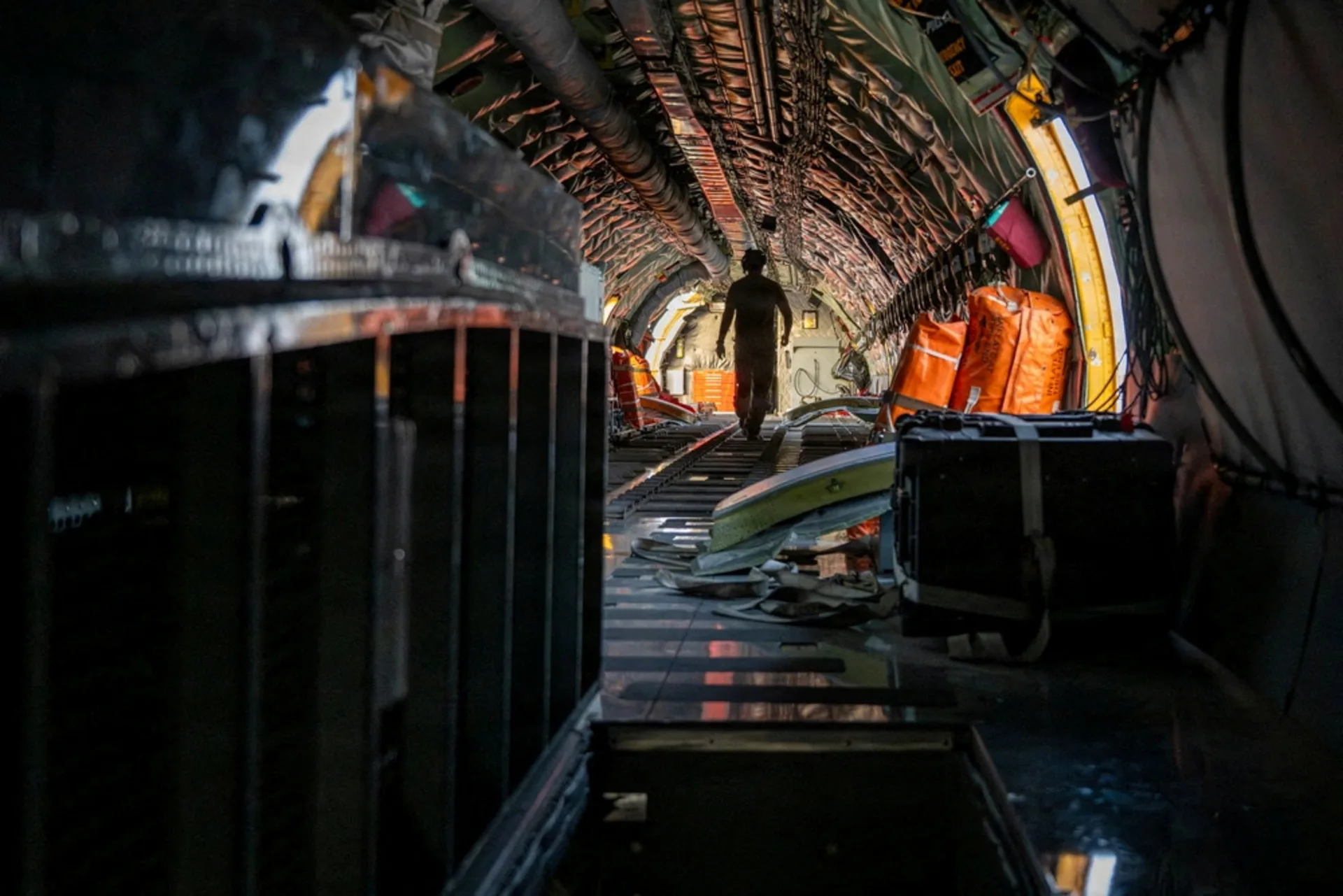
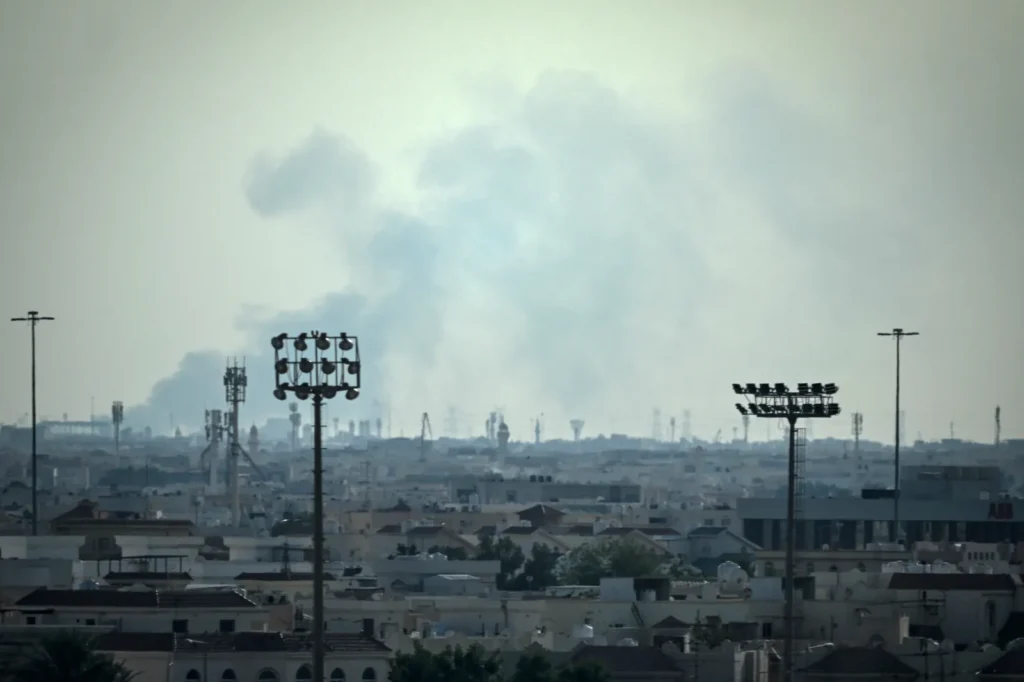
Iranian attacks on U.S. bases in Qatar, Bahrain, and Kuwait have killed 17 service members. Strategic proximity to Tehran exposes forces, prompting military officials to evaluate repositioning assets to Israel and Jordan to mitigate missile and drone threats.
As Washington absorbs the human and financial cost of this confrontation, a deeper structural question is emerging: can decades-old assumptions about regional deployment survive contact with modern precision-strike capability?
The debate over US bases near Iran is no longer academic — it now shapes decisions being made in real time by commanders, diplomats, and lawmakers who must weigh proximity to threats against operational readiness, alliance politics, and cost. Every mile of distance from Tehran buys American forces critical minutes to seek shelter, but distance also complicates logistics, weakens deterrence signaling, and forces difficult conversations with host governments about risk-sharing. What began as a tactical adjustment during an active war may become the defining infrastructure decision of the next decade. The stakes extend well beyond this single conflict.
US Bases Near Iran Geography
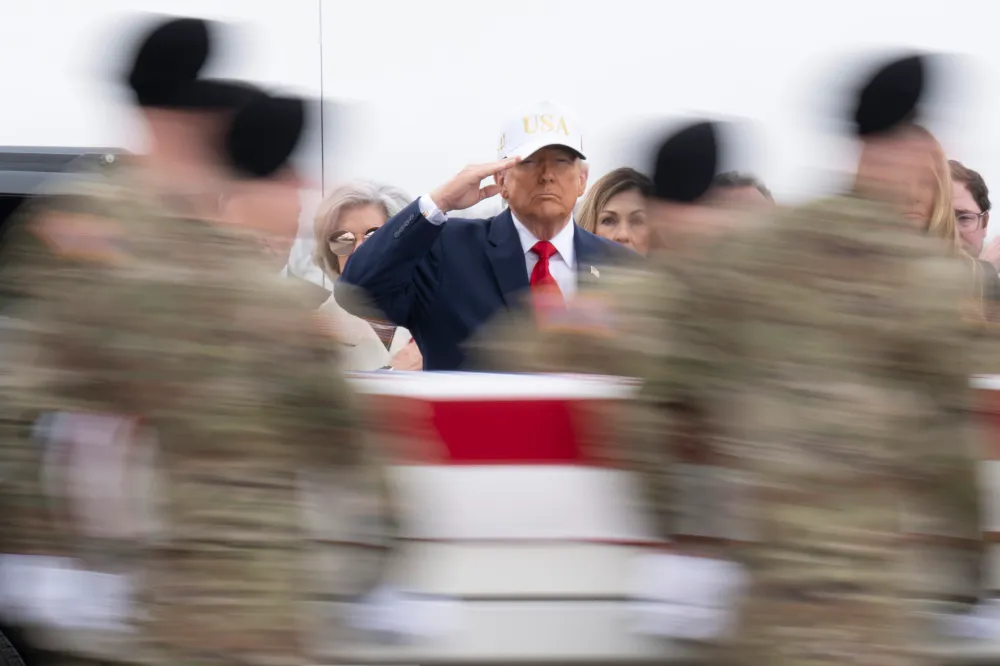
The conflict between the United States and Iran has illuminated a factor in U.S. policy that received too little attention until this year: the U.S. basing pattern in the Middle East. U.S. bases in the region are now the targets of Iranian attacks, leading to the deaths of at least seventeen U.S. service members, injuries to roughly five hundred others, and billions of dollars in equipment losses. This is a geography problem.
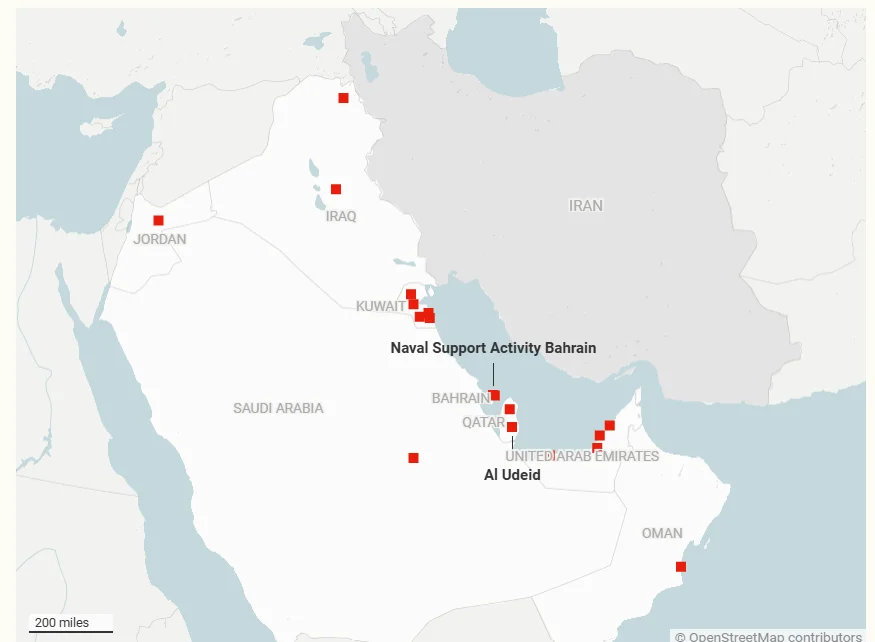
Simply put, the United States has bases all over the Persian Gulf that are too close to Iran. The largest U.S. base in the Middle East is the Al Udeid Air Base in Qatar, where roughly ten thousand U.S. troops worked prior to the current war.
It is also the forward headquarters of U.S. Central Command (CENTCOM) and the location of the Combined Air Operations Center that controls all U.S. air activity in the entire Middle East. The headquarters of the U.S. Fifth Fleet and U.S. Naval Forces Central Command are in Bahrain. There are significant U.S. bases as well in Kuwait and the United Arab Emirates, and a U.S. presence in Oman and Saudi Arabia. All are within easy striking distance of Iran.
Legacy Middle East Defense Shifts
This basing pattern was logical when the United States was fighting in Afghanistan and Iraq against terrorist foes who lacked the ability to attack those bases. Back in 2001, when the United States began its operations against the Taliban in Afghanistan, U.S. bases in the Gulf were extremely useful and almost invulnerable. The same was true during the Iraq conflict that started in 2003: neither opponent was able to bombard U.S. bases with missiles, and drones were barely being introduced and were not a threat.
Missile Threats and Distance Factors
But this basing pattern is very vulnerable today in the conflict with Iran. Given the range of missiles and drones in Iran’s arsenal, U.S. bases farther away would still be in danger, but there would be more time for personnel to get to safety. For example, Camp Arifjan in Kuwait, the U.S. Army’s forward headquarters for Central Command ground forces, is just 62 miles from Iran. The U.S. naval base in Bahrain is about 128 miles from Iran. Al Udeid is 170 miles. They are all well within the range of Iranian missiles. By comparison, the distance from Iran to Israel is about 1,100 miles.
US Bases Near Iran Vulnerabilities
The United States’ basing pattern in the Gulf reflects old challenges, including the need to protect U.S. allies in the Gulf and the wider Middle East from the Soviet Union. It may have served well during the Afghanistan and Iraq wars, but it has become an anachronism that endangers U.S. troops—which helps explain why many are being moved farther away from Iran. Indeed, “some U.S. personnel are evacuating Al Udeid Air Base in Qatar, America’s main military base in the Middle East… [and] American aircraft also appear to have been moved,” Air & Space Forces Magazine reported in January.
Troop Relocations and Regional Bases
Moved where? Dozens of U.S. aircraft have relocated to Ben Gurion Airport and Ramon Air Base in Israel. The United States is also using bases in Jordan, where U.S. forces sustained casualties and two deaths last week. Retired General Frank McKenzie, a former CENTCOM commander, believes more moves away from Iran and the Gulf are needed.
“No one in their right mind would ever put the CENTCOM forward headquarters, you know, 100 miles away from Iran, [in Qatar], yet that’s where it is,” he told Middle East Eye in early July. He described the United States’ current basing pattern as an historical “artifact” and said U.S. basing strategy “does not match the reality on the ground.” McKenzie concluded that “We need to look West. We need to look at basing in Israel,” both due to its distance from Iran and because, in his view, it would impose the least restrictions on U.S. access, basing, and overflight rights (known as ABO).
Other locations farther from Iran that could be considered include western Saudi Arabia and Egypt, but neither location has the air defense systems Israel has and neither would provide the looser ABO. Still, given that the United States has bases in several Gulf countries, it should consider new bases spread across several locations rather than putting all its air resources in one place.
Strategic Financial and Political Hurdles
But that’s easier said than done. While Israel might welcome a U.S. base, Egypt, Saudi Arabia, or other countries in the region might view it as a burden likely to attract attacks or as a means to gain leverage over the United States to get policy concessions or—in the case of Egypt—more U.S. assistance. Moreover, new bases are extremely expensive at a moment when there are already great burdens on the U.S. defense budget. Qatar spent between $1–$2 billion constructing Al Udeid in 1996 and has spent more than $6 billion more since then maintaining it.
A new U.S. basing pattern will certainly be debated. As retired U.S. Navy Rear Admiral Mark Montgomery put it to FOX News, the U.S. military is already relying on alternate locations to the bases that are particularly close to Iran. “We’re not relying on them in the same way that we did before the war,” Montgomery said. “I think we are going to reposition these forces.”
Where they would go, when, and who pays for the new locations are questions both the U.S. military and Congress are surely asking. But Congress acts slowly, and attacks on current U.S. bases continue in the meantime. The wait will be costly—the longer U.S. troops remain within range of Iranian missiles, the more the United States will pay in readiness, deterrence, and lives.