
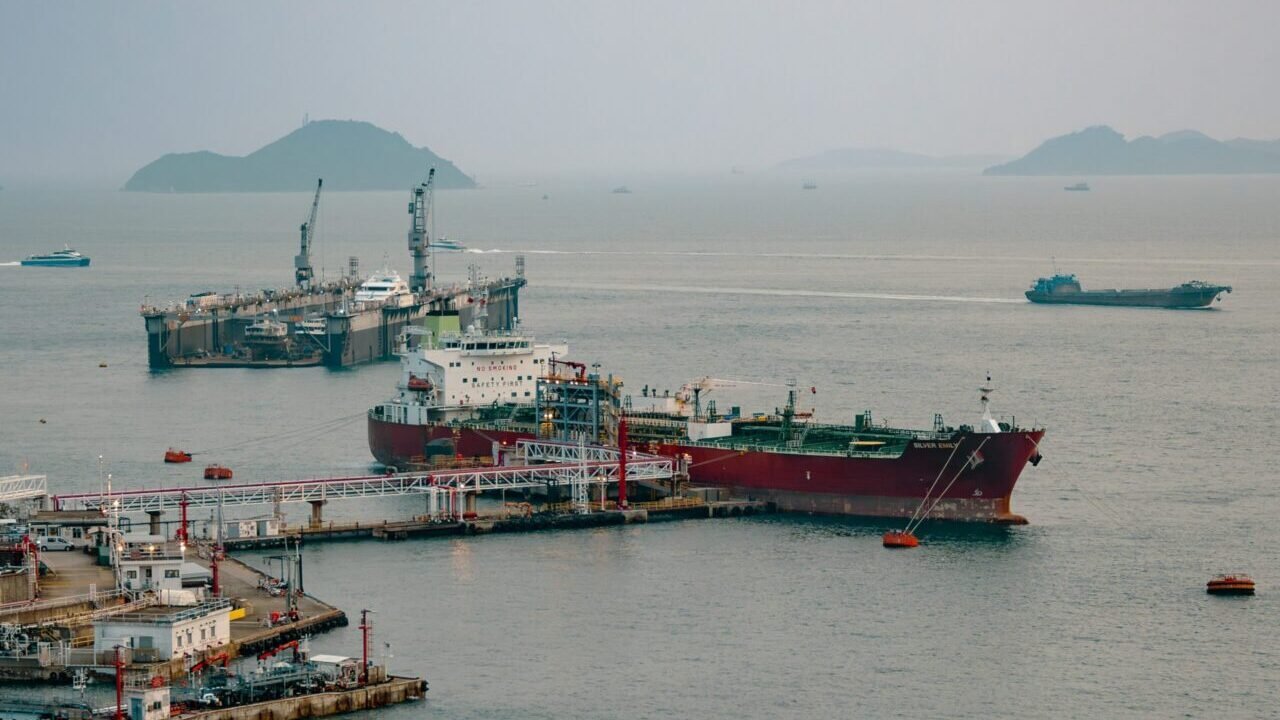
The Strait of Hormuz closure produced a muted oil spike but uneven consequences. Gulf states realigned, Europe hedged, Asia absorbed shortages, and China drew on reserves and export controls to insulate its economy.
The closure of the Strait of Hormuz did not produce the singular global oil shock that early forecasts imagined, yet it accelerated a deeper pattern of geoeconomic fragmentation across energy, trade, and security relationships. Washington’s energy independence and Beijing’s diversified pipelines, reserves, and industrial capacity softened the immediate price impact, while Gulf producers, European allies, and Asian importers absorbed uneven shortages, fiscal strain, and strategic doubt.
The crisis exposed how chokepoint coercion can fracture collective responses and reward states able to stabilize supply, finance substitutes, and export the technology needed for diversification. Gulf infrastructure projects, Europe’s trade and defense hedging, Asia’s subsidy burdens, and China’s export controls all reflect a world in which economic statecraft and alliance credibility are tested simultaneously.
This geoeconomic fragmentation is not a temporary market disruption but a structural realignment of supply chains, defense procurement, and diplomatic alignments. As governments pursue resilience, influence shifts toward actors that can absorb shocks, secure alternate routes, and shape the rules governing critical resources. The Hormuz episode therefore reveals both the limits of forecasts and the durability of competitive interdependence, with consequences that will outlast any single energy price spike.
Hormuz Closure Reshapes Global Realignment
At the onset of the war in Iran, forecasters anticipated an oil shock to follow the closure of the Strait of Hormuz, with upper-bound projections reaching $180 a barrel. While prices have risen and fallen, effects have been more muted and geographically confined than expected.
This muted economic impact conceals the uneven impact and breadth of consequences, with a premium for those who had safeguards in place well in advance. While the United States retains a buffer due to its energy independence, China has reduced its dependence over multiple years through technological advancement, diversified sourcing, and reserves.
Among American allies and partners facing acute shortages, Hormuz’ closure has impacted the credibility of institutions and alliances and the financial stability of nations. Realignment has taken distinct yet interrelated forms across regions: the Middle East reacting in real time to kinetic conflict, Europe reassessing its long-term trajectory, and Asia facing compounding tradeoffs of acute energy vulnerability, defense buildups, and fiscal exhaustion. As countries seek resilience in crisis, influence lies with those who can absorb shocks, stabilize prices, and provide capabilities for those looking to diversify.
Geoeconomic Fragmentation Hits Oil Markets
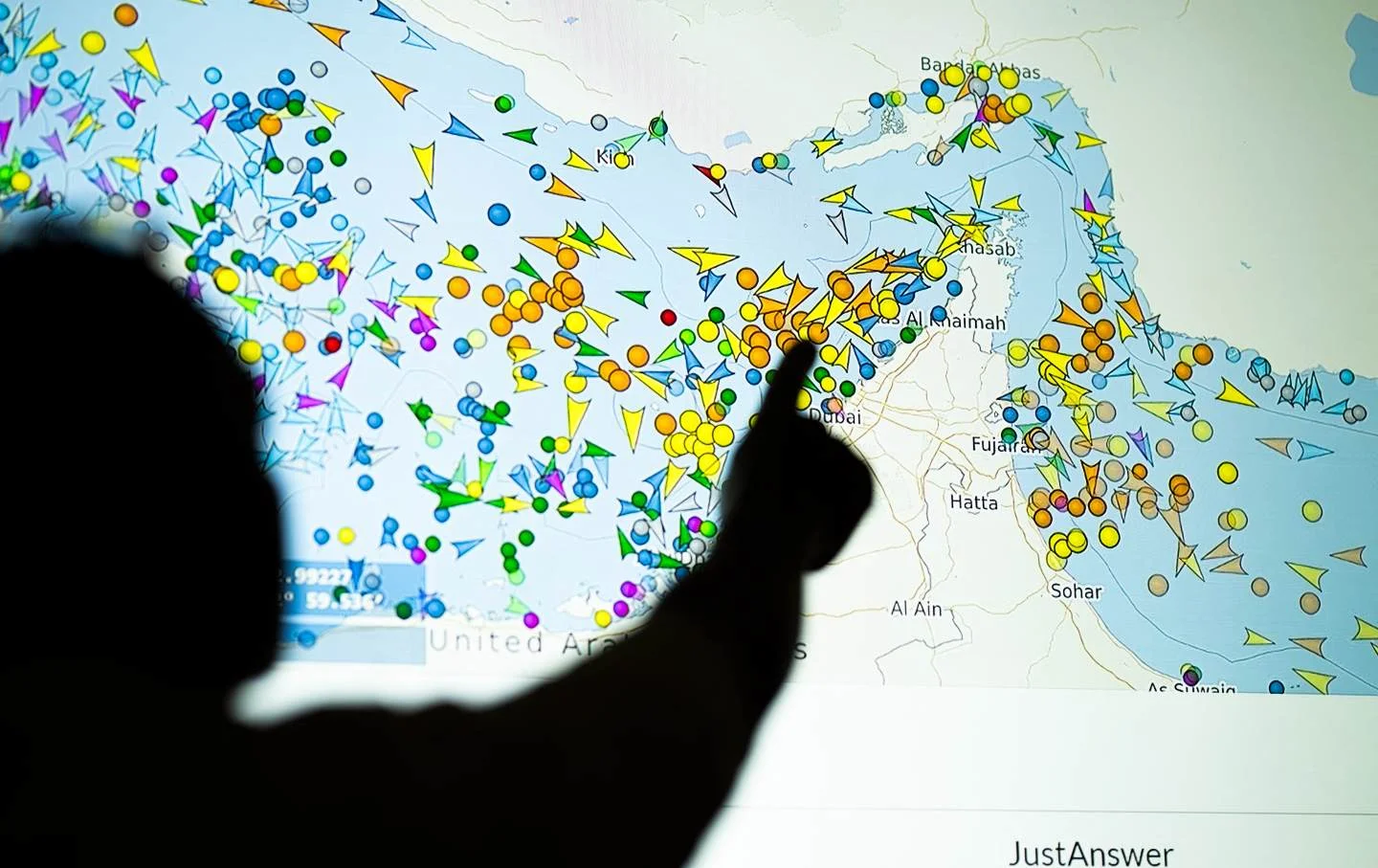
On February 27, Brent stood at $72.87 per barrel, with Bloomberg, Morgan Stanley, and Citi projecting prices of $130 and $180 under a sustained closure of the Strait of Hormuz. After more than six months of effective closure, Brent crude peaked at $114.47 on May 4. Even as maritime traffic has recovered, energy prices remain well below the projections for a sustained closure.
Several factors explain the limited spike. To relieve market pressures, International Energy Agency (IEA) member countries collectively released 400 million barrels of oil in March. China’s crude imports remain below 2025 levels. Governments are also working to curb energy demand at home, and exporters are pursuing alternative routes to deliver their commodities abroad.
This disparity between energy prices and projections obscures how deeply interwoven Gulf state energy is with global manufacturing. In Qatar, Bahrain, and the United Arab Emirates, aluminum smelters have come to a halt. Reactivating them can take four to eight months. Sulfur, helium, phosphates, naphtha, and ammonia are all affected, with downstream consequences for industries including mining, agriculture, and automobile manufacturing. The World Bank projects a 17 percent rise in its metals and minerals price index in 2026, driven primarily by copper, aluminum, and tin.
Realigning the Gulf States
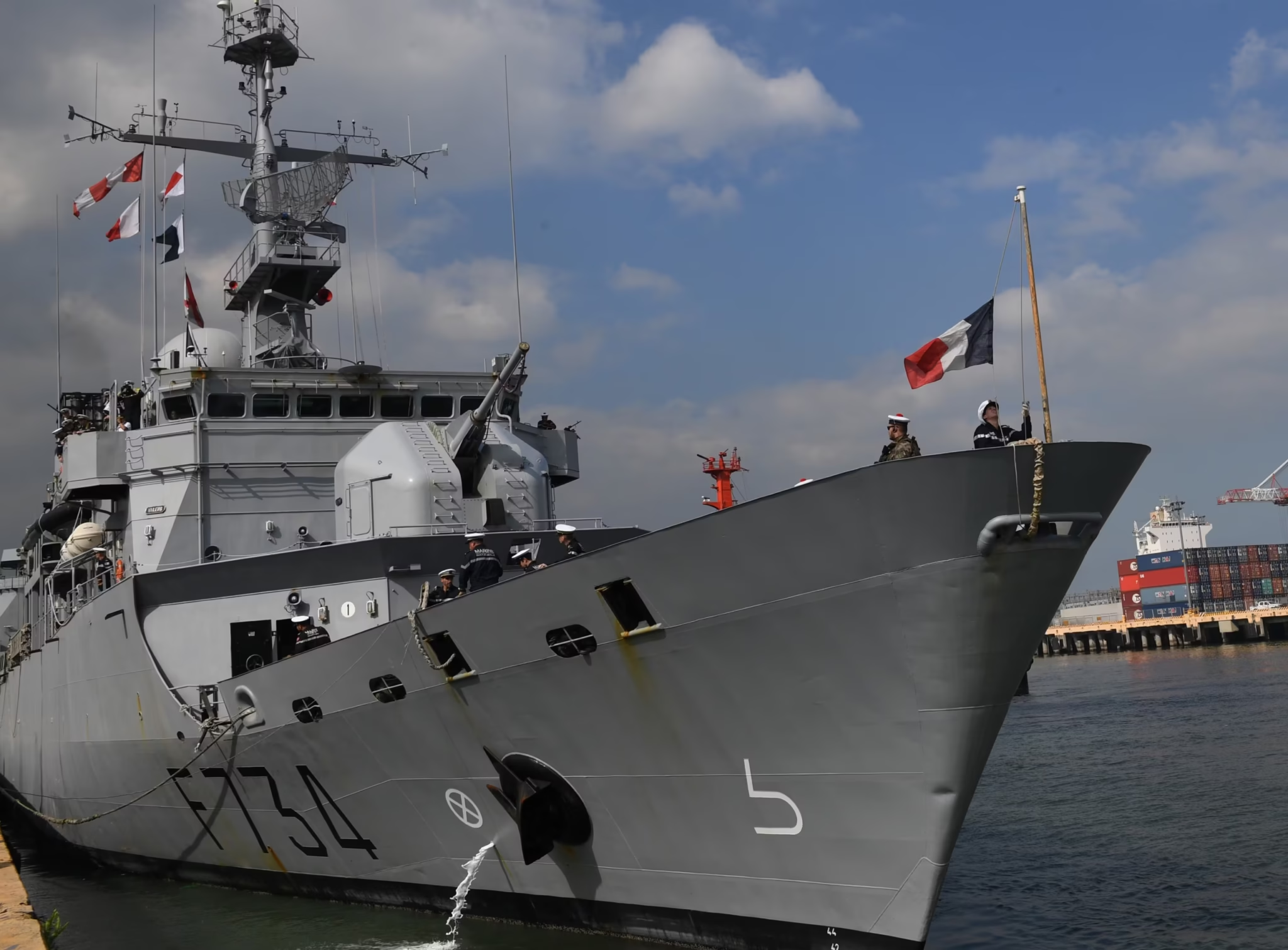
By strangling free navigation and employing drone warfare, Iran has found a method to deter future offensives and expand its regional influence. In its wake is a Middle East defined by competing intra-regional actors.
These divergences reflect differences in economic exposure. Saudi Arabia is positioned to diversify, while Qatar’s LNG exposure and geography could drive an 8.6 percent GDP contraction, and regional instability threatens the UAE’s commercial ambitions. These differing conditions have fractured the Gulf’s response. The UAE aligned with the United States early; Saudi Arabia, while initially seeking to maintain diplomatic channels with Iran, joined the United States in joint military strikes in July and faces ongoing bombardment from the Houthis.
Despite ongoing warfare, the Gulf states have attempted to accelerate infrastructure development and “dense interdependence.” Through the Port of Neom, Saudi Arabia is seeking to channel a larger share of the kingdom’s trade via the Red Sea alongside the Port of Yanbu. To bypass the Strait of Hormuz, the UAE is expediting the construction of an oil pipeline through the port of Fujairah. Gulf leaders are pursuing joint railway and electrical grid networks, an effort GCC Secretary General Jasem Mohamed Albudaiwi described as transitioning from “traditional coordination to a higher level of practical integration.”
These emerging transit corridors also carry political risks. In the Red Sea, renewed attacks by the Houthis on the Yanbu port and East-West pipeline endanger Saudi Arabia’s capacity to transit goods to the Asia-Pacific. The viability of pipeline projects connecting the Gulf and Europe is likely contingent on a politically stable Levant.
New alignments are forming. Syria is re-emerging as a critical node in the Gulf-Europe energy corridor. The Mecca Joint Defence Agreement between Pakistan, Saudi Arabia, and Turkey reflects shared interests among states in neighboring regions and the potential for future plurilateral architectures. This emerging ecosystem is coalescing around recalibrated interests and nascent blocs defined by regional actors, not the United States.
Europe Hedges Against US Reliance
Europe has begun to incrementally hedge away from its reliance on the United States through trade arrangements, defense industrial base indigenization, and Asian defense imports.
On commercial trade, the political response has unified around establishing new trade arrangements with India, Indonesia, Canada, and MERCOSUR, alongside ongoing negotiations with Indonesia, Australia, the UAE, and Malaysia.
On defense procurement, indigenization and Asian sourcing have limited exposure to a single weapon supplier. On indigenization, the European Defense Industrial Strategy targets at least 50 percent of defense procurement being sourced from within the EU by 2030 and 60 percent by 2035. To this end, the strategy highlights member state coordination on military readiness, productive capacity, and intra-European trade.
In April 2026, Warsaw and Seoul upgraded bilateral relations to a “comprehensive strategic partnership,” with both countries looking to expand their $44.2 billion co-production framework. As Polish Secretary of State Marcin Przydacz outlined, Poland operates as a “gateway” for Korean suppliers to access Central and Eastern European markets. Japan, conversely, eased its historic restrictions on arms exports in April 2026, offering another route toward defense diversification.
Europe’s energy transition is under way and being tested. As of 2024, renewables provided 47 percent of Europe’s electricity, up from 34 percent in 2019. However, Europe remains exposed due to its insufficient energy production. From 2004 to 2025, the EU’s energy import dependency rate has flatlined, with high levels of variance between individual member states.
Sanctions waivers and higher energy prices have complicated Europe’s energy security and strategic solidarity. Before the United States rolled out waivers on March 12, Russian crude oil exports declined to their lowest point since the invasion of Ukraine. Afterward, from February to May, Russia’s crude exports increased, generating more than $2 billion in additional revenue. In June, the EU purchased €1.9 billion ($2.14 billion) worth of Russian fossil fuels, with Hungary and Slovakia acquiring €300 million ($338 million) and €100 million ($113 million) in Russian crude oil, respectively. The longer energy supplies from the Middle East are disrupted, the more difficult it will be for Europe to maintain unity.
For Europe, trade diversification, defense indigenization, and selective Russian energy imports are individual adjustments of a political bloc under pressure. Together, they signal how the transatlantic alliance has become one of many European partnerships.
Asia Absorbs Energy Market Whiplash
With 83 percent of the LNG transiting the Strait of Hormuz bound for Asian markets, its closure has become a threat to economic growth, financial stability, and energy security. In Vietnam, diesel prices spiked 105 percent. And in Japan, crude oil is up 73 percent. Holding just 4 percent of global oil and gas reserves, Asia imports $1.1 trillion in fossil fuels annually. Asian refineries are configured for Gulf crude and locked into long-term contracts, further complicating efforts to transition.
Amid supply shocks, Japan faces competing fiscal pressures. Japanese Prime Minister Sanae Takaichi unveiled a vision for industrial vitalization in June, anchored by a planned $2.3 trillion investment in technology through 2041. On defense, Japan’s Cabinet has approved an increase in expenditures, nearing its goal of spending 2 percent by 2027. And, in light of the regional effects of the Iran War, Japan has committed $10 billion through the POWERR Asia initiative to help Asian partners acquire needed supplies and avert second-order consequences for Japan’s supply chains.
Alongside these spending commitments is macroeconomic uncertainty. The Bank of Japan has projected that the country’s growth is likely to decelerate this fiscal year (2026), while the producer price index spiked 7.1 percent in June. Conditional on rising energy prices, Mizuho Bank and Nomura project a widening of Japan’s trade deficit, a decline in GDP, and an uptick in inflation.
South Korea, meanwhile, has partially offset energy exposure due to its technological and trade performance. The IMF upgraded Korea’s 2026 growth forecast to 2.6 percent, with first-quarter exports reaching a record $219.9 billion. This performance, while exceptional, remains contingent on the growth of the memory-chip industry, illustrating both South Korea’s advancements and its sectoral dependencies.
South Korea’s energy exposure remains significant. In April, South Korea’s National Assembly approved a $17.7 billion supplementary budget, including consumer vouchers and fuel price caps for six months, along with naphtha export restrictions to stabilize domestic conditions.
Although Indonesia is a net energy exporter, its subsidy burden has become unsustainable. Indonesia’s oil and gas subsidies are 2.3 percent of its GDP. Indonesia’s 2026 budget assumed a stable rupiah and oil prices staying around $70 per barrel. Instead, currency depreciation and surging energy prices could increase the subsidy bill by $13 billion. According to Bloomberg, these conditions have resulted in capital flight, with foreign investors selling $4.3 billion in equities this year, “four times the whole of 2025.”
China Insulates Itself From Shocks
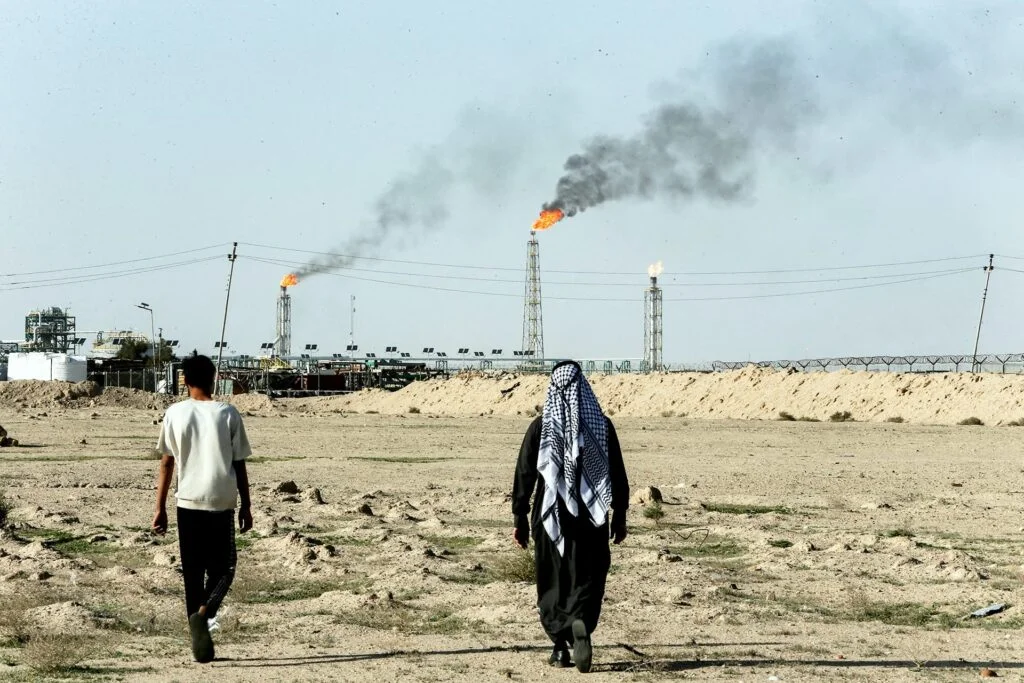
China’s policy planning before and during the war in Iran has aimed to diversify energy sourcing, expand production, and control what is traded beyond its borders.
Beijing entered the conflict more diversified than any regional peer despite its dependence on energy imports. Even though it has historically imported roughly half its oil through the Strait of Hormuz, the Eastern Siberia-Pacific Ocean and Kazakhstan-China pipelines provide the capacity to import 18 percent of total consumption. That diversification is backstopped by scale: China entered the period of Hormuz’s closure with an estimated 1.1 to 1.4 billion barrels of crude oil reserves.
China’s industrial and energy buildout has made it the indispensable supplier of the hardware the rest of the world needs to reduce its own exposure. It produces 17.8 percent of refined oil worldwide and 46.9 percent of Asia-Pacific’s total refining output. According to Ember, China exports 70 percent of the world’s electric vehicles and 80 percent of its solar panels and battery cells. As the war has driven emergency purchasing globally, Chinese solar exports doubled month-on-month in March to 68 GW—more than Texas’s total 53.6 GW of installed solar capacity.
Beijing has also leveraged export controls to reinforce its strategic position. From March to July, it placed export restrictions on refined fuel, sulfuric acid, and helium. China’s regulation of energy-related exports is not unique, but the cumulative effect has further diminished the ability for states to procure needed energy resources.
These developments also have strategic implications for how China perceives threats and prepares for future contingencies. In a May 2026 panel, An Yukang of the Economics and Technology Research Institute observed that the crisis has sharpened Beijing’s attention to its own chokepoint vulnerabilities, arguing that “China should pay close attention to strategic passages related to its core interests.”
China’s actions have therefore simultaneously insulated it from supply shocks and built new constituency networks of countries purchasing its energy technology stack. American and Iranian actions to stifle free navigation have heightened the threat perception around alternate strategic corridors, from Lombok to Malacca. As Beijing continues to assess and map future choke points, a strategy of diversification is likely to persist.
Geoeconomic Fragmentation Exposes Universal Vulnerabilities
The Strait of Hormuz’s closure has exposed those who mitigated the effects of crisis and those incurring the costs of filling the gaps.
Whether through weaponized defense and trade relationships or fiscal constraints that atrophy state capacity, Hormuz’s closure illustrates the breadth and limits of countries’ diversification. For allies and partners, this was a black swan scenario—one inflicted by a United States that is shielded from its immediate consequences. Alongside anxieties about American defense guarantees and institutional fidelity, countries accelerating through this period of global realignment will not lose sight of the precedent set by Hormuz’s closure. While the impact of the Hormuz crisis is diverse, the lesson is universal.