
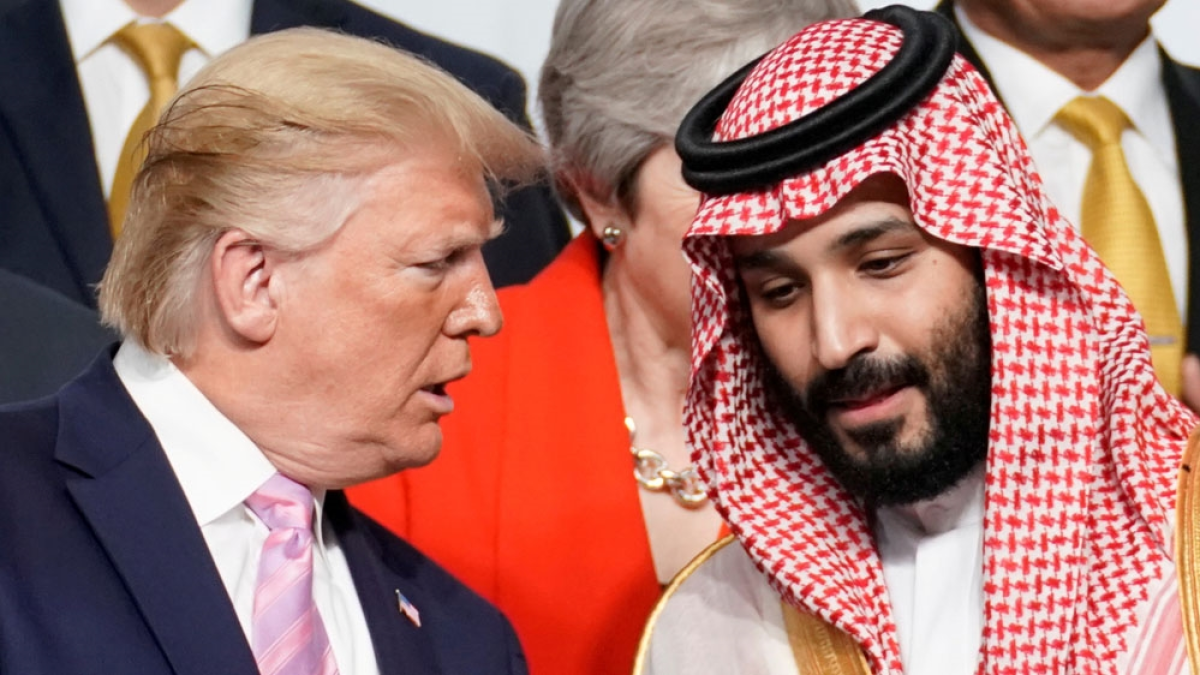
Donald Trump tied the U.S.-Saudi 123 nuclear agreement to Israeli normalization, disputing uranium enrichment plans. Omitting the IAEA Additional Protocol limits inspection oversight, raising proliferation risks across the Middle East.
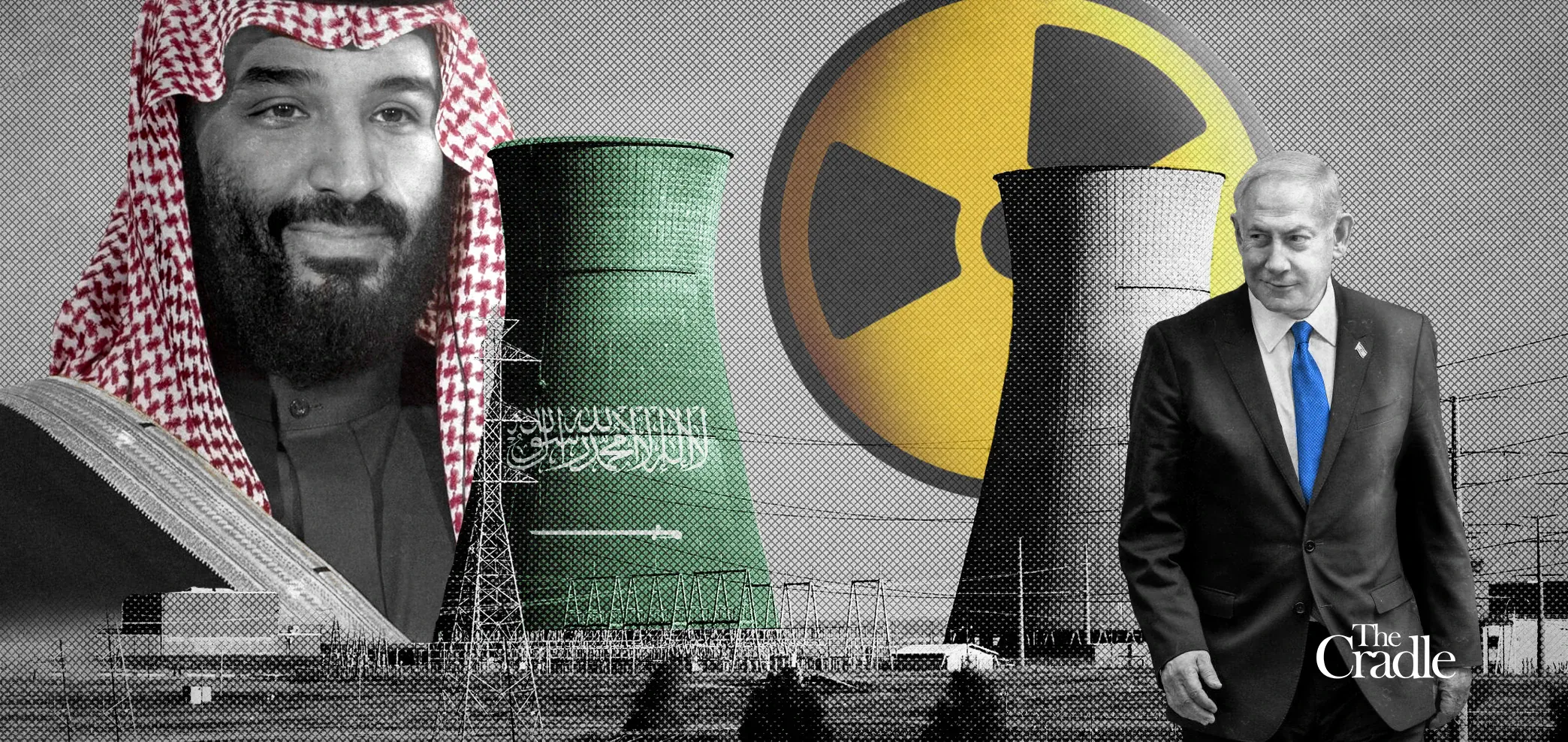
President Donald Trump has cast serious doubt on the future of the newly announced U.S.-Saudi civilian nuclear cooperation agreement by publicly tying its final approval to Riyadh normalizing ties with Israel. The sudden policy shift reveals significant friction between Washington and Riyadh over the long-debated US-Saudi nuclear deal, particularly concerning uranium enrichment rights and regional nonproliferation guarantees. While Saudi officials maintain that the signed accord requires no further renegotiation, lawmakers in Washington now face mounting pressure to evaluate the deal’s security implications during the upcoming congressional review. Without strict safeguards, the US-Saudi nuclear deal risks triggering a broader arms race across the Middle East.
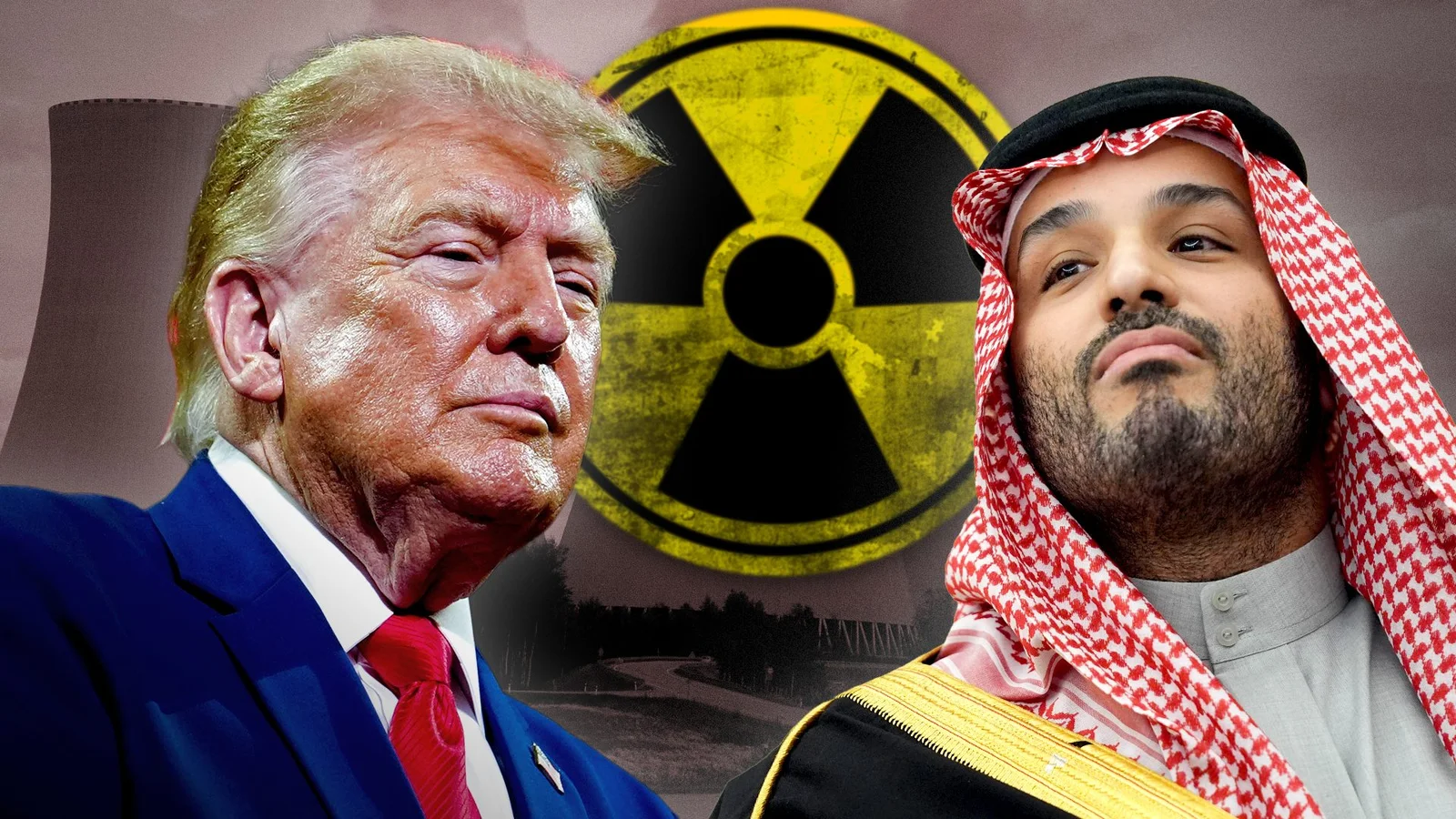
Trump Casts Doubt on the US-Saudi Nuclear Deal
Following the announcement of a U.S.-Saudi nuclear cooperation agreement, President Donald Trump is now raising doubts over it.
In a Truth Social post on July 23, one day after news of the agreement, known as a “123” accord, was made public, Trump said that the deal was approved, but was conditioned on Riyadh joining the Abraham Accords by normalizing relations with Israel. He also stated that “there will be no enrichment of material,” casting doubt on plans under the agreement to explore a U.S.-built, U.S.-controlled uranium enrichment plant in Saudi Arabia under U.S. and International Atomic Energy Agency (IAEA) monitoring.
Under the reported terms, the United States will not require Saudi Arabia to adopt the Additional Protocol (AP), the enhanced inspection arrangement observed by most countries. This would limit inspectors’ ability to detect possible weapons-related activities.
A bilateral safeguards agreement signed the same day aims to fill the gap, but it would likely leave Washington without access to any secret facilities. Under the Atomic Energy Act of 1954, the agreement must undergo a 90-day congressional review, during which lawmakers could attempt to block it via a joint resolution of disapproval.
Administration Confusion Surrounds the US-Saudi Nuclear Deal
A Saudi official pushed back against Trump’s normalization condition, telling journalist Laura Rozen, “It was signed. So nothing to renegotiate.” CNN reported that Trump grew frustrated with criticism from experts and conservative news outlets, which noted prior efforts to reach a nuclear cooperation agreement under both Biden and Trump treated normalization as a core requirement. Miscommunications between the White House and Department of Energy over the rollout reportedly prompted Trump to add the condition publicly.
Trump’s enrichment statement is also ambiguous. The accord reportedly includes a two-year study of an enrichment plant’s economic viability; if found unviable, Saudi Arabia could not enrich uranium independently or with another foreign partner for 10 years. Riyadh has long sought enrichment technology from Washington. However, it has also openly admitted that it would seek nuclear weapons if Iran does the same, raising concerns about its intentions for uranium enrichment.
Possessing an enrichment capability supports both civilian reactors and nuclear weapons programs, moving states closer to fueling nuclear bombs. Only five countries currently enrich uranium — down from six following military strikes on Iran — without also possessing nuclear weapons.
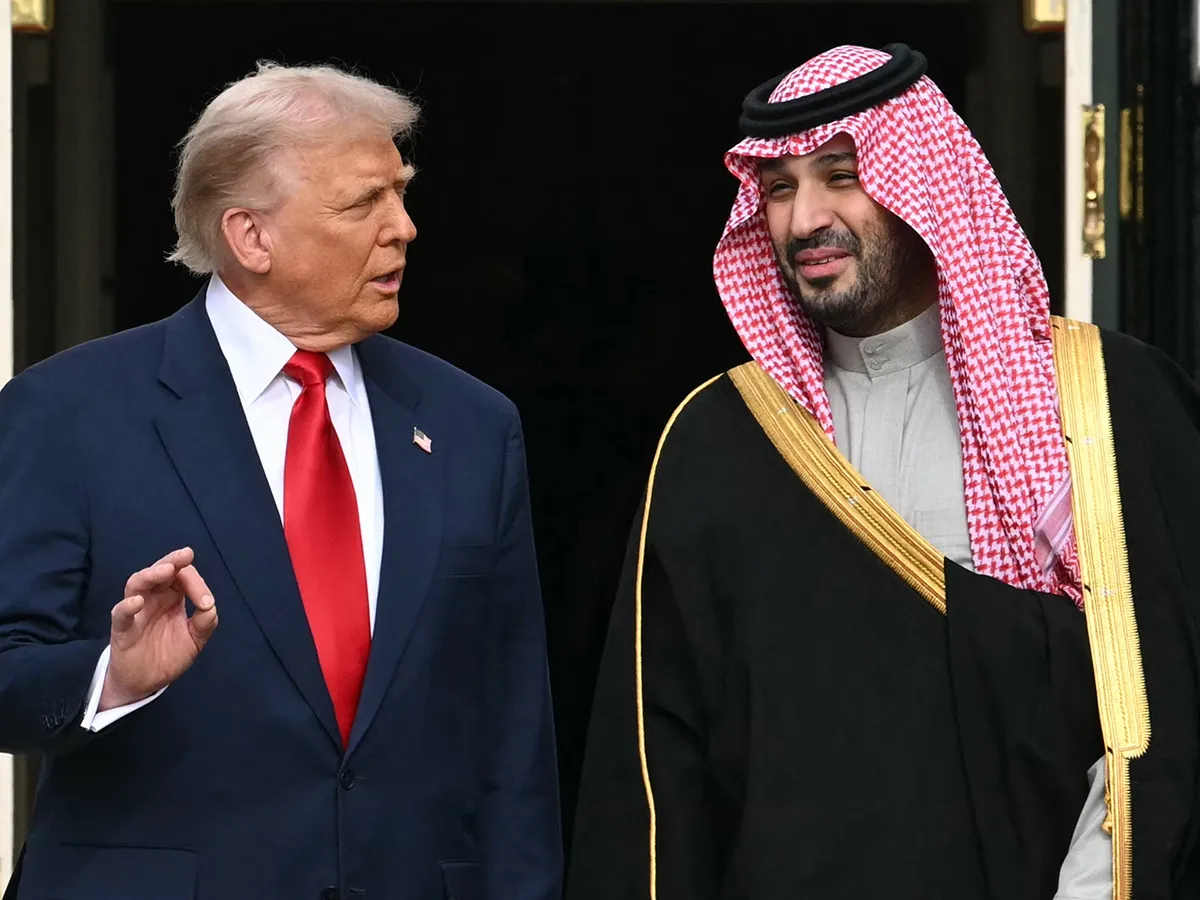
The US-Saudi Nuclear Deal Raises Regional Arms Race Risks
Providing Saudi Arabia with access to enrichment technology — even under “black-box” conditions denying Saudi personnel access — will likely spur similar demands for enrichment or plutonium reprocessing capabilities from Turkey, Egypt, and possibly Qatar and Oman, or lead them to seek the technology independently or from foreign sources. A U.S. plant would also risk Saudi espionage or seizure, potentially forcing a future president to destroy it. The lack of an AP raises the risk of the Saudis building undeclared facilities capable of evading IAEA detection.
The UAE, which accepted a “gold standard” of forgoing enrichment and reprocessing in its own U.S. 123 agreement in 2009, retains the right to revisit that deal if the United States offers such technology elsewhere in the region. The Trump administration also hopes to reach a long-term deal with Iran under which Tehran agrees to forgo enrichment and reprocessing — an effort made far more difficult if Riyadh is granted enrichment rights.
The US-Saudi Nuclear Deal and Nonproliferation Lessons
After the United States and Israel eliminated Iran’s enrichment capacity — leaving Tehran unable to enrich uranium for the first time in two decades — Washington should uphold a regional ban on new enrichment and reprocessing and preserve the gold standard. The United States already supplies substantial military and defensive aid to Saudi Arabia and can offer nuclear technology and reactors while requiring that enrichment occur in the United States, with fuel then shipped to the kingdom.
Longstanding Policy Shapes the US-Saudi Nuclear Deal
President Trump should maintain longstanding U.S. policy against proliferating nuclear fuel-making capabilities by keeping enrichment technology away from Saudi soil. If the accord advances, Congress should use its 90-day review to block it on nonproliferation grounds.