
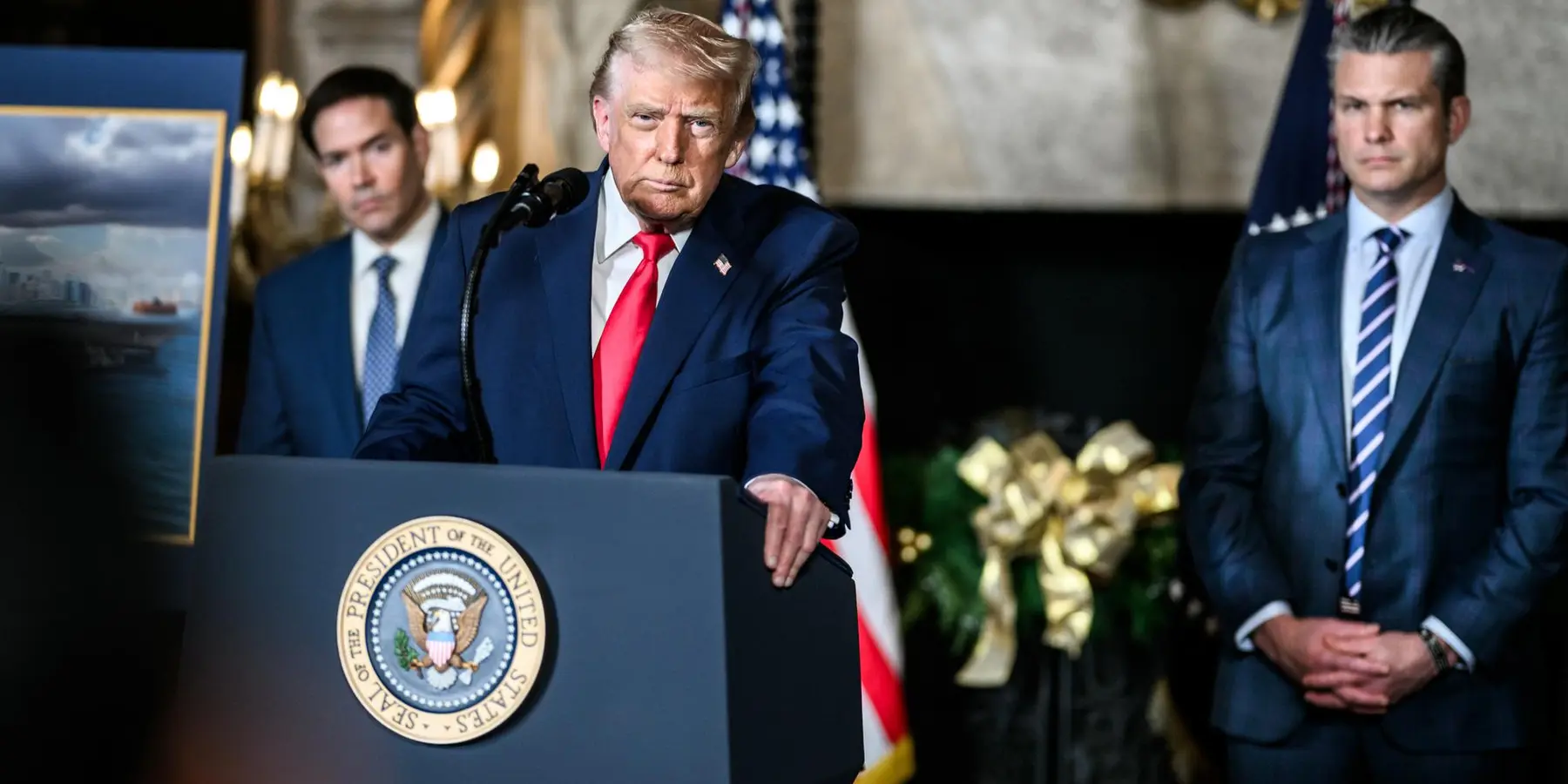
The June 17 Memorandum was engineered to collapse: Washington built a parallel Oman corridor under naval escort, abandoned frozen-asset and Lebanon provisions, and used the truce to refill oil markets and reposition naval assets before declaring the deal over and blaming Tehran.
Iran MOU Collapses as Trump Intended
As President Trump appeared to accept an end to the Iran war by agreeing to the short-lived Memorandum of Understanding (MOU) on June 17, many Republican senators were deeply alarmed. Sen. Bill Cassidy (R-La.) openly trashed the agreement, warning Ronald Reagan was “rolling over in his grave,” before getting into a war of words with President Donald Trump over the administration’s strategy.
Yet opposition to the MOU with Iran abruptly softened. Cassidy received a briefing from Vice President JD Vance and Trump’s envoy Steve Witkoff that convinced him to flip his votes on future war powers resolutions on Iran. He suggested afterwards that the administration had a “plausible plan” to accomplish many of the war’s original goals to destroy or degrade Iran’s nuclear program, ballistic missiles and conventional warfare capabilities.
Why Republicans Suddenly Fell in Line
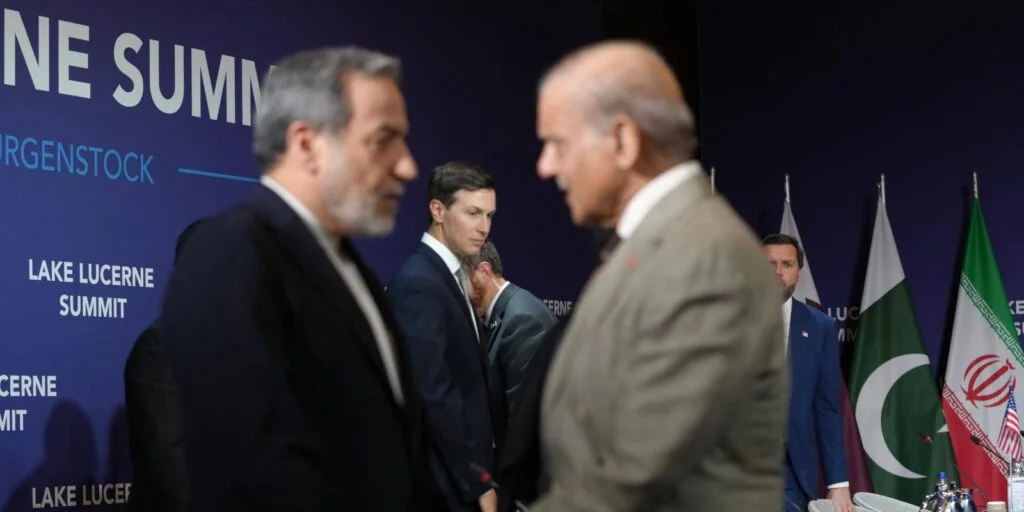
While it is possible that Trump and his team whipped Cassidy and his colleagues into line, it is more likely that they let them in on the secret: this agreement wasn’t intended to last long. Public evidence strongly suggests Trump signed the MOU not to end the war but to erode Iran’s leverage over the Strait of Hormuz and better position the U.S. for future rounds of the war.
Oman Corridor Undercuts Tehran’s Claim
Outside of the administration’s maritime moves, there are other indications that the Trump administration never intended to follow through on the MOU. Far from supporting a Lebanon ceasefire, Secretary of State and National Security Adviser Marco Rubio moved immediately to undermine it by announcing a separate trilateral agreement that centered around the disarmament of Hezbollah. This side deal gave Israel a justification for continuing its occupation of southern Lebanon and destroying dozens of villages in the areas it controls.
Lebanon Deal and Frozen Assets Betrayed
Moreover, while the MOU obligated the U.S. to give Iran access to its foreign assets that had been frozen by U.S. sanctions, administration officials quickly downplayed this commitment, stating, “None of this money is ever going to touch Iran,” and suggesting that it would be allowed for humanitarian purchases only, reflecting similar Biden-era commitments that were also reneged on.
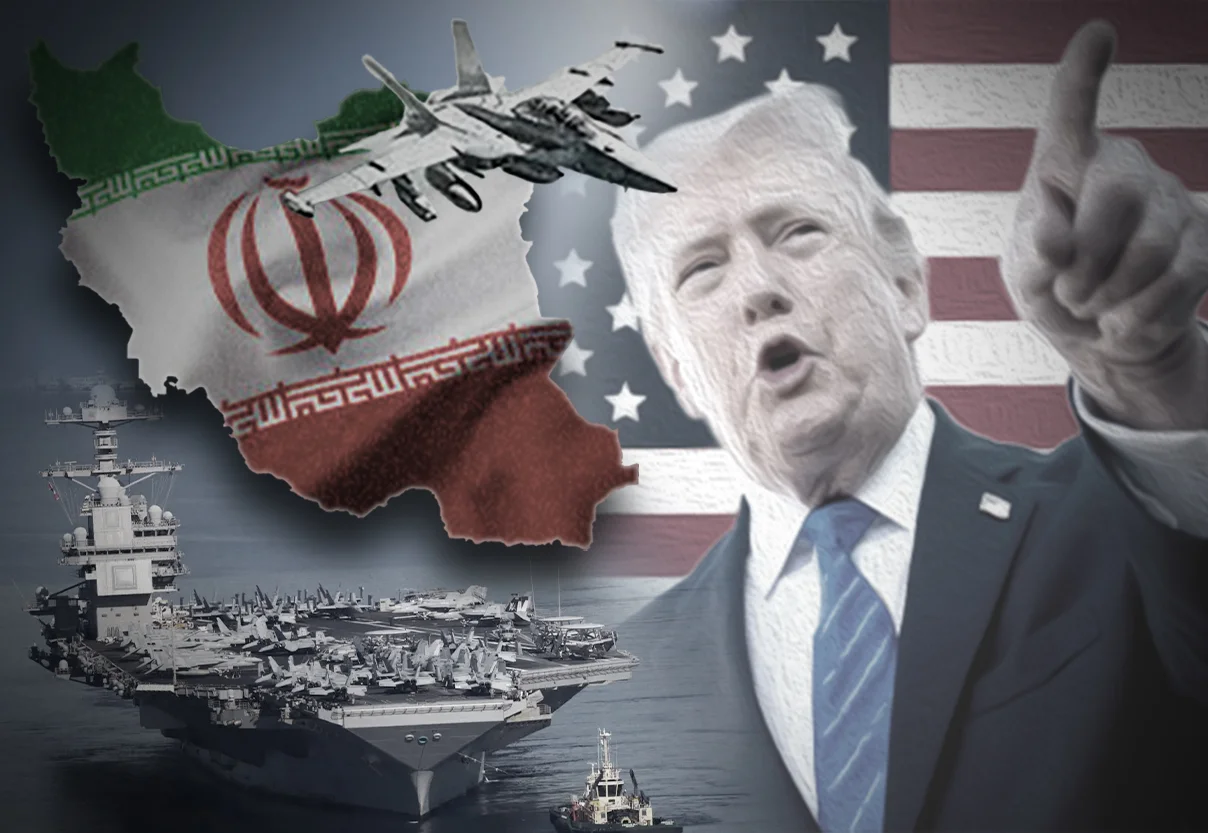
Yet it was events in the Strait of Hormuz that precipitated the collapse of the agreement. While Iran interpreted the MOU as solidifying its control of the Strait of Hormuz and its authority over future traffic flows through the vital energy chokepoint, Washington immediately moved to accelerate earlier efforts to establish a separate Omani transit corridor outside of Iran’s oversight and control.
A June 18 advisory from the Combined Maritime Force’s Joint Maritime Information Center, released immediately after the MOU was signed, directed commercial ships to communicate with a U.S. Navy contact on how to transit safely. Likewise, on June 23, the Financial Times reported “the US and some western insurers are advising ships to follow a route protected by US air cover on the Omani side of the strait, according to three shipping executives, leaving shipowners unsure of which path to take.”
An administration official touting the apparent success of the corridor on August 19 told Axios, “We have been controlling the southern lane of the Strait of Hormuz for two months now,” corresponding almost exactly to the signing of the MOU on June 17.
Why the Oman Route Mattered
Vance articulated just how central energy flows were to the administration’s thinking on the MOU in late June, saying “What the president has told us to do is use this MOU to sort of refill the world’s oil economy, to refill some stocks, and then to see where the hand is.” He continued, saying the president was “taking a lot of pressure off the world economy…while not giving up a single one of his gains and while preserving a lot of optionality.”
On the Omani route, tankers have coordinated closely with the U.S. Navy, following a path within a mile of the Omani coastline and running without lights, radio or phone. The role of U.S. armed forces in trying to secure the route appears extensive; U.S. aircraft are operating along the route with a mission of intercepting Iranian missiles and drones. Despite this, vessels are regularly struck in transit. One report from Trey Yingst of Fox News indicates that individuals aboard a U.S.-contracted vessel near the Strait of Hormuz in mid-September sustained minor injuries when it was struck by projectiles, including a missile, and that “U.S. personnel” were onboard.
Ever Lovely Strike Exposes the Contradiction
Iran appears to have viewed the operation as a plan to erode Iranian leverage over Hormuz. On June 25, the Singapore-flagged Ever Lovely came under fire off the coast of Oman. The Islamic Revolutionary Guard Corps (IRGC) Navy issued a statement warning that ships should coordinate with Iranian authorities and describing any routes announced without Iran’s approval as “unacceptable” and “extremely dangerous.”
CENTCOM retaliated militarily against sites along the Iranian coast a day later, claiming Iran had violated the ceasefire with its initial strike on the Ever Lovely. The U.S. strikes also violated the MOU’s first clause “to refrain from the threat or use of force against each other.” Neither the U.S. nor Iran made use of the dispute resolution mechanism in the deal.
In a letter to the United Nations, Iran said the MOU “explicitly affirms the Islamic Republic of Iran’s responsibility for determining the arrangements for the safe passage of vessels through the Strait of Hormuz. In clear contravention of this provision, the United States has unilaterally challenged this arrangement and has sought to impose a parallel maritime route.”
Washington Declares Victory, Iran Recalls the Lesson
The strikes and retaliation on June 25 would repeat in the days that followed. On July 7, the U.S. accused Iran of attacking three commercial vessels in a period of 24 hours, and retaliated with strikes on 80 targets across southern Iran that coincided with the national funeral services for Iran’s late Supreme Leader Ali Khamenei. The U.S. launched an additional 90 strikes on July 8, causing 14 fatalities and 78 injuries across the two days per Iran’s Health Ministry. Iran retaliated as well with missile and drone attacks against U.S. bases across the region.
Afterwards, President Trump declared the memorandum “over,” calling the Iranians “scum” and “sick people.” On July 11, CENTCOM announced renewed strikes against Iran following a strike on another commercial vessel and claimed to have “helped facilitate the successful transit of more than 800 commercial vessels and 400 million barrels of crude oil through the Strait of Hormuz” since early May. U.S. forces both reimposed the blockade of Iranian ports and engaged in thirteen consecutive nights of attacks against Iran, sparking further Iranian strikes in response.
Iran MOU Leaves a Trust Deficit
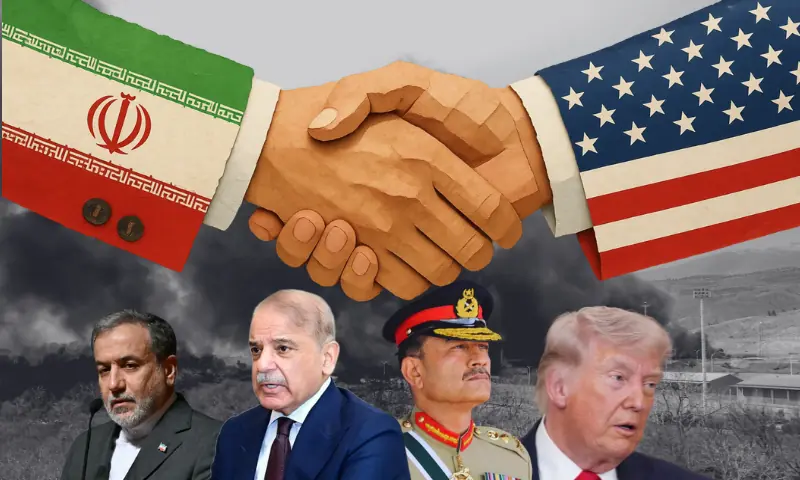
While the MOU could have been a serious foundation for an end to the war, it has become yet another episode of U.S.-Iran diplomacy that has eroded confidence in Tehran that Washington can ever be trusted.
It is, of course, difficult to clearly establish Trump’s intent regarding the MOU. One might argue that, even if Trump didn’t intend to follow the MOU to the letter, he hoped that he could use it as a starting point to end the war through force of will. But that doesn’t explain why hawkish Republicans came around on the MOU, nor does it offer a satisfying rationale for Trump’s immediate rejection of key aspects of the deal. These facts suggest instead that the U.S. saw the MOU as little more than a stalling mechanism to erode Iran’s position without a full-scale military assault.
This gambit appears to have backfired. Now, the president is stuck with hollow boasts that he controls the Strait of Hormuz — a claim belied by accelerating Iranian attacks on shipping in Hormuz, looming risks of another major round of war and a major trust deficit fueled by apparent bad faith regarding the MOU.