
Following the collapse of the Islamabad memorandum, Washington faces renewed tension with Tehran over maritime transit in the Strait of Hormuz and non-compliance at Pickaxe Mountain. A three-part policy focused on explicit suspension, IAEA access, and targeted incentives offers a pragmatic path.
The sudden breakdown of the Islamabad memorandum leaves Washington and Tehran locked in an escalating security crisis without a clear path forward. With commercial shipping threatened in the Strait of Hormuz and enriched material moving to underground sites, US-Iran nuclear diplomacy has ground to a complete halt. Rebuilding a credible deterrent while keeping channels open will require immediate tactical adjustments, yet US-Iran nuclear diplomacy remains the only realistic mechanism to prevent a broader regional conflict.
US-Iran nuclear diplomacy faces collapse
With the resumption of hostilities this month, the US-Iran Islamabad Memorandum of Understanding (MoU) is now dead for all intents and purposes. And resumption of formal negotiations is not yet on the horizon. But when serious negotiations eventually take place, they will have to confront a slew of contentious issues among which two will dominate: navigation through the Strait of Hormuz and Iran’s nuclear program. Hormuz issues are bound to take precedence due to the ripple effects of shipping arrangements there on the global economy and their knock-on impact on freedom of navigation elsewhere. Recall that even according to the ill-fated agreed memorandum, Iran was only bound to refrain for 60 days from imposing formal passage requirements through the strait.
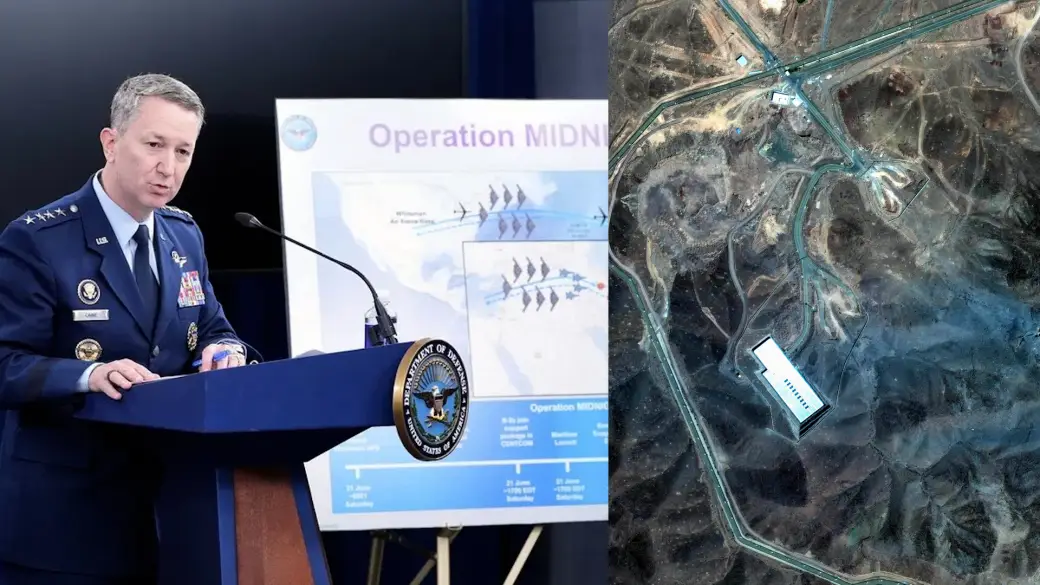
Yet a quick diplomatic breakthrough, even in the Strait of Hormuz, is not in the cards. As the United States has learned the hard way over the years, negotiations with Iran on any issue are always torturous and prolonged due to Iran’s negotiating style and highly divisive internal regime politics. And present conditions are even less conducive to swift progress. The issues are more complex and intertwined; trust between the parties is shattered, and Iran’s decision-makers—feeling empowered by the war’s outcome—insist on uncompromising positions and stiff demands for large upfront payoffs.
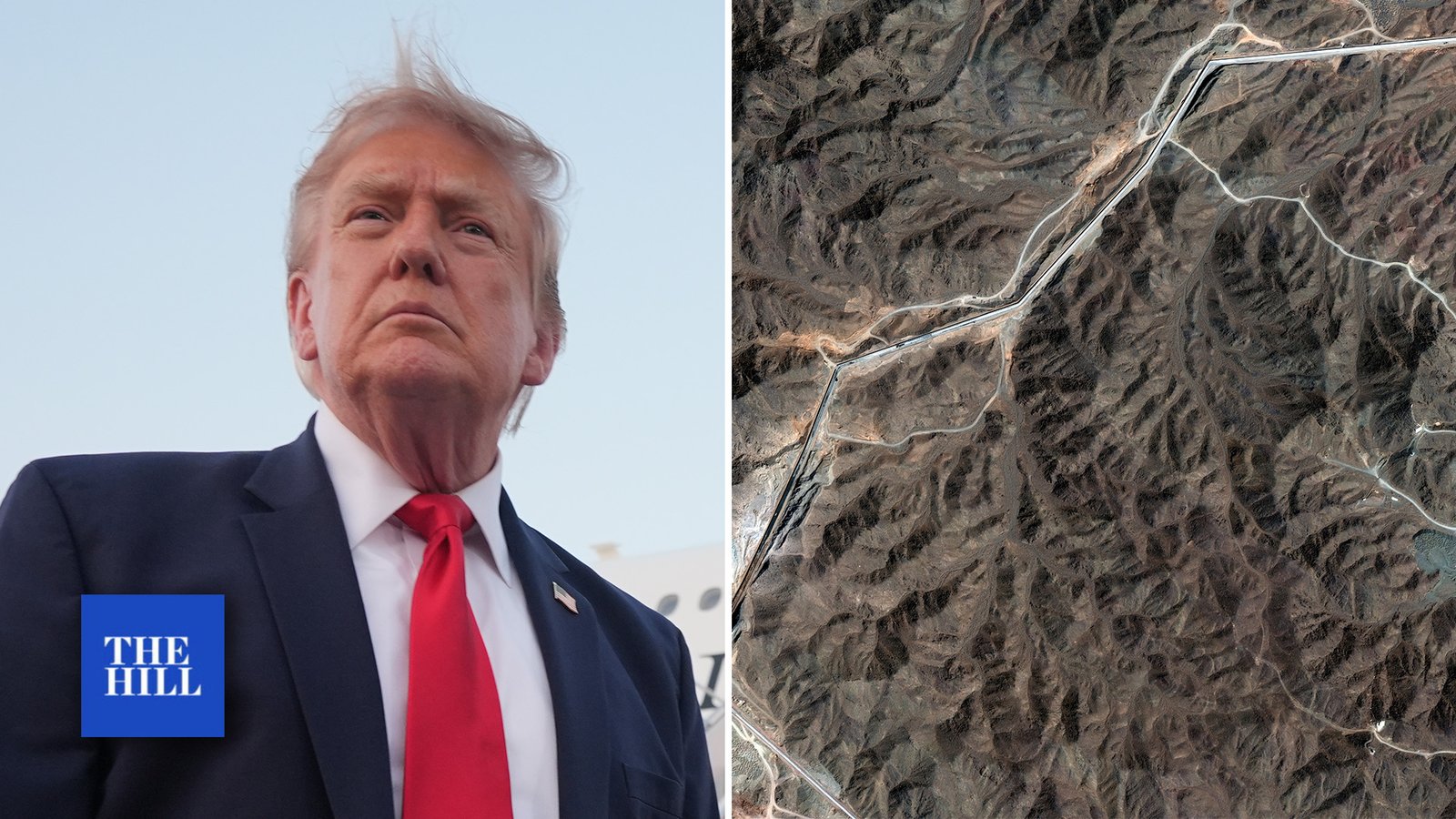
At the same time, US economic and military leverage has diminished. President Donald Trump’s oft-repeated threats of military escalation ring increasingly hollow. And the contours of the just-announced US-Saudi nuclear deal are bound to make Iranian compromises on enrichment even less likely.
Assessing US-Iran nuclear diplomacy today
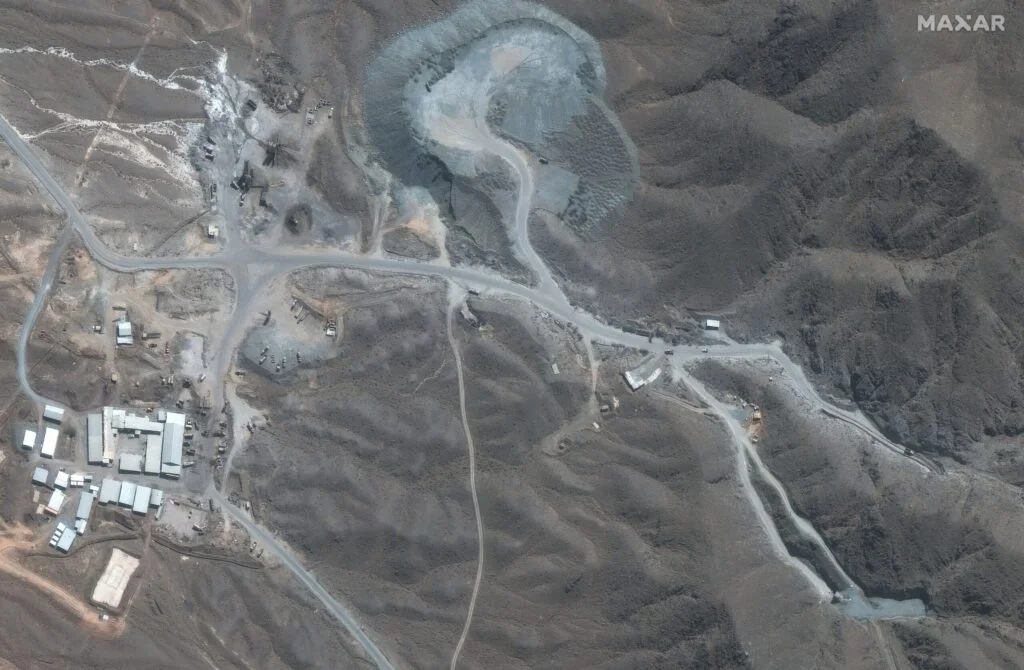
It therefore seems pretty much inevitable that the Iranian nuclear file will remain disconcerting but unsettled for a long time to come. Notwithstanding its great potential for cascading strategic effects over the longer term. And ominous early signs that the semblance of nuclear stability that has prevailed since June 2025 is beginning to unravel. While Iran was committed under the Islamabad understandings to refrain from changing the nuclear status quo, it has already begun to salvage and rebuild some damaged assets and facilities and apparently also to move significant nuclear assets to its hard-to-destroy Pickaxe Mountain.
Similarly, Tehran is dragging its feet in honoring its unequivocal commitment, allowing the International Atomic Energy Agency (IAEA) to re-engage in comprehensive on-site monitoring of its nuclear program while facilitating access only to the least important facilities.
Restoring US-Iran nuclear diplomacy
Consequently, the United States now faces a critical challenge. How to prevent a nuclear slippery slope without diverting attention from the focus on Hormuz or requiring either a full-scale military operation or painstaking, endless negotiations. The key seems to lie in following a straightforward, relatively simple-to-use nuclear compass, consisting of three mutually reinforcing legs that bear nuclear stability.
The first leg, already nominally codified in the recent Islamabad MoU, points toward making the scope of the suspension requirement much more explicit, ie that Iran suspend all nuclear-weapons-relevant activities. Thus, all that is essential here is to ascertain that Iran internalizes that the scope of the suspension must be comprehensive and cover all paths potentially leading to nuclear weapons: fissile material production, uranium enrichment, restoration of enrichment facilities and commissioning of new ones, centrifuge production, and nuclear weapons design work.
US-Iran nuclear diplomacy requires verification
The second leg underscores the importance of facilitating IAEA safeguards activity to resume forthwith over Iran’s entire fissile material activity and engage in complementary analytic effort to identify any nuclear weapons-related work. Iran is already legally bound to allow the IAEA to conduct such activities and has even stated that it has committed to doing so under the MoU. But it has long unilaterally restricted IAEA access, obfuscated information sharing, and, since June 2025, has outright denied IAEA access to the most sensitive facilities germane to its nuclear threshold aspirations. Exclusive reliance on intelligence collection on Iran’s program, in the absence of the IAEA, is inherently insufficient and contentious.
The third leg directs the United States to make clear, partially as an extension of the most recent MoU, that assuming Iran abides by the first two elements, the United States will not only refrain from attacking (and facilitating attacks on) Iran’s nuclear program but also potentially accommodate Iranian desire to restart some elements of its nuclear program. Provided these (as in the Saudi case) are peaceful, subject to a prior bilateral understanding with the United States, and accompanied by measures to reassure their strictly peaceful purpose.
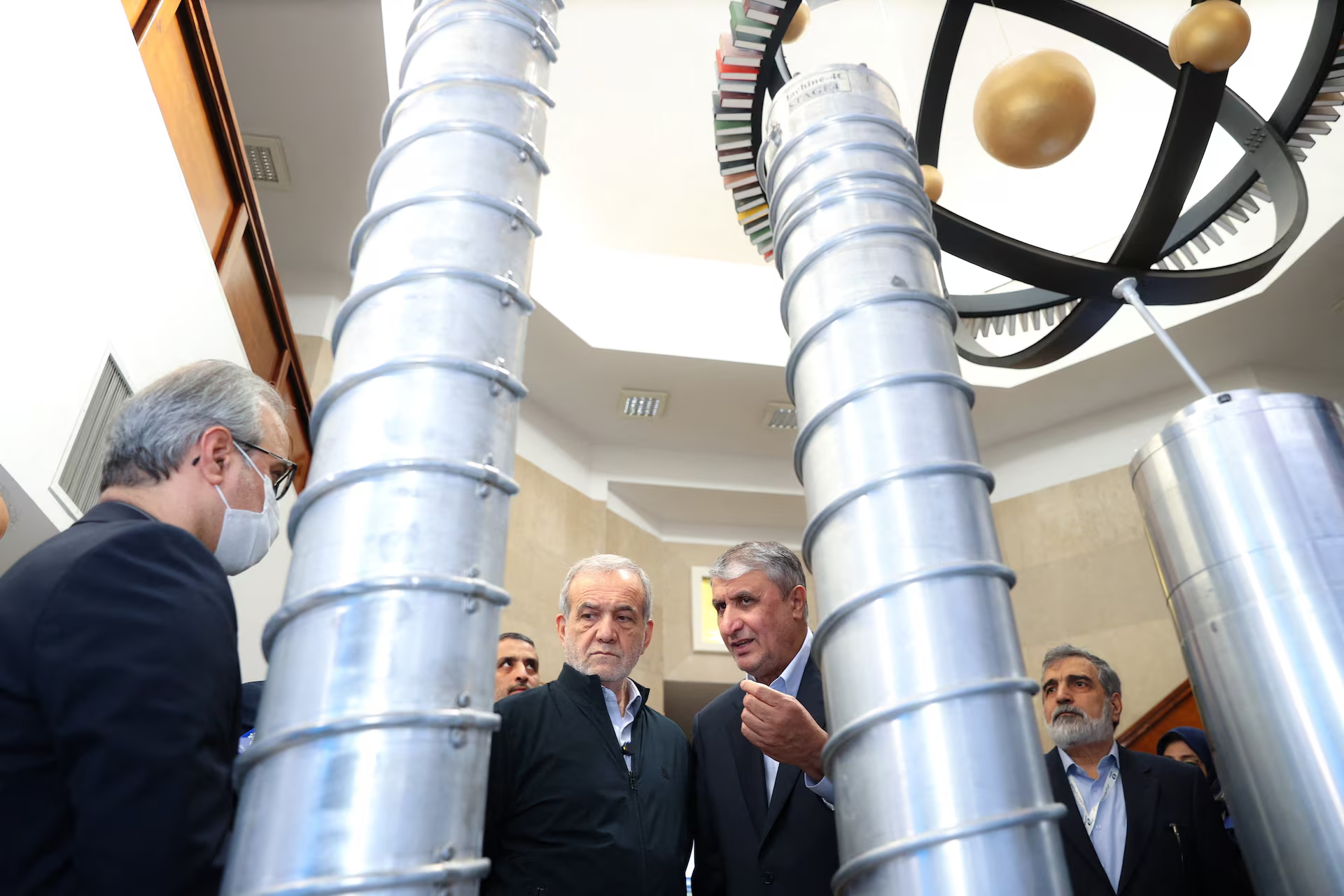
Refining US-Iran nuclear diplomacy strategy
Obviously, this package ought to go hand in hand with reaffirmation of the US determination to prevent Iran from acquiring nuclear weapons and resist, and if necessary, punish unilateral Iranian moves alarming the changing the nuclear status quo, no less than it is determined to do so over the Strait of Hormuz. Thereby easing the pressure to negotiate a nuclear deal now or leaving it vulnerable to the difficulties of protracted negotiations.
Many would consider such a package inferior to the terms of the late and lamented Joint Comprehensive Plan of Action (JCPOA), a six-party nuclear agreement negotiated by the Obama administration. Narrowly viewed, this criticism is not without merit. But verifiably freezing the Iranian program and barring meaningful unilateral activity post the military damage it endured in 2025 would nevertheless constitute a significant achievement. Critically, this would not only free negotiators to focus on critical and time-sensitive issues, such as freedom of navigation, but also spare the need to engage now in lengthy, painstaking negotiations and to contemplate domestically controversial concessions.