
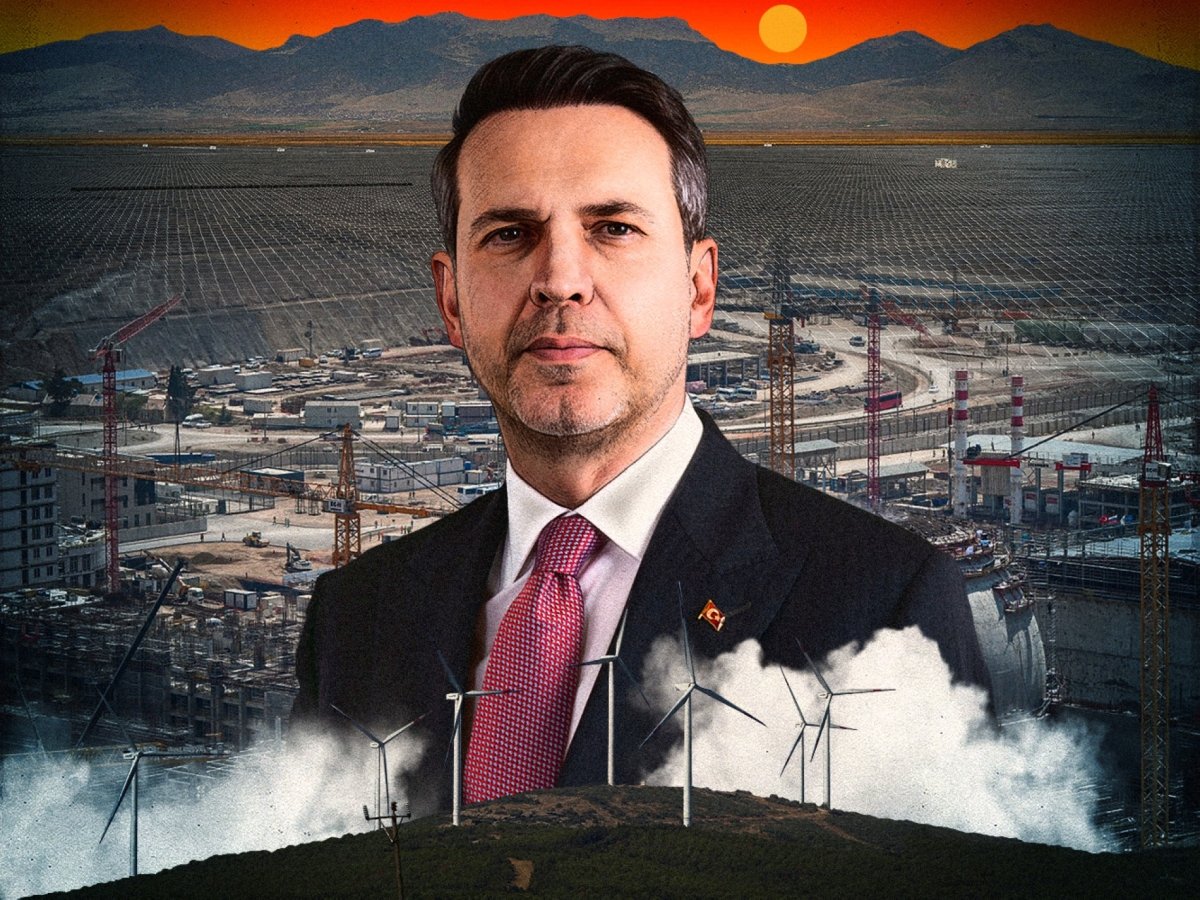
Turkey’s energy security strategy treats diversification as a strategic necessity, pairing renewables, efficiency, natural gas, nuclear, and critical minerals with regional interconnection to reduce dependence on any single supplier, route, or resource.
Turkey energy security faces new uncertainty
Increasing geopolitical uncertainty, rising demand driven in part by new unconventional sources such as artificial intelligence, technological transformation, and the need to address climate change are reshaping the energy landscape. In this environment, energy security is no longer simply about securing sufficient supplies. It is about building resilient systems, diversifying resources, strengthening regional partnerships, and ensuring that energy remains a foundation for economic growth and prosperity.
For Turkey and our partners, these priorities are deeply interconnected. Our region sits at the crossroads of major energy-producing nations, growing consumer markets, and strategic trade routes. Developments in the Gulf, supply chain disruptions, and broader geopolitical tensions remind us that energy markets are global and that instability in one part of the system can have consequences far beyond its immediate borders.
This is why solidarity, dialogue and cooperation matter more today. Turkey supports regional stability and welfare, as well as the security of our partners, including the Kingdom of Saudi Arabia. Constructive engagement among nations, backed by strong political will, is essential to navigate uncertainty and safeguard the foundations of shared prosperity.
Since 2020, the world has faced a series of profound challenges: the covid-19 pandemic, the Russia–Ukraine war, supply-chain disruptions, inflationary pressures, and highly volatile energy prices. More recently, tensions in the Gulf and across the wider Middle East have again underscored energy markets’ vulnerability to geopolitical shocks.
Fundamental lesson
These developments have reinforced a fundamental lesson. Energy underpins industrial production, trade, transportation and the everyday lives of our citizens. When energy supplies become unreliable or unaffordable, the effects ripple through the economy.
Yet energy security and the transition to a lower-carbon future should not be treated as competing objectives. The task before us is to develop coherent policies that strengthen supply security while advancing decarbonisation. This requires a pragmatic, balanced approach that recognises the role of different energy sources, the needs of national economies and the importance of long-term investment.
In Saudi Arabia, this challenge also presents an opportunity. Regional cooperation can strengthen supply resilience, unlock investment, expand infrastructure, and connect energy producers with rapidly growing markets. By working together, countries can turn common but differentiated challenges into a foundation for greater stability and economic opportunity.
Our energy partnership with the Kingdom of Saudi Arabia illustrates the potential of regional cooperation in practice. The intergovernmental agreement signed in February 2026, covering the development of up to 5,000 megawatts of solar and wind power capacity in Turkey , marks an important step toward strengthening bilateral investment and advancing our shared energy priorities. Beyond renewable generation, we see significant opportunities to deepen cooperation in electricity interconnection, energy storage, grid resilience, energy efficiency and emerging technologies such as clean hydrogen.
By combining Saudi Arabia’s investment capacity with Turkey’s industrial capabilities and strategic position, we can create lasting value for both countries and contribute to a more secure, diversified, and sustainable energy future for the wider region.
Energy strategy
Turkey’s energy strategy is shaped by three fundamental realities. Our response must address all three together: meeting rising demand, reducing external vulnerabilities, and progressing toward a lower-carbon economy.
Turkey is building a novel energy architecture centred on electrification, driven by further diversification, enhanced domestic capacity, and deep technological development. No single source or technology can meet all requirements. A resilient energy system must draw on a balanced portfolio of resources while remaining adaptable to changing economic and geopolitical conditions.
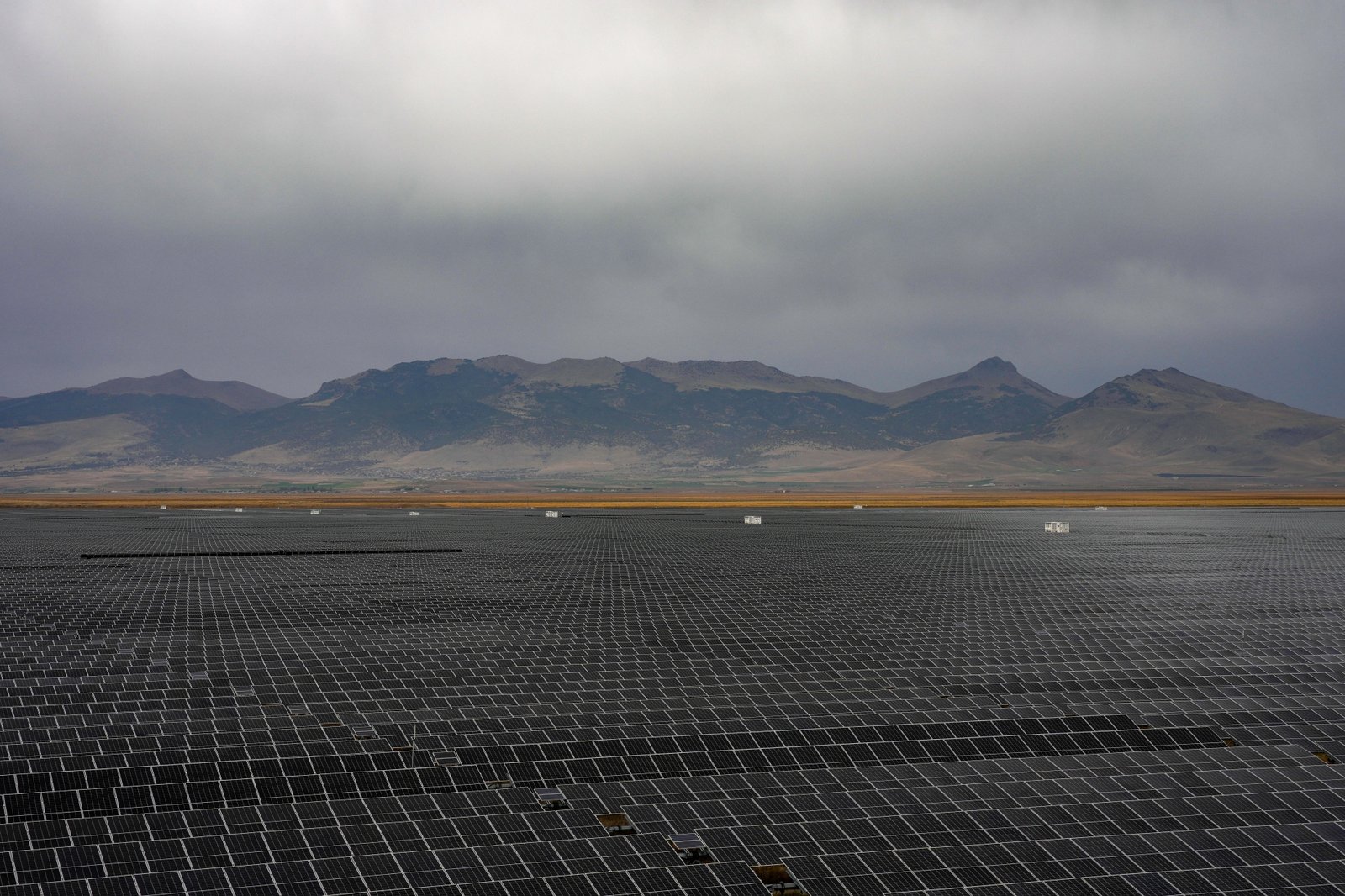
Renewable energy is essential to this new approach. We are continuing to expand Turkey’s installed capacity of solar, wind, offshore wind, and geothermal energy. Turkey has significant potential across these resources, and their development can strengthen domestic supply, reduce exposure to imported fuels, and support our decarbonisation objectives.
Energy efficiency is another major priority. There remains considerable potential to improve how energy is produced, distributed, and consumed across Turkey. Opportunities extend well beyond the energy sector, encompassing buildings, transportation, agriculture, and industry. Improving efficiency can reduce costs, ease pressure on infrastructure, and lower emissions while supporting competitiveness.
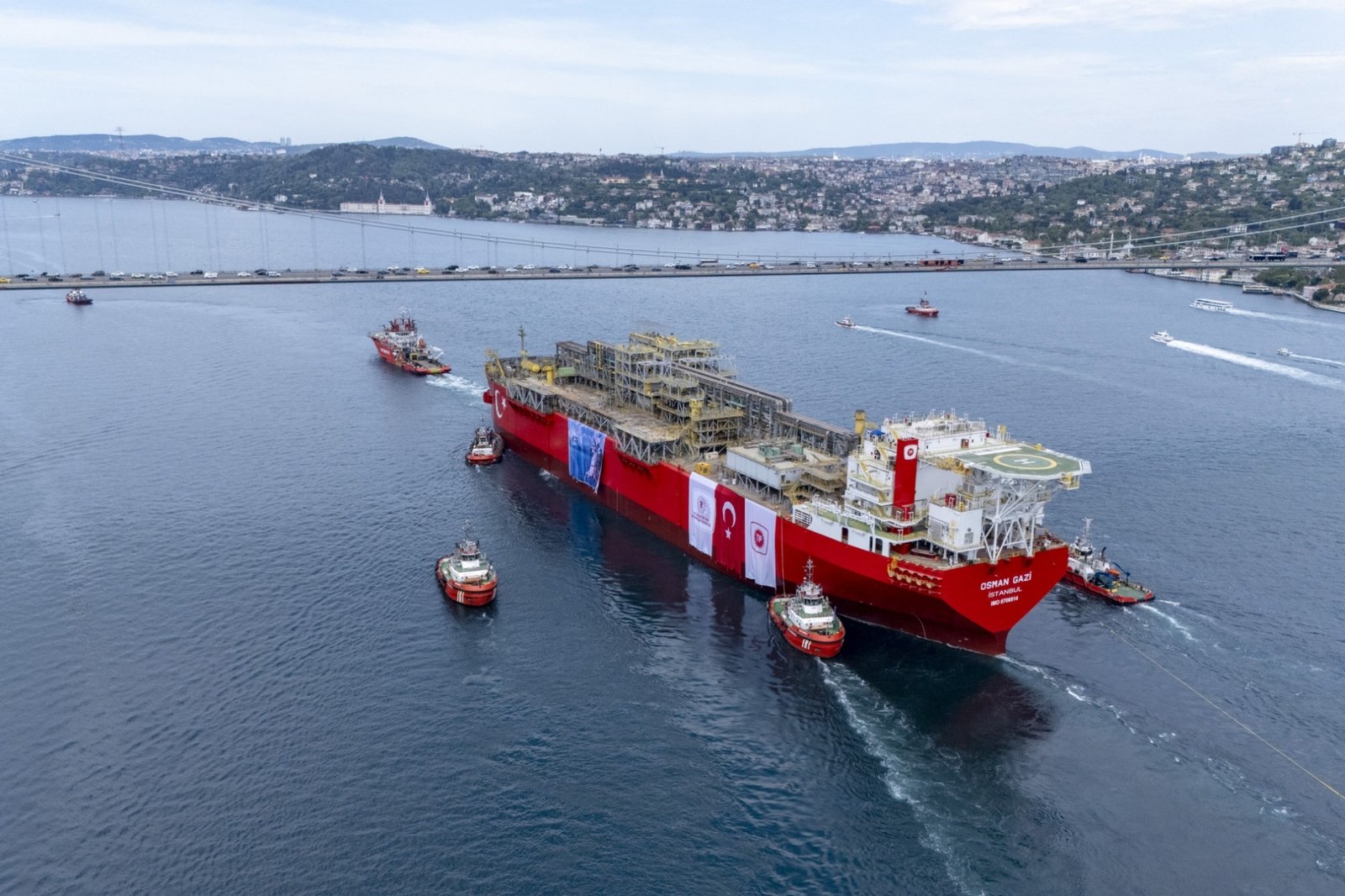
Natural gas will remain important to our energy security during the transition. We are investing across the energy value chain, from upstream exploration and production to midstream infrastructure, underground storage and regasification capacity. Our offshore operations, both in Turkey and internationally, support our broader effort to strengthen supply security and diversify our sources.
At the same time, global competition for energy resources and the challenges of securing reliable supplies underscore the importance of reducing excessive dependence on any single supplier, route or resource. Diversification is not merely an economic consideration; it is a strategic necessity.
Nuclear energy will also play a significant role in our long-term energy mix. Nuclear power can provide reliable, low-carbon electricity and complement intermittent renewables for power generation. Turkey aims to reach 20 gigawatts of nuclear power generation capacity by 2050, helping us meet growing electricity demand while advancing our carbon-neutrality ambitions.
Need for modernisation
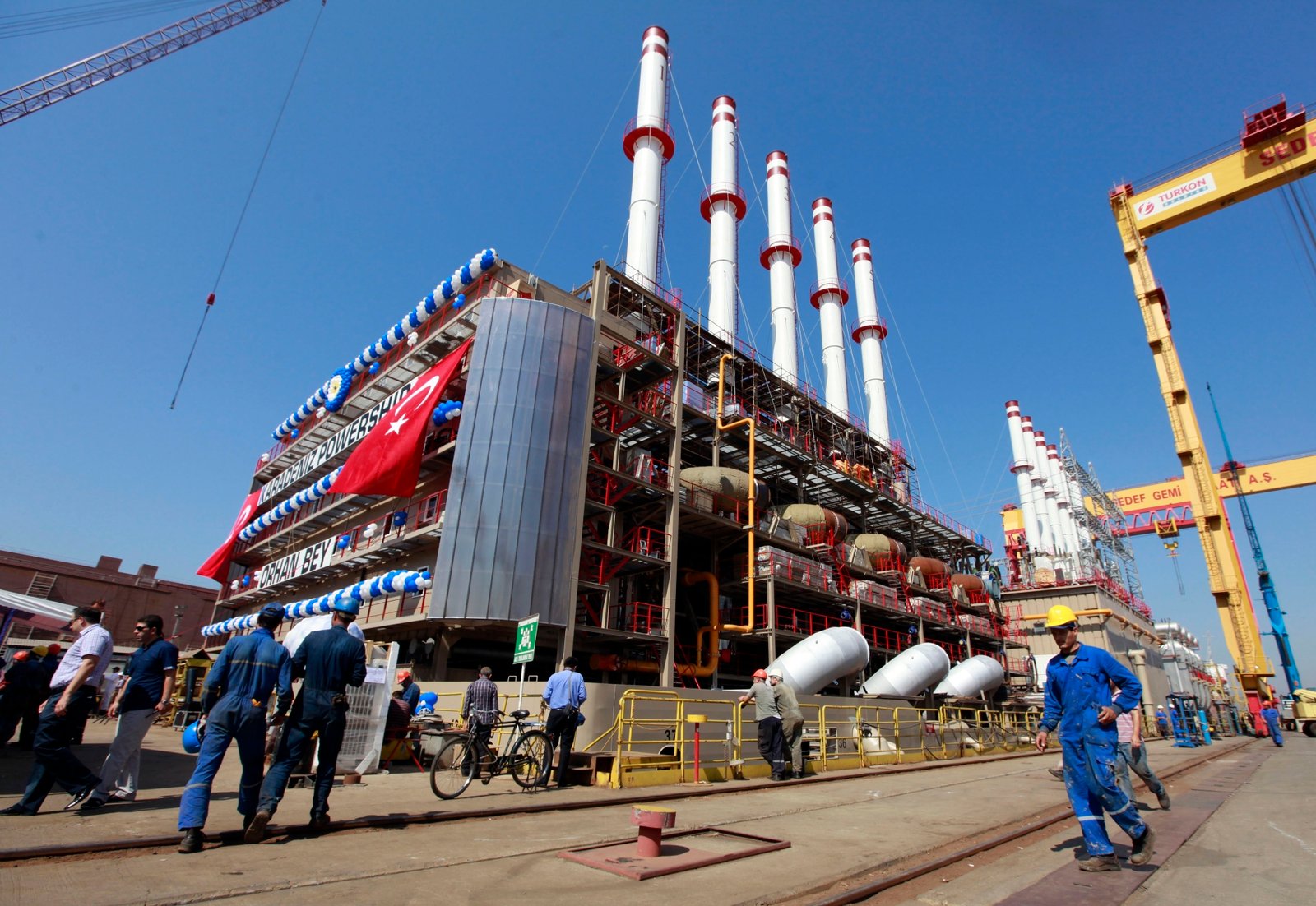
Ageing energy infrastructure and power-generation assets make the modernisation of our systems increasingly urgent. Our response must be forward-looking: replace and upgrade existing capacity, invest in cleaner technologies, and ensure the energy system can meet the needs of future generations.
Critical minerals represent another strategic pillar. The energy transition depends on secure, diversified access to the minerals and materials required for electricity networks, renewable technologies, batteries and other advanced systems. Without effective mineral strategies, resilient supply chains, and appropriate investment, the transition’s pace and security could be constrained. Turkey is therefore pursuing opportunities to develop its mineral resources and strengthen cooperation beyond its borders.
Together, these priorities reflect a simple principle: energy security requires a broad and flexible portfolio, supported by infrastructure, technology, efficiency and long-term planning.
Turkey energy security needs regional connectivity
For Turkey and its neighbours, the case for stronger energy connectivity is compelling. Our geographical position offers opportunities to link energy-producing countries with regional and international markets, create additional options for consumers, and strengthen supply diversification.
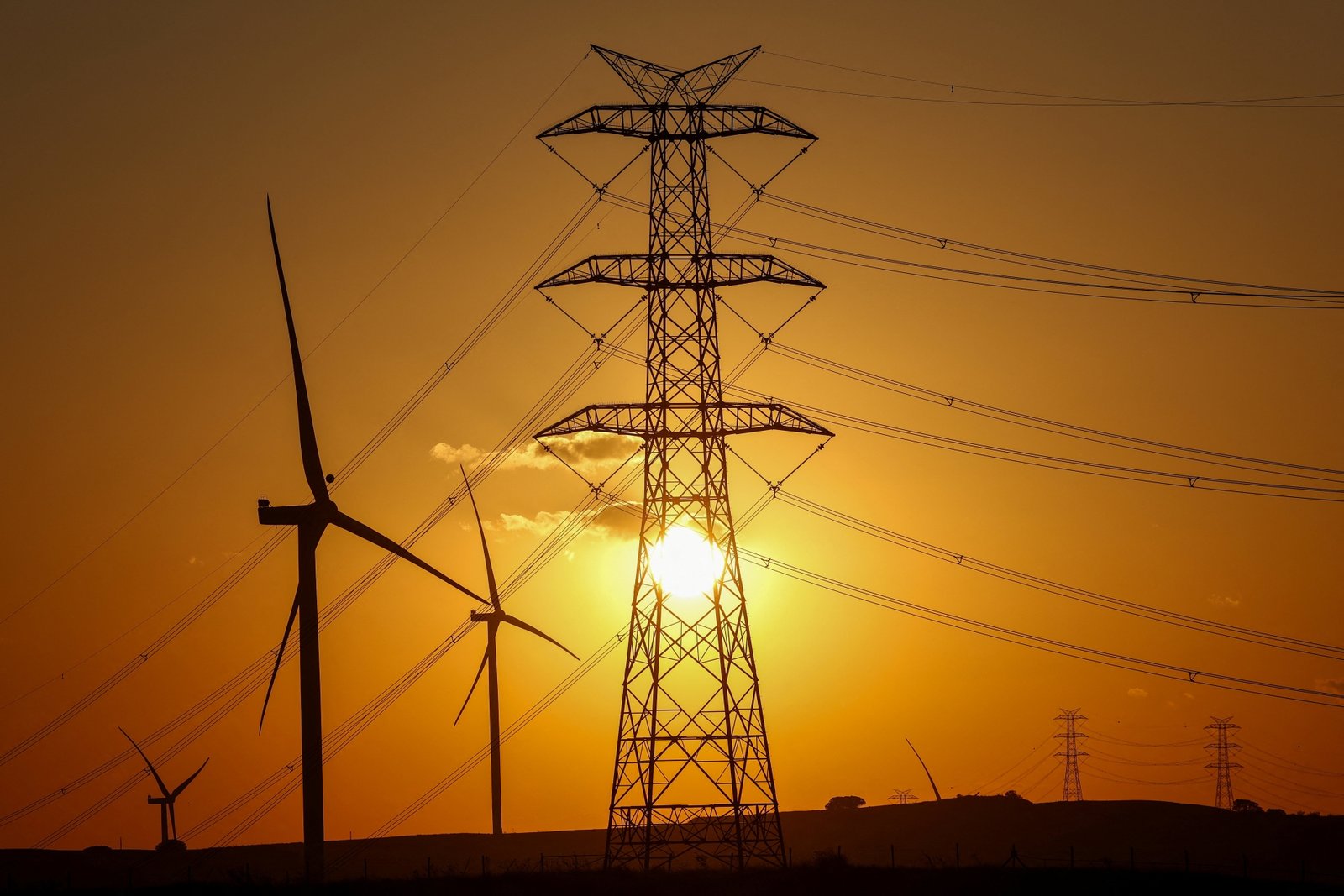
Interconnections can support diversification, improve the use of existing infrastructure, and enable countries to respond more effectively to changes in supply and demand. This applies to electricity grids as well as to natural gas and oil infrastructure.
Seeking cooperation
Turkey is working to expand and deepen regional energy cooperation and to strengthen interconnection capacities across the region. Cross-border energy infrastructure can support economic recovery, balance seasonal demand, facilitate trade, and create new investment opportunities. Realising this potential requires more than engineering and financing: it depends on sustained political commitment, constructive partnerships and a shared understanding of the mutual benefits.
The Gulf region and our neighbours have considerable potential to deepen cooperation in energy production, transportation, infrastructure development and emerging technologies. By aligning national priorities where possible and strengthening practical cooperation, regional partners can improve supply security while supporting economic development.
We should view connectivity not only as a means of energy transmission or energy trade but also as a platform for building trust, strengthening interdependence, and creating long-term value. In an uncertain world, the ability to cooperate effectively is a strategic asset in itself.
Our response must therefore be comprehensive. We need diversified energy sources, stronger domestic capabilities, efficient infrastructure, reliable conventional and low-carbon generation, and deeper regional connectivity.
Complementary objectives
For Turkey , energy security, economic development and decarbonisation are complementary objectives that must be pursued together. Our investments in renewables, energy efficiency, oil and gas infrastructure, nuclear power and critical minerals reflect the scale and coverage of this task.
For our partners across the region, the opportunity is equally significant. Greater cooperation can strengthen resilience, support economic growth, and help ensure the region continues to play a constructive role in meeting the world’s evolving energy needs.
A secure energy future will depend not only on the resources we have but also on how effectively we work together. With sustained political will, long-term investment and stronger regional partnerships, we can build energy systems that are more reliable, more diversified and better prepared for the challenges ahead.