
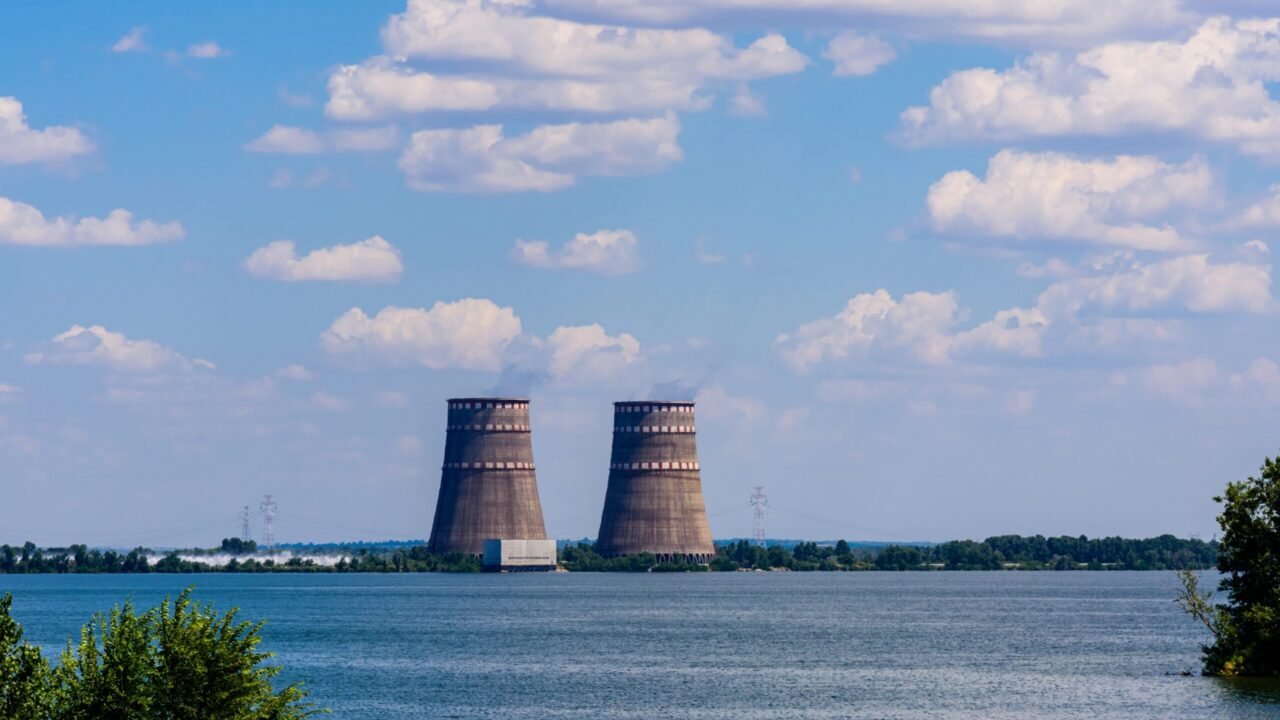
Drone strikes on the East-West pipeline and Barakah reveal that buried cores still depend on exposed surface systems. Congress should require a design basis against deliberate attack before approving American reactors for Saudi Arabia, or refuse the sale entirely.
Saudi nuclear plants face drone threats
A recent set of drone attacks on September 10 and 11 struck pumping stations along Saudi Arabia’s East-West pipeline. With the Strait of Hormuz closed, Saudi oil relied on that pipeline as its main route to market. Although most of the pipeline is buried, the drones launched from Iraq hit the portion exposed on the surface that performs the necessary pumping and control for the oil flowing underground. Consequently, Saudi Arabia shut down the pipeline.
Earlier, on May 17, a drone launched from Iraq struck an electrical generator outside the inner perimeter of the United Arab Emirates’ Barakah nuclear power station. The International Atomic Energy Agency reported that one of Barakah’s four units stayed running on emergency diesel generators after the attack and that radiation levels remained normal. The lesson is that an attacker doesn’t have to breach a strengthened containment structure to push the facility to its last line of defense.
With these two attacks kept in mind, turn now to the decisions Washington is discussing, whether to help Saudi Arabia build nuclear facilities of its own. Congress received the US-Saudi nuclear cooperation agreement on August 24. It sets up a two-year joint study of uranium enrichment in the kingdom and opens the door to American reactors. So far, this debate is focused on proliferation, and rightly so.
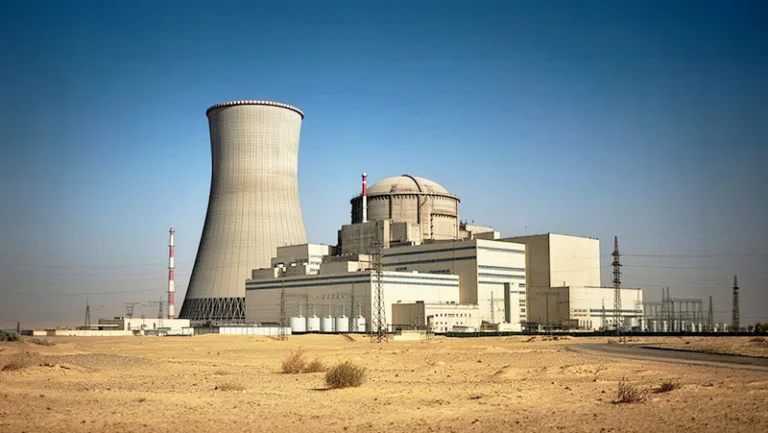
Why are nuclear plants targets?
My argument is narrower, and it doesn’t depend on anyone’s intentions. Assume Saudi Arabia wants nothing but electricity. The question remains whether these plants can survive where they would be built. No one has been asked to show that they can.
They would be targets because of what they are. An enrichment plant’s latent weapons capability is precisely what makes it worth attacking; American bombs struck Iran’s Natanzon and Fordow plants last year. A strike on an enrichment plant would release uranium hexafluoride, which forms hydrogen fluoride when it encounters water, such as water used to suppress fires. Hydrogen fluoride is a toxic gas that can carry beyond the fence of any facility.
Reactor facilities would face different consequences from a strike and fail differently. Even if the plant shuts down when struck, it must still shed decay heat for days and its spent fuel for years. Ukraine’s Zaporizhzhia plant has lost all off-site power 25 times since 2022 without ever hitting its containment. You do not have to strike a reactor to endanger it. You only have to take away what it depends on.
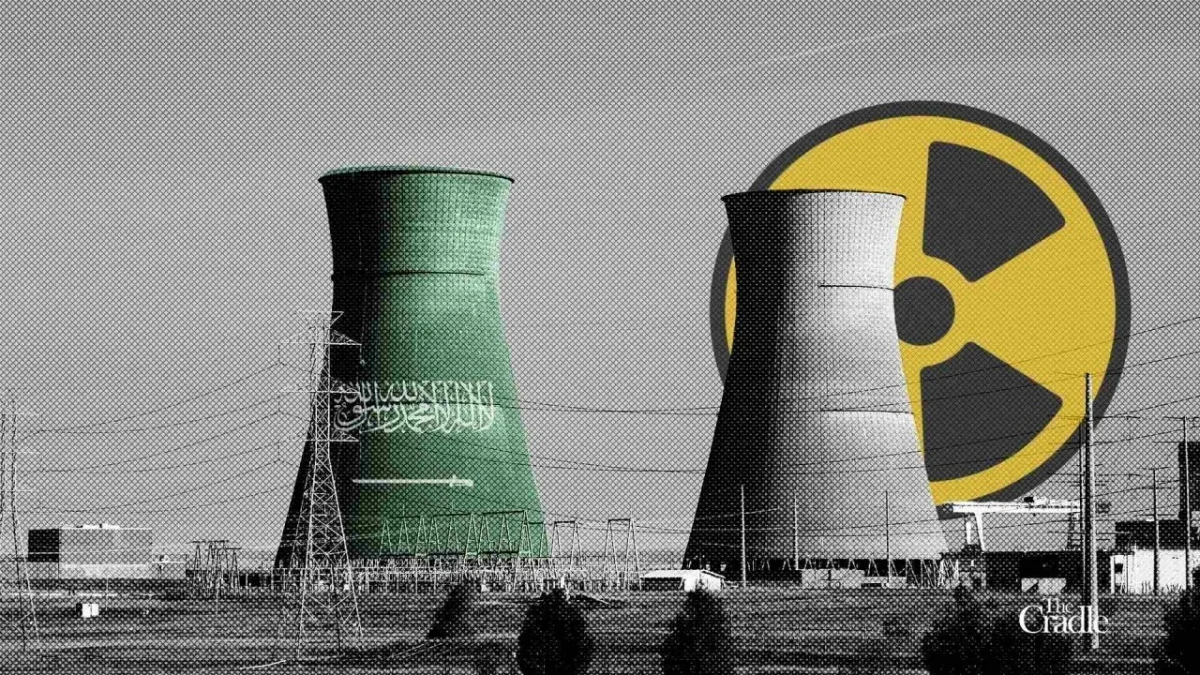
Surface systems decide a plant’s fate
Interestingly, engineers know how to protect against this. Plants can be built underground or hardened with ultra-high-performance concrete, which helps defeat the drones and missiles now crossing the region. The pipeline, however, teaches the harder lesson. Burial protects what is buried. A buried or hardened plant still breathes through the surface: its power supply, cooling water intakes, ventilation, and entrances. Attackers targeted these surface facilities at Barakah and along the pipeline. A plant designed around its core rather than its dependencies has only moved the target.
At the North American Electric Reliability Corporation (NERC), where I ran operations at the Electricity Information Sharing and Analysis Center and later served as chief security officer, I focused on securing North America’s power grid. After the 2015 and 2016 Russian cyberattacks on the Ukrainian grid, I made seven trips to Ukraine to assess the attacks on the ground, spoke directly with the operators whose grid was hit, recovered the malware myself, and briefed Ukraine’s parliament on my team’s findings. I then led efforts to make sure US grid operators fully understood those attacks and what they could do to the US and Canadian grids.
Drawing on my experience in Ukraine, I’ve been applying the design-basis methods of nuclear safety to deliberate military attacks, since those attacks are no longer off the table. The discipline is simple: decide what a facility must withstand, design for it, and show the design works before you pour concrete. After that, it will be too late to include any further modifications and far too expensive.
Saudi nuclear plants need wartime design
Congress now has the agreement before it, and it should use its review to demand discipline. Three things should be required: a design basis against deliberate attack, including drones; proof that the facility can reach and hold safe shutdown for a set period even if every surface system is lost; and an honest weighing of what that protection costs against what losing the plant would cost.
A facility that cannot meet those requirements should not be built with American technology, fuel, or financing. This test is independent of proliferation concerns. If the United States is the supplier, it will share the consequences of a toxic or radiological release on Gulf soil, whatever caused it.
The East-West pipeline was built in the open for a region at peace. The recent attacks show that it must now operate in a region at war, and protecting its surface facilities after the fact will be very costly. Any nuclear plant licensed now will run for decades. It must be designed for the region as it is, which means building deliberate military attack into its design basis from the start.