
Russian and Chinese technology neutralizes Western dominance. Moscow provides real-time intel and stealth-tracking radar. Beijing ensures jam-proof navigation and missile-saturation. The era of unquestioned US-Israeli technological supremacy is over; the battlefield is now visible to both sides.
Moscow and Beijing have transformed from diplomatic allies into technological anchors for Tehran. They recognize that a defeated Iran would leave them vulnerable to Western pressure.
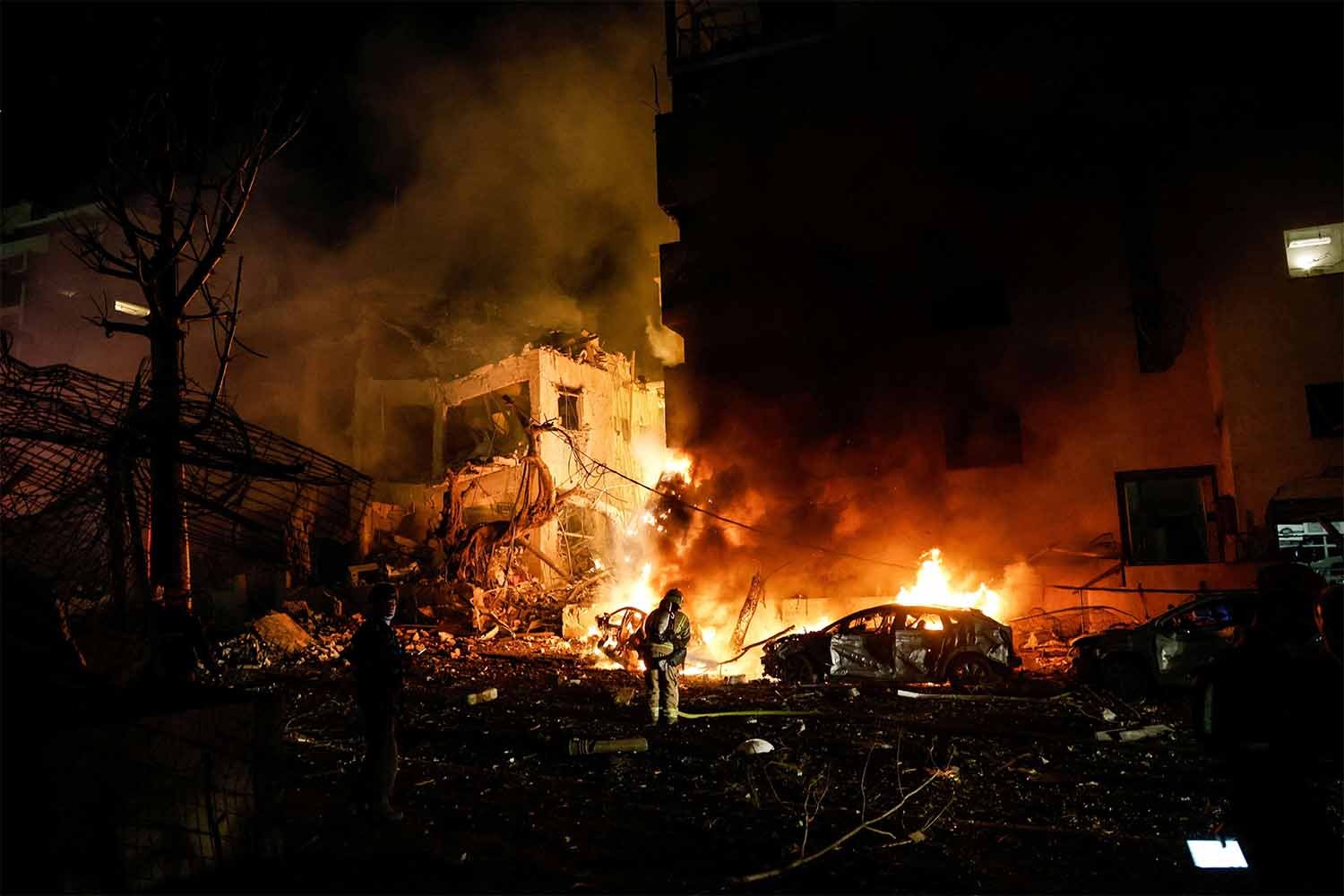
On February twenty eighth, the United States and Israel launched Operation Epic Fury. This massive military campaign targeted Iranian infrastructure. The attackers expected a swift victory. They relied on their traditional technological superiority. However, the battlefield reality has shocked Western military planners. Iran has absorbed the strikes. Furthermore, Tehran has responded with unprecedented precision. Iranian missiles are hitting early warning radars and military bases across the Middle East. This accuracy is not an accident. It is the direct result of a new geopolitical reality. Russia and China are actively supplying Iran with advanced technology and real time intelligence. This assistance is fundamentally altering the balance of power. The era of unquestioned American and Israeli military dominance in the region is ending.
For decades, the United States and Israel maintained a distinct qualitative military edge. They possessed superior stealth aircraft, advanced radar, and precision guided munitions. This advantage allowed them to operate with impunity. They could strike targets while remaining invisible to older defense systems. That dynamic no longer exists. Moscow and Beijing have transformed from diplomatic allies into technological anchors for Tehran. They recognize that a defeated Iran would leave them vulnerable to Western pressure. Consequently, they are providing the necessary tools to blind Western defenses. They are also sharpening Iranian offensive capabilities. This cooperation exposes a critical vulnerability in the Western military machine. Expensive weapon systems are useless if the enemy can see them coming.
Russia currently focuses heavily on real time intelligence and advanced detection. Russian officials are reportedly sharing the exact coordinates of American warships and aircraft. This information allows Iran to target mobile assets with remarkable accuracy. Furthermore, Russia has supplied Iran with the Rezonans radar system. This over the horizon radar can track stealth targets. It specifically neutralizes the advantage of the American fighter jets. Russian technicians also helped launch the Khayyam spy satellite. This satellite provides Tehran with high resolution imagery of military deployments. Iran no longer fights blind. It views the battlefield through Russian orbital lenses. When American or Israeli forces move, Tehran knows immediately. This intelligence sharing represents a severe strategic setback for Washington.
China has adopted a quieter but equally devastating role. Beijing is prioritizing navigation and communication resilience. During previous conflicts, the United States routinely jammed navigation signals. This tactic rendered enemy missiles inaccurate. In response, China integrated Iran into its satellite network. This network is highly resistant to Western electronic jamming. It provides Iranian missiles with continuous and secure guidance. Declassified reports indicate that Iranian weapons using this system maintain a positioning reliability rate of nearly ninety eight percent. This transition makes Western electronic warfare tactics obsolete. Chinese intelligence companies are also supplying commercial satellite imagery. Firms like MizarVision track American force deployments and share this data. Additionally, China has deployed a surveillance vessel to the Gulf. This ship provides constant signals intelligence to Iranian commanders.
Beyond navigation, China is facilitating a military doctrine known as missile saturation. This strategy focuses on quantity overcoming quality. Western interceptor missiles cost millions of dollars each. They are also limited in number. The saturation strategy uses inexpensive drones to overload these defense radars. The drones force the defense systems to deplete their expensive interceptors. Once the defensive shield is empty, larger and more precise Iranian ballistic missiles strike their targets. China provides essential components for these weapons. This approach creates a massive economic strain on the United States and Israel. They are spending millions to intercept devices that cost only a few thousand dollars. This financial asymmetry is unsustainable for Western militaries.
The political implications of this technological alliance are profound. Russia and China are not deploying combat troops to the Middle East. However, their technical support achieves the same strategic goal. They are preventing a Western victory. They are also demonstrating that the multipolar world order is a military reality. The United States can no longer dictate terms through sheer firepower. Its adversaries possess the means to counter its most advanced weapons. This conflict serves as a testing ground for future global confrontations. If Russian and Chinese technology can defend Iran, it can defend other nations resisting Western hegemony. This realization is causing alarm in Western capitals. Their primary weapons are losing their effectiveness on the modern battlefield.
The current conflict highlights a monumental shift in global security architectures. The United States and Israel designed their military strategies around technological supremacy. They assumed their enemies would always lack advanced surveillance and precision guidance. Russia and China have erased that assumption. By equipping Iran with satellite navigation, stealth tracking radar, and real time intelligence, they have altered the balance. The hunters are now visible to the hunted. This reality forces a complete reevaluation of Western military intervention. Bombing campaigns are no longer low risk endeavors. They carry a high cost in equipment and personnel. The technical alliance between Moscow, Beijing, and Tehran is forging a robust shield against Western aggression.
Ultimately, this war has achieved the opposite of its intended goal. Instead of isolating and weakening Iran, it has accelerated the integration of Eastern military technologies. The West sought to demonstrate its power. Instead, it has exposed its limitations. Russian satellites and Chinese navigation networks now form an invisible barrier over the Middle East. This barrier protects regional sovereignty. It also dismantles the illusion of Western invincibility. The conflict proves that technological dominance is no longer an exclusive Western privilege. As this war continues, the strategic defeat of the United States and Israel becomes increasingly apparent. They are fighting a war with outdated assumptions against an enemy equipped with the future of warfare.
This profound transformation demands immediate global attention. The international community is witnessing a historic transition. The technological partnerships of today are effectively neutralizing dominant empires. This defensive alliance will shape all future military engagements. The age of unchecked military intervention is over. A new multipolar balance has arrived in the Middle East forever.