
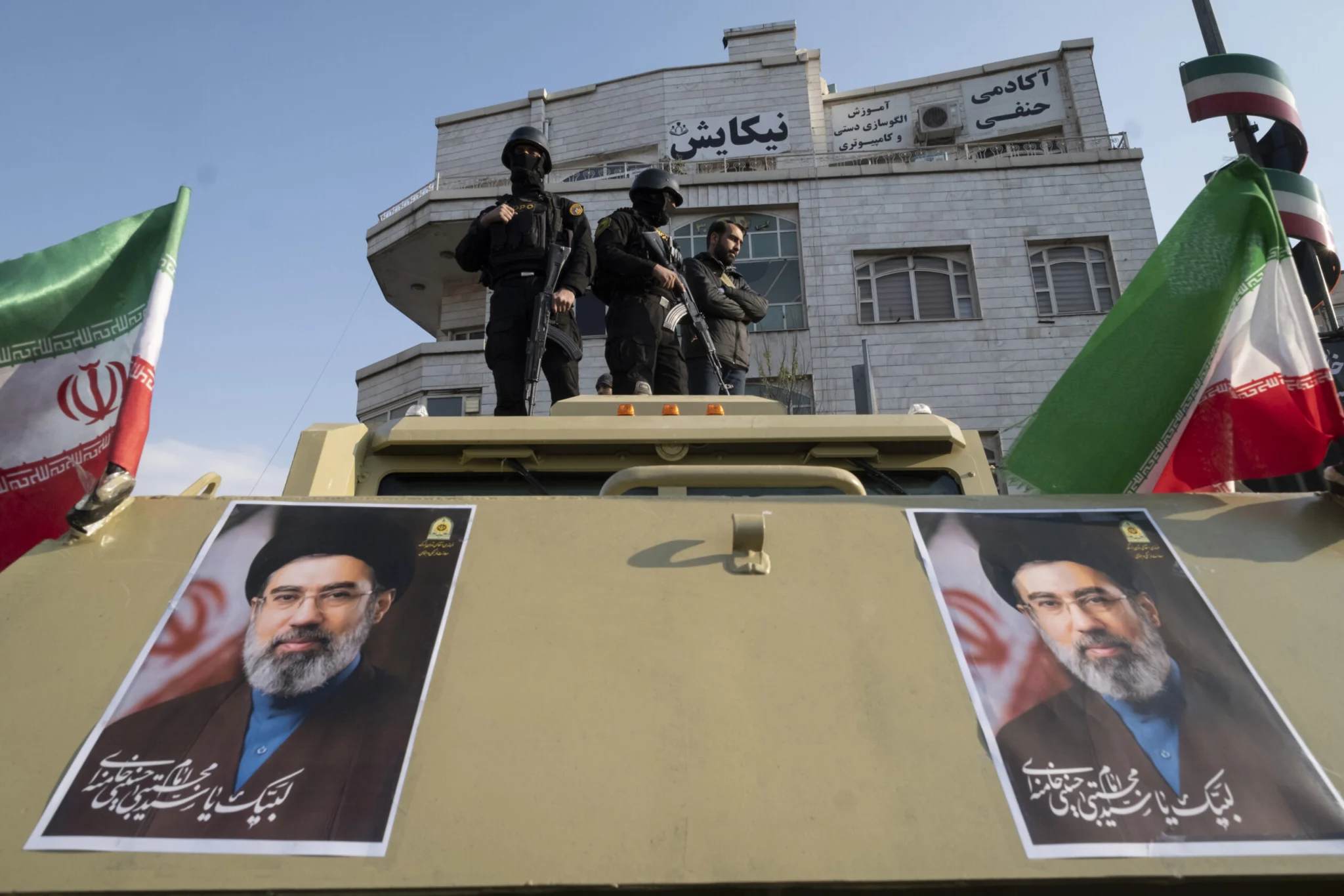
Iran seeks a diplomatic exit to current hostilities to gain economic relief and preserve its strategic assets without conceding its long-term nuclear or regional network objectives.
Tehran wants to end the war, yet this tactical imperative is strictly governed by the overriding necessity of preserving regime survival and regional leverage under intense strategic pressure. As the clerical leadership calculates the sustainable thresholds of economic attrition and conventional military deterioration, the pursuit of a structured ceasefire emerges as a functional necessity rather than an ideological retreat. Tehran positions its diplomatic posture to secure vital operational breathing room, but because Tehran wants to end the war only on its own terms, the underlying matrix of regional deterrence ensures that the regime will pivot back to active conflict if its core sovereign red lines are breached.
Tehran Wants to End the War Effectively
As negotiations continue to end the fighting between Iran and the United States, it is increasingly clear that Iran’s leaders are interested in securing a ceasefire and avoiding further escalation. Tehran understands the heavy strategic, economic, and military costs of continued confrontation and appears determined to prevent the conflict from spiraling into a broader regional war.
At the same time, Iran’s leadership is not prepared to make dramatic concessions that, in its view, would undermine the ideological foundations of the Islamic Republic. While Tehran prefers de-escalation, it is also preparing for the possibility of renewed escalation should the Trump administration reject its conditions for ending the conflict.
Washington Tracks as Tehran Wants to End the War
Over the weekend, US President Donald Trump held a call with leaders across the region to discuss an emerging deal, which reportedly consists of a reopening of the Strait of Hormuz in return for some economic incentives for Iran, with negotiations to follow on how to dispose of Iran’s nuclear stockpile. Late Monday, the United States carried out what it called “self-defense strikes” in southern Iran, but said the ceasefire was still on. On Tuesday, Secretary of State Marco Rubio said a deal could take a few days to finalize.
Securing Interests While Tehran Wants to End the War
Iran has been less forthcoming in its public statements. But based on decades of studying the regime, including for Israel Defense Intelligence, I can surmise that the current proposal serves Iran’s interests well. Tehran seeks to establish a new strategic reality in which it can recover from the damage of the war, secure guarantees against renewed military action, and avoid making immediate concessions on the nuclear issue. In that sense, the framework being discussed aligns closely with Iran’s broader strategic objectives.
Nevertheless, Iranian officials remain deeply concerned about the possibility of a renewed military campaign. This explains why Tehran continues to preserve and reposition key military assets while maintaining a high state of readiness. The Iranian leadership does not fully trust the durability of the diplomatic track and remains wary of the possibility that Trump could unexpectedly shift course.
Tehran Wants to End the War Guardedly
At the same time, Tehran insists that any agreement must also include a ceasefire binding Israel in Lebanon, reflecting Iran’s longstanding commitment to its regional alliance network, particularly Hezbollah and other members of the so-called Axis of Resistance. Iran is also demanding meaningful economic relief at the early stages of any agreement. Without visible sanctions relief and tangible economic benefits, Tehran is unlikely to move forward diplomatically, viewing excessive US demands as coercive rather than constructive diplomacy.
Leverage Focuses as Tehran Wants to End the War
On the nuclear issue itself, Iran appears determined not to publicly compromise. However, behind closed doors, there may already be understandings or informal assurances conveyed to Washington regarding limitations or temporary restraint. Iranian leaders likely calculate that, as time passes and the immediate crisis fades, the United States will find it increasingly difficult politically and strategically to resume military operations with or without a final agreement.
At the same time, Tehran recognizes that sanctions relief remains a vital national interest. Iran’s economy has suffered deeply under years of economic pressure, and the leadership understands that long-term domestic stability depends on some degree of economic recovery and reintegration into global markets.
Ultimately, Tehran views diplomacy not as an alternative to military leverage but as a continuation of it through political means. From the Iranian perspective, the current diplomatic track allows the regime to translate military resilience into strategic gains while reshaping the regional environment in ways that reduce the likelihood of further escalation. In Tehran’s eyes, ending the war now but not at the cost of strategic surrender represents the most favorable outcome available.