
Ankara’s unilateral maritime bill seeks to formalize Turkish EEZ rights without UNCLOS ratification, risking renewed gas drilling tensions with Greece, Cyprus, and Egypt while testing fragile economic détente and regional energy diplomacy.
Ankara’s unilateral push to codify maritime boundaries threatens to destabilize fragile Eastern Mediterranean energy diplomacy. The proposed maritime bill seeks to formalize Turkish rights while bypassing UNCLOS ratification, yet this maritime bill inadvertently positions Türkiye against a unified Greece-Egypt-Cyprus bloc already advancing their own legal claims.
Maritime bill targets Eastern Mediterranean drilling rights
Türkiye is drafting legislation that could reignite competition over drilling, mining, and fishing rights in the Eastern Mediterranean and the Aegean, risking a new period of tension among regional states.
Prepared by the ruling Justice and Development Party, the legislation would allow Turkish President Recep Tayyip Erdoğan to formalise an Exclusive Economic Zone (EEZ) extending up to 200 nautical miles from the Turkish coast.
Tensions are likely to rise between Türkiye, Greece, and Cyprus if the legislation is passed by the Turkish parliament, due to overlapping maritime claims in areas that would fall within the proposed boundaries.
The draft bill also raises questions over whether it could rekindle tensions with Egypt and undermine the nascent détente between Ankara and Cairo, which has accelerated trade and investment cooperation over the past two years.
For more than a decade, competition for hydrocarbons has intensified in the Eastern Mediterranean, a region with approximately 286.2 trillion cubic feet of undiscovered conventional natural gas and 879 million barrels of conventional oil.
Such estimated wealth has fuelled a series of maritime boundary delimitation agreements among Egypt, Cyprus, and Greece, which Türkiye has opposed and refused to recognise.
Ankara asserts its maritime bill amid power play
According to the Turkish Ministry of Defence, the new bill aims to regulate Türkiye’s maritime jurisdiction areas, define responsibilities in Turkish waters, and address gaps in domestic legislation, while reaffirming Ankara’s determination to protect its maritime rights and interests. The bill can be seen as a Turkish protest against the maritime boundary delimitation deals signed by Eastern Mediterranean states in recent years.
It aims to send a message that Türkiye will not accept being left empty-handed as major gas deals are negotiated in the region, nor tolerate being marginalised in regional energy disputes or excluded from decisions over the Mediterranean’s waters.
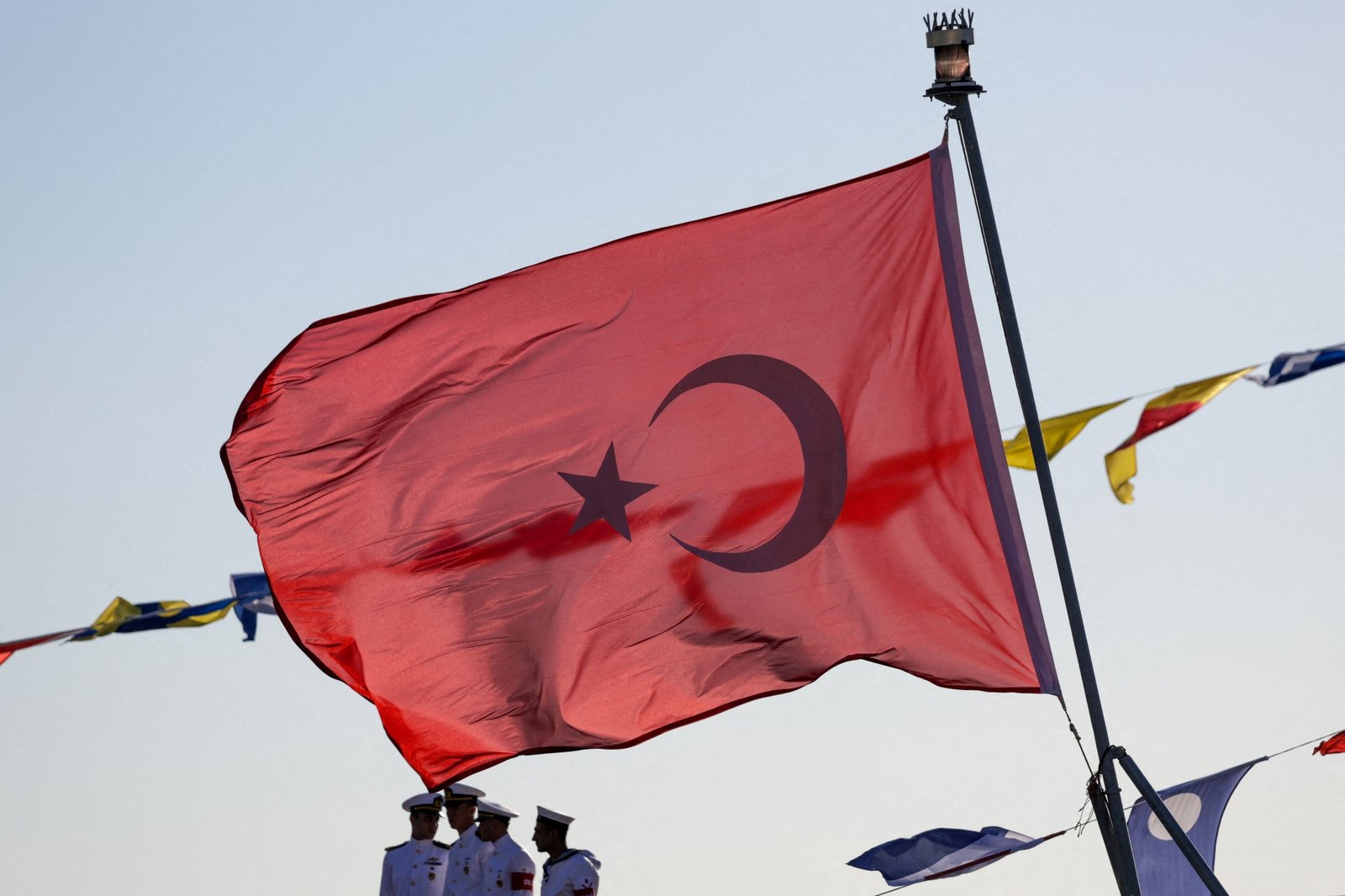
Ankara began voicing its opposition long ago, initially through its denunciation of the maritime delimitation agreements, which it argued overlooked Turkish rights. It then sought to assert its own zone of influence by signing a 2019 maritime boundary memorandum of understanding with Libya’s western-based government—an agreement never recognised by Egypt, Greece, or Cyprus.
Türkiye also plans to sign a similar agreement with Syria, highlighting its desire to protect its exclusive rights to drilling, mining, and fishing in the region. By potentially formalising an EEZ extending up to 200 nautical miles from its coast, Türkiye would be acting in line with the United Nations Convention on the Law of the Sea, which allows states to establish such zones. Ironically, Türkiye had not ratified the convention, prompting criticism that it is seeking to declare an EEZ in line with a treaty to which it is not a party.
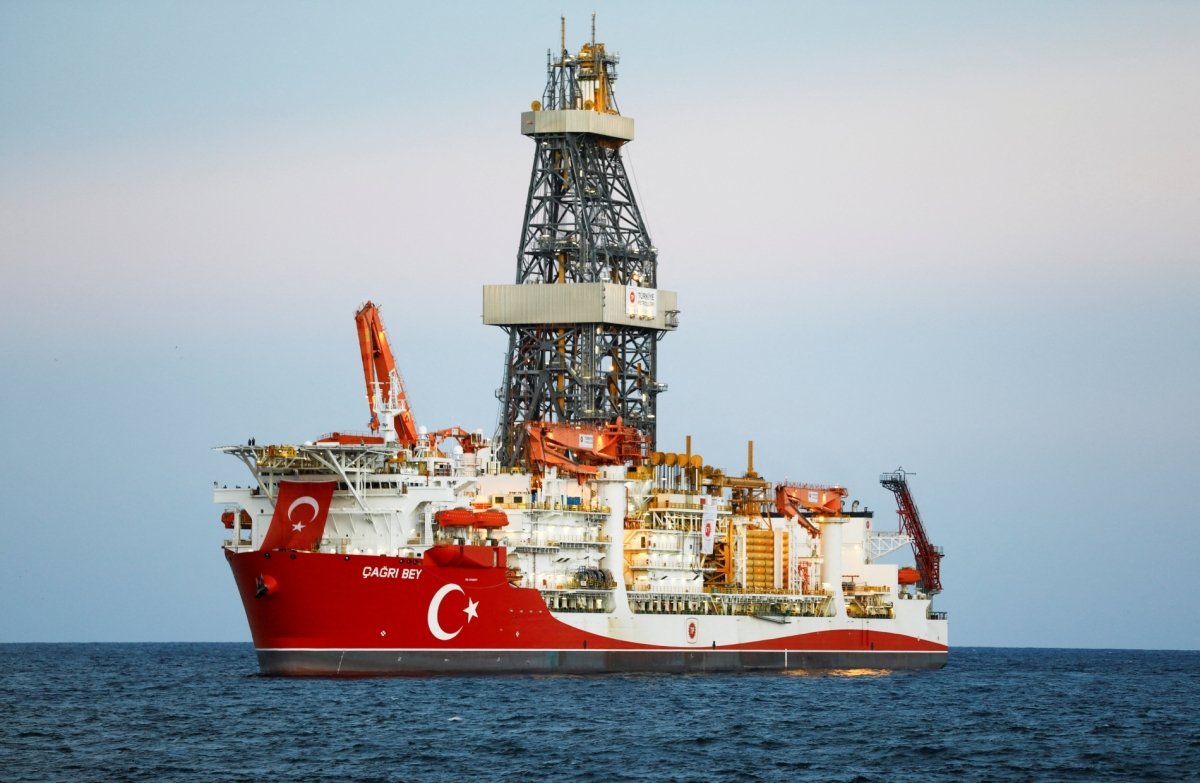
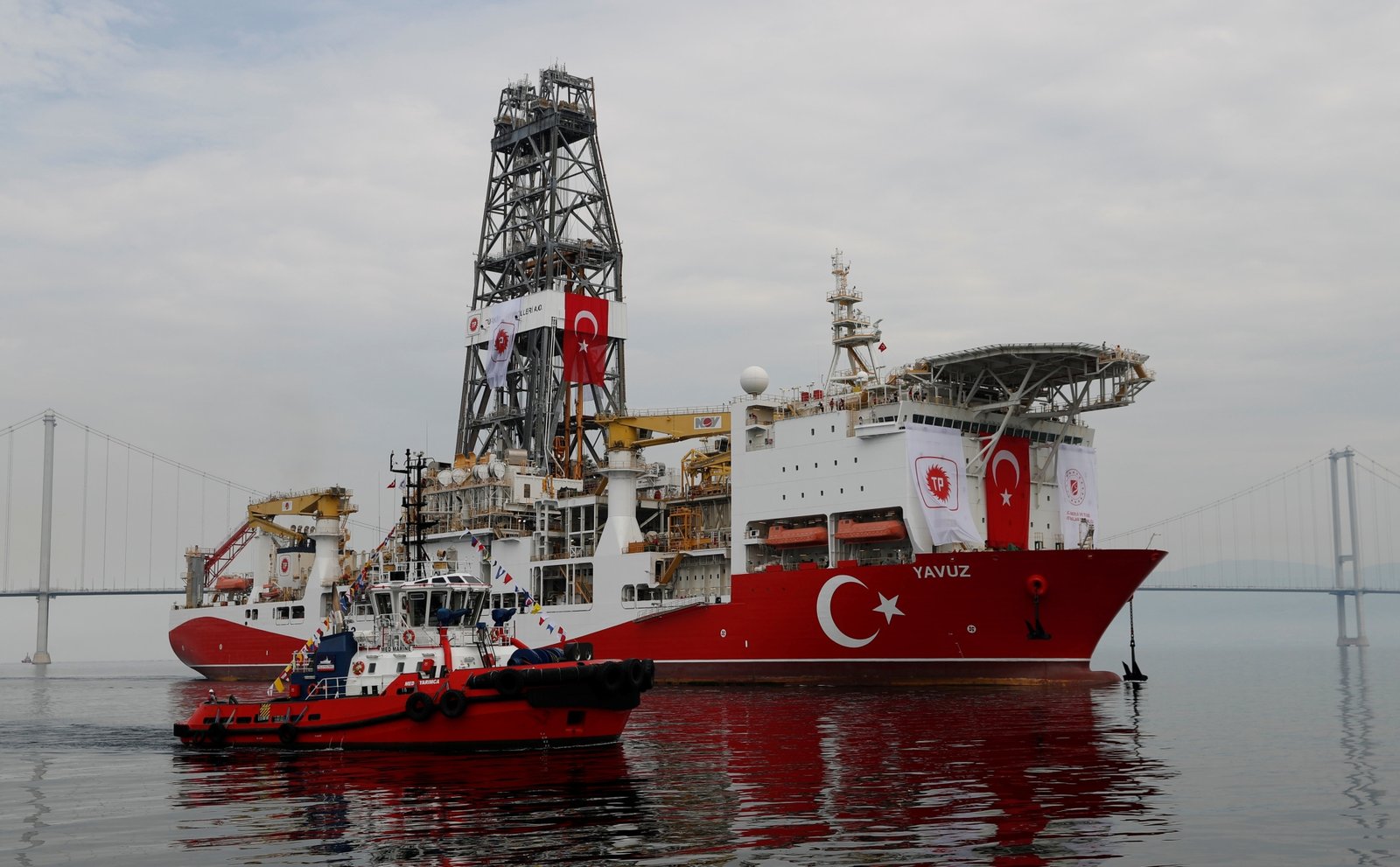
Turkish exploration activities have also alarmed regional states, bringing Ankara to the brink of military confrontation and contributing to the militarisation of resource competition in the Eastern Mediterranean.
From rivals to partners over a maritime bill
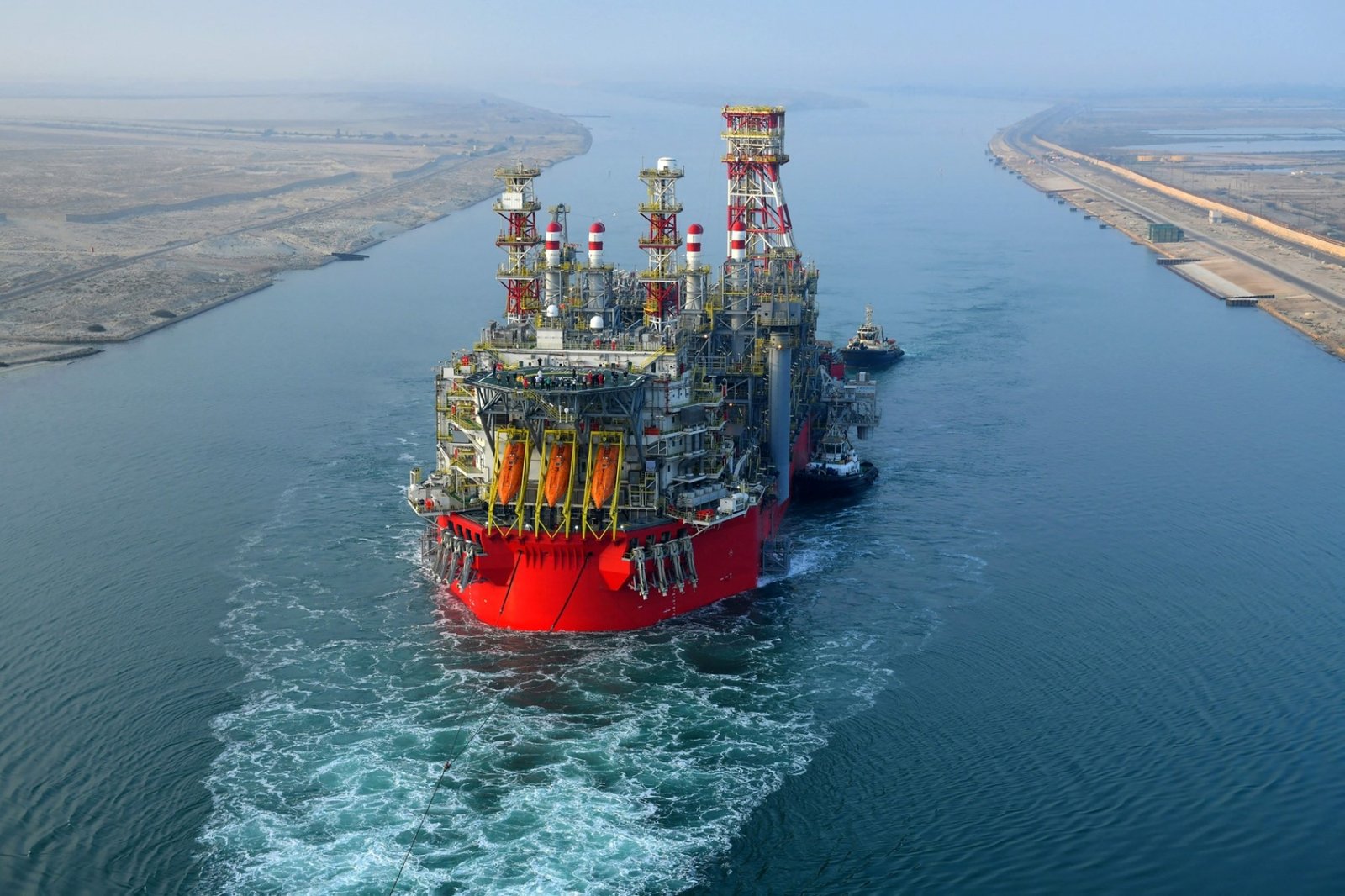
Situated hundreds of nautical miles from the Turkish coast, Egypt is likely to be closely monitoring developments surrounding the proposed Turkish bill. Turkish drilling activity in recent years has unsettled Cairo and contributed to an overhaul of the Egyptian navy. That overhaul has been aimed at strengthening the country’s ability to protect Egypt’s maritime interests.
Underlying Egypt’s concerns at the time were simmering political and ideological tensions between the two sides. Today, however, relations between Egypt and Türkiye have undergone a marked shift, with shared interests increasingly outweighing the urge for confrontation.
These shared interests are economic, with decision-makers on both sides eyeing opportunities for significant business if they can overcome their political and ideological differences. The two countries signed a free trade agreement in 2005, helping sustain economic ties even during periods of political tension.
In 2025, trade between the two countries reached $6.8bn, but both sides aim to increase this figure to $15bn annually by 2028. Egypt is Türkiye’s largest trading partner in Africa, while Türkiye ranks among the leading export destinations for Egyptian products.
Turkish investment in Egypt has exceeded $3bn, with around 1,700 Turkish companies operating across sectors, including manufacturing, tourism, health, and services. Aside from civilian sectors, the two countries are also cooperating in defence manufacturing and have drawn up plans to jointly produce a range of military equipment, including drones.
Maritime bill meets Egypt’s energy ambitions
Whether the potential for cooperation will offset the possibility of confrontation as Türkiye seeks to assert its rights in the Eastern Mediterranean remains to be seen, particularly if the Turkish parliament passes the proposed bill and Ankara takes concrete steps to enforce its claims.
Like other regional states, Egypt does not take its interests in the Eastern Mediterranean lightly. Underpinning its determination to protect these interests is an ambition to play a major role in international energy markets in the years ahead. Originally a net importer of natural gas, Egypt became a net exporter after bringing production from the giant Zohr field, discovered in 2015, online.
Successive discoveries off Egypt’s Mediterranean coast strengthened this position in the years that followed. However, declining production and rising domestic consumption later pushed the country back into net imports. Despite this setback, Egypt continues to pursue ambitions to become a regional energy hub and a gateway for energy exports to international markets.
Egypt aims to aggregate gas from regional wells, liquefy it at its sprawling liquefaction facilities near the Mediterranean, and re-export it to international markets. This ambition is supported by a series of multi-billion-dollar import agreements signed with regional gas producers, particularly Israel and Cyprus, in recent years. Egypt also helped establish the East Mediterranean Gas Forum, a regional body aimed at strengthening cooperation and coordination among gas-producing states.
Containing tensions after a maritime bill
Türkiye did not join the forum, remaining outside a regional energy architecture reshaped by the emergence of hydrocarbon wealth in the Eastern Mediterranean. Whether the proposed bill formalising an EEZ will intensify regional tensions remains unknown.
Egypt, however, may be well placed to help contain any fallout, should it choose to do so. This position stems in part from Cairo’s good relations with regional actors, including Greece and Cyprus, with whom it has cultivated close strategic ties in recent years.
Egypt is repairing its ties with Türkiye, building on the gains both countries stand to make through cooperation rather than confrontation. Nevertheless, there remains an urgent need for a practical framework that safeguards the maritime rights of regional states, without excluding any party.
Achieving this will require hydrographic expertise and careful maritime mapping by regional states in the years ahead, provided there is sufficient political will. Yet, such efforts are unlikely to succeed unless these states recognise that imposing realities by force, outside the framework of law, is a recipe not for stability but for enduring tension.