
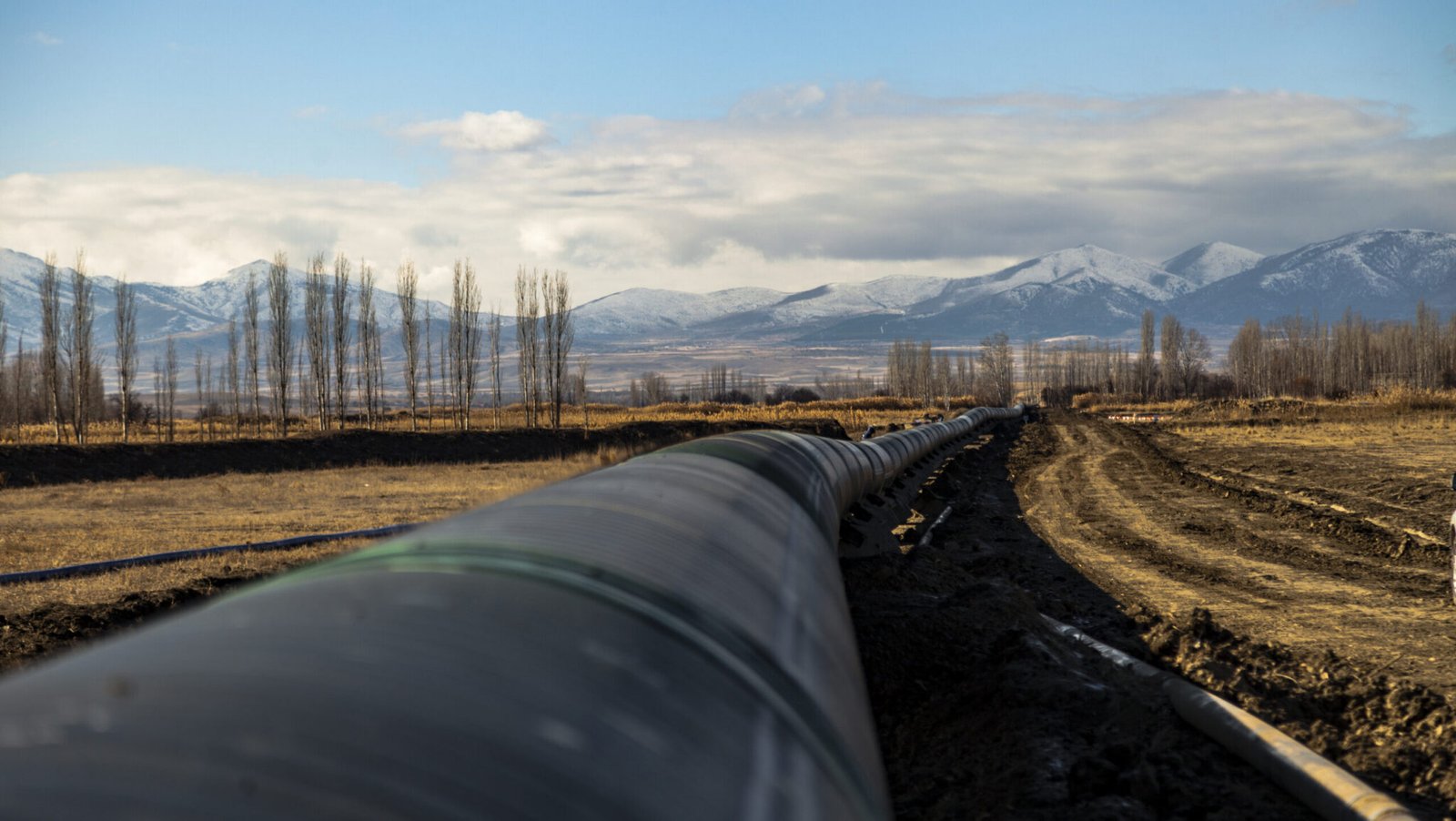
Turkey seeks to overhaul regional supply by linking the Persian Gulf, Caspian, and Mediterranean basins via Syrian infrastructure. By acting as the central transit hub, Ankara aims to reduce reliance on volatile maritime routes for European energy.
Ankara is rapidly positioning itself as the primary energy gatekeeper for the continent by integrating fragmented regional supply routes into a unified land-based network. This strategy seeks to bypass maritime chokepoints while strengthening Turkish influence over critical hydrocarbon flows from the Middle East and Central Asia into European markets.
Energy gatekeeper route advantages
For decades, Turkey has pitched itself as an energy bridge between East and West, North and South. If Turkey can finally deliver to the world a solution to overcome its reliance on the Strait of Hormuz, the economic and strategic prize will be enormous.
The Four Seas Initiative Could Redraw Global Energy Routes The Four Seas Initiative identifies Turkey as the keystone in the infrastructural response to the Strait of Hormuz crisis. The idea is simple. The four seas: the Persian Gulf, the Caspian Sea, the Mediterranean, and the Black Sea are among the most important energy geographies in the world. Yet they remain connected largely through bilateral deals and infrastructure shaped by old political divisions—not to mention being vulnerable to war and blockade. The Four Seas Initiative proposes an overland energy and infrastructure corridor linking these four basins through Syria and Turkey, carrying Gulf, Iraqi, Caspian, and eastern Mediterranean energy toward lucrative European markets.
For Turkey, this marks the arrival of the role Ankara has long sought: not merely to be a country through which energy passes, but to become the operator, rule-setter and commercial center of a continental redistribution system. This agenda-setting role is due to the absolute scale of the project.
At full operational capacity, the Four Seas corridor is projected to move an estimated 3 million to 4 million barrels of oil per day and 40 billion to 50 billion cubic meters of gas per year toward Mediterranean and European markets. As a network, it will compete in scale with Nord Stream. It would put the Syria–Turkey corridor in the first rank of global energy routes, combining Gulf oil, Iraqi exports, Caspian gas and eastern Mediterranean supply into a single overland system.
New energy gatekeeper supply shifts
Why the Timing Has Changed for Turkey This has become newly possible due to the post-Assad opening in Syria, Europe’s search for alternatives to Russian energy due to the war in Ukraine, and growing insecurity around the maritime chokepoints of the Strait of Hormuz, Bab el-Mandeb and Suez. Every crisis in these waterways reminds energy importers that maritime supply is less reliable than overland pipelines. Every shock to liquefied natural gas (LNG) prices reminds Europe that flexibility can be expensive, while dividends accrue to hostile producers like Russia.
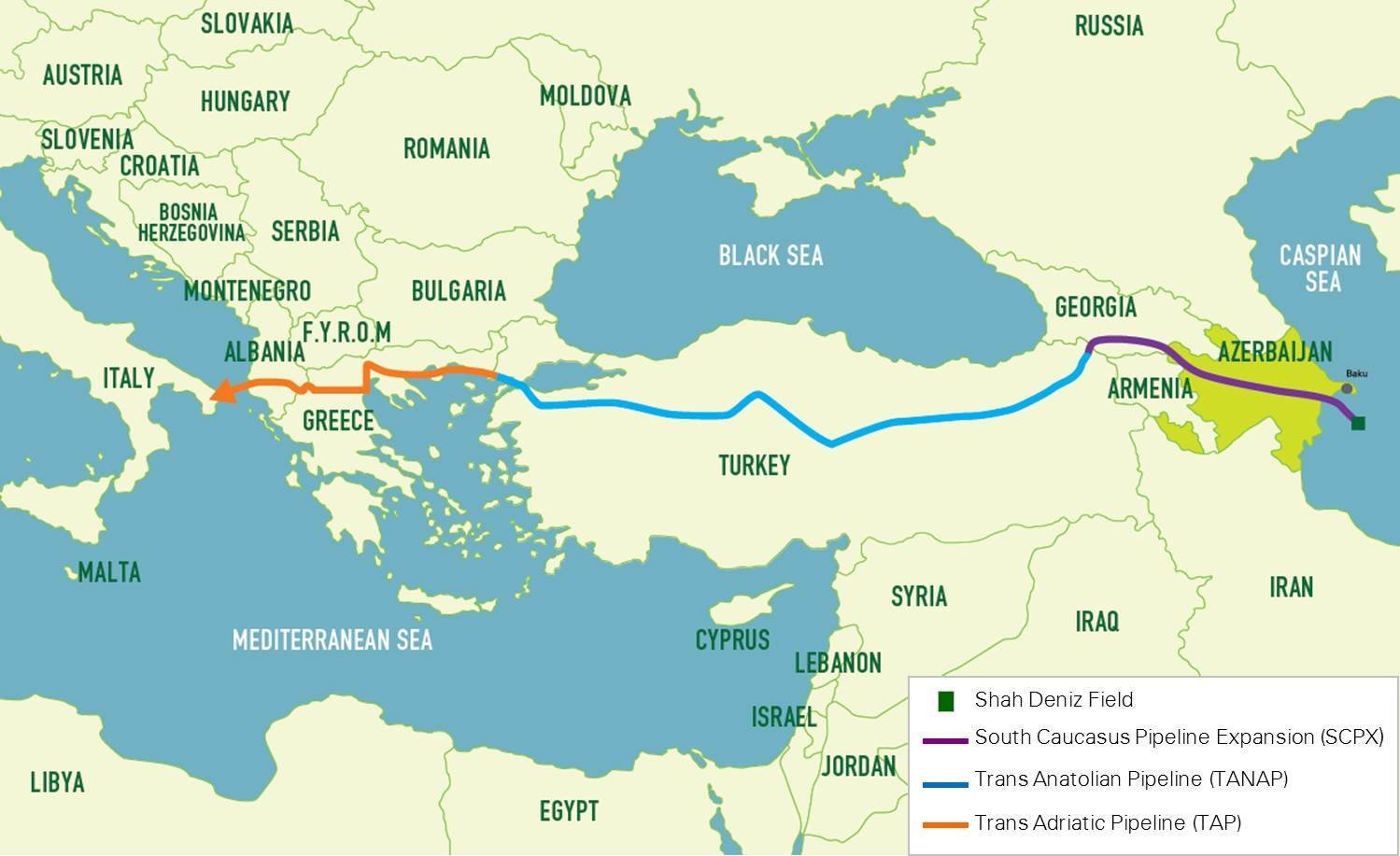
Turkey already has the Baku-Tbilisi-Ceyhan oil pipeline, the Trans-Anatolian pipeline (TANAP), and the Trans-Adriatic pipeline (TAP), making Turkey indispensable to Caspian energy moving west. Ceyhan is already a Mediterranean energy asset of global relevance. The next step is for Gaziantep, Kilis, and the borderlands with northern Syria to become the infrastructure gateways of the future. At the core of the Four Seas network, Istanbul would become the primary regional node in energy logistics, finance, digital connectivity, and education.
Regional integration energy gatekeeper
Turkey’s Strategic and Economic Opportunity The Four Seas Initiative’s Syrian infrastructure, once rehabilitated, would connect with Turkish systems at the northern border and then move energy toward Ceyhan, TANAP, TAP and European consumers. The Gulf-Mediterranean corridor would give Gulf producers an overland route to the Mediterranean port of Banias in Syria.
The Iraq-Syria corridor, also to Banias, would revive the logic of moving Iraqi energy westward without relying solely on Basra and the Strait of Hormuz. The Caspian-Anatolian corridor would integrate Azerbaijani and potentially Turkmen gas more deeply into a wider network, bringing energy from deep within Central Asia to global markets while avoiding volatile and hostile geographies. The Arab Gas Pipeline would add Egyptian and eastern Mediterranean gas to the mix, too.
In each case, Turkey sits in the geographic driving seat. But the initiative’s governance structure, which includes the European Union and the White House, will also afford Ankara lasting decision-making influence, as will the private and public companies that will contract much of the commercial work. That is through BOTAŞ, through Istanbul-based ministerial diplomacy, through NATO membership, through Turkish engineering and construction firms, through Turkish ports and terminals, and through Turkish participation in the financing architecture. The Four Seas Ministerial Forum will therefore be in Istanbul, the de facto headquarters for this, the most critical energy corridor in the region.
Energy gatekeeper project benefits
Turkey will collect transit revenues, increase infrastructure investment, strengthen Turkey’s bargaining position with Europe and reduce Ankara’s own exposure to energy import vulnerability. It would also give Turkish companies a front-row role in Syrian reconstruction: pipelines, power plants, roads, metering stations, ports, industrial zones and, eventually, digital and electricity corridors. Turkey has paid a high price for Syria’s collapse: security and terror threats, refugee pressures, disrupted trade and instability across its southern border. It is right that Turkey should benefit from the reconstruction. Indeed, a Syria that can generate revenue from energy production and transit is more likely to restore electricity, public services, and employment. That is in Turkey’s direct national and commercial interest.
Future energy gatekeeper operational risks
Early Progress and Significant Challenges The early signs are already visible. Turkey has begun supplying Azerbaijani gas to Syria through Kilis. That is a practical demonstration of the model: Caspian energy, Turkish infrastructure, Syrian recovery, and Qatari support all working in the same direction. What exists now as a limited arrangement is to become the first proof of concept for a much larger regional architecture.
There are risks. Pipelines can be attacked. Syrian institutions remain fragile. Financing will require legal clarity. European support will depend on governance standards. Gulf investors will want security guarantees. Turkish policymakers will want to ensure that the initiative strengthens, rather than dilutes, Ankara’s strategic autonomy.