
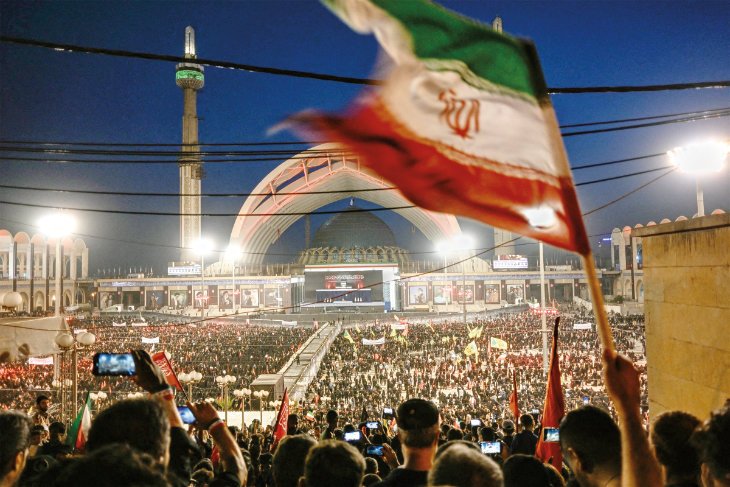
Iranian officials increasingly expect an Israel Iran war restart before October’s elections, believing a new Israeli-Lebanese deal has weakened Hezbollah’s ability to constrain Israel while Netanyahu’s political and legal troubles give him fresh incentive to reopen the conflict.
Tehran’s internal security debate has converged on a stark expectation: an Israel Iran war restart before Israel’s October elections is now the consensus view among Iranian officials, driven less by rhetoric than by a concrete shift in the military balance.
The recent Israeli-Lebanese agreement, which lets Israeli forces remain in southern Lebanon until Hezbollah disarms, strips Iran of the northern-front pressure that constrained Israel during the earlier round of fighting — a factor Tehran believes was far more consequential than Western coverage acknowledged at the time.
Layered onto this is Netanyahu’s mounting political exposure, with a weakening reelection outlook and looming corruption charges giving him personal incentive to reopen the conflict regardless of Washington’s preferences. The result is a scenario where Tehran sees renewed war not as a remote risk but as a near-term probability shaped as much by Israeli domestic politics as by strategic calculation.
Israel Iran War Restart Seen as Near-Certain in Tehran
WILL ISRAEL RESTART the war with Iran before the October elections? This is the consensus view emerging within Iran’s internal national security debate in the beginning of July.
Several factors are driving Tehran to this conclusion. Beyond its deep—and not entirely unwarranted—suspicion of President Donald Trump’s intentions, heightened by Vice President JD Vance’s recent remark that Trump wants to use the MOU to replenish global oil reserves and then “see where the hand is,” two developments stand out: the recent Israeli-Lebanese agreement and its impact on Hezbollah’s military posture over the coming months.
Lebanon Deal Reshapes Odds of an Israel Iran War Restart
From Tehran’s perspective, the agreement hands Israel a significant advantage in any renewed war with Iran—one it lacked in February. By allowing Israeli forces to remain in parts of southern Lebanon, the deal appears to contravene the MOU while fundamentally reshaping the military balance. Israel’s continued presence in these strategic positions would make it far more difficult for Hezbollah to mount the kind of offensive operations that proved critical during the previous round of fighting.
That matters because, in February and March, the Iranians say they used only about 40 percent of their offensive capabilities against Israel, because Hezbollah carried much of the remaining burden. At the time, pundits in the West were debating why Tehran hit the UAE harder than it did Israel.
Hezbollah’s Hidden Role Shapes Israel Iran War Restart Calculus
Part of it was because of Israel’s much higher pain tolerance compared to the GCC states. Tehran was aiming to reach the most accessible pain threshold to pressure the U.S. to end the war. But part of it was the critical role Hezbollah played in the war, contrary to much of the press coverage at the time. It played a critical role in stretching Israel’s defenses, complicating its targeting decisions and forcing it to divide resources across multiple fronts.
That role, however, was poorly understood because Israel imposed near-total military censorship during the war—far stricter than the censorship regime in June 2025—which sharply limited public visibility into Hezbollah’s operations and their impact. As a result, the degree to which Hezbollah shaped the course of the war has been significantly underestimated.
Unlike the MOU, the current Israeli-Lebanese agreement does not require Israel to withdraw from Lebanese territory until Hezbollah has been disarmed. Since that outcome is highly unlikely in the foreseeable future, Israel is poised to retain its positions inside Lebanon, enabling it to renew the war with Iran without facing the same pressure from its northern front that constrained it during the previous conflict.
Netanyahu’s Politics Add Urgency to Israel Iran War Restart
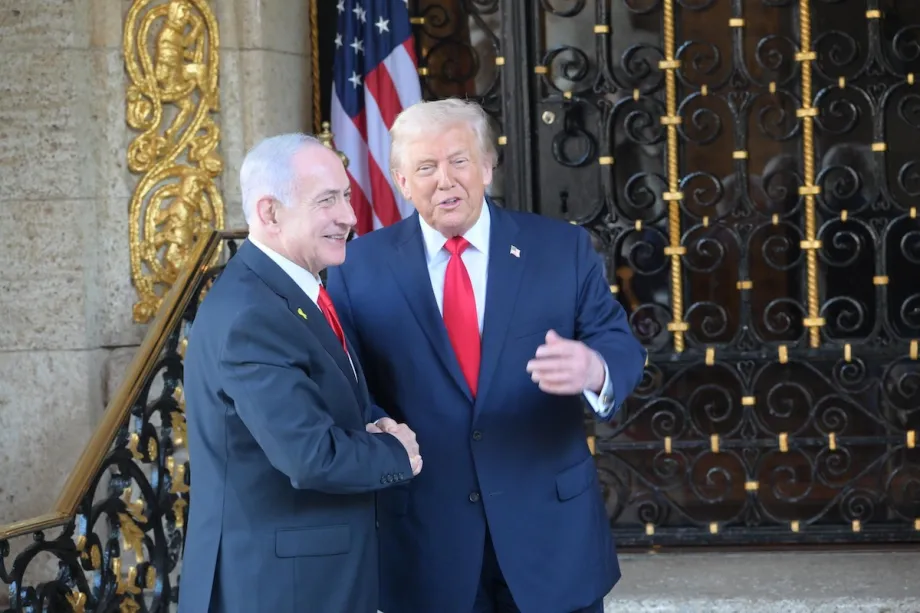
Netanyahu’s motivations are clear. Beyond his long-standing desire to use U.S. force to subjugate Iran to Israeli domination and achieve a regional balance favorable to Israel, he now also has stark political and personal reasons to restart the war.
The MOU has come at a steep political cost for Netanyahu. His prospects for reelection in October are weaker than they have been in months. Once seen as the Israeli leader uniquely capable of delivering President Trump, he now confronts the prospect that both the war and the ensuing diplomacy will leave Israel in a strategically weaker position—undermining the very case he has made for his leadership.
And of course, if he loses the elections, he will likely spend the next few years in jail, as he will lose his immunity as prime minister and face trial over corruption charges.
Washington’s Role Muddies the Israel Iran War Restart Picture
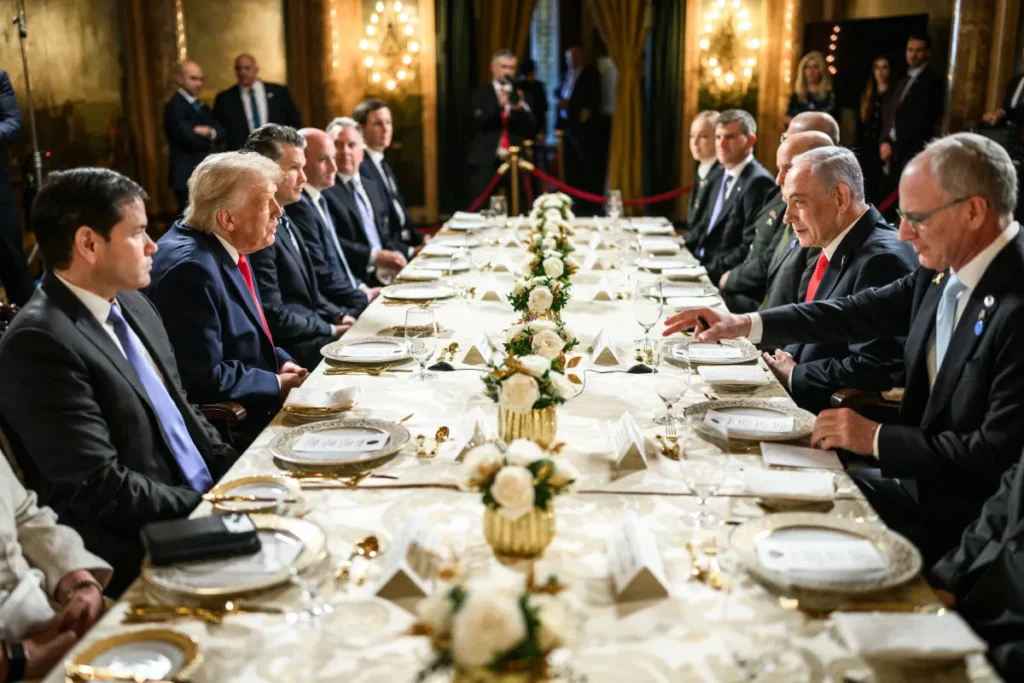
Whether the Trump administration is coordinating with Israel on such a strategy remains unclear to Tehran. But suspicions surrounding Secretary of State Marco Rubio run particularly deep, given his role in brokering the Israeli-Lebanese agreement, his support for the war, and his perceived opposition to the MOU.
From Tehran’s perspective, there are three plausible scenarios. The first is that the White House is aware of Israel’s plans and helped broker the Lebanese agreement in part to facilitate them. The second is that Washington is unaware of Netanyahu’s intentions but would nonetheless come to Israel’s defense—and perhaps even join the offensive—once Netanyahu resumes the war. The third is that the administration is caught by surprise, chooses not to restrain Israel, but also refrains from direct military involvement in the conflict.
Can Trump Stop an Israel Iran War Restart?
Tehran does not believe Israel’s advantage in Lebanon will prove decisive. Iranian officials remain confident they can impose severe costs on Israel and deny it its broader strategic objectives. But a renewed war could still achieve Netanyahu’s most immediate aim: killing the MOU. Given his mounting political and legal pressures, Netanyahu may be desperate enough to be willing to challenge Trump directly to ensure precisely that outcome.
The question is, once again, not how Trump will react, but if Trump will prevent Netanyahu from deliberately shaping and limiting Trump’s options. This is the test Trump has repeatedly failed.