
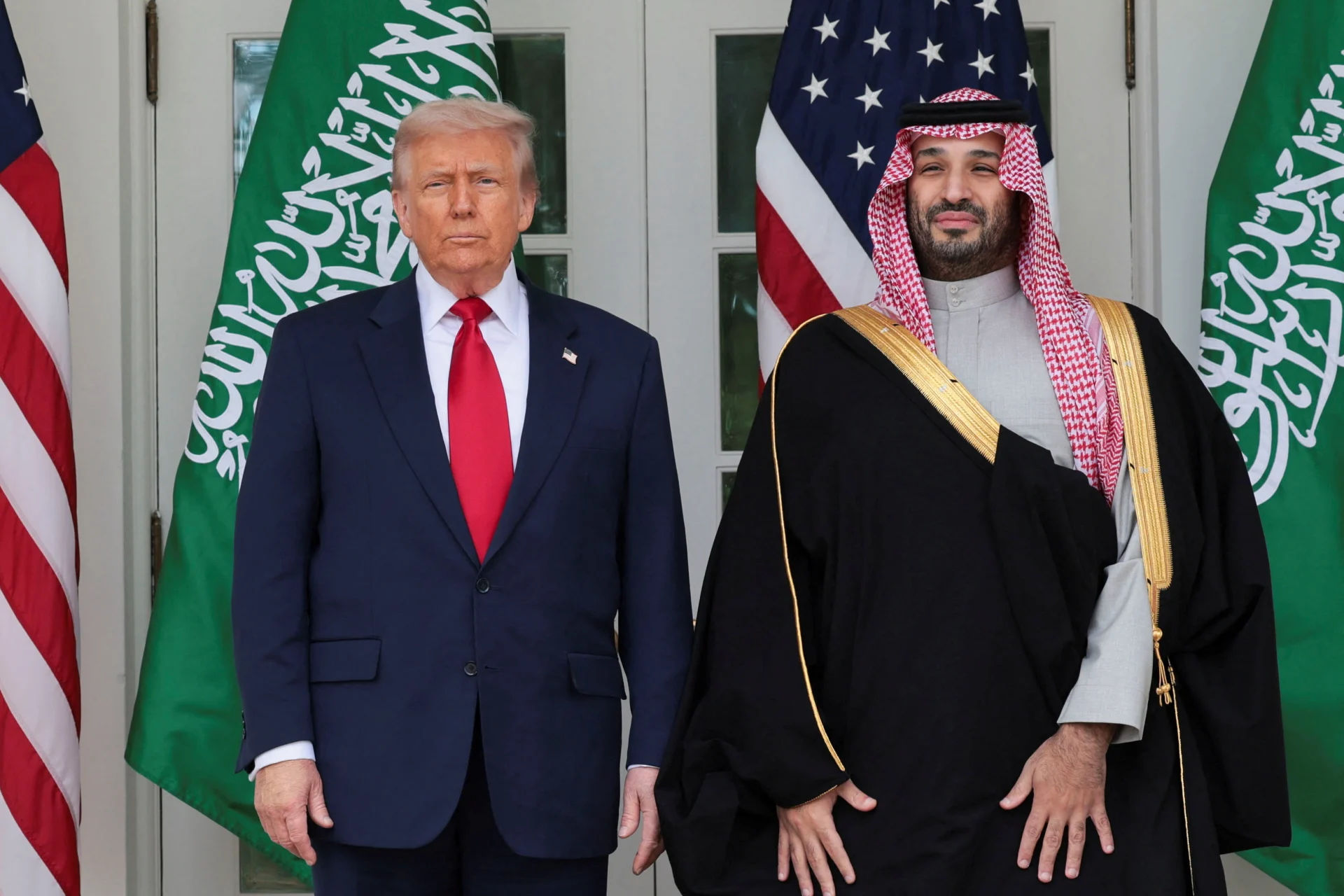
Washington and Riyadh signed a commercial atomic pact with relaxed proliferation conditions, but conditional requirements linking approval to Israeli normalization have stalled progress. Amid regional security concerns over Iran and opposition from Israel, the pact remains suspended.
Washington and Riyadh have thrown Middle Eastern diplomacy into turmoil following the signing of a major civil atomic accord that redefines regional security guarantees. While the proposed Saudi Nuclear Deal aims to establish commercial energy infrastructure across the Kingdom, immediate political caveats from Washington have cast serious doubt on its future. By tying final congressional approval to diplomatic normalization with Israel, the White House has left the high-stakes Saudi Nuclear Deal stranded in a complex geopolitical deadlock.
Saudi Nuclear Deal stirs tensions
U.S. and Saudi officials signed a deal this week that would permit Saudi Arabia to build nuclear power plants on its soil using U.S. technology. The reported terms involve looser conditions on nuclear proliferation compared to other U.S. nuclear technology deals, including a 2009 deal with the United Arab Emirates (UAE), though the Trump administration says the Saudi program would face rigorous inspections.
But just one day after its signing by the U.S. energy secretary, President Donald Trump conditioned approval of the deal on Saudi Arabia signing the Abraham Accords, which are U.S.-brokered agreements begun under the first Trump administration that have normalized relations between Israel and Arab nations.
The announcement of the deal drew strong opposition in Israel, where officials have expressed worry of a Saudi deal spurring other countries to seek nuclear enrichment programs and a path to nuclear weapons. The fate of the deal is now unclear.
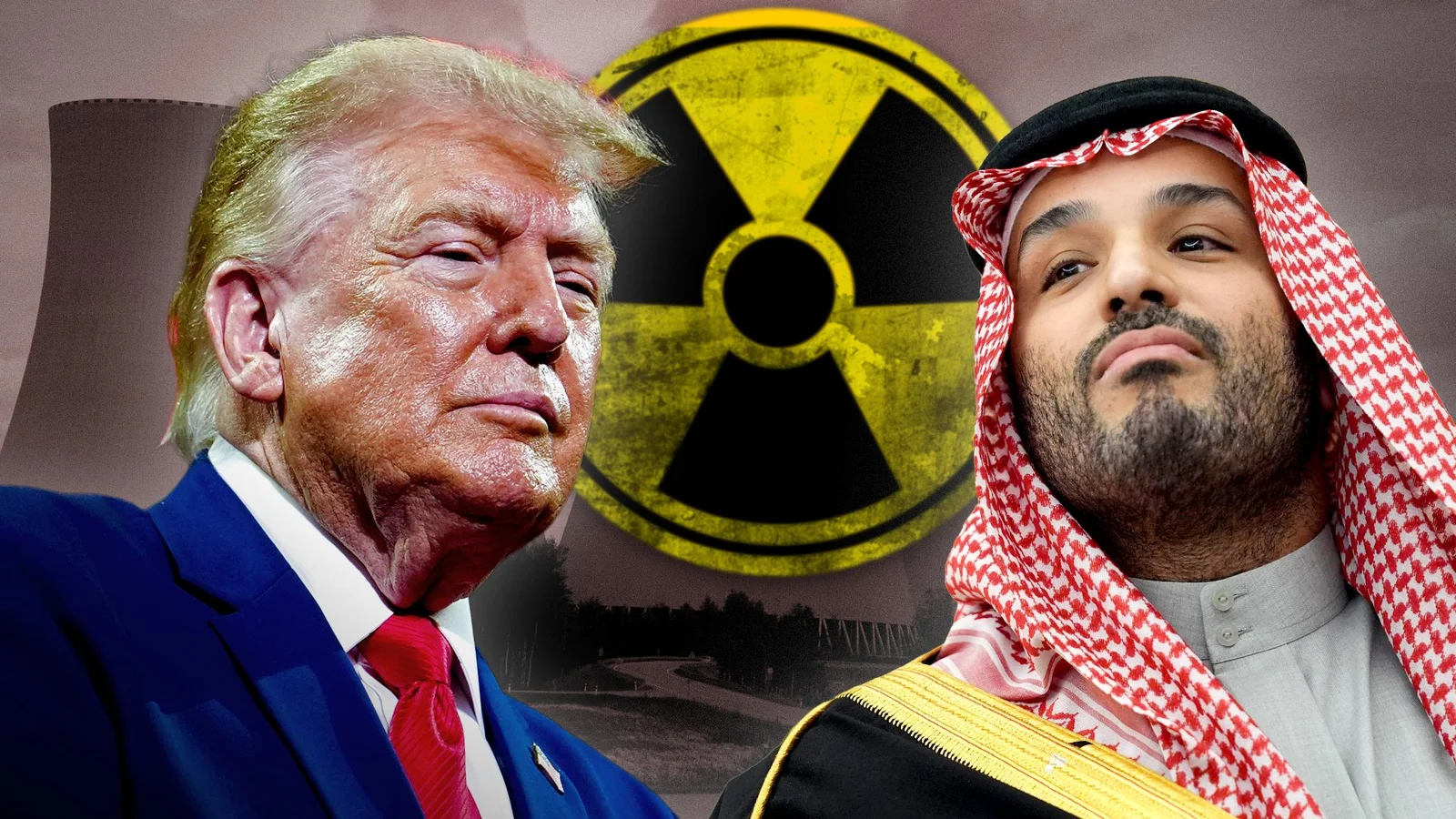
Analyzing Saudi Nuclear Deal conditions
What is the significance of the U.S.-Saudi nuclear deal? An official text of the agreement has not been released yet, but if the leaked portions faithfully reflect the deal, the United States has agreed to help develop Saudi Arabia’s nuclear program over thirty years. This includes a uranium enrichment facility that American companies would operate. Despite, or perhaps because of this provision, the agreement reportedly does include safeguards against enrichment and nuclear fuel reprocessing, which are important for weaponization. Previous negotiations between the United States and Saudi Arabia over nuclear technology required the Saudis to accept what is called the Additional Protocol, which is enhanced inspection by the UN nuclear watchdog, but the current deal has no such requirement.
Without the benefit of an official text, it is difficult to compare Trump’s agreement and the May 2009 agreement between the United States and the UAE concerning cooperation and development of peaceful use of nuclear energy. That deal includes a full range of safeguards and prohibitions against weaponization that seem to be missing from the agreement with Saudi Arabia. It also does not involve American companies managing what the Wall Street Journal calls “‘black box’ enrichment facilities.”
Iran impacts Saudi Nuclear Deal
Did the Iran war—and Iran’s contested nuclear program—have a bearing on the deal? Iran’s nuclear program has definitely had a bearing on the Saudi desire for its own nuclear capability. The Saudis have long expressed an interest in developing a nuclear program. In 2018, Crown Prince Mohammed bin Salman told 60 Minutes that “Saudi Arabia does not want to acquire any nuclear bomb, but without a doubt, if Iran developed a nuclear bomb, we will follow suit as soon as possible.” Whether Operation Epic Fury, the U.S. military campaign against Iran, had any bearing on the deal that Saudi Arabia recently signed with the United States is a bit murkier.
It is reasonable to believe that officials in Riyadh are concerned that the war will encourage the Iranians to invest in weaponization of their nuclear program, which has been heavily damaged but elements of which are reported to be intact. It is true that the Iranians have stated they do not intend to develop a nuclear weapon. It is unlikely that they would commit to that position over the long term given that nuclear weapons seem to be a guarantor of regime security. There was no Operation Epic Fury to disarm North Korea, for example. The Iranian leadership surely understands the difference between their situation and that of Kim Jung Un.
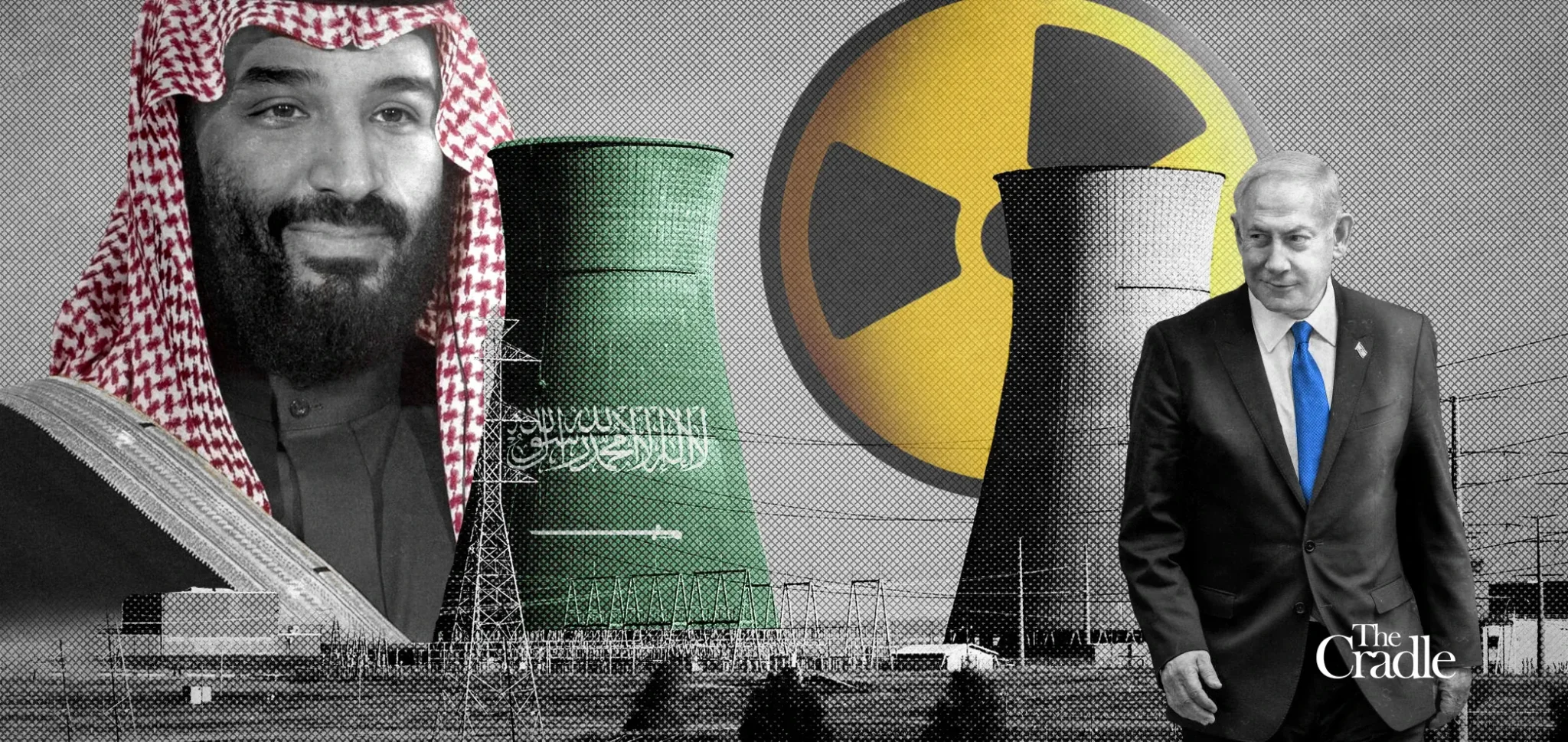
Saudi Nuclear Deal riles Israel
Why did Israel oppose the deal as announced? The Israelis have two primary concerns. First, as much as they want normal relations with Saudi Arabia, they do not necessarily trust that the Kingdom would not take a hostile turn in the future. There is precedent for this, of course.
The Israelis had good relations with the Shah of Iran, but the Iranian revolution of 1978–1979 upended those ties and in the place of the Pahlavi dynasty, the Israelis confronted a hostile clerical regime that has doggedly pursued a nuclear program, funded anti-Israel proxies, and made Israel’s destruction state policy. As much as the Israelis appreciate the differences between Saudi Arabia and Iran, which are considerable, from their perspective if it happened to the Shah, it could happen to Crown Prince bin Salman.
Second, Israel is an undeclared or all-but-declared nuclear state. That status confers on it a significant amount of power. If Saudi Arabia or Iran or some other country were to develop nuclear capability, it would likely change the balance of power in the Middle East—and not in Israel’s favor. Having a monopoly on nuclear weapons (something the Israelis do not admit) benefits Israel’s security.
Will Saudi Nuclear Deal survive
The White House now says the deal is contingent on Saudi Arabia signing the Abraham Accords. What are the prospects for the Saudis agreeing to that? It seems unlikely. The Saudis have been clear since at least mid-2024 that for them to normalize ties with Israel, there would need to be a serious and time-limited diplomatic process that leads to the establishment of a Palestinian state. This is a requirement that under present political circumstances, Israel cannot satisfy. Polls show that about two-thirds of Israelis oppose a two-state solution and all of Israel’s opposition political candidates have studiously avoided addressing the issue ahead of the country’s late October elections.
In time, both Israeli public opinion and Saudi preconditions might change, but for now, the U.S. president’s post hoc declaration that the signed agreement is contingent on Saudi Arabia joining the Abraham Accords leaves the nuclear deal in a state of diplomatic suspension. This situation is likely to cause tension between Washington, which treats the president’s social media posts as official policy, and Riyadh, which has committed to a diplomatic agreement.