
Operation Epic Fury degraded Iran’s conventional forces, yet the Strait of Hormuz remains closed and nuclear material unsecured. Washington must define clear goals, maintain military and economic pressure, and secure open sea lanes.
The military campaign against Iran has entered a precarious post-ceasefire phase in which tactical destruction has not produced a coherent political settlement. Operation Epic Fury eliminated much of Iran’s conventional military capacity, but the Strait of Hormuz remains closed or severely degraded, and the regime retains enriched nuclear material. The Iran Endgame therefore demands an outcome that goes beyond battlefield damage: free maritime transit, verified removal of nuclear stockpiles, and sustained economic pressure on Tehran.
Without such clarity, the United States risks a prolonged crisis that erodes global trade and invites strategic opportunism from China. The Iran Endgame also requires aligning military, economic, and diplomatic instruments, because no single line of effort can force the regime to accept terms. Washington’s failure to articulate a theory of victory has deepened confusion among Gulf partners and given Tehran room to frame the war as an American-Israeli venture. Four months after the April ceasefire, the status quo still favors Iran. Restoring open sea lanes and securing nuclear material must be stated as explicit, non-negotiable conditions for closing the conflict.
Iran Endgame Begins with Clear Goals
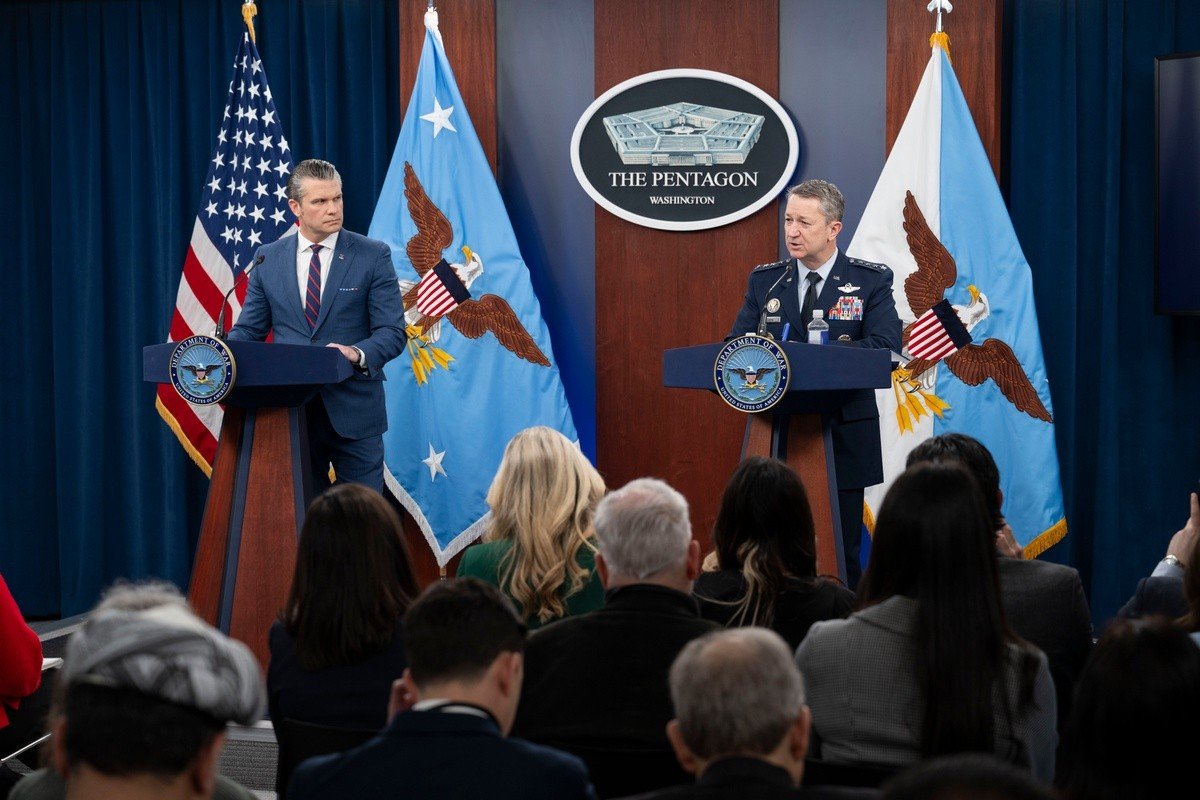
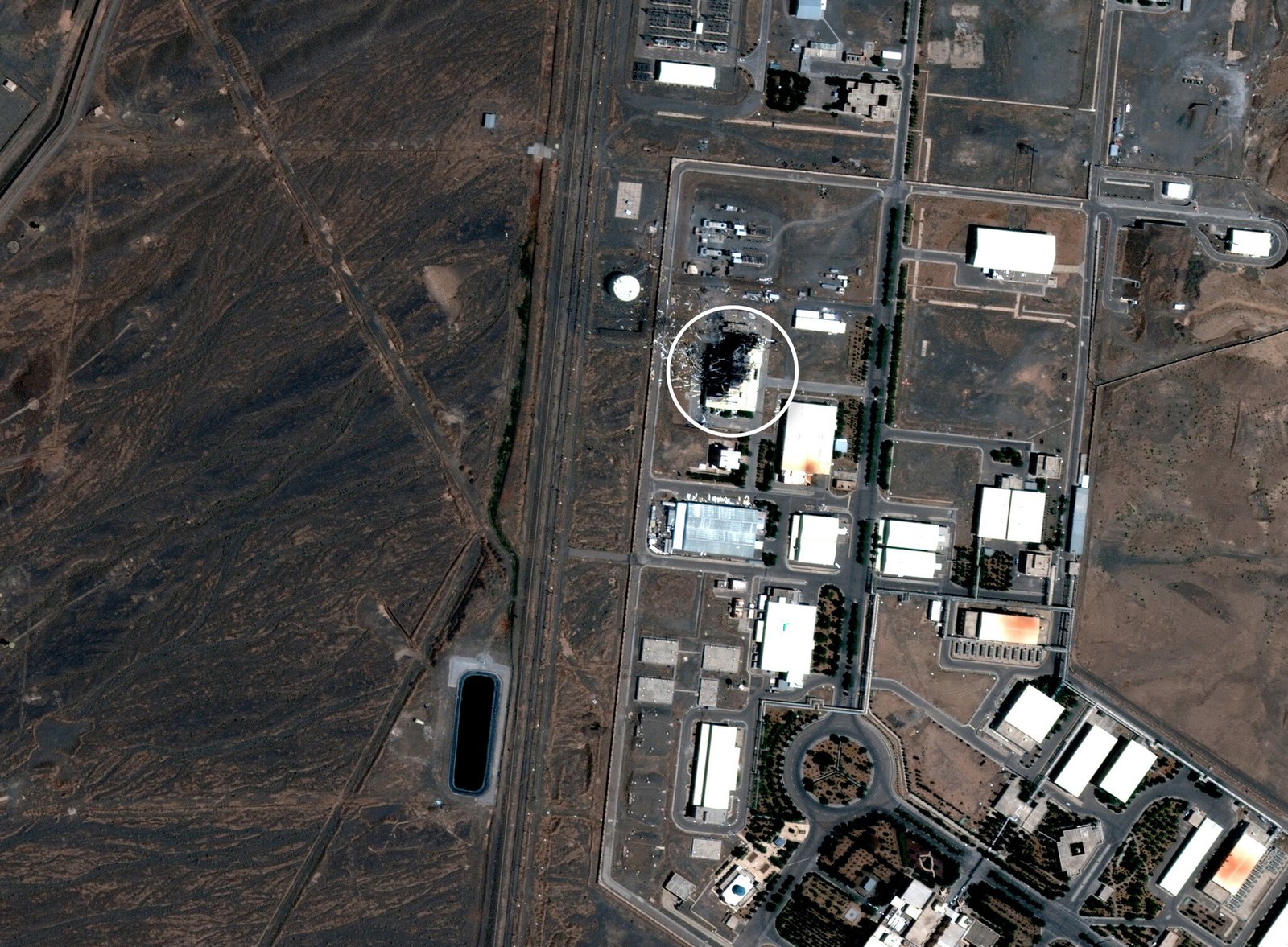
In the early days of Operation Epic Fury, Secretary of Defense Pete Hegseth stated that the mission was to “Destroy Iranian offensive missiles, destroy Iranian missile production, destroy their navy and other security infrastructure, and they will never have nuclear weapons.” The conflict opened with decapitation strikes intended to kill as many regime leaders as possible to paralyze key decision makers, and the first weeks of the conflict were marked by a relentless bombing campaign in support of U.S. and Israeli military objectives.
By the April cease-fire, the United States and Israel had struck nearly 24,000 regime targets. The relentless air campaign included leadership, command and control, defense infrastructure, air defense, and maritime targets and was designed to compel Iran to quickly agree to terms that would meet the stated military objectives.
Epic Fury’s Relentless Bombing Campaign
Critics of the war expressed concern over the lack of strategic ends the conflict was designed to accomplish and highlighted that the absence of a clearly articulated end state could lead to a protracted conflict and result in the eventual need to introduce ground troops. While it can be argued that the military goals of eliminating Iran’s ability to develop a nuclear weapon, reducing its ballistic missile program, and defanging its proxies provided a sufficient end state, the administration’s continual inability to clearly enunciate its theory of victory confused the public, potential allies, and the Gulf Arab states caught up in the middle of the war and provided opportunity for the Iranian regime to exploit apparent U.S. confusion.

Critics Warned of a Missing Endgame
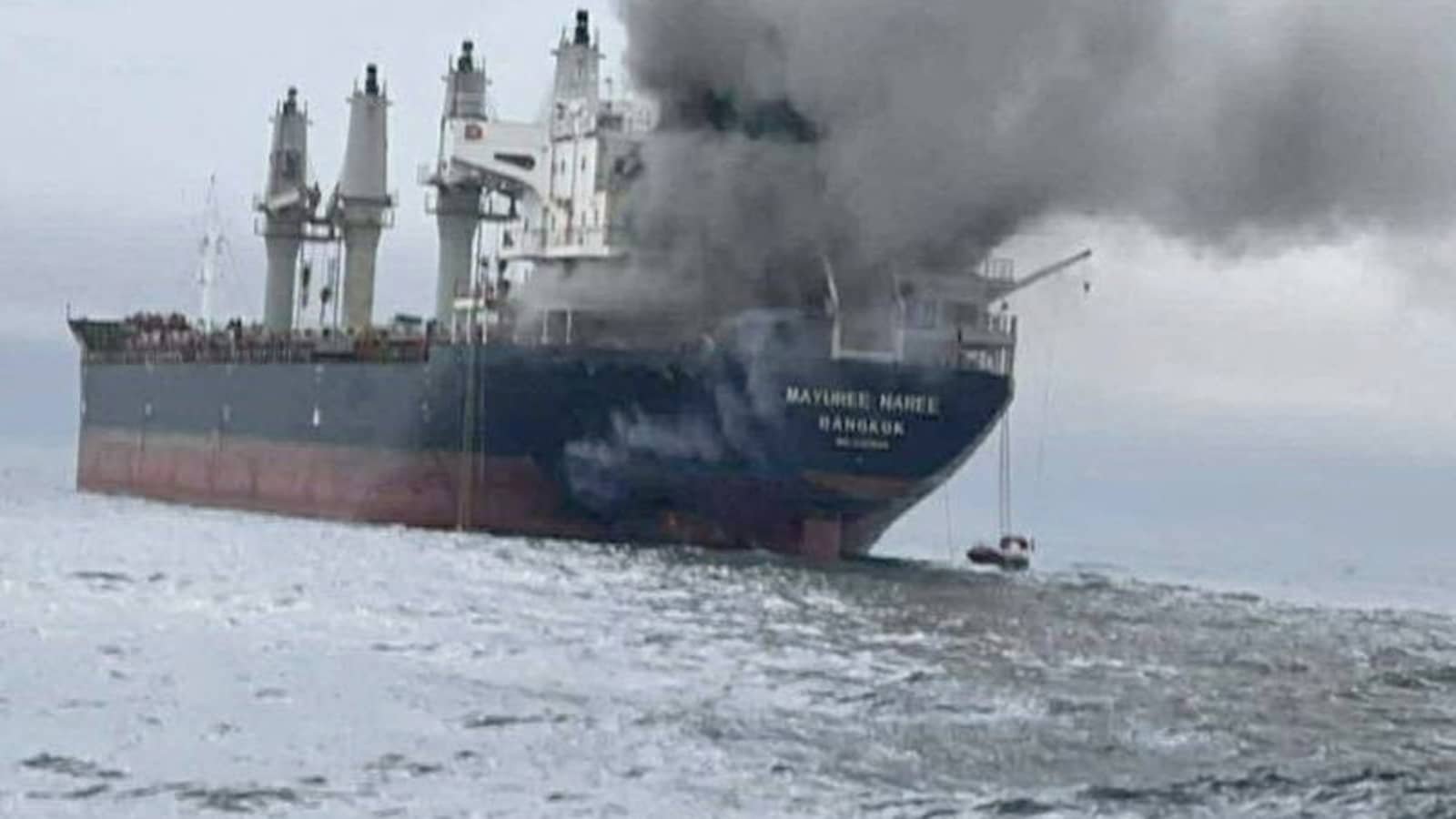
Despite the ferocity of the early weeks of Epic Fury, the regime proved capable of effectively retaliating. In the first month of the conflict, Iran launched roughly 4,295 drones, 1,840 ballistic missiles, and 37 cruise missiles. While the regime directed much of its targeting at bases hosting U.S. military assets in the region, it also attacked neighboring civilian infrastructure, including houses, airports, desalinization plants, and oil facilities. The regime also declared the Strait of Hormuz closed and immediately began attacking civilian ships attempting to transit, resulting in thousands of mariners being trapped inside the Gulf.
Just five weeks into the military campaign, with the Strait of Hormuz still effectively closed and Iran still conducting drone and missile attacks, and without an agreement on the disposition of regime held nuclear material, the United States and Iran declared a cease-fire. The regime survived five weeks of intensive bombing, had its conventional navy, air force, and air defense forces destroyed, and lost several layers of senior leadership but was still able to attack shipping in the strait and strike neighboring countries at will.
Iran Retaliates Across the Gulf
In the four months since the April cease-fire, while negotiations have continued with fits and starts and produced a memorandum of understanding that displayed a predictable level of misunderstanding, the tactical picture remains largely unchanged, and the strategic situation appears to be trending to favor Iran. Even maintaining the status quo, which leaves Gulf shipping functioning at about one-tenth of prewar levels and precludes the Gulf states from rebuilding and securing their countries, is not sustainable for the global economy.
Status Quo Favors Tehran Now
Shortly after the April cease-fire was signed, the United States implemented a naval blockade of Iranian ports, preventing oil exports and war material imports. U.S. administration officials claim that more than 80% of Iran’s international economy travels by sea, so an effective blockade significantly impacts the regime’s ability to raise the money it needs to stay in power. Given that it will take considerable time to starve the regime into submission, other initiatives are required for success.
Naval Blockade Strangles Iranian Trade
The first step should be the clear articulation of what success looks like to the administration. The conflict began without warning or the traditional debates and consultations Americans, and the rest of the world, expect, and the inability or unwillingness of the administration to explain what the attack is intended to accomplish precludes buy in from the U.S. population and potential allies and partners.
An acceptable outcome must include a free and open Strait of Hormuz, and failure to achieve this has negative long-term ramifications for the U.S. position regarding the need to have uncontested seas for the conduct of global trade. The United States has championed freedom of navigation since its founding, and over centuries U.S. leaders have helped developed a global trading system that benefits billions of people worldwide. China, which claims the entire South China Sea as historical Chinese territory, has a vested interest in seeing if the United States is prepared to defend the international order in the strait.
The threat of a nuclear-armed Iran is real. Regional memories are historically long, and this conflict promises to leave an enduring mark on the national conscience of the countries involved. The United States must ensure the enriched nuclear material currently in Iran is removed and an international inspection regime is established to prevent any renewed effort to develop a nuclear weapon.
Open Strait and Remove Nuclear Material
Military power alone will not bring the United States to an acceptable end state, but continued military pressure is a necessary component for success. The regime should pay a military cost for continued attacks in the Strait of Hormuz and against its neighbors. That pressure will need to remain in place until the strait is open and clear, and Iran’s nuclear material is secured.
Economic pressure should also continue in concert with military action. Regime revenue sources should be found and stopped until the conflict has successfully concluded. The economic pressure applied by the blockade and through a rigorous sanctions effort is the only consistent line of effort the United States has applied thus far, and it should be continued.
The administration has vacillated between military and diplomatic efforts against Iran since the beginning of the conflict as if the conduct of one track precludes effort on the other. Additionally, outreach to allies and partners, the broader international community, and the United Nations appears to be completely absent. The Iranian regime has been able to frame the war as an isolated effort on the part of the United States and Israel because the United States hasn’t publicly attempted to frame it any other way.
U.S. leadership has always been most successful at ensuring positive outcomes when it engages the international community and solicits partners in common cause. This diplomatic effort requires attention and is a necessary addition to military and economic pressure to bring the current conflict to an end in a way that stabilizes the region, restores international norms regarding freedom of navigation, and thwarts Iran’s ability to become a nuclear power.