
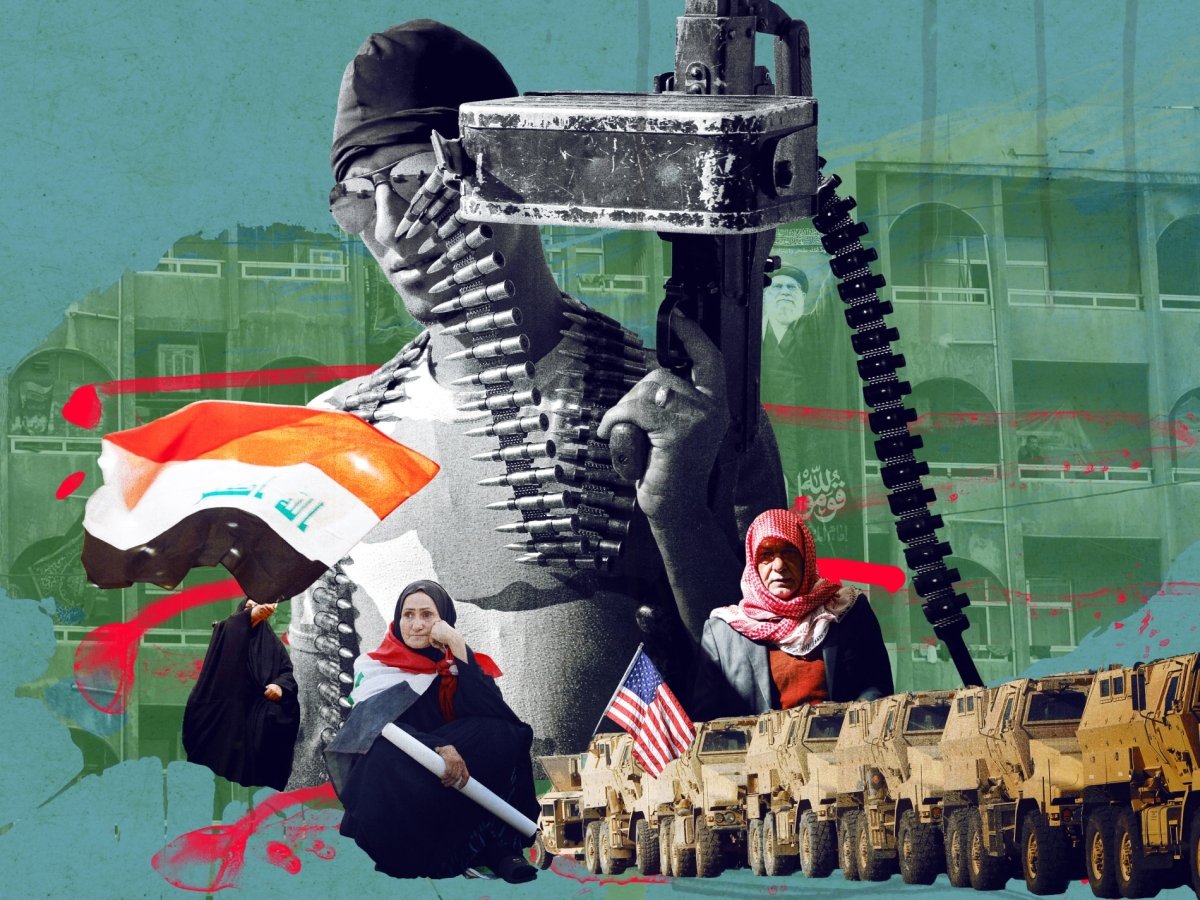
US troops left Iraq by September 2026, but Iran’s political reach endures through Shiite parties and militias. Disarmament stalled, Washington applied economic pressure, and Baghdad remained trapped between competing demands.
The final departure of US coalition troops from Iraq closes a military chapter, but it does not resolve the contest that defined the intervention. Iran Influence in Iraq has endured through party networks, armed factions, and the distributive arrangements that sustain Baghdad’s political system.
Washington spent two decades trying to build a partner capable of constraining Tehran, yet its tools remained economic and diplomatic, while Tehran’s reach operated through Shiite parties and militias embedded in the state. The September 2026 deadline for disarmament passed without movement, exposing the limits of external pressure.
Prime Minister Ali al-Zaidi faces demands from Washington, resistance from Shiite bloc leaders, and the risk of internal strife if he moves too quickly. Iraq’s stability has depended less on US troops than on a delicate balance of interests that no faction wants to destroy. That balance now faces strain as the US-Iran struggle reshapes Shiite politics. Understanding why Iran Influence in Iraq persists requires attention to these domestic bargains, not only to the American exit. The next phase will be fought in cabinet posts, budgets, and militia payrolls rather than on conventional battlefields.
Iran Influence in Iraq Endures
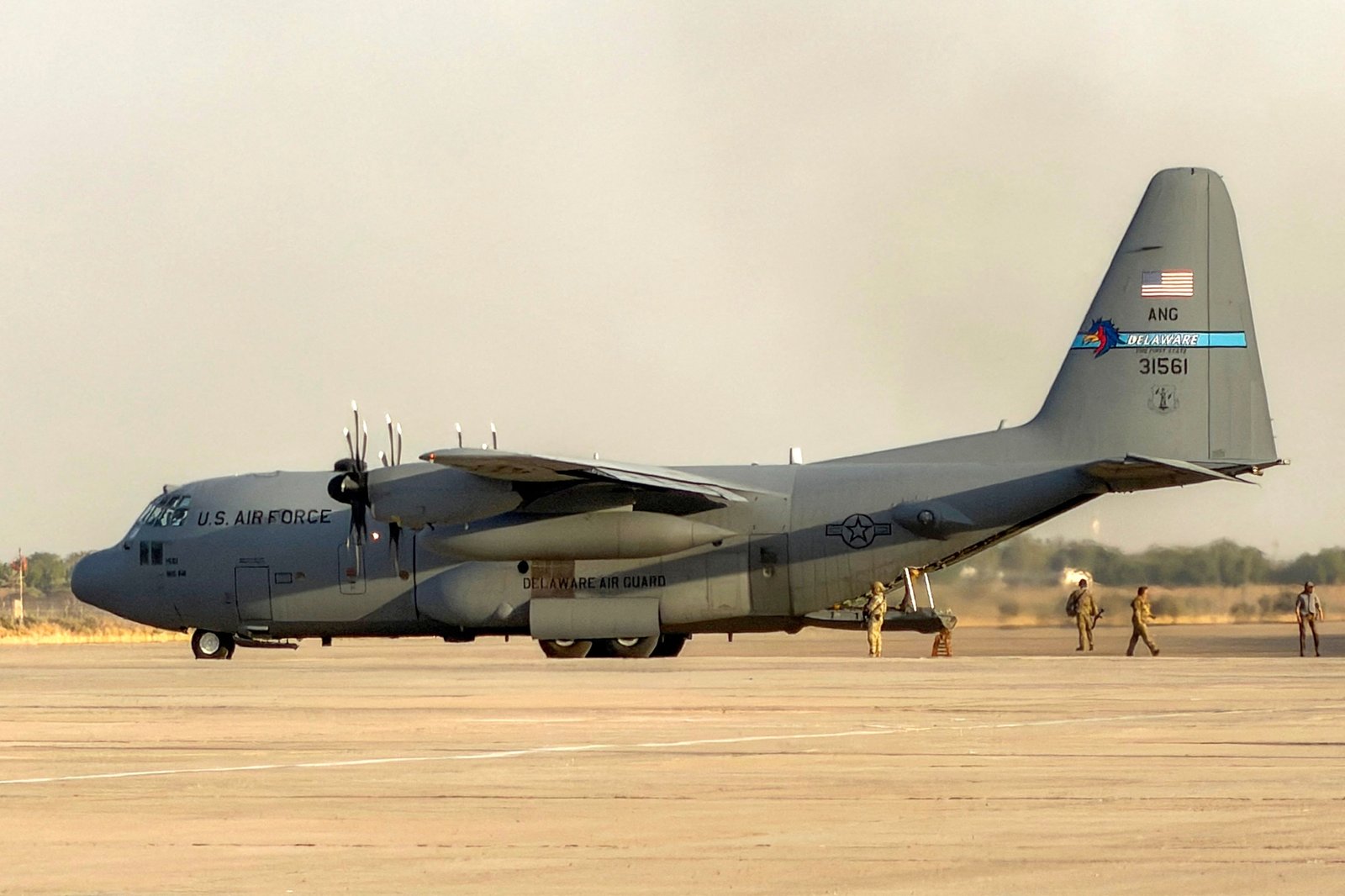
The last US troops belonging to the global coalition to fight the Islamic State (IS) have left Iraq, where they were stationed at Victoria Base at the Baghdad International Airport. But in reality, many had already left well before the 30 September 2026 deadline, starting when Israel attacked Iran in June 2025. American bases in Iraq were further evacuated following the US-Israel war on Iran launched on 28 February 2026.
US troop withdrawal has been a long time coming. In August 2020, during US President Donald Trump’s first term in office, he told then Iraqi Prime Minister Mustafa al-Kadhimi that sending troops to Iraq in the first place was a “major mistake”, in reference to George W. Bush’s War on Terror following the 9/11 attacks. Then, two years ago, then-Iraqi Prime Minister Mohammed Shia al-Sudani’s government negotiated with the leadership of the International Coalition forces and agreed on a timetable to complete the withdrawal by the end of September 2026. The same deadline was later incorporated into the government programme of Ali al-Zaidi’s administration (the current Iraqi premier).
Under Bush, the US envisioned its military presence in Iraq to extend until at least 2011, but things changed when Barack Obama came to office. During his first term in office, Washington stepped back from its political and military role in Iraq, which gave Iran an opening to expand its influence there. It expanded its influence over Iraqi political actors, reinforced by armed factions that effectively did Tehran’s bidding. Over time, US decision-makers came to realise that withdrawing its troops from Iraq prematurely was a mistake.
A more assertive US
By 2014, US troops were redeployed to Iraq, this time to fight the Islamic State (IS)—a terrorist group that suddenly emerged and took over large swathes of Iraq and Syria. Over time, the US began to slowly reassert its political influence in Iraq. By 2025, the Trump administration directly opposed the Coordination Framework’s nomination of Nouri al-Maliki as prime minister, seen as Iran’s pick.
The US objection proved effective, and parliament later appointed Ali al-Zaidi as premier, someone Washington deemed acceptable—especially after the premier vowed to disarm militias in Iraq that were considered to be linked or sympathetic to Iran. The US gave him until 30 September to do this—timed to the deadline for US troop withdrawal.
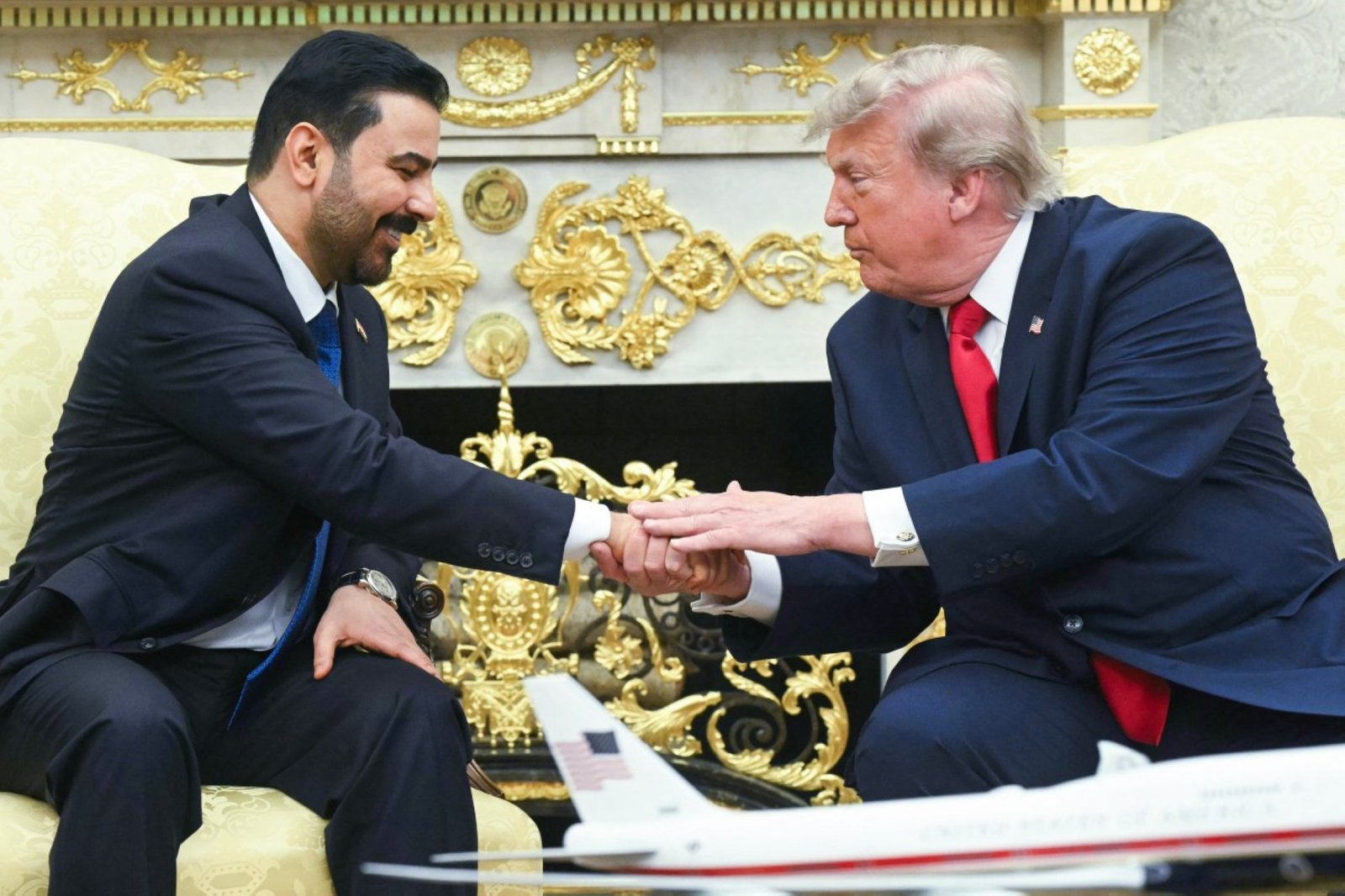
Of course, this task is easier said than done—something that US Special Envoy to Iraq and Syria Tom Barrack seems to have understood. He therefore agreed to give Baghdad a six-month extension until June 2027 to fulfil its end of the bargain. However, US Secretary of State Rubio made no such mention. The Iraqi premier privately met with Trump, along with officials from the state and treasury departments, but details of the meetings have not yet been disclosed.
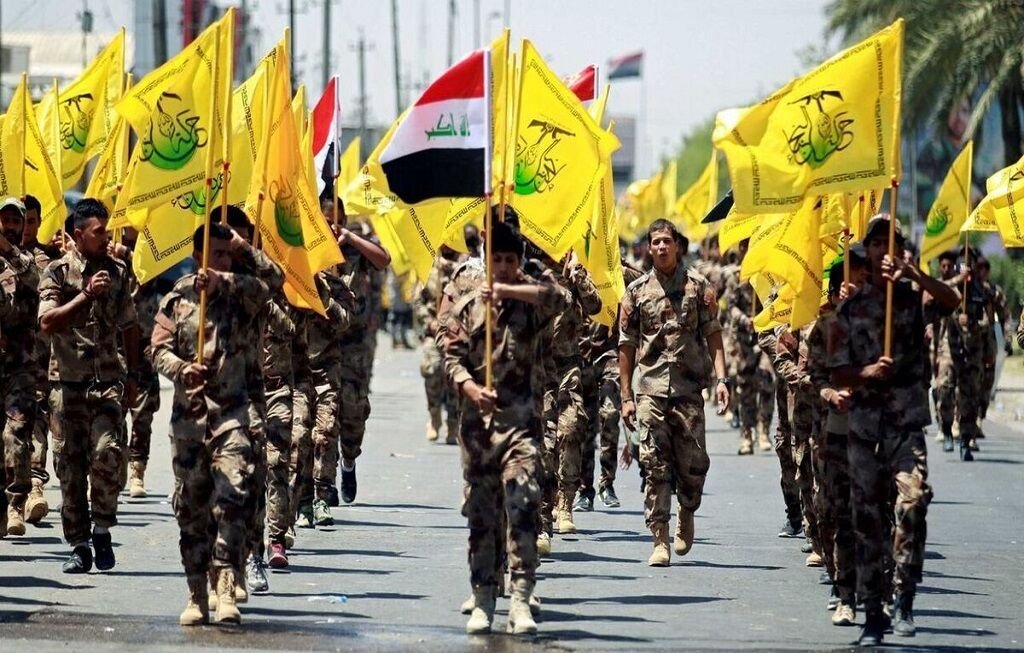
Meanwhile, at home, leaders of the Coordination Framework and some other armed groups have held talks with al-Zaidi and agreed to disarm in exchange for political positions in the government. However, they are still waiting for US approval, as Washington holds sway over cabinet composition. It appears that al-Zaidi’s meeting with Trump will likely give him the leverage he needs to bring political factions seeking to balance their interests between the US and Iran to heel. Washington remains firm in its desire for Iraq to sever—or at the very least constrain—Iran’s political influence in the country.
Tall order
This is a tall order given the fact that large swathes of Iraqis are Shiite and share religious and political similarities with the Islamic Republic of Iran. Therefore, American pressure on Iraq to break away from Iran’s sphere of influence could very well set the stage for internal strife and confrontation.
Since al-Zaidi’s government stepped up its rhetoric against Iran’s influence and vowed to disarm Iraq’s armed militias, Tehran also stepped up its pressure campaign and ultimately prevailed as the 30 September deadline passed without any movement on arms.
And while critics of Iran’s influence in Iraq will see American troop withdrawal as something that benefits Tehran, the presence of the US army was not the reason why internal armed conflict did not break out in the country. It has more to do with the complex network of mutual interests that binds all sides within Iraq’s political system. At the heart of these shared interests is the formula governing political deals and agreements, particularly the distribution of state resources—an arrangement all sides are keen to preserve and control.
Iran Influence in Iraq Survives
Shiite political forces are the most exposed to the effects of the US-Iranian struggle, and divisions within the Shiite Coordination Framework are emerging. Some parties are unwilling to break with Iran, particularly if the US war on Iran fails to produce the regime change that it desires. Others do not necessarily support the US and its regional foreign policy, but also see the danger of armed factions in the country and see state consolidation of weapons as a positive.
Given the complex nature of the Iraqi government, a descent into internal fighting is unlikely—especially after years of bloodshed following the US invasion of Iraq in 2003. From now until the extended disarmament deadline of June 2027, the fight will likely remain low-intensity and confined to the political sphere. Until then, the United States will continue to wield its economic leverage over Iraq, while Iran will exercise its leverage through its influence over Shiite political parties and armed groups. As for Iraq, it will remain trapped between competing US and Iranian demands—a place it has been stuck in for over two decades.