
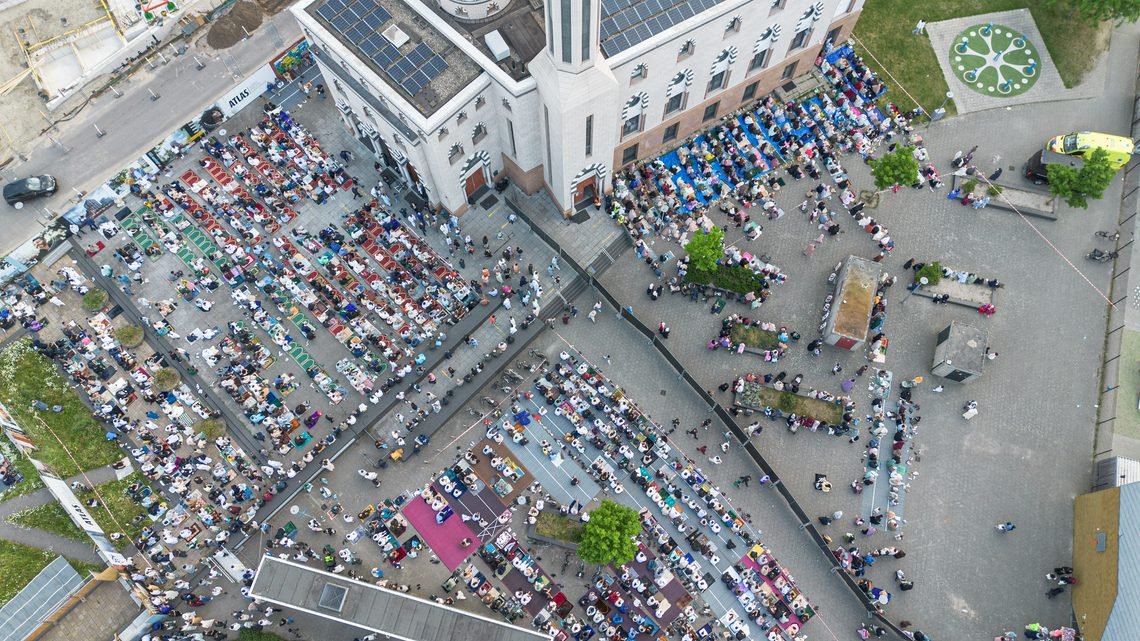
Sweden’s 2026 inquiry into political Islam exposes Europe’s confusion between Muslim Integration and assimilation. Employment gaps persist near 10 points, Muslim pupils are 42 percent of Vienna’s compulsory schools, and France shows generational secularization cannot be assumed.
Why Muslim Integration Needs Clarity
On June 30, 2026, Sweden launched an inquiry into the extent to which political Islam has infiltrated government institutions and its role in fostering radicalization in parallel communities. Eight decades earlier, the philosopher Karl Popper warned: “Unlimited tolerance must lead to the disappearance of tolerance.”
His paradox captures the central question in Europe’s debate over Muslim integration: Can an open society accommodate religious and cultural values that may conflict with its fundamental liberal democratic principles? If so, under what conditions? This dilemma has polarized the European political landscape, partly because mainstream parties failed to address concerns about integration before political momentum shifted toward populist parties.
A nationalist camp emphasizes national identity and security, highlighting unemployment, welfare dependency and religious extremism as evidence of integration failure. By contrast, a multiculturalist camp stresses solidarity and humanitarian obligations and points to progress in employment and naturalization. Neither offers a complete picture.
At the core of this tension lies confusion over the definition of integration, since Europe calls for integration but expects assimilation.
Assimilation Is Not Integration
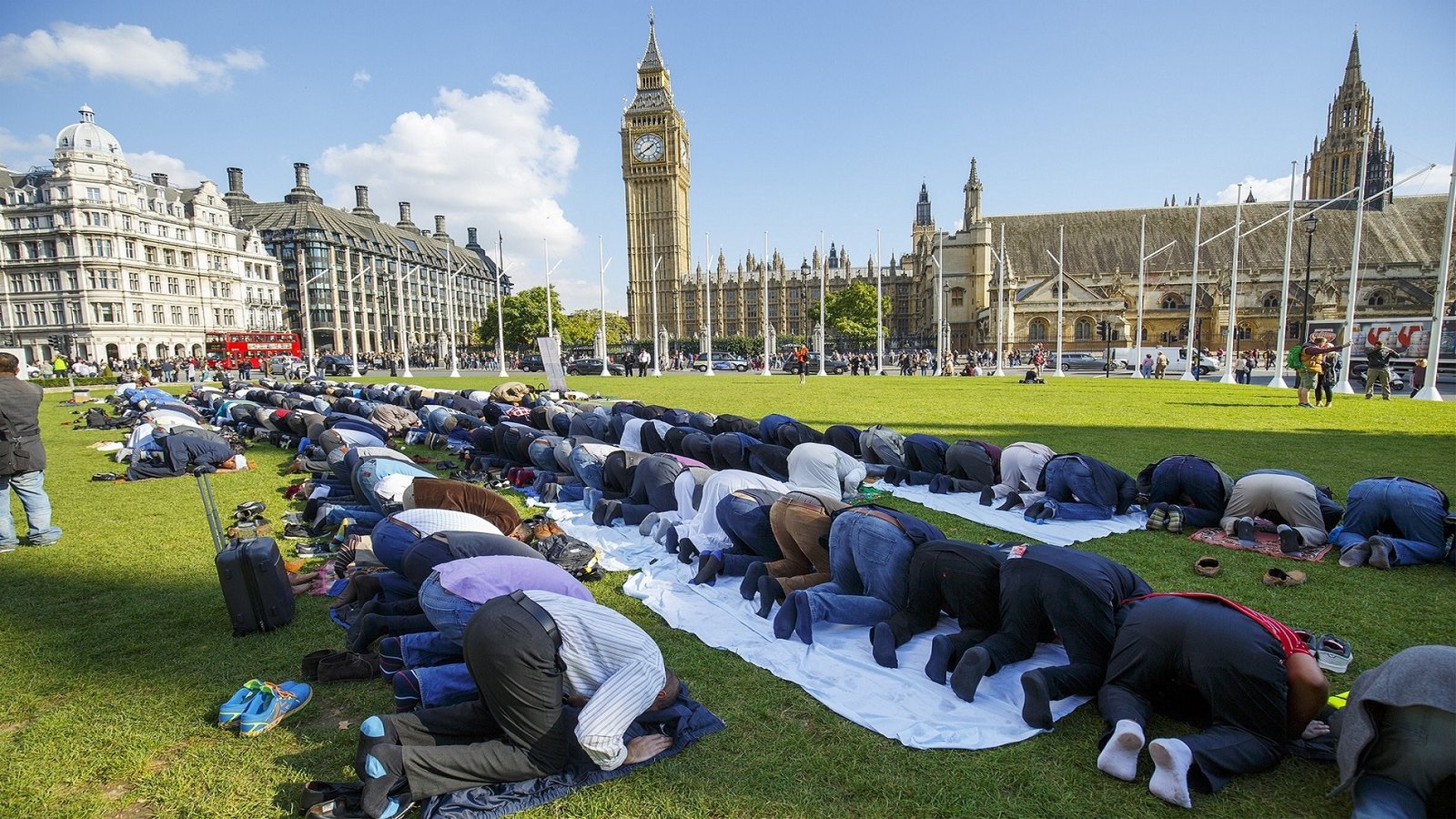
Clarity is essential. The sociologist Hartmut Esser distinguishes four dimensions of integration: structural (jobs and education), cultural (language and norms), social (friendships and networks) and emotional (a sense of belonging). Progress in one does not guarantee progress in another. Economic participation and social mobility do not necessarily lead to cultural assimilation or a sense of belonging to the host society. Expecting Muslims to remove their headscarves and wear dirndl or lederhosen, then, is a demand for assimilation, not integration.
Because European national identities are rooted in Christian heritage and secular traditions, the central question extends beyond structural integration to cultural compatibility and recognition. Can differing religious identities coexist with the primacy of democratic law, gender equality and individual autonomy? And will European societies recognize those non-Christians who uphold these principles as fully European? For instance, would a devout Muslim politician who wears a headscarf be accepted as sufficiently integrated?
Employment Gaps Persist Despite Progress
Older Europe, younger Muslim Europeans
Labor market participation is a key indicator of structural integration and a pillar of social inclusion. European Union Labor Force Survey data from 14 Western European countries shows that migrants’ employment improved between 2015 and 2024. Yet because natives’ employment improved at a similar pace, the gap between the two groups remained close to 10 percentage points.
In Germany, 64 percent of refugees who arrived in 2015 were employed by 2024, approaching the overall employment rate of 70 percent. This progress partly reflects longer residence, the recognition of qualifications and funded training programs. However, a substantial gender gap persists: 76 percent of refugee men were employed, compared with just 35 percent of refugee women. Among women in the overall population, the rate was 69 percent.
Similarly, in Austria, the 2025 employment rate among people with a migration background from Afghanistan, Syria and Iraq stood at 50.6 percent overall, and just 28.9 percent among women. These figures illustrate gradual structural integration alongside persistent gender disparities among migrant populations.
Europe’s Demographics Are Shifting Fast
Beyond the labor market, migration is reshaping Europe’s demographic profile: Migrant populations are younger and have higher fertility rates than the European average. The influx of refugees in 2015 added another dimension to this transformation, shaping the conditions for future integration without determining its outcome.
According to the Pew Research Center, Europe’s Muslim population reached 25.8 million, or 4.9 percent, in 2016, with a median age of 30.4 years, compared with 43.8 years among non-Muslims. In a zero-migration scenario, the Muslim share would be 7.4 percent by 2050. With continued migration, it would reach 11.2 percent, driven by a younger age structure and higher fertility rates. These projections reflect broader demographic changes across Europe, where birth rates are declining and the population’s composition is shifting.
In 2024, the total fertility rate for women in the EU was 1.34 births per woman, while nearly one in four babies was born to a mother who had migrated to the EU. In Austria and Germany, more than one in three babies was born to a foreign-born mother, illustrating the growing contribution of migrant families to Europe’s younger generations. Austrian data for 2025 show that women from Afghanistan, Syria and Iraq had a total fertility rate of 3.37, compared with 1.57 among all foreign-born women and 1.19 among Austrian-born women.
Nevertheless, there was a decline in the overall fertility rate among women of foreign nationality in Germany, from 2.27 children per woman in 2017 to 1.78 in 2025, suggesting that education and employment may contribute to demographic convergence.
This demographic change is already visible in Europe’s classrooms. In Vienna, Muslim pupils made up 42 percent of students in public compulsory schools in the 2025-2026 school year, and about 49 percent in public lower secondary schools (Mittelschulen).
Will Muslim Voters Reshape Europe?
Demographic change will also reshape Europe’s political and foreign policy landscape as a second generation born and raised in Europe comes of age. One question is how far global conflicts, such as the war in Gaza, might influence election outcomes or shape foreign policy priorities. Another is whether the political engagement of Muslim voters will reinforce democratic principles or deepen identity-based divisions.
Beyond a clash of civilizations
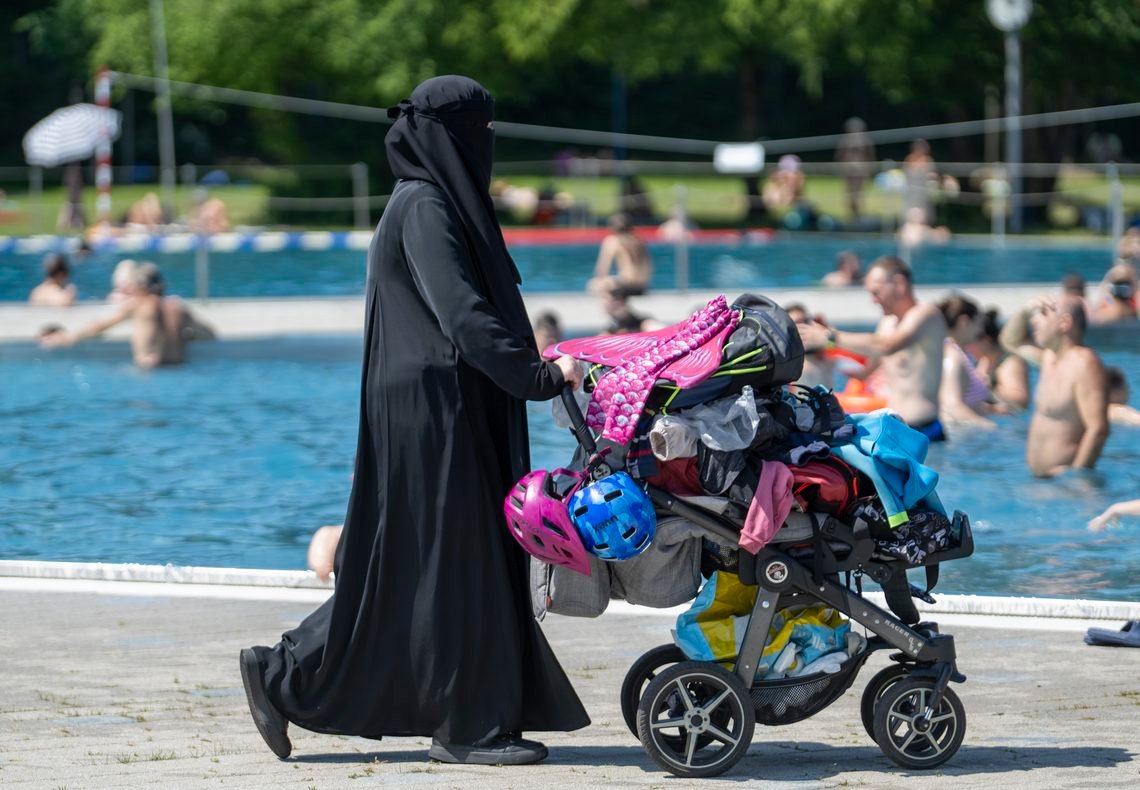
Samuel Huntington’s “clash of civilizations” thesis casts Islam and the West as two of the world’s main rival blocs. Yet Europe’s integration dispute shows that this clash involves at least three distinct groups of the migrant population. The first consists of secular democrats who adhere strictly to constitutional law. The second consists of religious conservatives and Islamists who place religious doctrine above all else. The third and most significant group, arguably the majority, consists of liberal and culturally integrated Muslims caught between these opposing positions.
Democratic values and religious beliefs are, of course, not inherently incompatible. A clash is, therefore, less about Islam versus the West than about differing religious interpretations and ideological doctrines that may collide with democratic principles, particularly on individual autonomy, gender equality and the acceptance of sexual minorities. The fundamental question is whether a migrant’s loyalty to divine authority of a religion based in another country takes precedence over constitutional law of the host country, when the two conflict.
Evidence from France suggests that generational secularization cannot be taken for granted. A 2025 IFOP survey of 1,005 Muslims, drawn from a representative sample of more than 14,000 people, found that 80 percent identified as religious, rising to 87 percent among those aged 15-24. Where religious rules conflict with French law, 44 percent said they prioritized the former, compared with 49 percent who prioritized French law. Among Muslim women aged 18-24, the share who wear a headscarf rose from 16 percent in 2003 to 45 percent in 2025.
Who Speaks for Muslim Communities?
Another challenge is the imbalance in who is heard in Europe’s integration debates. Secular migrants and liberal Muslims are largely unorganized and have limited visibility, while conservative religious associations and political Islamist groups control many mosques and maintain stronger transnational networks. This imbalance may allow these well-organized but potentially disruptive groups to claim sole authority to speak for diverse Muslim and migrant communities.
Isolation and segregation among migrants may stem from various factors, including cultural differences, discrimination and social exclusion within the host society. Consequently, migrants and their offspring may increasingly define their identities in religious terms, particularly when they struggle to be accepted as Europeans. In such cases, religion can become a source of recognition and belonging.
A 2024 study by the Netherlands Institute for Social Research found that trust in others was lower in the most diverse neighborhoods (57 percent) than in the least diverse (64 percent), although residential segregation may be a more decisive factor than diversity itself.
More on Shifting Populations
Asylum seekers versus economic migrants
Looming demographic shifts in the 21st century
The divergent immigration challenges in the U.S. and Europe
Another perspective on these dynamics comes from Antonio Gramsci’s concept of cultural hegemony, which explains how certain cultural and social norms become dominant through consent rather than coercion.
Muslim Integration Requires Two Conditions
Theoretically, Muslim-majority schools or communities do not inherently produce such hegemony. The key question is how far prevailing local social conventions and ideas of masculinity constrain those who depart from these norms, particularly women seeking autonomy over their education, sexuality and lifestyle.
Taken together, these findings suggest that integration neither fails nor succeeds automatically. It depends on two interrelated conditions.
The first is whether Muslim communities accept the supremacy of democratic law over their own religious doctrine, particularly in matters concerning individual freedoms and gender equality. The second is whether European societies include migrants who embrace Western democratic values as equal members of society, irrespective of their religious beliefs or visible symbols of faith. When either condition goes unmet, the other weakens, and Huntington’s “us versus them” dynamic sustains itself.
The real test for Europe is whether its societies are prepared to accept their increasingly multicultural and diverse identities and to what extent national policies can foster the integration of the next generation within a shared constitutional framework, without unintentionally expecting cultural identification or assimilation.
Ultimately, the future of integration in Europe will depend less on the persistence of religious identities than on whether democratic institutions can protect individual autonomy, equal rights and freedom of belief within a shared constitutional order.
Scenarios
Most likely: Steady economic integration, uncertain cultural convergence
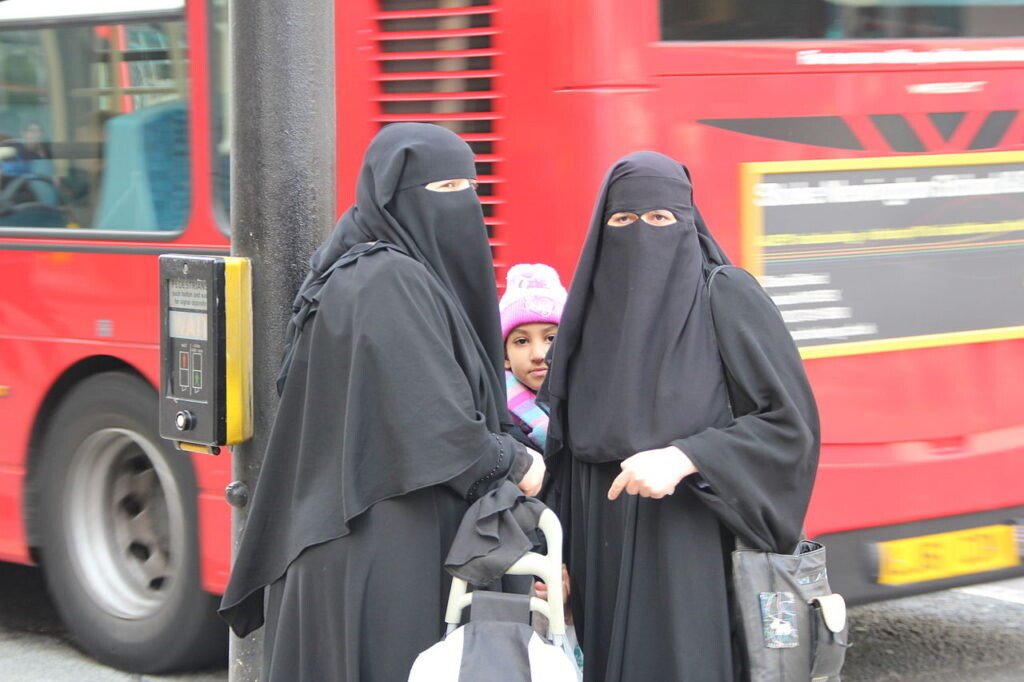
Structural integration and social capital of migrants will improve gradually, especially among younger cohorts, yet these gains will not necessarily produce secularization or full adoption of liberal democratic norms as sought by native populations. Religious identification and conservative attitudes toward gender roles and sexuality are likely to persist across generations. Migration and integration will remain a dividing line at the ballot box, even as Muslim citizens become a voting bloc in their own right.
Europe will experience greater structural integration without guaranteed cultural convergence.
Likely: A belated policy correction
In response to growing public concern over parallel societies, social fragmentation and political Islamism, governments could introduce more restrictive integration policies. These might include stricter eligibility rules for social benefits, higher language and education requirements for residence, tighter naturalization criteria, remigration incentives and limits on where new arrivals may settle, to prevent residential concentration.
Governments could oversee the training and qualifications of imams and religious teachers, target the activities of suspected extremist networks and increase scrutiny of foreign funding for religious organizations.
Governments might also elevate secular, liberal and female Muslim voices in the hope of promoting more liberal readings of Islam as well as support for Western democratic values of the host countries. At the same time, governments could draw a clear distinction between religious freedom on the one hand and political Islamism and extremism on the other.
Mainstream parties could regain public confidence if they implement such measures consistently while respecting individual rights.
Less likely: Consolidation of parallel structures
Persistent cultural and ethnic segregation, combined with gender inequalities in education and employment, could reinforce social isolation and restrictive norms within increasingly closed communities. Religious and ideological networks could gain influence both locally and on digital platforms, particularly where opportunities for social mobility remain limited.
Political polarization could intensify debates over national identity and reinforce societal divisions. Far-right parties would likely advocate stricter immigration and integration policies, left-wing parties would defend the cultural and religious rights of minorities, and religious movements would mobilize around perceived discrimination, cultural identity and international conflicts. Europe could face increasingly fragmented communities, with social and cultural tensions spilling into the streets.