
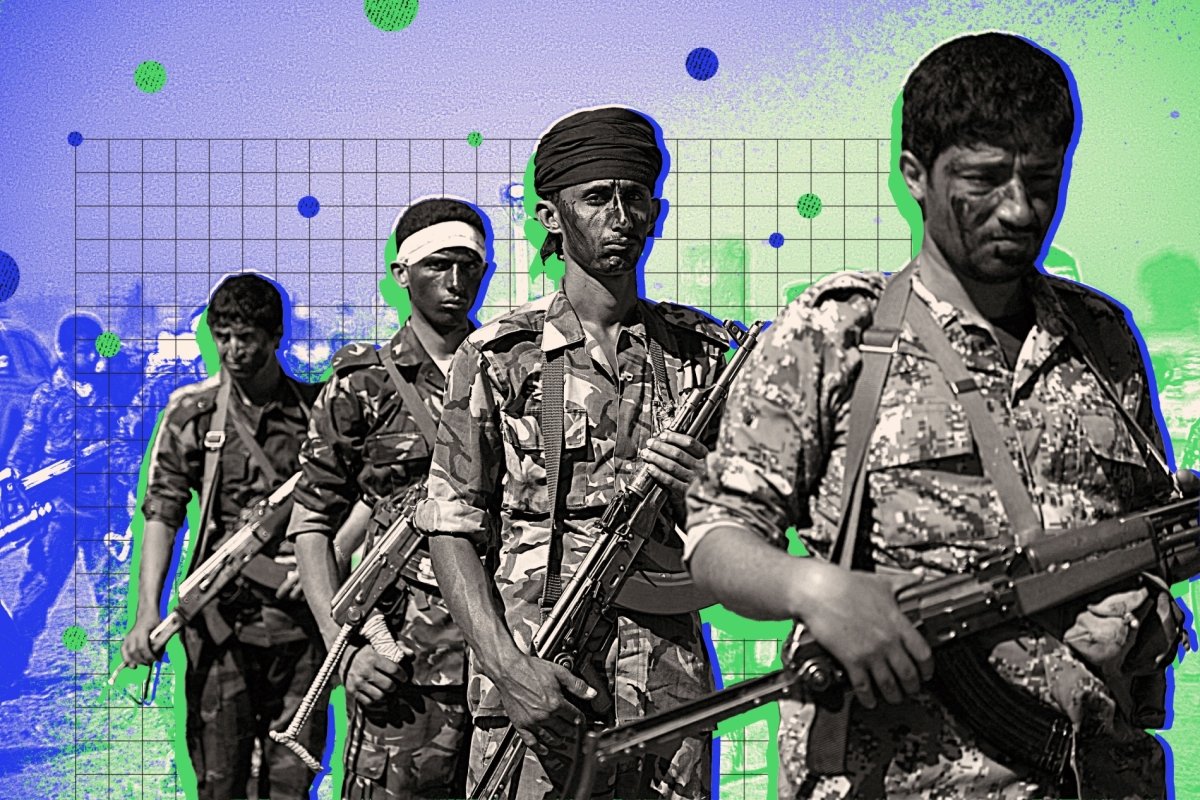
Iran-Houthi Escalation fuses Hormuz, Bab al-Mandab, and Saudi energy targets into one battle, but instead of isolating Riyadh it rallies G7, Britain, France, Türkiye, and Pakistan behind Saudi strategic defense.
Iran-Houthi Escalation Backfires Already
From the Strait of Hormuz to Bab al-Mandab, an Iranian-directed pressure arc has targeted both the world’s energy needs and Saudi Arabia’s alternative routes. Its pipelines, airports and energy assets have all been targeted. The campaign—spearheaded by the Houthis in July in the south, followed by attacks carried out by Iraqi militias in the north (particularly Kataib Hezbollah)—seeks to constrict every fallback position until Riyadh has none left.
By imposing multi-layered costs on Saudi Arabia and global energy markets, the IRGC-directed horizontal escalation strategy is designed to, first, corner and isolate Riyadh and, second, narrow its strategic options. But there are already signs that this strategy is backfiring.
The more Iran, the Houthis, and Iran-backed Iraqi militias fuse Hormuz, Bab al-Mandab, Saudi energy infrastructure and bypass alternatives, as well as freedom of navigation into a single battle, the more challenging it becomes for global powers to view each crisis separately or pretend this does not affect them.
This could rally international support for Saudi Arabia and the Yemeni government at a time when both are looking to mobilise forces to fight the Houthis and diversify their security relationships. This would draw in the external support that Iran and its ‘axis of resistance’ had hoped to neutralise.
Houthis Target Saudi Energy Assets
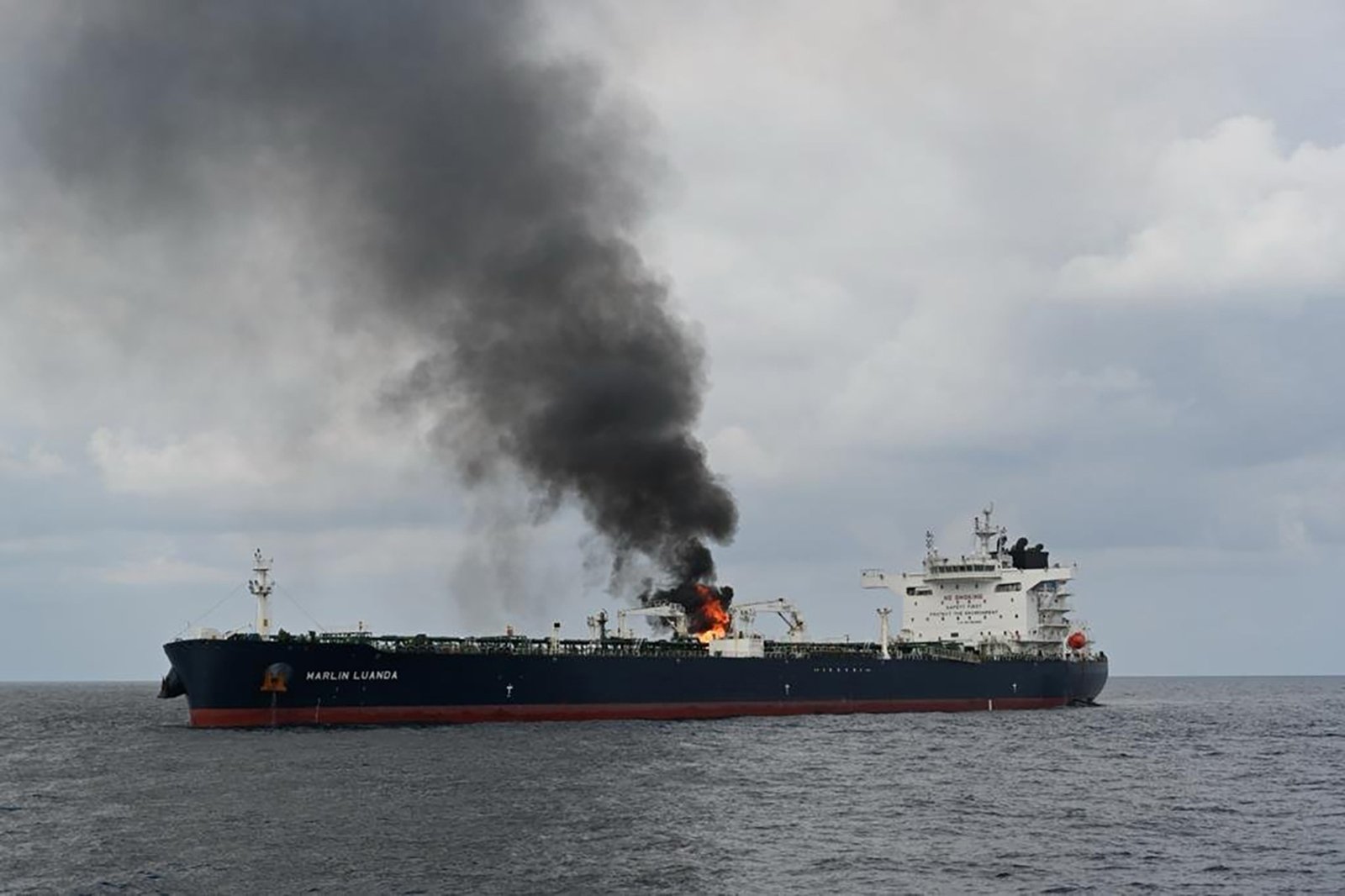
The Iran-backed Houthis sit at the heart of this escalation architecture. In July, they began targeting Saudi Arabia’s southern Jizan and Abha regions. By September, attacks on Taif, Mecca and Riyadh were recorded. Meanwhile, at sea, the Houthis have placed a “maritime embargo” on Saudi Arabia since mid-July, striking ten ships, sinking one, and killing and injuring a total of 16 seafarers and rescuers. The renewed attacks have naturally increased the threat level along the Red Sea, driving up insurance and shipping prices and delaying delivery timelines.
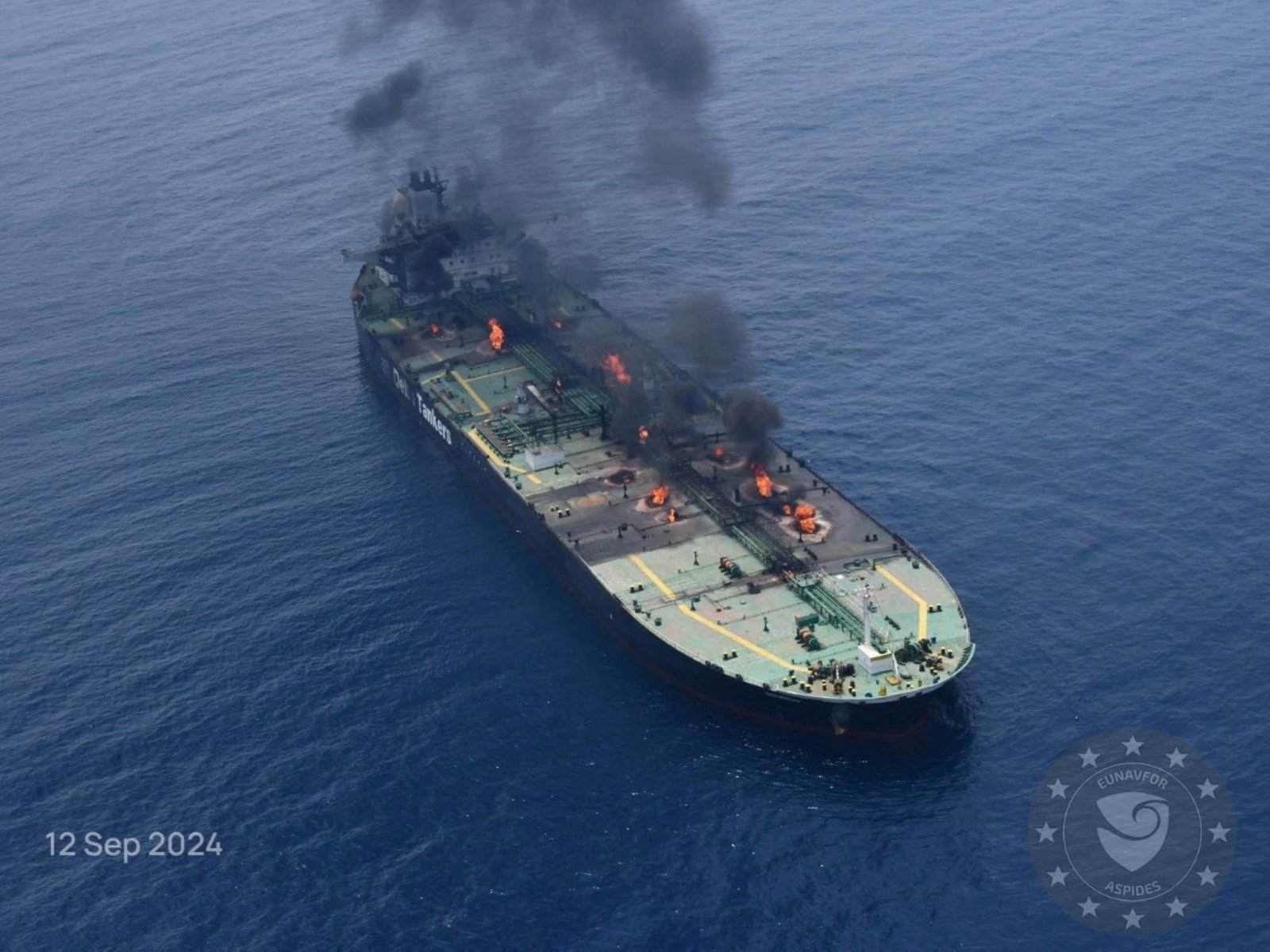
Between 3 July and 26 September, at least 37 sites were hit in Saudi Arabia, 33 of which are believed to have been carried out by the Houthis and four came from Iraq, according to Horizon Brief. Between July and September, Houthi attacks on Saudi Arabia rose by 333%.
The Iraq-based 9 September drone strikes damaged three pumping stations, temporarily disrupting the East–West Pipeline, which transports approximately 4-5 million b/d, or 4-5% of global crude supply, 1,200 kilometres from Saudi eastern fields to Yanbu on the Red Sea, enabling exports to bypass Hormuz. The strikes were designed to maximise disruption, stretch air defences, and shrink Riyadh’s support for the Yemeni government.
The two-strait trap
The 9 September Iraq-based strike coinciding with the Houthi push for the Southern Red Sea coast and Bab al-Mandab is a clear illustration of Iran’s strategy. By 11 September, the Houthi rebels, with help from Iran’s Revolutionary Guards Corps (IRGC) and Hezbollah, stormed through al-Mocha, al-Khokha, Hays, and Dhubab, as well as the strategic islands of Zuqar, Hunaish, and Mayyun/Perim, sitting above and in the middle of Bab al-Mandab. This extended control of the coastline and busy international waterway strengthens Iran’s leverage in the ongoing war with the US.
Maximum proximity to Bab al-Mandab improves Houthi-IRGC surveillance, shortens strike and warning timelines, enables deployment of direct-fire arms including ATMGs and RPGs, and compresses the sensor-to-shooter gap for drones, missiles, rockets, booby-trapped boats, and naval mines that were already disrupting Red Sea shipping from a distance. Moreover, control over this area makes it easier to secure illicit arms flows to sustain their war effort.
Houthis Try Compartmentalizing Conflict
Mindful of international responses to Houthi attacks on shipping in the Red Sea in 2024-2025 (in response to Israel’s war on Gaza), the group has tried to limit the political fallout of the Bab al-Mandab advance by compartmentalising it. After their September blitz, they assured that international shipping remained safe in the Red Sea, limiting restrictions to Saudi-linked vessels. They even met with US officials in Muscat to deliver their personal assurances. By doing this, the Houthis may be trying to incentivise Western powers against supporting Saudi Arabia and the Yemeni government.
However, the IRGC’s multi-front, two-strait coercion campaign makes that objective increasingly difficult. While a Houthi or Iraqi militia strike could be considered a Saudi-Houthi or a Riyadh-Baghdad problem, the targeting of the entire energy system makes it more difficult for Iran and its Houthi allies to compartmentalise the conflict.
Iran-Houthi Escalation Unites Rivals
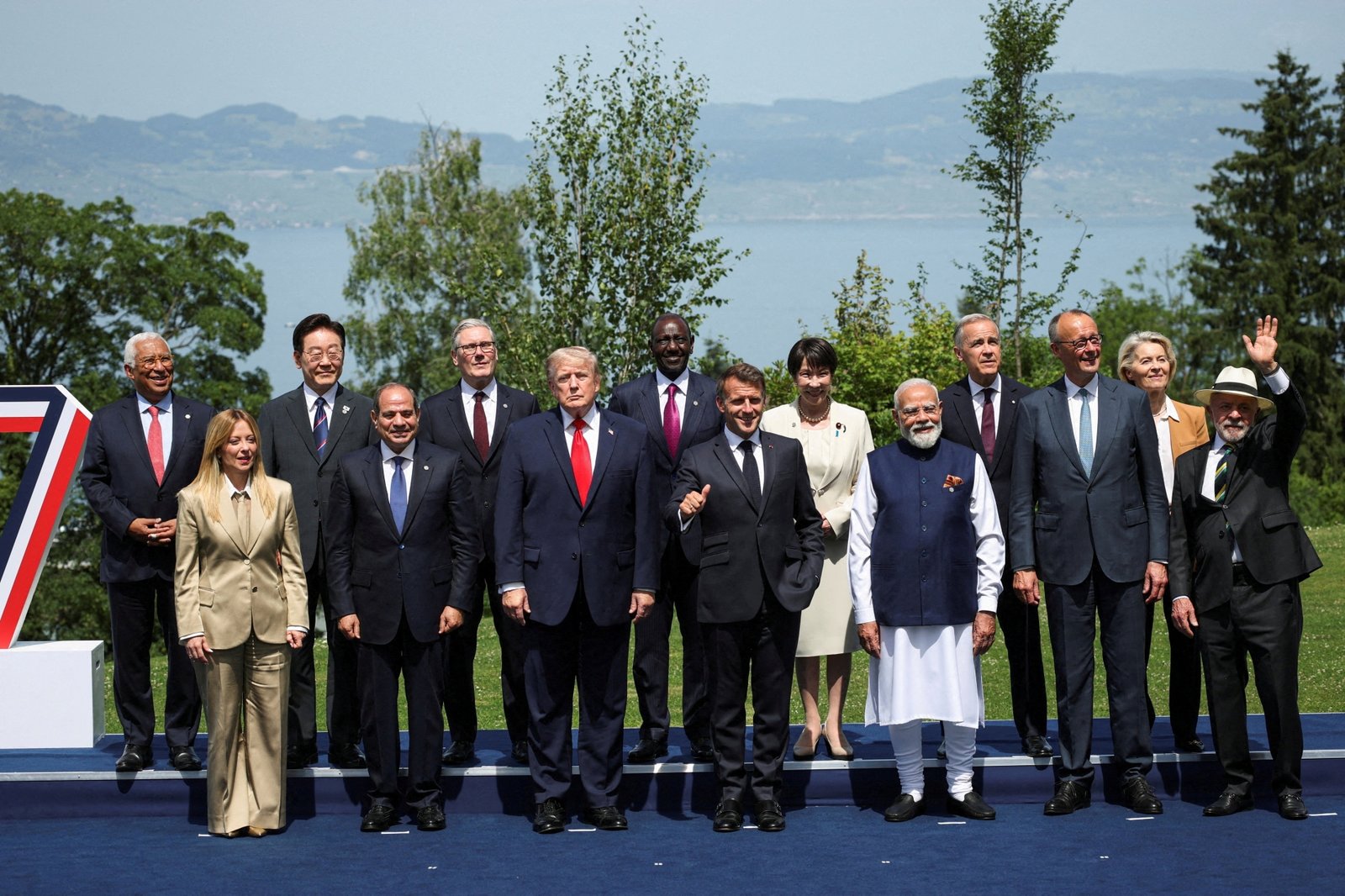
Increasing global support for Saudi Arabia is already visible. The G7 explicitly linked Houthi attacks, Bab al-Mandab, and global energy and supply-chain security in a 22 September statement, while Britain and France— citing the impact of regional instability on their own economies—have gone further and made defensive commitments to Riyadh. London began dispatching an RAF Voyager to refuel Saudi jets. At the same time, Paris announced intent to deploy radars, surveillance equipment, and defensive systems to secure Yanbu’s energy flows and boost Saudi capabilities.
For its part, Washington is boosting its intelligence and targeting support for the Saudi and Yemeni governments. Meanwhile, Türkiye and Pakistan—Saudi Arabia’s Mecca Joint Defence Pact allies—have also condemned Houthi attacks and committed to supporting Saudi Arabia, with quiet military, intelligence and arms transfers.
While this remains short of direct engagement in a full-scale war to degrade the Houthis, disengagement and inaction are clearly not a strategic option. Mounting IRGC-Houthi-PMF threats to global energy security and Red Sea commerce are making a middle position harder to hold. The IRGC-directed, multi-front campaign intended to deepen Saudi dependence is giving it more incentive to reduce it by rallying the world around the Houthi-IRGC capture of Bab al-Mandab. Put differently, the more successful the ‘axis’ becomes at narrowing Saudi choices, the more reasons it gives countries to strategically align with Riyadh, multiplying Saudi Arabia’s strategic choices.
What next
Going forward, the key question will be whether the US will treat Yemen, the Red Sea, Hormuz, Saudi energy security and regional connectivity projects as separate or connected files. Another incoherent US air campaign against the Houthis is unlikely to work, and it could embolden rather than degrade the group, serving their narratives of resilience and strength. What is required is an internationally-supported, regionally coordinated, Yemeni-led operation to roll back the Houthis’ gains and decisively weaken them, if not defeat them.
Yemeni Operation Offers Best Path
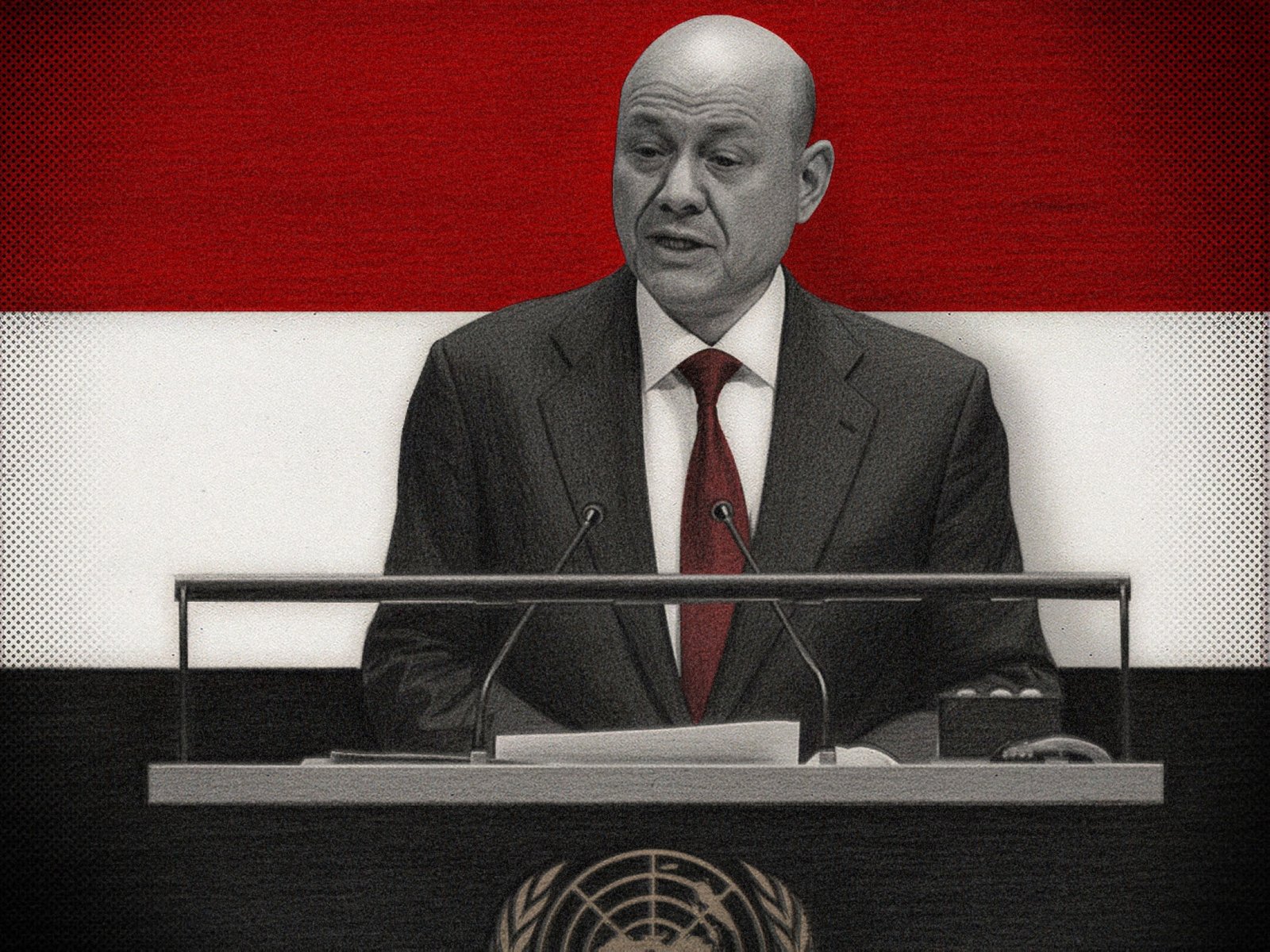
Targeting Iran’s tools of power projection at the southern tip of the Arabian Peninsula is perhaps a more effective way of weakening Iran than directly fighting it. Taking back control of Yemen’s Red Sea coast is possible within a month if the right resources and strategy are deployed. Could Yemeni President Rashad al-Alimi’s recent announcement of a full-scale military initiative to liberate Yemen be the beginning of such a push? Time will tell.