
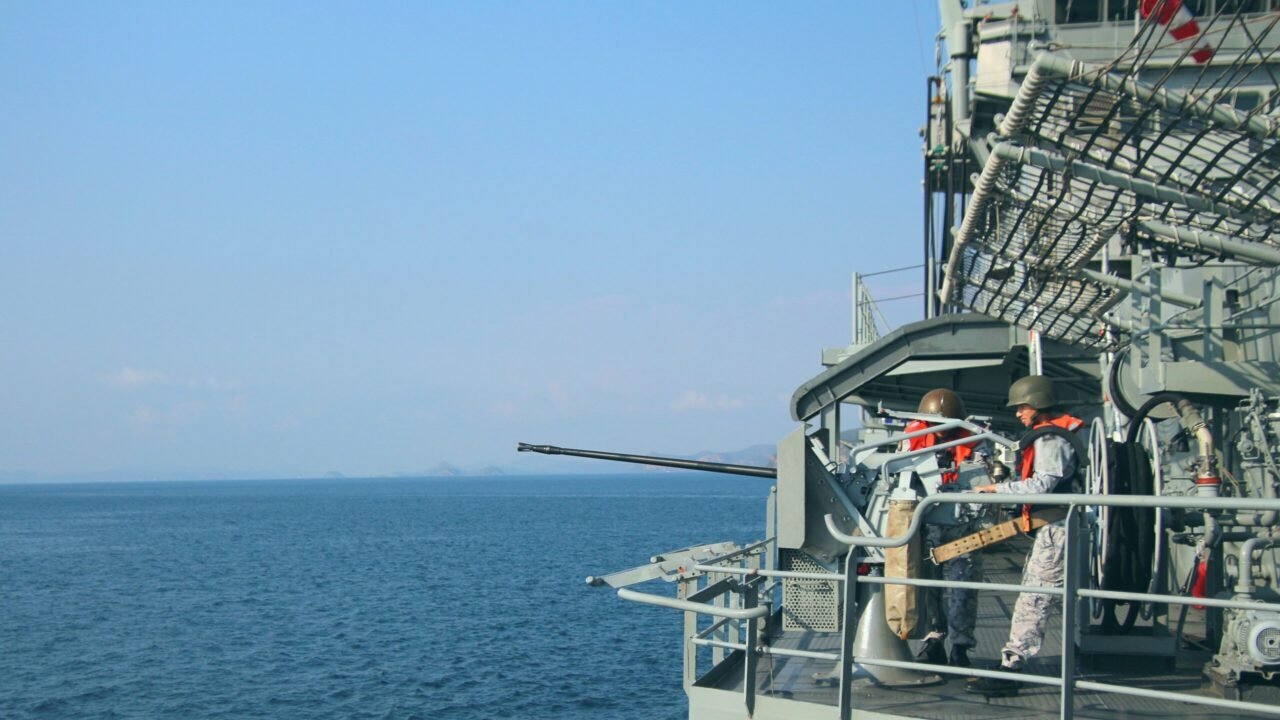
The conflict with Iran raised questions about alliance credibility, strategic priorities, and military readiness, while offering little evidence that actions in the Persian Gulf strengthened deterrence against China or reinforced security commitments across East Asia.
Questioning the Strategic Logic
The puzzle of why the United States chose to attack Iran in February of this year will provide ample material for historians to analyze for years to come. Multiple, often confusing rationales for the war were proffered at the time, and no compelling explanation has followed. Especially given that Iran’s nuclear program had already been smashed apart in Operation Midnight Hammer eight months prior, it simply made little sense for the United States and Israeli militaries to begin a new bombardment.
Of course, this has not stopped America’s war party from trying to justify the bombings in the meantime. It suits them to contrive a rationale for the attack, not least so they can sell a renewed conflict to the US public if and when negotiations between Washington and Tehran finally break down entirely.
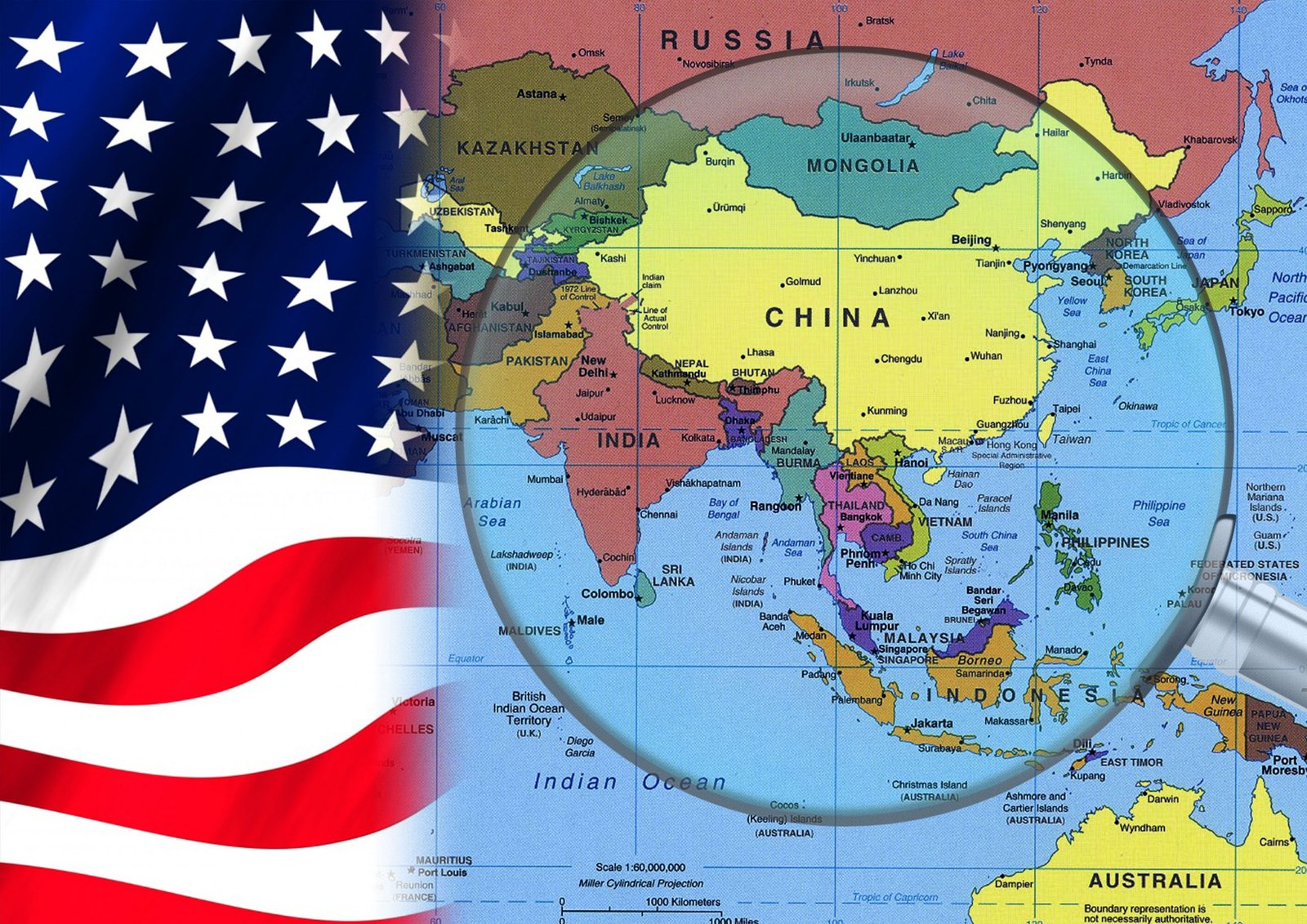
One of the most vexing post hoc rationalizations for the war is that it has contributed, or will contribute, to deterrence in East Asia. From this view, China will be dissuaded from invading Taiwan or attacking a US treaty ally in the Western Pacific now that it has seen the United States take decisive military action against another supposed aggressor, Iran.
East Asia Deterrence and Hawkish Claims
In fact, the most ardent war hawks believe that Washington has not yet gone far enough in its efforts to deter China by reducing parts of Iran to rubble. Former national security adviser John Bolton, for example, recently wrote that “flattening Tehran’s regime would be the clearest signal to Beijing that it should not risk military adventurism.” Bolton made this extraordinary claim in August, more than five months after the start of hostilities with Iran, suggesting that he still hopes that the so far limited Iran War might yet metastasize into a full-blown war of regime change in Tehran.
Bolton is wrong. Nothing the United States has done, or could do, militarily in the Persian Gulf should be construed as strengthening deterrence in other regions of the world, especially not East Asia. If anything, the war with Iran has undermined America’s capacity to deter adversaries and reassure allies the world over.
Lessons From Earlier Conflicts
To be sure, the idea that fighting in one part of the globe can strengthen America’s ability to deter adversaries elsewhere is nothing new. It contributed mightily to the US decision to stay in Vietnam long after that war was judged to be a lost cause, for instance. President Richard Nixon and his National Security Advisor Henry Kissinger often fretted that a withdrawal from Vietnam would erode US credibility elsewhere, potentially undermining the effort to deter communist expansion worldwide. This is even though most of America’s European allies at the time would have preferred Washington to shift its focus back to the North Atlantic.
More recently, this sort of thinking led some analysts to connect the US exit from Afghanistan to Russian President Vladimir Putin’s decision to invade Ukraine. According to this narrative, President Putin felt emboldened to attack in February 2022 only after watching “the embarrassment of a superpower laid low,” as Senator Mitch McConnell (R-KY) described the Afghan pullout, six months prior. The counterfactual is presumably that Putin would not have invaded Ukraine if the United States had maintained its credibility by continuing to fight the Taliban indefinitely.
What Makes Commitments Credible
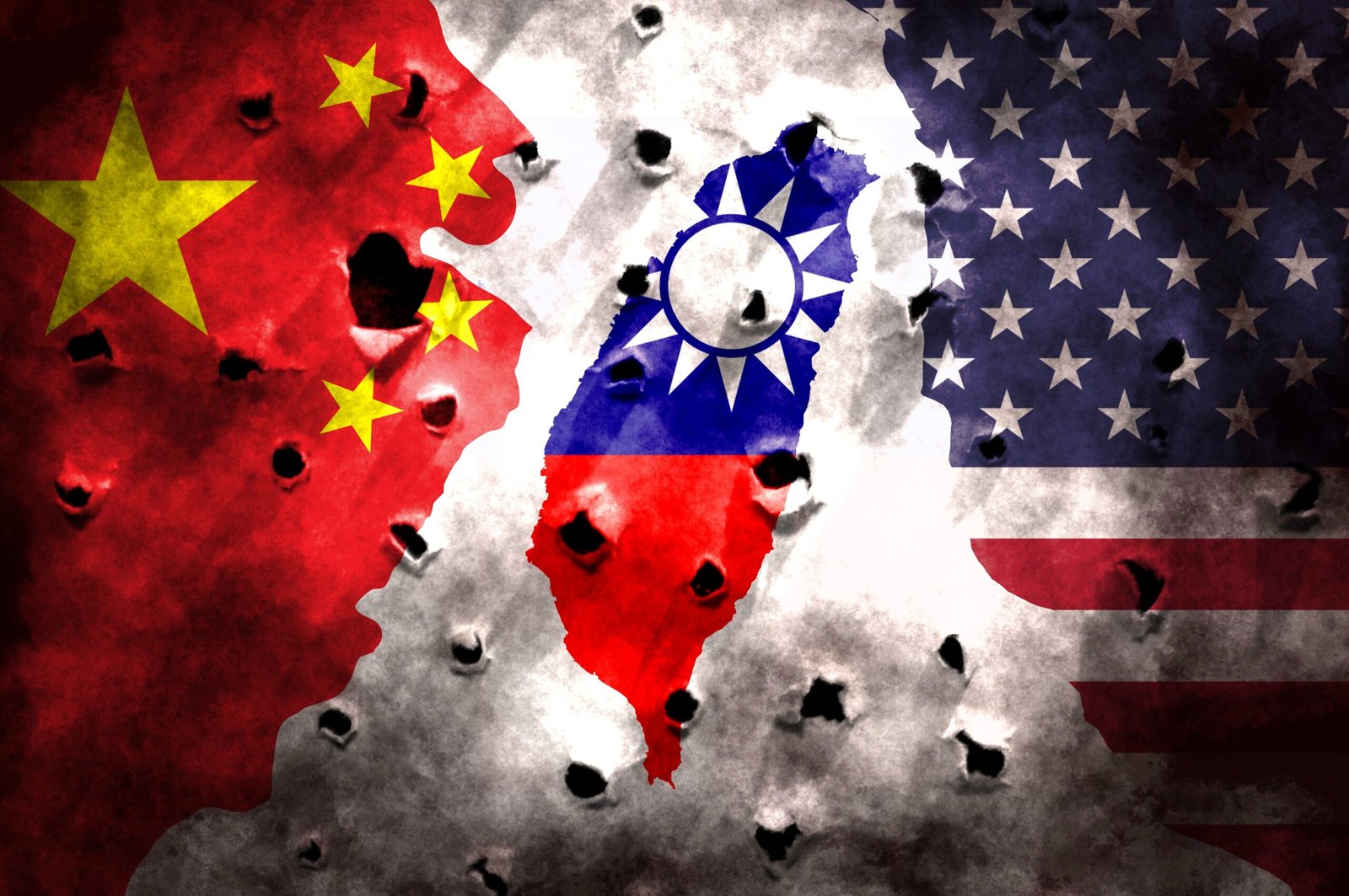
These lines of thinking share an implicit theory that warfighting, wherever it takes place, reliably boosts a country’s general credibility when making threats on the world stage. But while there is some evidence from political science that individual leaders can develop “reputations for resolve” in international politics, the most useful way to think about credibility in this context is in terms of specific commitments, not leaders or countries.
The notion of a “credible country” is certainly a category error. Countries are neither credible nor incredible in themselves; only their commitments are. For example, America’s commitment to Japanese security is credible because the two countries are treaty allies and because US forces are based on Japanese soil to defend Japan against external attack. A hypothetical commitment to defend, say, Mongolia would not be credible because it would lack these things.
Did the war in Iran do anything to bolster the credibility of US security commitments in East Asia? It is hard to see how. If anything, the war has probably lessened the credibility of those commitments because the decision to attack Iran revealed something about America’s priorities. After all, a country that is willing to pull its aircraft carriers from the Western Pacific to wage a war of choice in the Persian Gulf cannot credibly claim to view security in East Asia as a core national-security concern.
East Asia Deterrence Through Capability
Proponents of the war in Iran are on firmer ground when they say that demonstrating capabilities can help strengthen deterrence in other regions of the world. This is what Elbridge Colby, the undersecretary of war for policy, presumably meant when he told Congress that “I think both our friends and potential foes are seeing the prowess of the joint force [in action against Iran]. And, that also contributes to deterrence [in Asia].”
Perhaps. But this is a double-edged sword. Yes, war is a behavior through which states reveal information about themselves. This can mean putting enormous power on display, as arguably happened during the first few days of Operation Epic Fury. But it can also mean revealing unflattering things about one’s capabilities, as arguably happened in the weeks and months that followed.
Put bluntly: Is China more or less deterred from invading Taiwan now that it has observed the Pentagon struggle with things like replacing munitions, projecting adequate air defense over US bases and allied states, and keeping its warships at sea? There is at least a plausible case that the conflict will prompt Beijing to downgrade its assessments of America’s military capabilities rather than have the opposite effect.
The Path Forward in Asia
In sum, there is mixed evidence at best that the US-Israeli attack on Iran has done anything to bolster deterrence in East Asia. The war might have revealed Trump as a president comfortable taking risks. Still, it did nothing to alter China’s perception of the credibility of US commitments in East Asia, and the war’s conduct revealed some unflattering things about US capabilities.
To bolster deterrence in the Western Pacific, US leaders should focus on making their commitments in that region appear credible to America’s adversaries. Wars in the Persian Gulf, Latin America, or elsewhere are unlikely to move the needle, at least not in ways favorable to Washington.