
Disrupted Hormuz oil and LNG flows have exposed the IEA’s European voting bias and lack of multi-fuel buffers, pushing Asia energy security toward Japanese Prime Minister Sanae Takaichi’s $10 billion POWERR Asia Initiative and the new AZEC 2.0 regional stockpiling task force.
Why Asia Energy Security Outgrows the IEA
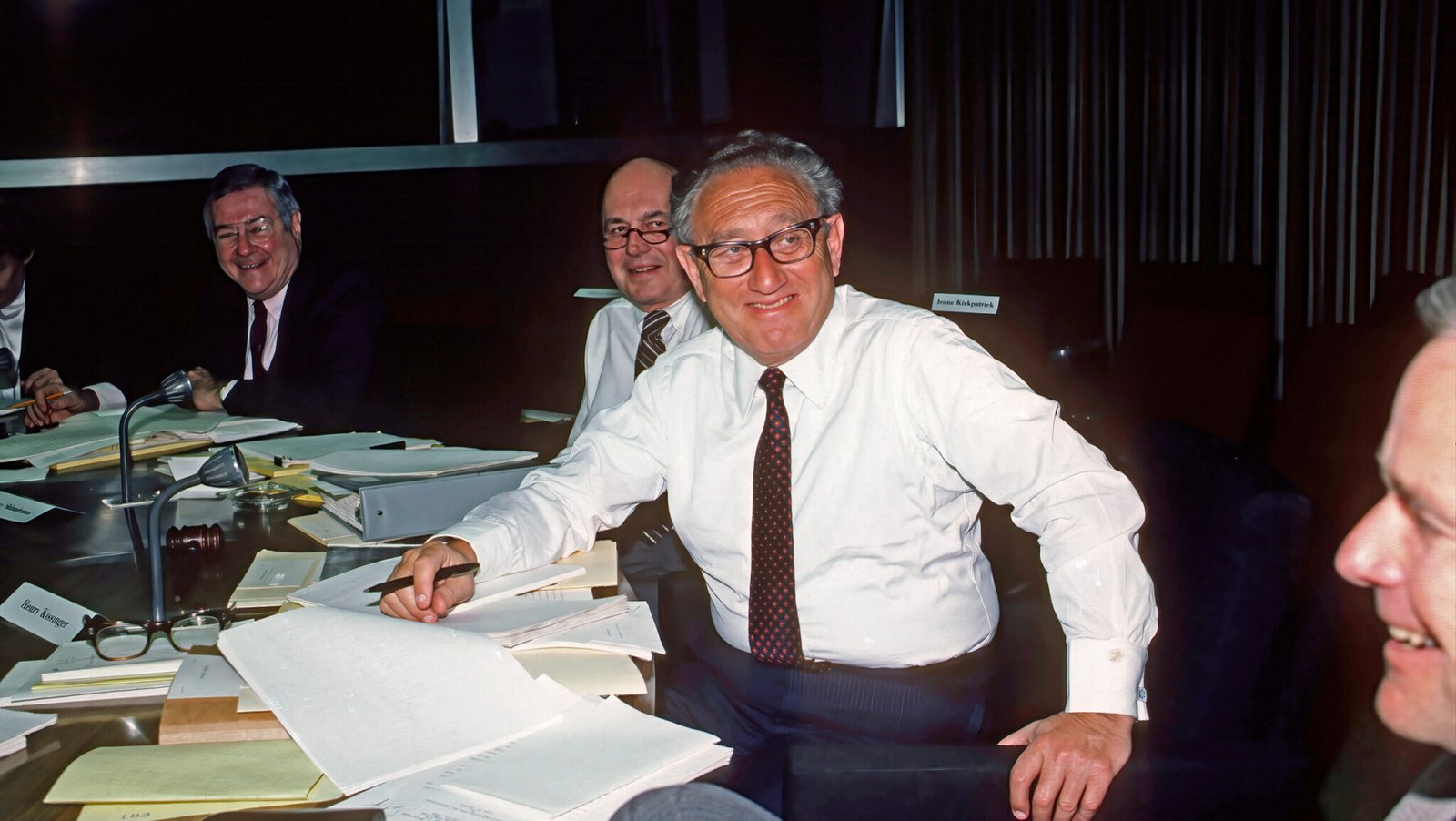
The International Energy Agency (IEA) was established in 1974 in response to the First Oil Crisis. It was based on a bold strategic vision by Henry Kissinger, the US secretary of state at the time, to establish a mechanism among the advanced economies to enhance energy security.
Under the leadership of the United States, major European countries, Canada, and Japan participated as the original members. The core was the establishment of the International Energy Program (IEP), a mechanism to ensure collective oil supply security among IEA member countries, which required member countries to maintain 90 days’ cover for net oil imports as an emergency reserve.
These reserves take many forms, including the Strategic Petroleum Reserve (SPR) in the United States, Japan’s national oil stockpile, and mandatory reserves held by the oil industry. They were designed to be released collectively to address major disruptions of oil supply, including another possible oil embargo by the oil suppliers, as happened in 1973 by the Arab oil-producing countries. Since its founding, the IEA has served as the cornerstone of global energy security. The IEA has effectively responded to a series of energy crises, including the Gulf War (1991), Hurricanes Katrina and Rita (2005), the Libyan Crisis (2011), and Russia’s invasion of Ukraine (2022).
Hormuz Closure Dwarfs Past Oil Shock Volumes
The current energy crisis, triggered by the attack on Iran by the United States and Israel, is different from the First Oil Crisis more than 50 years ago in three aspects.
First, the scale of disruption is much greater. The closure of the Strait of Hormuz disrupted the transit of 20 million barrels per day (B/D) of oil and 80 million tons of liquefied natural gas (LNG) at its peak, both of which equal 20 percent of global supply, respectively. It is important to note that the disrupted volume was substantially greater than the loss at the time of the First Oil Crisis (4.5 million B/D) and the Second Oil Crisis (5.6 million B/D). Supply of LNG was not impacted in the two Oil Crises.
Rationing and Shutdowns Hit Asian Economies Hardest
Second, while the First Oil Crisis directly impacted the Western advanced economies which were targeted by the Arab oil embargo, the Iran crisis is impacting the whole world, especially Asia, which is heavily dependent on energy passing through the Strait of Hormuz. Most Asian countries are not members of the IEA and have only modest levels of oil reserves.
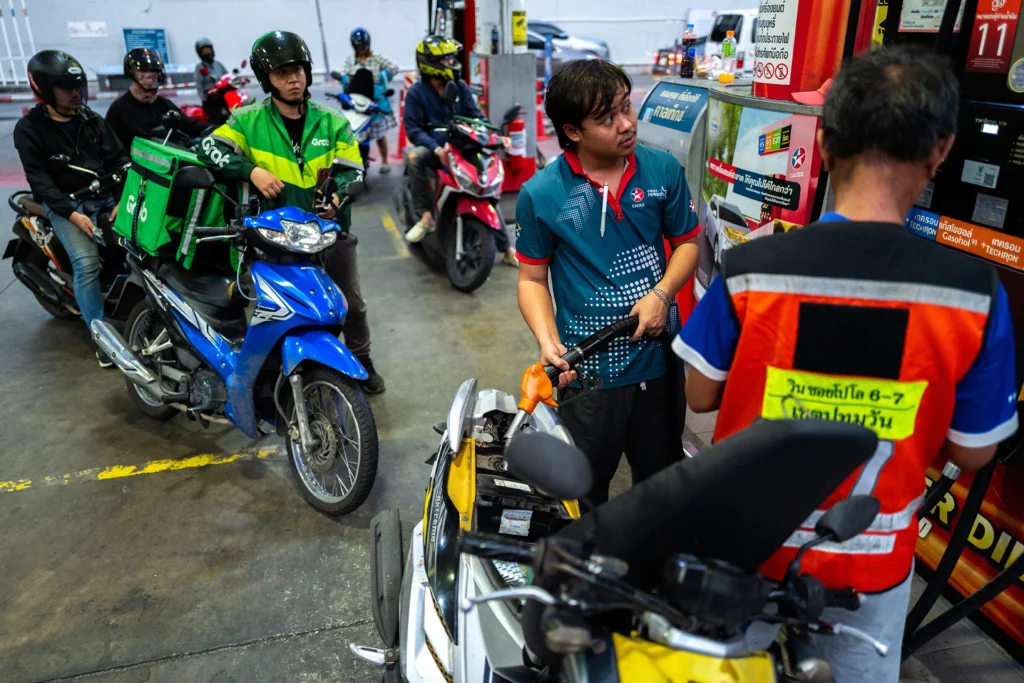
The combination of heavy dependence and modest reserves has made the crisis much more severe for Asia than other parts of the world. For the developing countries of Asia, the situation has been more serious as they cannot afford to procure expensive energy. The daily lives of people have been badly affected by long queues at gas stations and even by gasoline rationing. Pakistan introduced an additional two-week school holiday and planned power outages, while Sri Lanka added all Wednesdays as a holiday in an effort to reduce energy consumption.
Third, the impact this time is not just limited to oil. In addition to LNG and liquefied petroleum gas (LPG), the supply of various oil products, including gasoline, naphtha, diesel fuel, and jet fuel, has been affected. The Middle East is not only a major supplier of crude oil, as it was 50 years ago, but now a major supplier of various energy products, as it has developed refinery and chemical industries in the region to become a global supplier of them.
A New System Is Needed to Address the New Reality of Energy Security
The IEA is playing a very important role in responding to the current crisis. The most notable action is the joint release of its emergency reserves, which has helped alleviate anxieties in the oil market. But the current system is not sufficient to deal with the Iran crisis.
First, the members of the IEA are primarily from advanced economies. Out of the 32 members, 24 are from Europe, three are from North America, and two are from Oceania. Only three are from Asia: Japan, South Korea, and Turkey. Some other Asian countries are Association Members but not full members; thus, they are not able to participate in decision-making.
It is understood that European members were more cautious about releasing the IEA’s emergency reserves during the current crisis, as it was seen much more as an Asian crisis than a European one, as Europe is less dependent on the Strait of Hormuz. Countries most affected should have a greater voice in decision-making, but unfortunately European members far outnumber Asian members at the IEA.
Missing Buffers for LNG and Refined Fuels
Second, the IEA was formed as a club of advanced economies, and members were expected to take action on their own. But this basic IEA principle does not fit Asia today because many Asian countries lack the resources to develop emergency reserves. They do not have the money to procure expensive energy during a crisis either. A support system for those countries is needed.
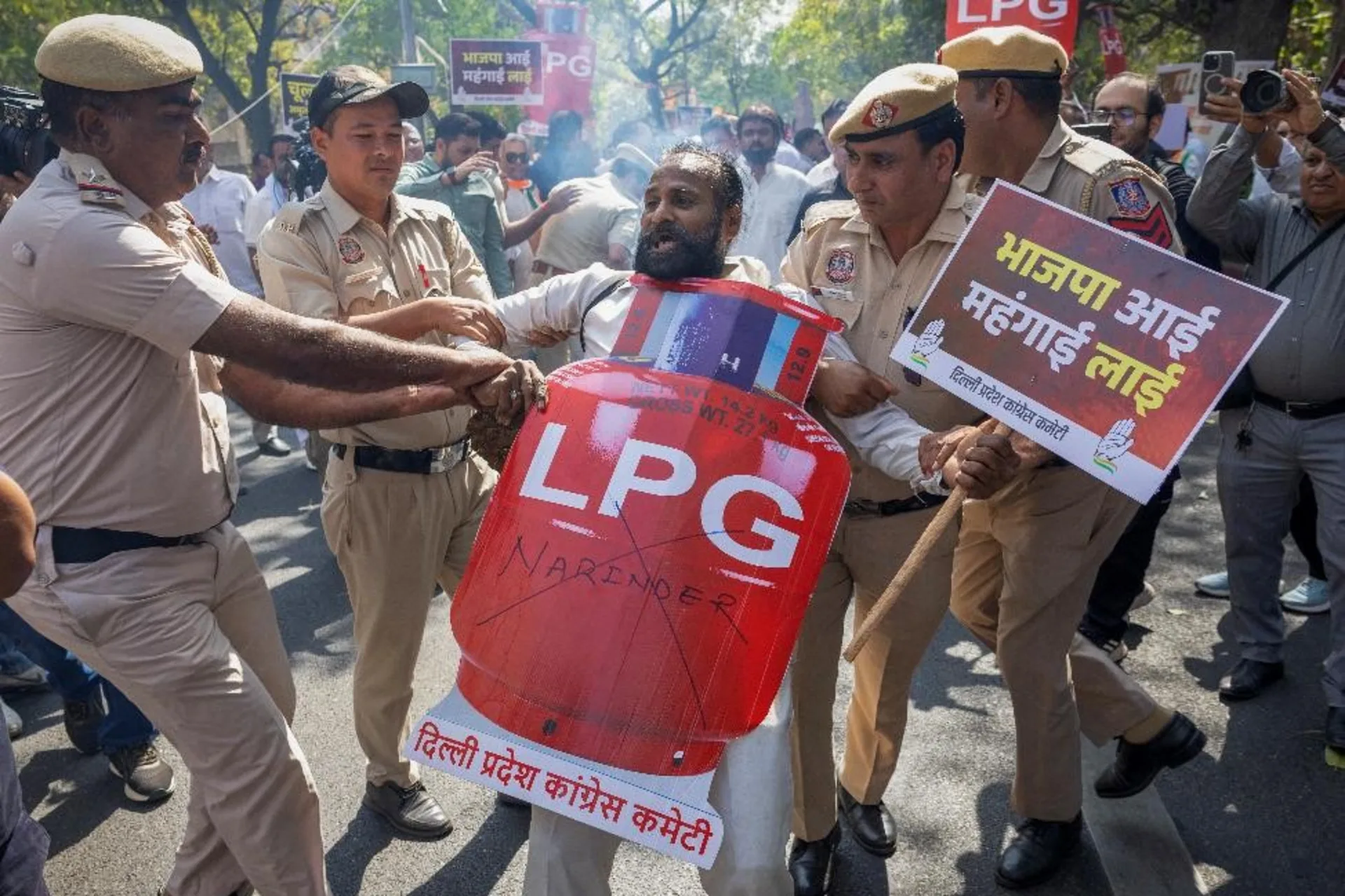
Third, the IEA’s current system is basically targeting oil. But the Iran crisis has taught us that a crisis can have a much broader impact. While the Iran crisis has impacted LNG and LPG, there is no emergency reserve system for them. There is no system to support other members in accessing oil products, which can be in short supply for some countries during crises.
How Asia Energy Security Pivots Through Tokyo
The Strategic Vision of Henry Kissinger Is Needed Now
If Henry Kissinger were alive today, he could have made proposals to reinforce the IEA and/or to introduce a complementary system. But the problem is that while the First Oil Crisis hit the Western advanced economies, the current crisis is basically hitting Asia. It may be difficult to hope that the advanced economies in Europe and North America will lead the new strategic vision. I hope the leadership will emerge from Asia, which is being hit hardest.
Unfortunately, Asia has not been used to playing a leadership role in the past. But we are seeing some early signs of change. Japanese Prime Minister Sanae Takaichi announced her POWERR Asia Initiative on April 15, in which Japan pledged to provide 1.5 trillion yen, or about $10 billion, to help finance Asian countries’ purchase of expensive energy.
Additionally, Takaichi pledged to support Asian countries in their efforts to build emergency oil reserves. On May 2, during her visit to Vietnam, she agreed to help Vietnam with access to crude oil, and later in May, during her visit to South Korea, she agreed with Korean President Lee Jae-myung to support each other in the supply of LNG and other energy and to work together to assist Asian countries to enhance their energy security.
AZEC 2.0 Launches Regional Oil Stockpiling Cooperation
The POWERR Asia Initiative was announced at the Asia Zero Emission Community (AZEC) + Leaders’ Meeting. The Asia Zero Emission Community was proposed by former Prime Minister Fumio Kishida of Japan in 2022, and most of the original members consist of the Association of Southeast Asian Nations (ASEAN) members, Australia, and Japan. Its original purpose was to assist Asian countries in their energy transition to realize carbon neutrality in the future. AZEC could serve as the foundation to establish a system for energy security in Asia.
In fact, a follow-up step was made on November 17 at the AZEC Leaders’ Meeting held in Manila. Based on the proposal by Prime Minister Takaichi, the leaders agreed to the evolution of AZEC into AZEC 2.0 by strengthening POWERR Asia. The Asia Oil Security Task Force was launched to implement cooperation in oil stockpiling in collaboration with ERIA and IEA. In addition to most ASEAN members, East Timor participated as an Interested Country, and India and ROK were invited to the meeting.
We no longer have Henry Kissinger. But we can learn from his legacy to develop a new system to deal with the changing challenges of energy security in Asia. I hope Asian leaders, including Prime Minister Takaichi, can take the lead with a strategic vision just like Henry Kissinger.