
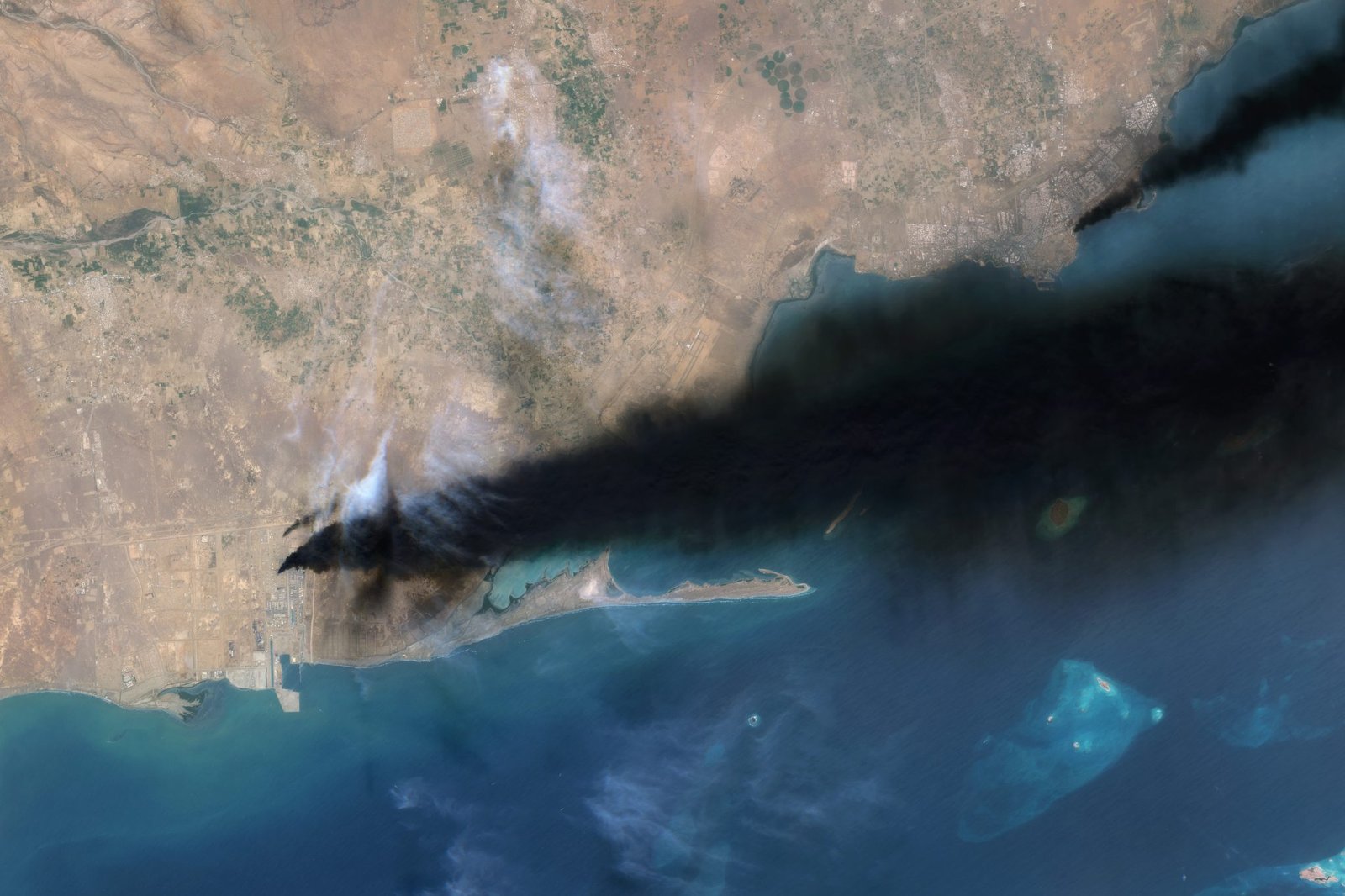
Gulf states are diversifying security, economic, and technology partnerships toward Türkiye, China, India, and Pakistan as American protection appears less reliable during the Iran war, while still relying on Washington’s security umbrella.
Gulf Security Ties Expand Under Pressure
The outbreak of hostilities between the United States, Israel and the Islamic Republic of Iran has plunged the Gulf Arab states into a precarious geopolitical reality. The conflict has forced them into a fundamental recalibration of their security, economic and technological partnerships that extends far beyond the immediate theater of military confrontation.
While these nations’ public posture remains one of cautious neutrality and diplomatic de-escalation, their private strategic calculations have accelerated a multipolar pivot that is steadily eroding the traditional American-led security architecture of the region.
The war, whether manifesting as a limited aerial campaign, a naval blockade in the Strait of Hormuz or a protracted cyber and proxy conflict, has laid bare the vulnerabilities of the Gulf Cooperation Council (GCC) members – Saudi Arabia, the United Arab Emirates, Qatar, Kuwait, Oman and Bahrain – and has compelled them to aggressively diversify their international relationships.
This diversification is not a rejection of the West per se, but a pragmatic survival strategy that increasingly favors non-Western powers, including China, India, Pakistan and Turkiye, while simultaneously complicating their ties with the U.S. and Europe.
The cumulative effect is a transformation of the global order in the Gulf, where economic interdependence and technological acquisition are becoming as vital as hard-power security guarantees, and where no single external actor is permitted to hold a monopoly over the region’s future.
Security alternatives
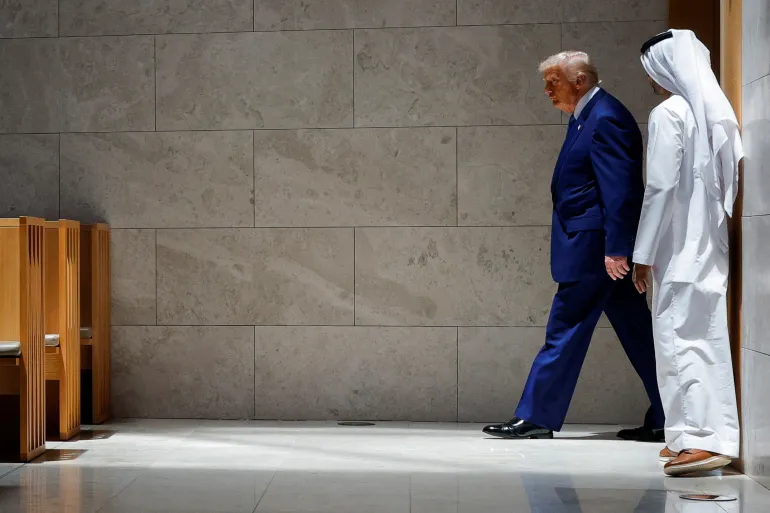
In the immediate security domain, the U.S.-Iran war has exposed the limitations of American protection, even as Washington has rushed additional naval assets and air defense systems to the Gulf. The GCC states have watched with growing unease as the U.S. has struggled to contain Iranian missile and drone strikes on Gulf infrastructure, while simultaneously demanding that these states close their airspace to Russian aircraft and sever economic links with Tehran.
This has created a credibility gap, leading Gulf capitals to pursue independent defensive arrangements and bilateral security pacts with non-Western powers. Most notably, the Gulf states have deepened their security dialogue with Turkiye, which has positioned itself as a critical mediator and arms supplier.
Somewhat controversially, that relationship now extends to the possible sale of Russia’s S-400 air defense system to a Gulf state. Ankara contracted for four S-400 batteries in 2017 at a reported cost of $2.5 billion, taking delivery in 2019 but never bringing the system into service.
This past July, a columnist in the pro-government daily Hurriyet claimed that Turkiye was in discussion on the sale of the batteries to a third country. Reports have named Qatar and the UAE as the likelier recipients, the latter having suffered the heaviest Iranian attacks of the war. But Ankara is finding the move complicated, as it must secure Moscow’s approval for the sale while simultaneously pursuing a contentious deal for F-35 fighter jets from Washington. Some speculate that talks on the S-400 transfer have stalled.
The UAE has also gone furthest among the Gulf states in openly building out security ties with the U.S. and Israel. In this respect, a possible acquisition of the S-400 is not merely a matter of hardware purchases but a political signal to Washington that alternative protection exists should Gulf civilian and military interests remain heavily exposed to Iranian attacks.
Gulf states have turned to Turkiye more broadly, with its advanced drone technology and potent military industrial base, to fill the void left by perceived American hesitancy or inability in defending the region. Accordingly, the UAE and Saudi Arabia have agreed significant defense cooperation agreements with Ankara, including joint production of unmanned aerial vehicles and electronic warfare systems.
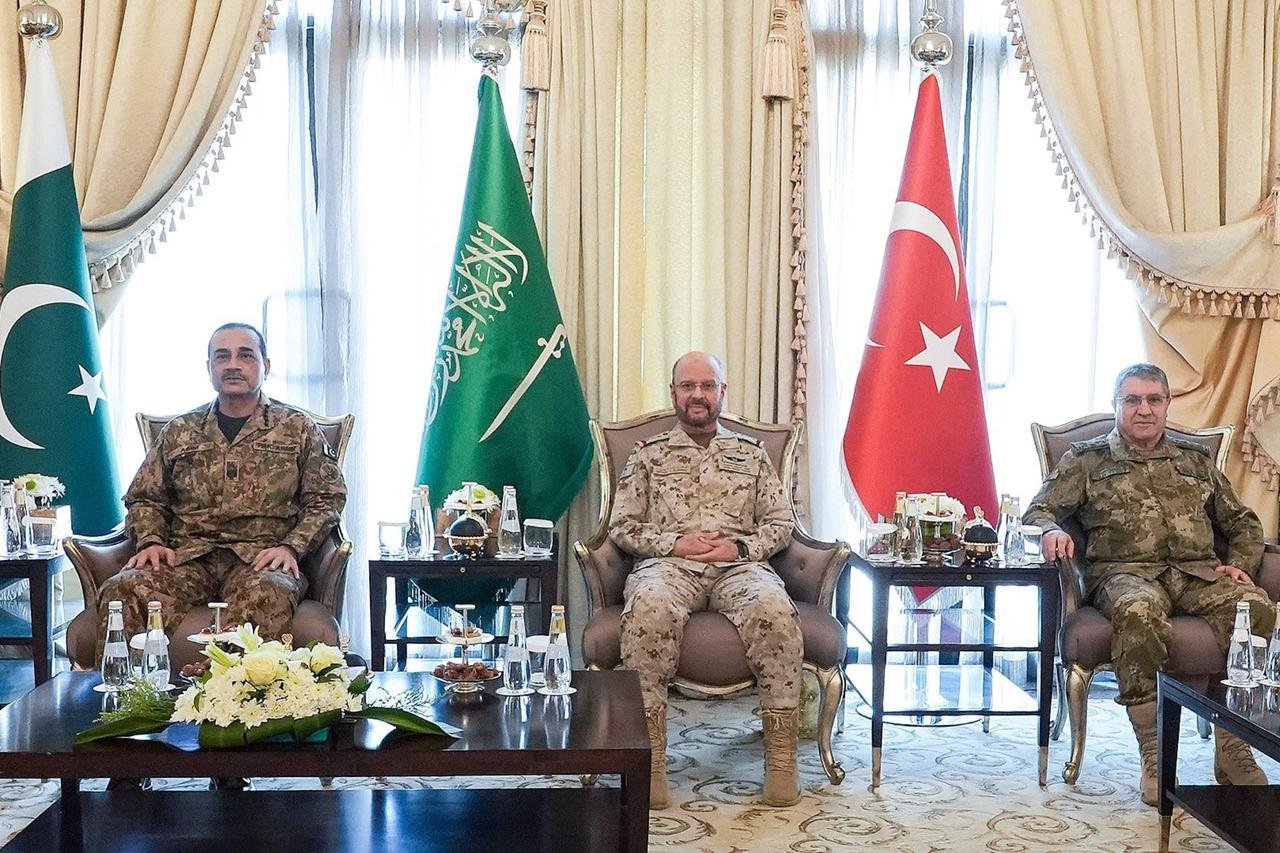
The Gulf monarchies have also quietly deepened intelligence-sharing and counterterrorism coordination with Pakistan, which as a nuclear-armed state maintains close ties with both Riyadh and Tehran, making it an indispensable intermediary. Pakistan’s military advisors are now embedded in several GCC command structures, and its naval forces regularly participate in joint exercises in the Gulf, signaling a shift in security reliance away from the U.S. Fifth Fleet toward regional and Asian naval partnerships.
Asia-Gulf ties deepen
The new partnerships extend to Asia. South Korea continues expanding defense exports to the Gulf states, especially missile systems, naval platforms and armored vehicles. Japan has deepened maritime security cooperation with the GCC focused on protecting energy shipping lanes, alongside a set of defense industrial agreements.
India has become increasingly important not simply as an economic partner but also as a security actor. New Delhi’s expanding naval presence in the Indian Ocean, its defense manufacturing ambitions and its growing strategic dialogue with Gulf capitals make it an increasingly valuable partner for maritime security and associated logistics.
While Saudi reporting and policy commentary point to Chinese drone production, including a $5 billion factory in Jeddah to assemble Wing Loong-3 unmanned combat aerial vehicles, the UAE Armed Forces have reportedly deployed a Chinese-supplied FK-2000 medium-range defense system in Bahrain, according to Military Watch Magazine. The batteries had been expected to go to Sudan’s Rapid Support Forces, but were diverted as Iranian missile and drone strikes on the UAE intensified.
In sum, the Iran war has made Gulf leaders more skeptical that the U.S. will fully align with their security needs, especially when Washington’s campaign against Iran creates direct retaliation risk for Gulf territory and infrastructure.
At the same time, they have not abandoned the U.S. security umbrella. Instead, they are using it while trying to build more autonomous and diversified defense options, including procurement and industrial cooperation with non-Western partners.
Economic diversification
Economically, the war with Iran has acted as a catalyst for the Gulf states to accelerate their long-planned economic diversification agendas, but with a pronounced pivot toward Asian markets and financing mechanisms that bypass Western financial systems.
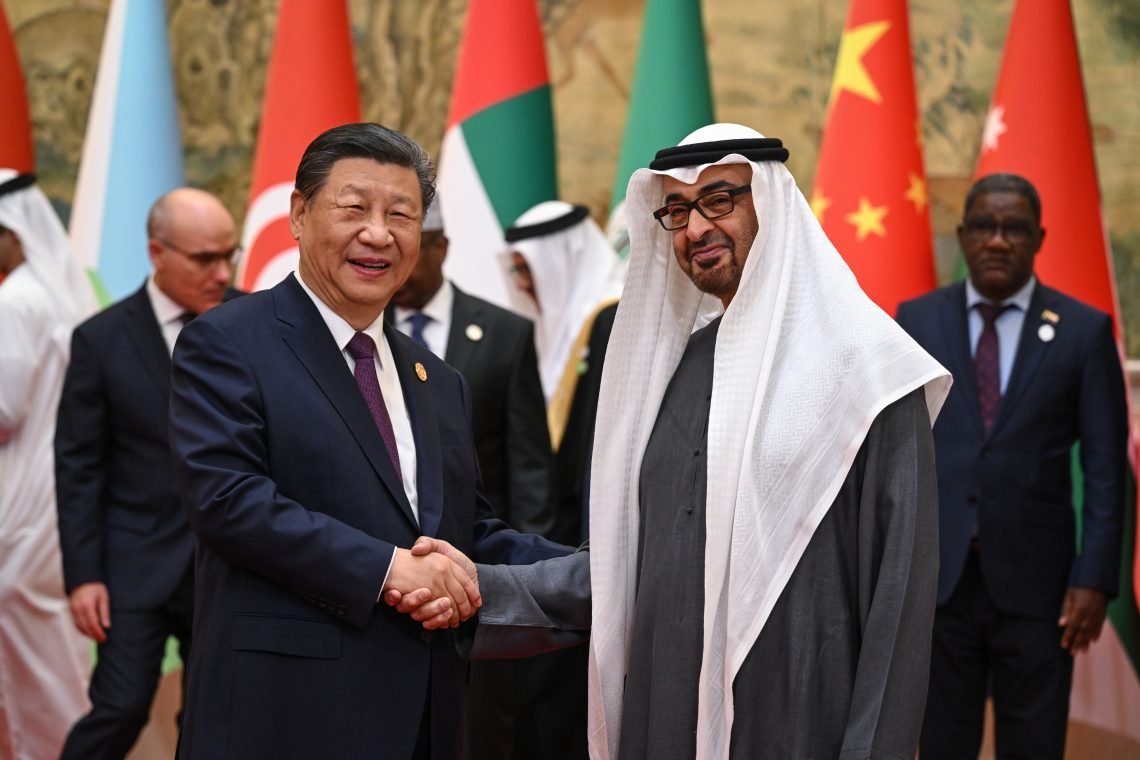
China has emerged as the undisputed beneficiary of this shift, as Gulf oil and gas exports to Beijing have surged despite previous U.S. calls for supply chain decoupling. The petrodollar recycling loop, once exclusively channeled through New York and London, is now increasingly denominated in Chinese yuan for bilateral trade, with Saudi Arabia and the UAE actively exploring digital yuan pilots for oil settlements.
This is not merely symbolic; it is a direct response to the risk of U.S. secondary sanctions and asset freezes, which Gulf leaders fear could be wielded against them if they are perceived as insufficiently aligned with Washington’s Russia and Iran sanctions regimes.
Beijing’s Belt and Road Initiative has provided the infrastructure financing that Western banks, constrained by geopolitical risk assessments and other considerations, are reluctant to offer, leading to massive Chinese investments in Gulf ports, petrochemical complexes, data centers and renewable energy projects. The UAE’s Khalifa Port and Saudi Arabia’s NEOM mega-project are now heavily integrated with Chinese contractors and technology providers, creating a web of interdependence that makes any future U.S. demand to fully decouple from China economically ruinous for the Gulf.
India, too, has become a crucial economic partner, not only as a vast market for Gulf hydrocarbons but also as a source of skilled labor, food security and pharmaceutical supplies. The India-UAE Comprehensive Economic Partnership Agreement, signed in February 2022, has nearly doubled bilateral trade, which reached $101.25 billion in the 2025-2026 Indian fiscal year. Similar negotiations with Saudi Arabia are advancing.
India’s refusal to condemn Russia’s actions or join U.S.-led naval coalitions has paradoxically made it a more trusted partner for the Gulf. And as New Delhi maintains independent relations with Tehran, Moscow and Washington alike, it is a model the region increasingly looks to emulate.
Pakistan offers the Gulf a land bridge to Central Asia and a strategic depth that is invaluable. It has led to Saudi and Emirati investments in Pakistani refineries, mines and agricultural zones, often as a quid pro quo for military cooperation and political support on Kashmir issues that resonate with Gulf publics.
Yet for all the momentum of this Asian pivot, the Gulf’s non-oil economies remain acutely vulnerable to external shocks that hydrocarbon revenues have elsewhere buffered. Tourism, aviation, logistics, real estate and financial services – the very sectors championed as the future of post-oil growth – are disproportionately exposed to regional conflict escalation, particularly any direct military confrontation with Iran that could close the Strait of Hormuz, disrupt aviation corridors or trigger a broad insurance-premium spike on Gulf shipping and trade.
Technology bridges
Technology relations are moving in the same direction as trade: Gulf states are seeking non-Western options in telecoms, artificial intelligence, data centers, drones and defense-adjacent manufacturing. This is partly about cost and speed, but it is also about strategic autonomy, because digital infrastructure and military production are now treated as national-security assets rather than purely commercial choices.
A pattern is emerging in which Riyadh accepts American protection during open conflict while building Chinese and South Korean industrial capacity for the longer term. That model is likely attractive to other Gulf capitals as well, even if they vary in how openly they pursue it.
The U.S. war with Iran has accelerated the flow of Chinese technology firms into the Gulf, particularly in 5G telecommunications, AI, smart cities and surveillance systems. Huawei and ZTE have won major contracts in Saudi Arabia, the UAE and Qatar, despite intense U.S. lobbying and security warnings.
More significantly, the Gulf states are partnering with China on space technology, satellite launches and lunar exploration, with the UAE’s Arab Satellite 813 successfully launching into orbit aboard China’s Lijian-1 Y11 rocket and Saudi Arabia’s space agency signing framework agreements with Beijing for joint research.
The technological embrace tentatively extends to Russia, with Rosatom at the St. Petersburg International Economic Forum reportedly discussing construction of nuclear reactors with Saudi officials and proposing bids for small nuclear power plants with the UAE. The Trump administration’s subsequent offer to provide Saudi Arabia with U.S. civilian nuclear technology demonstrates Riyadh’s growing ability to leverage competition between major powers to secure more favorable strategic and commercial outcomes.
Turkiye’s role in defense tech also extends to fintech, health-tech and agricultural technology, where Turkish start-ups are leveraging cultural affinities to gain footholds in Gulf markets.
Meanwhile, India’s digital public infrastructure, including its UPI payment system and Aadhaar-style identity platforms, is being studied and emulated by Gulf governments eager to reduce their reliance on SWIFT and Western cloud providers.
The overall effect is a deliberate strategy of technological hedging, where Gulf states maintain access to Western innovation primarily through academic partnerships and luxury consumer markets but complement their digital and industrial infrastructure with Asian suppliers who offer fewer geopolitical strings.
Multipolar embrace
The Iran war is profoundly reshaping the Gulf’s ties with the U.S. and Europe, transforming what was once a patron-client relationship into a transactional and increasingly tense partnership. Washington’s demands for unequivocal support against Iran − overflight rights, intelligence sharing, sanctions enforcement and investment commitments into the U.S. extracted in exchange for waiving charges on Gulf vessels transiting the Strait of Hormuz − have been met with polite acceptance but also a firm resolve to diversify. Gulf leaders have calculated that overt alignment with the U.S. would make them primary targets for Iranian retaliation, while offering little additional security beyond what they already procure bilaterally.
The European Union, which is an economic rather than a defensive bloc, is not in a position to offer security guarantees or independent military deterrence, rendering it peripheral, with Gulf states viewing European pronouncements on Iran’s nuclear program as well-intentioned but strategically irrelevant. Instead, the Gulf is turning progressively toward non-Western groupings, including the BRICS+ framework, as part of a long-term strategic vision that treats the post-American Middle East as inevitable, regardless of this war’s outcome.
The Gulf states are investing heavily in logistical and financial infrastructure that facilitates east-west trade corridors, such as the India-Middle East-Europe Economic Corridor, which, despite U.S. backing, is being developed with significant Chinese and Indian capital and technology. This corridor, along with the UAE’s ambitious rail networks and Saudi Arabia’s land bridge projects, aims to position the Gulf as the hinge between Asian production and European consumption, reducing dependence on the Suez Canal and the Strait of Hormuz − both chokepoints vulnerable to Iranian and Houthi threats.
Nevertheless, it would be an oversimplification to declare the U.S. and Europe irrelevant; the Gulf states still maintain deep financial and military dependencies on the West, as well as in advanced medical technologies, higher education and certain precision-guided munitions that cannot be sourced elsewhere.
However, the trend is unmistakably toward strategic diversification. The objective is not replacing one hegemonic partner with another, but constructing a diversified network of security, economic, technological and diplomatic relationships that reduces vulnerability to external shocks and enhances each Gulf state’s national strategic autonomy.
In this sense, the Iran war has reinforced an emerging Gulf grand strategy based on diversification and pragmatic multi-alignment rather than bloc politics. Gulf states are acting as proactive shapers of a new multipolar order rather than as passive recipients of great-power dictates.
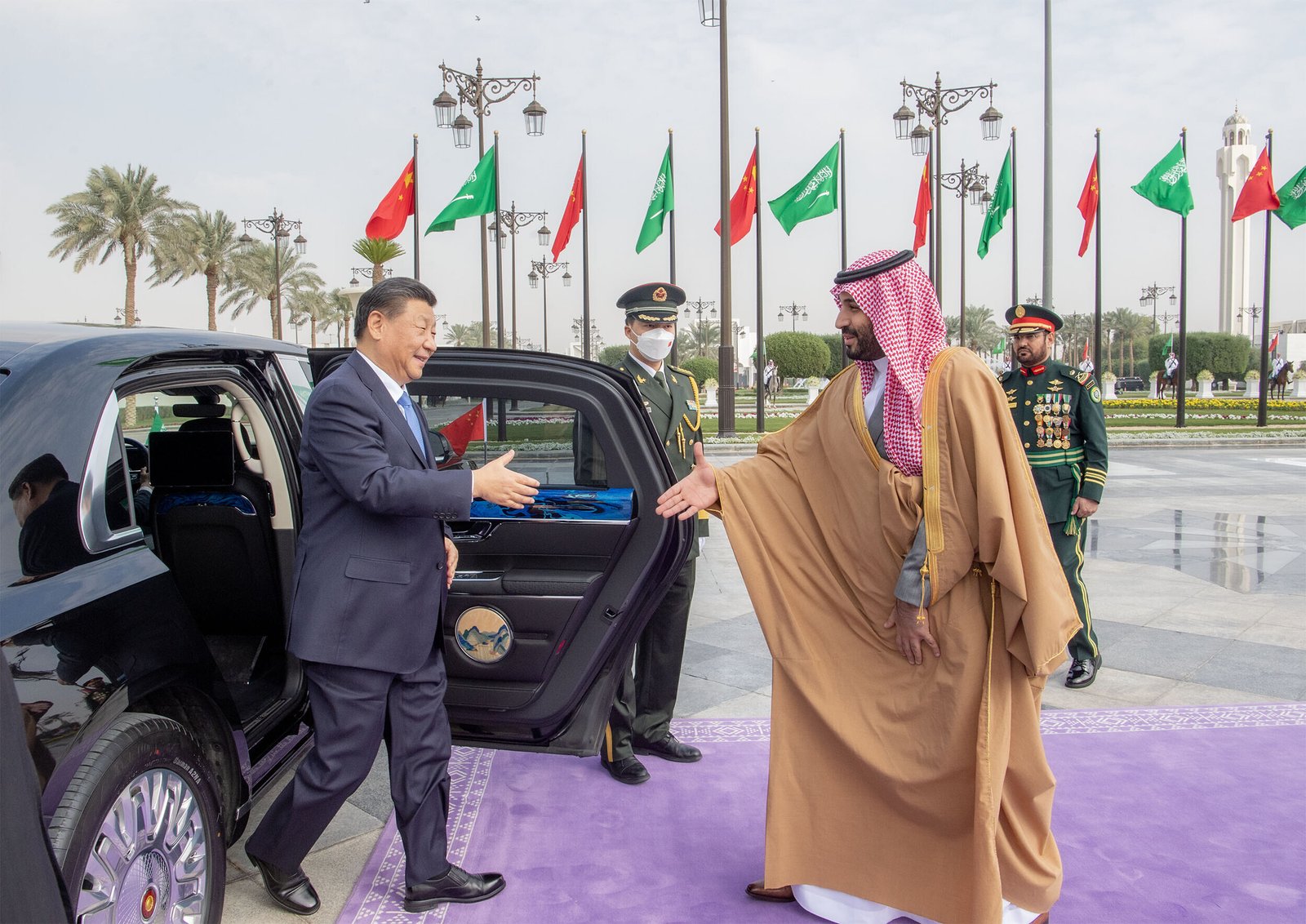
Gulf Security Ties Face Hard Choices
Scenarios
More likely: Gulf states secure strategic autonomy
The Gulf states emerge as nimble geopolitical entrepreneurs, leveraging their energy wealth, sovereign funds and geographical position to extract maximum concessions from all sides while committing fully to none. Notably, the region’s pursuit of strategic autonomy is not the balancing act itself, but the underlying institutional maturity now driving it. Unlike previous eras, when survival depended on a single security patron, the Gulf states convert their vast financial power into structural influence – acquiring ports, AI infrastructure, critical minerals and agricultural land across continents, thereby creating leverage that transcends traditional military calculations. This is autonomy through asset geography, not merely diplomatic hedging.
The Gulf nations learn to manage the inherent tensions of this approach with increasing sophistication. They calibrate their partnerships through temporal segmentation: granting the U.S. enduring security primacy while awarding China the lion’s share of future-oriented economic contracts, and simultaneously cultivating India and Turkiye as counterweights to both. Rather than provoking a zero-sum great-power response, this strategy often compels rival powers to compete for Gulf favor, effectively raising the price of their patronage.
Yet the true test of the region’s strategic autonomy is ultimately built on each country’s domestic resilience: diversification away from hydrocarbon rents, the cultivation of human capital, and the maintenance of internal GCC cohesion despite differing trajectories. As the Gulf states transform their wealth into sustainable knowledge economies and cohesive decision-making frameworks, their autonomy becomes self-reinforcing.
For the Gulf states, therefore, the long-term result is the embedding of a broader doctrine of strategic autonomy rather than geopolitical realignment.
Less likely: Fragmented approaches to strategic autonomy and Iran
Despite common trends, Gulf states’ coordination remains incomplete. Saudi Arabia and the UAE increasingly shape regional strategic thinking owing to their economic size, military capabilities and ambitious foreign policies. Both favor stronger indigenous defense industries, diversified external partnerships and greater regional influence. Yet, by these very similar approaches, their interstate relations continue to drift apart as each seeks greater say in the exercise of regional power and beyond.
Qatar continues pursuing a diplomatic strategy emphasizing engagement with multiple actors maintaining close American security ties, alongside pragmatic economic relations with China and Iran, where possible. Oman remains committed to mediation, seeking to preserve dialogue with all parties even during conflicts. Kuwait adopts a cautious consensus-oriented approach, while Bahrain’s close security relationship with Washington constrains the extent of its strategic diversification.
GCC coordination remains selective rather than comprehensive. On issues such as missile defense, maritime security, intelligence sharing and protection of energy infrastructure, incentives for cooperation increase considerably.
However, differences remain regarding relations with Iran, entailing uneven impacts across Gulf non-oil economies. This is especially so for those states more exposed to tourism, aviation and international finance, which face greater economic costs from prolonged instability.
While the Gulf states have a shared threat perception to Iran, they are unlikely to have a common approach in resolving it.