
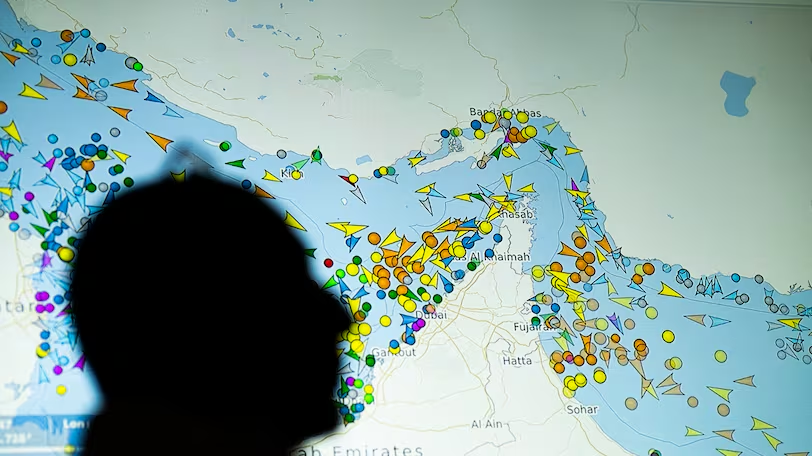
The Iran war has turned the Strait of Hormuz into a strategic pressure point, forcing Gulf states to rethink resilience across ports, pipelines, energy, food, and logistics. The UAE faces multidimensional exposure requiring strategic foresight and regional cooperation.
Gulf resilience now faces its most consequential test since the regional upheavals of the past decade. The war that began with US and Israeli military action over Iran’s nuclear threat has evolved into a strategic confrontation reaching far beyond the battlefield. Energy markets, shipping lanes, supply chains, diplomacy, and national security calculations have all been disrupted. The Strait of Hormuz has become a pressure point where geography dictates economic destiny. Attacks on commercial vessels have shown how quickly regional conflict can threaten the arteries of global trade. Gulf states have been forced to think beyond traditional deterrence and defense.
They must now confront questions of port resilience, pipeline security, energy diversification, food supplies, logistics networks, and global connectivity. The UAE sits at the intersection of these pressures—simultaneously a Gulf state, a global trading hub, a diplomatic actor, and a bridge between economies. Gulf resilience therefore cannot be measured solely in military terms. It must encompass shipping, investment, aviation, commodity stability, and the strategic choices of governments far beyond the Middle East. The challenge is not simply to survive the current crisis but to course-correct before the next one arrives.
Why Geography Becomes Destiny
There are moments in history when geography becomes destiny. The Gulf is living through one of them.
Over the past six months, the UAE, the wider Gulf, the Middle East and the world have found themselves caught in the consequences of a conflict that began with US and Israeli military action over Iran’s growing nuclear threat and has since evolved into a far wider strategic confrontation. What started as a military crisis has become an economic and geopolitical one, reaching into energy markets, shipping lanes, supply chains, diplomacy and calculations of national security.
And, as the latest exchanges between Washington and Tehran demonstrate, the possibility of further escalation remains real.
The Strait Becomes a Pressure Point
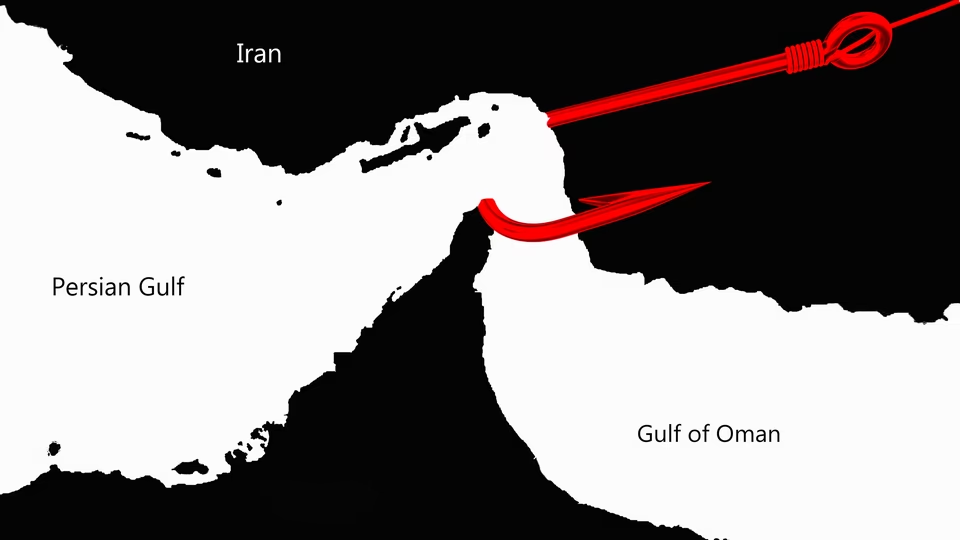
Few places have been more exposed to these consequences than the Gulf. The Strait of Hormuz has become a strategic pressure point. Disruption there has reverberated through energy markets and global trade, while attacks on commercial vessels have underscored how quickly a regional confrontation can threaten the arteries of the international economy.
Gulf states have consequently been forced to think not only about deterrence and defence, but about the resilience of ports, pipelines, energy systems, food supplies, logistics networks and global connectivity.
UAE Faces Multidimensional Exposure
The UAE has found itself at the intersection of these pressures. It is simultaneously a Gulf state, a major global trading hub, a diplomatic actor and a bridge between regions and economies. Its exposure to the turbulence is therefore multidimensional.
The consequences are not confined to missiles and military bases; they are felt in shipping, investment, aviation, commodity prices, business confidence and the strategic choices confronting governments far beyond the Middle East.
Hili Forum Arrives at Crossroads
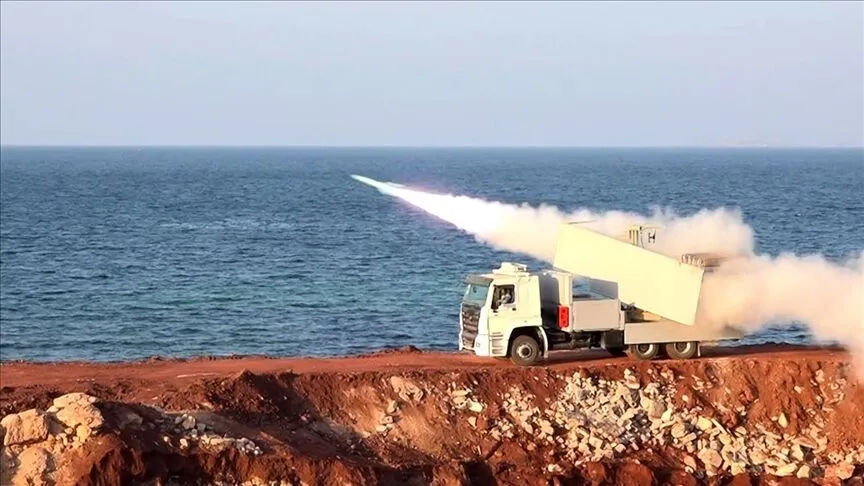
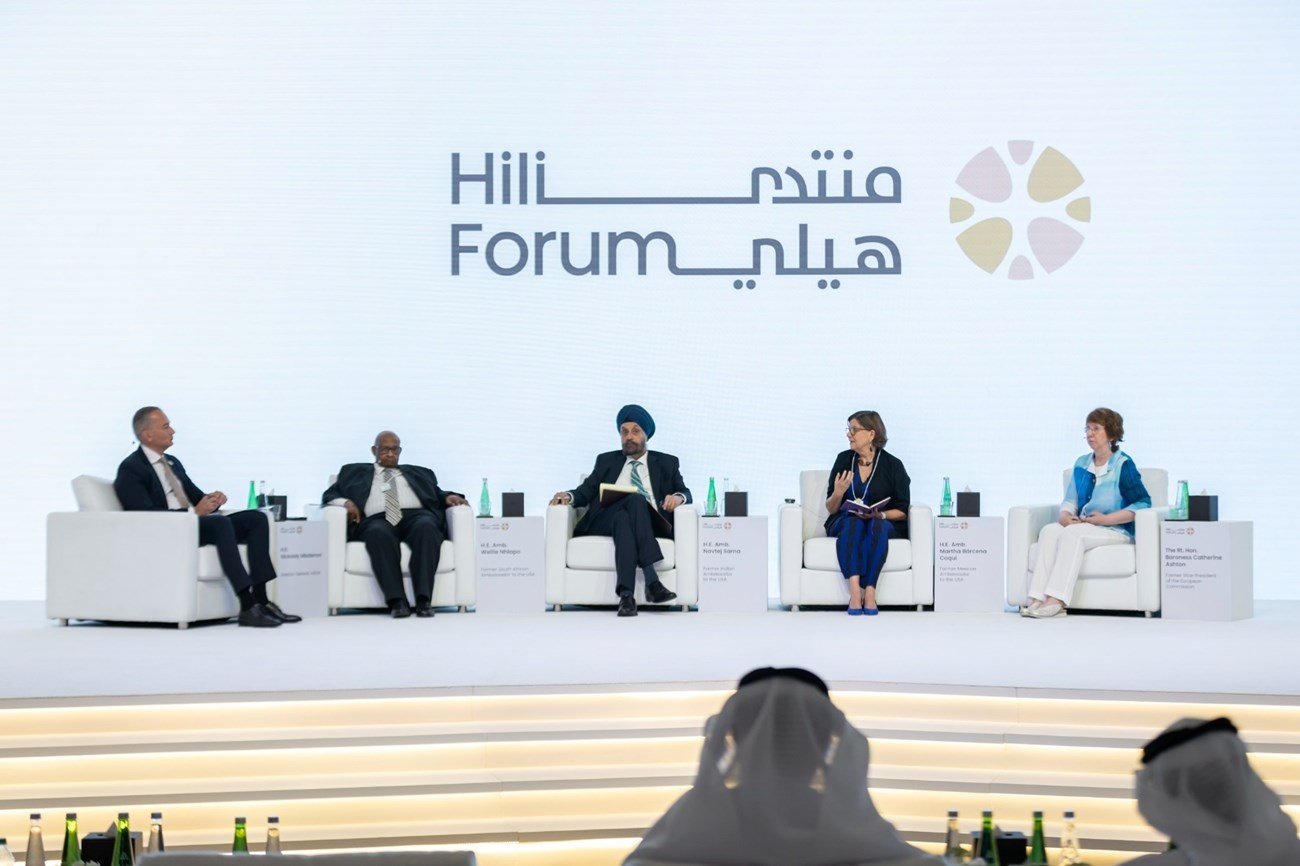
This is why the third edition of the Hili Forum in Abu Dhabi on Monday and Tuesday, is timely. Convened under the theme “Gulf at Crossroads: Conflict, Consequences and Course Correction”, the forum, co-organised by the Emirates Centre for Strategic Studies and Research and the Anwar Gargash Diplomatic Academy, seeks to make sense of three questions that define the present moment: What has happened? What is happening now? And what could and should happen next?
Gulf Resilience Requires New Lenses
These questions are deceivingly simple, but their answers are not. The Gulf can no longer be understood principally through the traditional lenses of oil, military alliances and regional rivalries. It has become a crossroads where geopolitics, geoeconomics and geotechnology converge.
The security of a maritime route can determine the price of energy thousands of kilometres away. A military escalation can disrupt supply chains. A technological breakthrough can alter deterrence. And a diplomatic realignment in one part of the world can reshape strategic calculations across another.
What the Forum Must Address
The Hili Forum therefore arrives at a moment when the UAE and the region challenge the conventional assumptions that were taken for granted, further their resilience and plan a reset in the shadow of the war. The speakers from dozens of countries – including policymakers, diplomats, academics, business leaders and strategic thinkers – will simply not diagnose the crisis but think beyond it.
Connectivity Beats Isolation
This means asking how Gulf countries can strengthen their crisis management capabilities; how critical maritime and economic corridors can be made more resilient; how technology is transforming both competition and co-operation; how the regional defence mechanisms and security architecture could change; how the relations between Gulf Co-operation Council countries and Iran might be recast in the future; and how middle powers can exercise greater agency in an international system undergoing profound change.
With its history of exchange and connection across cultures, Hili offers a powerful metaphor for the present moment. Its legacy is not simply one of survival in a difficult environment, but of connectivity. In an age when conflict travels rapidly across borders through drones, markets, misinformation, cyber networks and disrupted supply chains, dialogue and co-operation must also transcend borders. The answer to an increasingly interconnected world cannot be greater isolation.
There may be no easy course correction. But there is an urgent need for strategic foresight, sober conversation and practical co-operation. The purpose of Hili Forum is not to predict the future with certainty, but to create the space, encourage new ideas and prepare to manoeuvre whatever comes our way.