
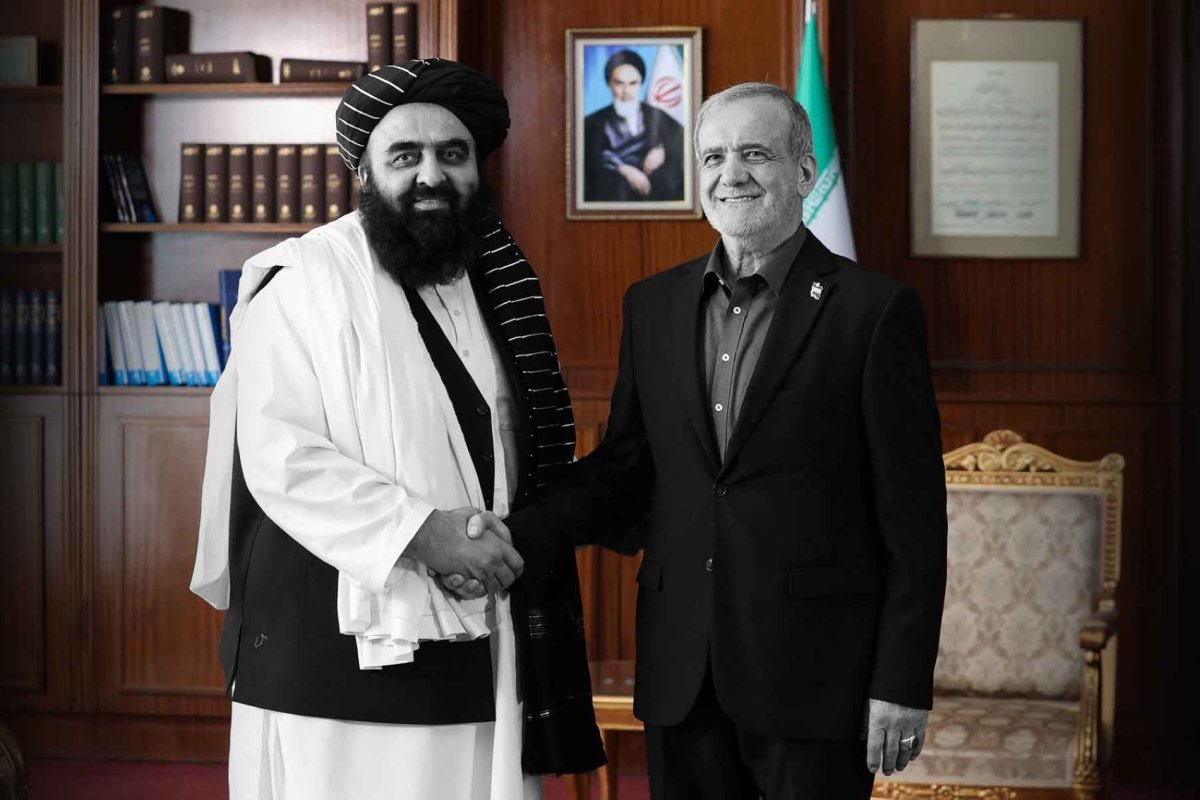
Iran-Afghanistan relations shift eastward
In 1998, Iran was hours away from invading Afghanistan after the Taliban killed 11 senior Iranian diplomats in the northern city of Mazar-i-Sharif. Iranian General Qasem Soleimani, who led the elite Quds Force for decades, had waged a proxy war against the Pakistani-backed Taliban for much of the 1990s, so he knew it well.
Years later, American diplomats confirmed that Soleimani had helped them oust the Taliban by providing key intelligence and tactical support; such was the animosity. But that was then. Today, it is highly unlikely that the US and Iran would work together in this way.
Three decades on, Iran is increasingly cooperating with the Taliban, which has turned on its former backer, Pakistan. For their part, Russia and China also have an interest in Iran working in concert with Afghanistan, as this forms an anti-American nexus spanning central and southern Asia. Tehran’s relationship with Kabul may be a marriage of convenience, but it has given the Iranians strategic depth. To understand how Iran and the Taliban became partners, one must explore Iran’s long-standing links to al-Qaeda.
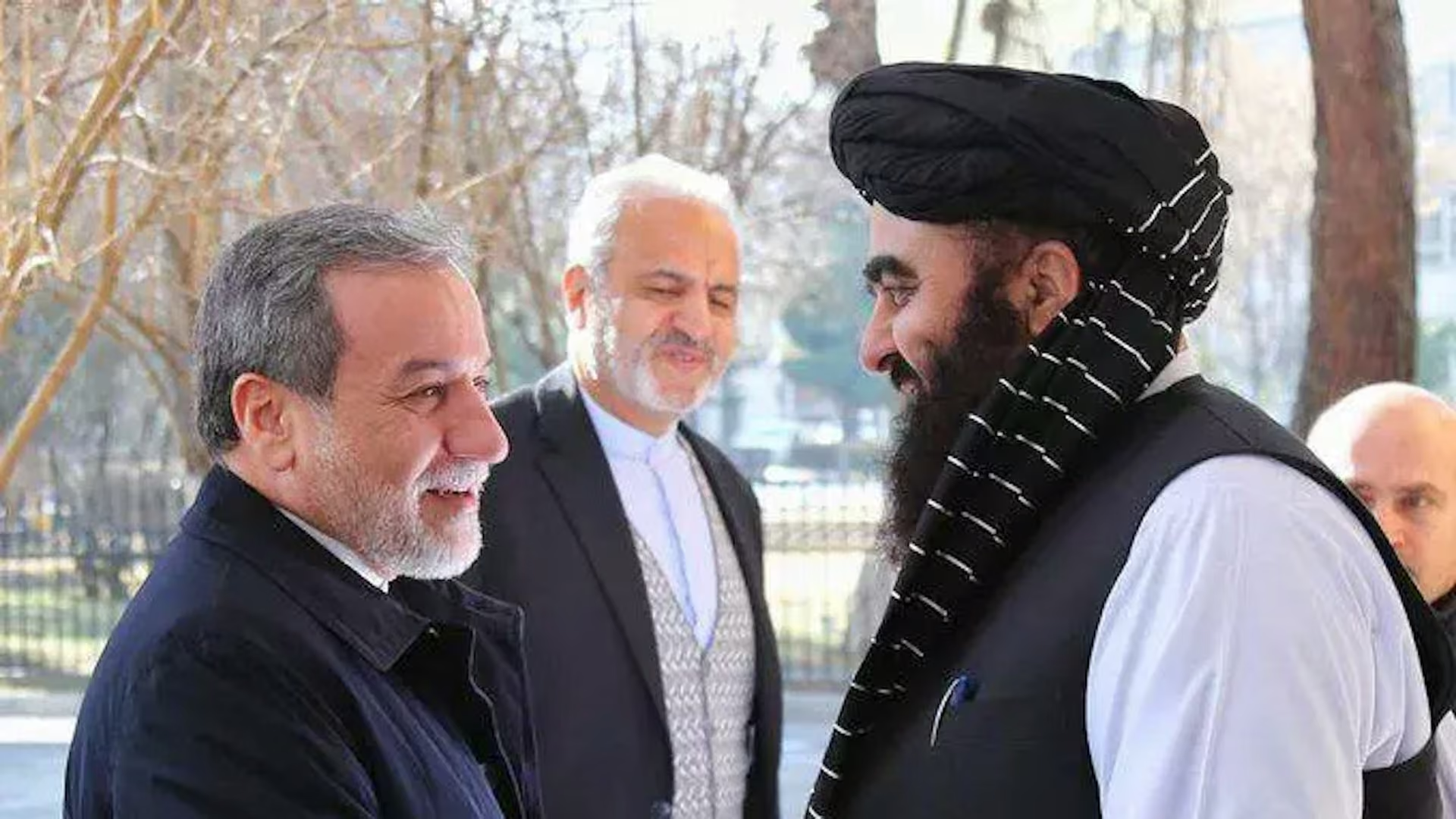
Soleimani outmaneuvers old allies
Around 2010, top American generals began accusing Iran of supporting the Taliban insurgency against the NATO forces in Afghanistan. Although the Taliban was nurtured, sheltered, and armed by Pakistan’s intelligence service (ISI), Islamabad began to lose control over the group it had supported. Iran and Soleimani were beginning to outsmart both the ISI and the CIA.
Although Soleimani and the IRGC had helped the Americans topple the Taliban, Tehran and Washington were at odds over how Afghanistan should be governed. The disagreement related to Iraq (where Soleimani had also helped the Americans get rid of Saddam Hussein). They also differed on how Iraq should be run, and by whom.
阿富汗比伊拉克更为复杂,那里以逊尼派与什叶派的分裂主导考量。在阿富汗,说波斯语的塔吉克人(他们在9/11后上台)是逊尼派。尽管他们与伊朗人有文化联系,但并非什叶派。与此同时,许多阿富汗什叶派(如哈扎拉人)被美国招募为其作战。
正如毛拉·扎伊夫在其著作《我与塔利班的生活》中所述,随着扎伊夫等塔利班领导人被巴基斯坦军方逮捕并移交给美国关塔那摩,组织对巴基斯坦人失去了信任。塔利班需要一个新的保护国,一个不会把他们交给军事资助者的保护者。伊朗和俄罗斯看到了机会。在与美国密切合作的1990年代,巴基斯坦曾利用塔利班清除阿富汗的伊朗影响;现在索莱马尼可以得到报复。
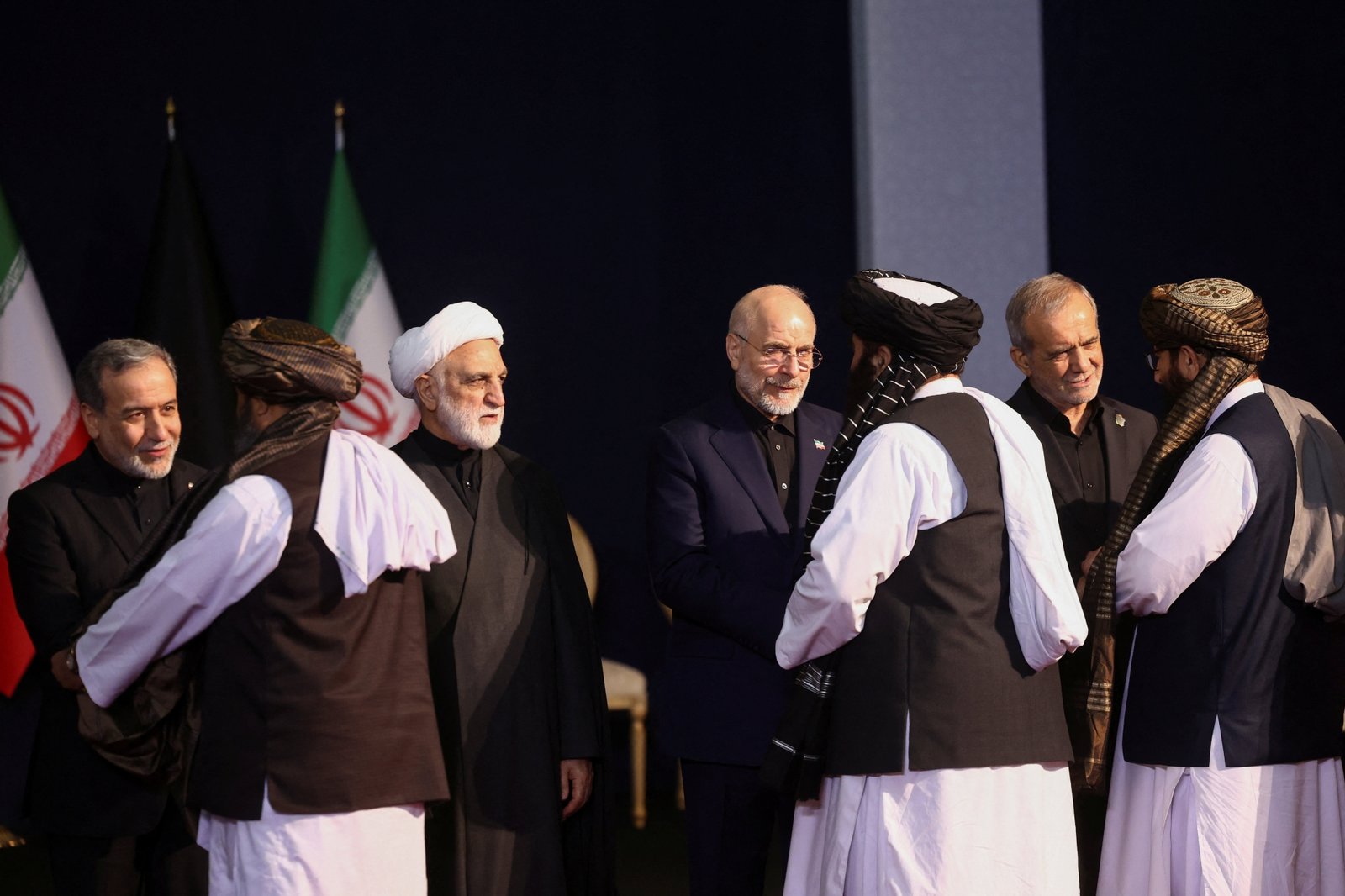 伊朗领导人在2026年7月3日伊朗已故最高领袖阿亚图拉·阿里·哈梅内伊(于2026年2月28日被美以暗杀)葬礼上迎接阿富汗塔利班外交部长阿米尔·汗·穆塔基。
联盟转变
塔利班对阿富汗什叶派变得更加宽容,而伊朗开始支持在阿富汗与巴基斯坦山地间逃窜的基地组织。时任美军伊拉克与阿富汗军事情报主管的迈克尔·弗林中将展示了伊朗如何支持基地组织,将其一些战斗人员从阿富汗带入伊拉克。
阿德里安·列维的《流亡:奥萨马·本·拉登的逃亡》概述了伊斯兰革命卫队如何在伊朗收容基地组织领导人与本·拉登的家属。该组织的一些领导人至今仍居住在那里。随着美国在2021年撤离阿富汗,塔利班的新保护国似乎将是伊朗,并获得俄罗斯和中国的默认认可。最后,在巴基斯坦军方20年前将塔利班领导人交给美国之后,塔利班正在获得其报复。
俄罗斯和中国则越来越多地在阿富汗进行投资。北京希望一个稳定的阿富汗以应对影响中国在俾路支省投资的不稳定局势。中国资助了从中阿边境到喀布尔以及到靠近霍尔木兹海峡的阿拉伯海湾伊朗港口班达尔阿巴斯的公路和铁路项目。俄罗斯也在利用阿富汗作为通往伊朗的陆路通道。
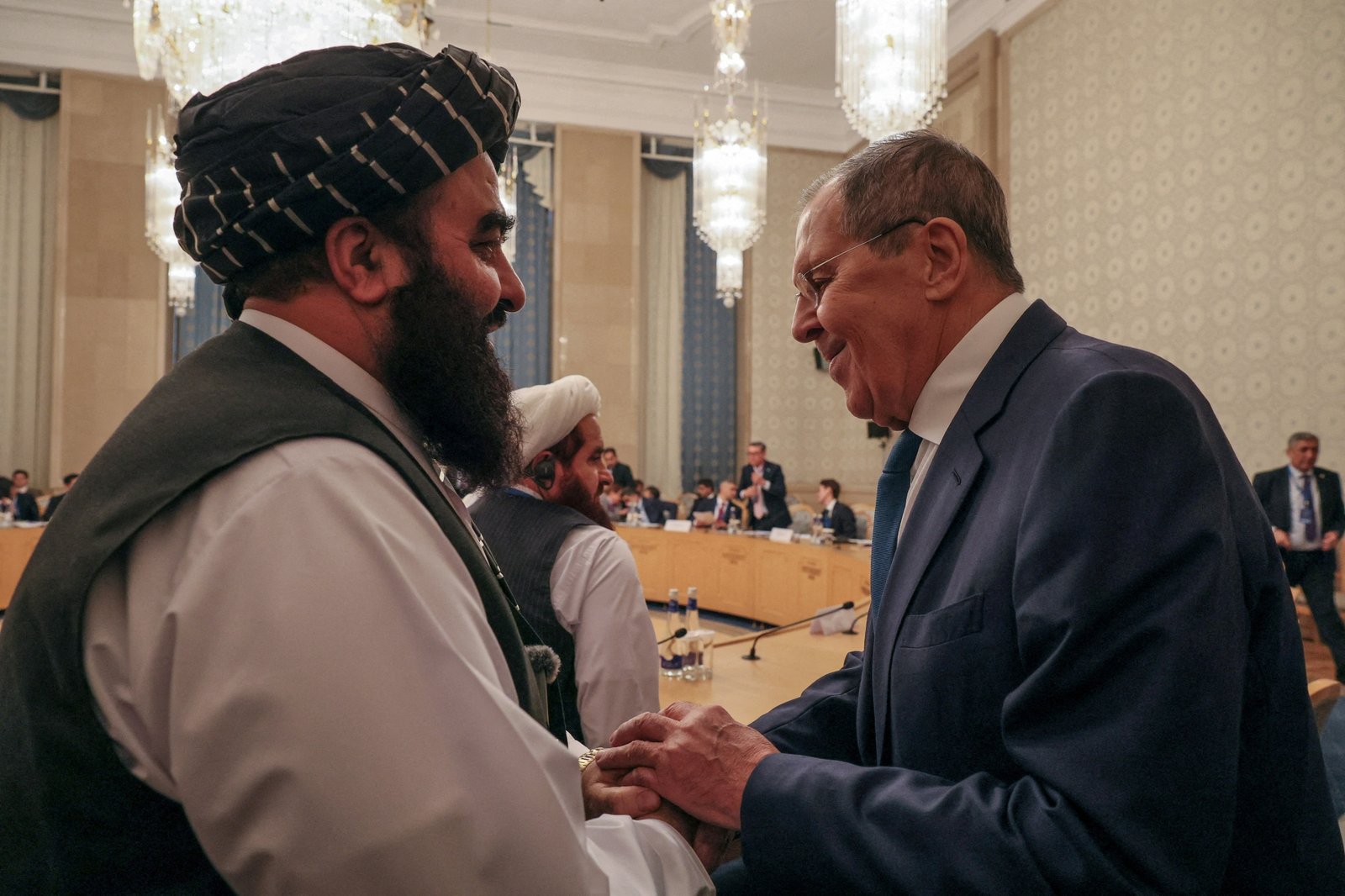 俄罗斯外长谢尔盖·拉夫罗夫在2026年10月5日于俄罗斯莫斯科举行的“莫斯科格式阿富汗磋商”会议期间欢迎阿富汗外长阿米尔·汗·穆塔奇。
伊朗—阿富汗关系重获战略深度
尽管伊朗在2024年12月失去了对叙利亚的控制,但与此同时阿富汗成为了一个此前并不具备的伙伴。中亚联系在扩大。俄罗斯已将伊朗的一些主要无人机工厂迁至塔吉克斯坦(该国也驻有近6000名俄罗斯军人)。在地理上,阿富汗将伊朗与中亚相连。
如果美以对伊朗的战争恢复,伊朗—阿富汗关系可能成为一项重要的安全依赖。讽刺的是,塔利班是普什图人,而非波斯语使用者。阿富汗的波斯语使用者是塔吉克人、乌兹别克人和哈扎拉人(他们曾为美国人作战,因此被伊朗抛弃)。在这个拼接而成的地区,战争从来不是单一明了的事情。