
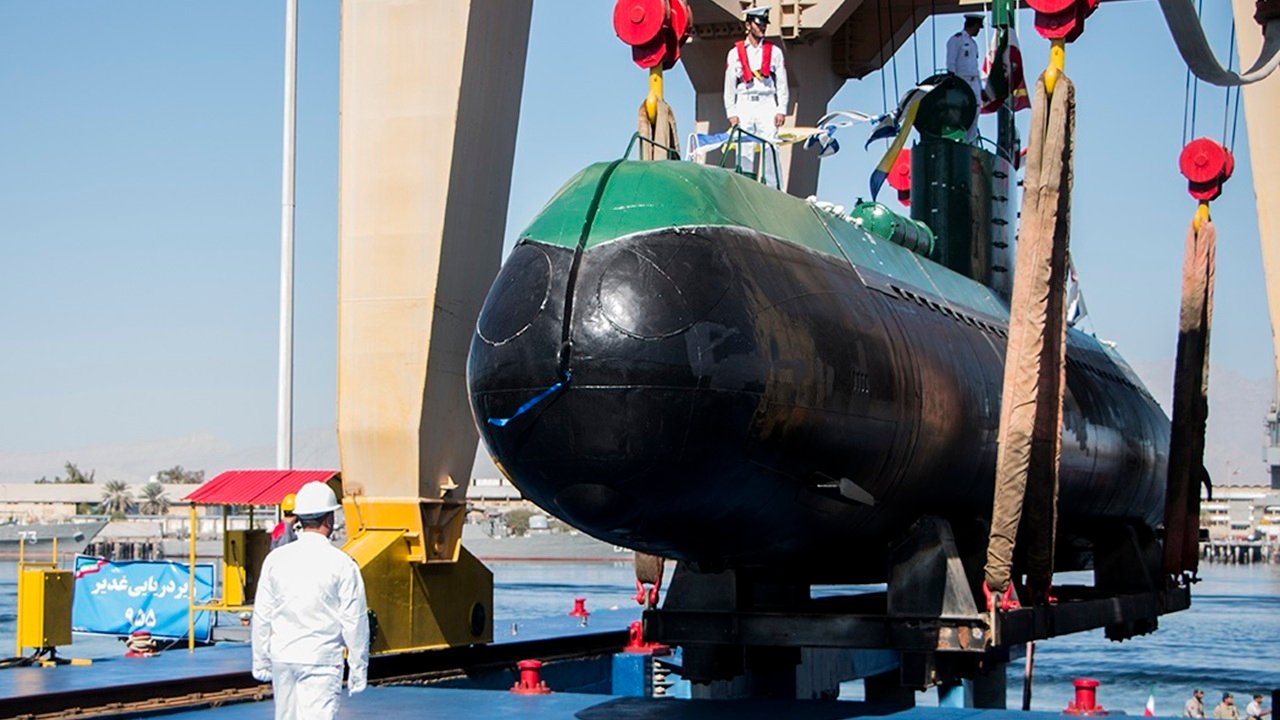
A strategic evaluation of Iran’s Ghadir-Class Submarine fleet, analyzing its asymmetric deployment capabilities, acoustic advantages, and tactical threat profile against commercial shipping and naval forces within the shallow chokepoint of the Strait of Hormuz.
The strategic calculus in the Persian Gulf depends heavily on asymmetric naval capabilities, where sub-surface elements present a persistent challenge to Western maritime dominance. Despite political rhetoric suggesting the total neutralization of Tehran’s naval forces, the Ghadir-Class Submarine remains a low-profile, high-consequence asset specifically tailored for the shallow, high-traffic littoral zones of the region.
This Ghadir-Class Submarine functions not as a traditional blue-water vessel, but as a specialized tactical tool designed to leverage acoustic clutter and geographical bottlenecks to disrupt global shipping and counter superior conventional naval forces.
Ghadir-Class Submarine Tactical Role
President Donald Trump and Secretary of Defense Pete Hegseth have repeatedly made the claim that the Iranian Navy has been destroyed. However, according to open-source intelligence, the Islamic Republic may still have a potentially deadly weapon in its arsenal, namely its Ghadir-class diesel-electric submarines, which it could deploy in the Strait of Hormuz.
The 150-ton midget submarines—of which Tehran may have as many as 23—are based on a North Korean design specifically for use in shallow littoral waters. Named for the early gathering of Muslims delivered by the Prophet Mohammad, the boats are no match for a US Navy warship, yet could inflict serious damage to one if it were caught unawares. In that sense, the Ghadir-class submarines should be seen as an example of asymmetric warfare undertaken by the Islamic Republic.
Technical Profiles: Ghadir-Class Submarine Specs
| Specification | Metric / Detail |
| Year Introduced | First identified in 2004, mass production began in 2005 |
| Number Built | ~20 |
| Length | 29 m (95 ft 2 in) |
| Beam (Width) | 2.75 m (9 ft 0 in) |
| Draught | 2.5 m (8 ft 2 in) |
| Displacement | 115 to 120 tons, up to 150 tons fully loaded |
| Propulsion | Diesel-electric propulsion; unknown engines |
| Top Speed | 10 knots surfaced; 8 knots submerged |
| Armament | Two (2) 533mm (21 in) Torpedo Tubes |
| Crew | 5–7 |
Given the size of the Ghadir-class midget submarines, it would be easy to dismiss their effectiveness. Each can only carry a very small number of torpedoes or other ordnance. Operated by a crew of just seven, the boats also have an endurance of just seven to 10 days. As the submarines lack an air-independent propulsion (AIP) system, they cannot remain underwater for long periods of time, and need to surface in order to recharge their batteries, where they can be easily detected.
Acoustic Clutter Shields Ghadir-Class Submarine
Even so, it would be unwise to underestimate the midget submarines. Each can sit silently on the seabed—known as “bottom resting”—to hide from sonar, where they could then lie in wait to attack commercial shipping in the congested waterway.
It is also important to understand that the Strait of Hormuz is one of the noisiest waterways in the world. The transit of a large number of vehicles through its shallow waters can create a cacophony of engines, propellers and other activity. In practice, this means that the background noise is so cluttered that it interferes with military sonar—creating an ideal environment for a small submarine to lurk, waiting for a target of opportunity.
Moreover, despite their small size, the Ghadir-class boats are highly capable offensive weapons with two 533mm torpedo tubes.
Ghadir-Class Submarine Heavyweight Armaments
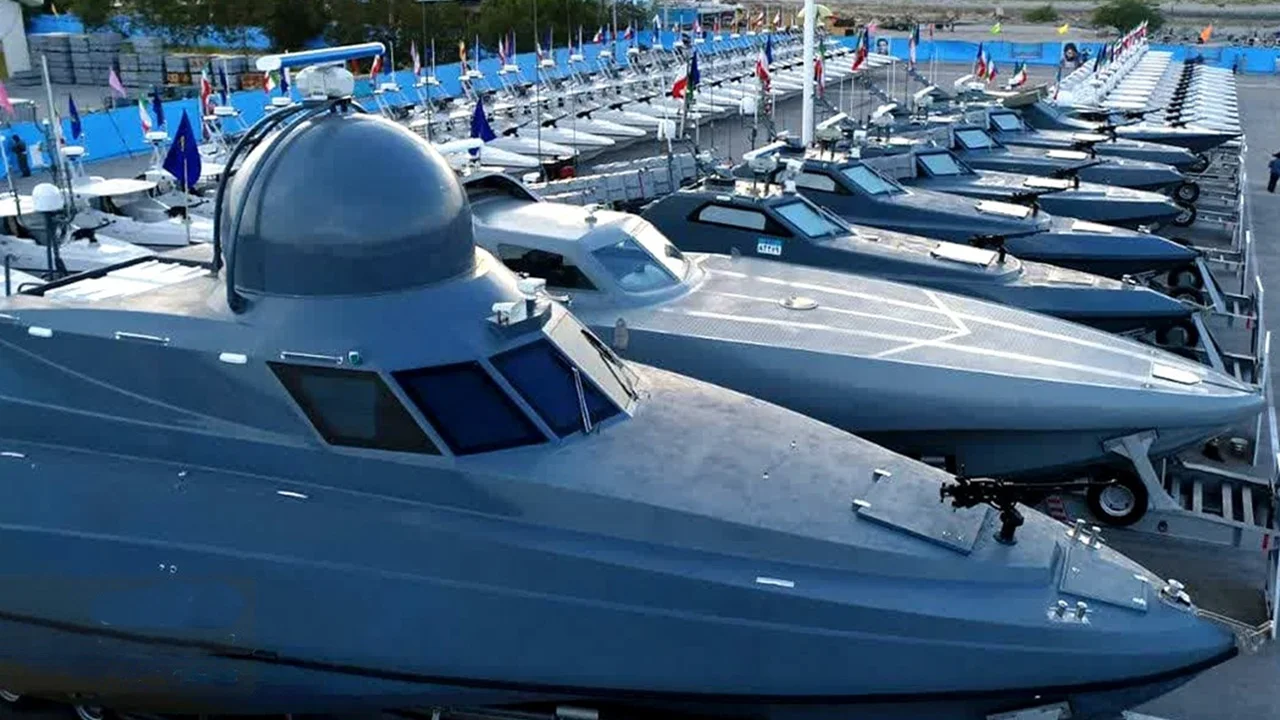
Writing for The Telegraph, Royal Navy Commander (Ret.) Tom Sharpe explained that the boats are armed with “two heavyweight torpedoes and mines,” and “if one of these gets a decent firing solution on a surface vessel, it will kill it.”
Sharpe further warned that the threat from these submarines is significantly greater than Tehran’s drones, missiles, fast attack boats, or limpet mines.
“These torpedoes will break the ship’s back and send it down,” Sharpe wrote.
Denying Sea Control Via Ghadir-Class Submarine Mining
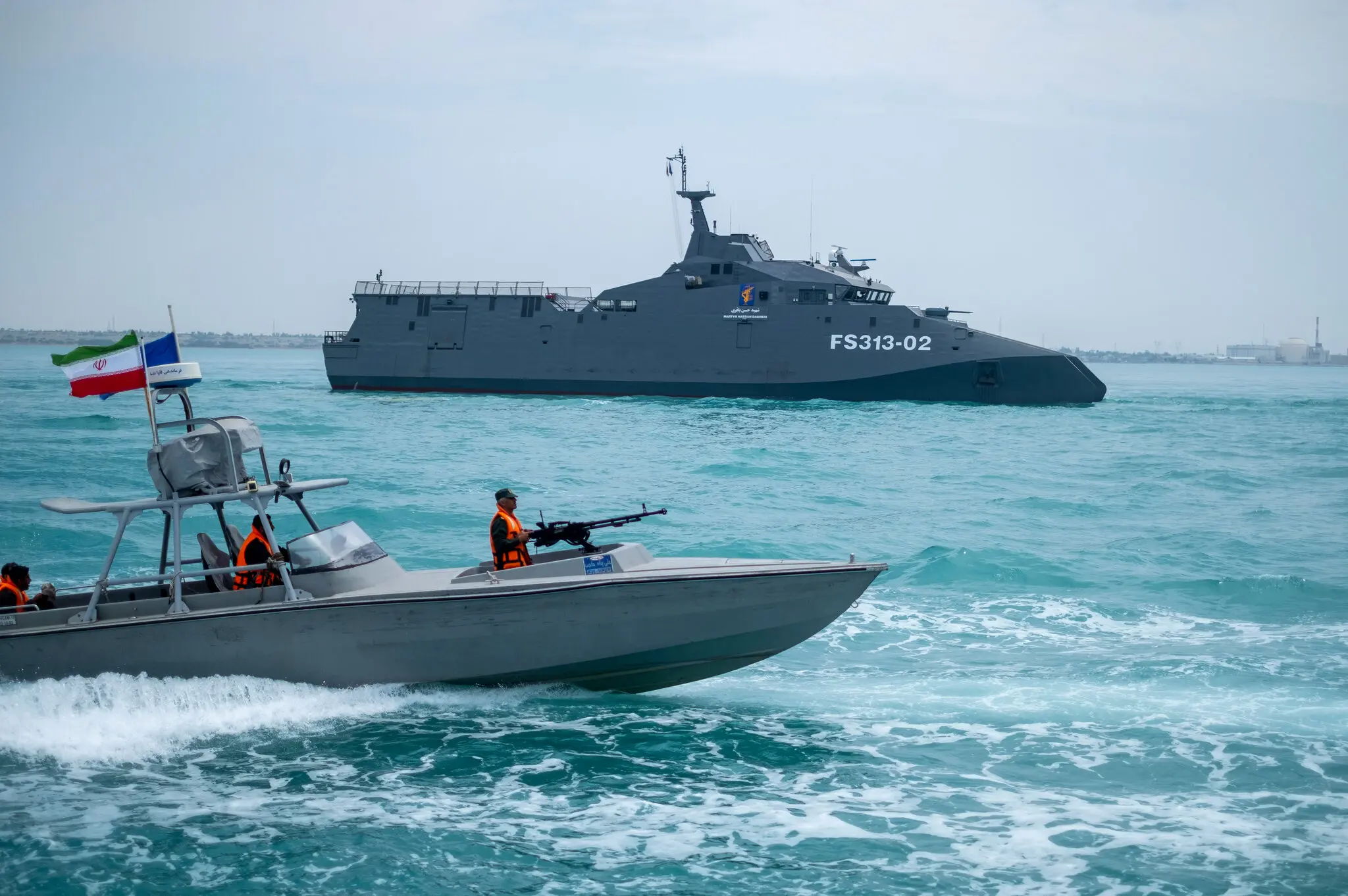
In addition to being armed with heavyweight torpedoes—such as the domestically built Valfajr, designed to target and sink surface vessels—the Ghadir-class submarines can also be deployed to lay four to eight naval mines discreetly. The US is working to clear the Strait of Hormuz of mines, and this task is made far harder by the fact that Iran could be putting out more while the US Navy attempts to pick them up.
There are also reports that the modernized variants of the small boats can launch subsurface-to-surface cruise missiles, meaning they could be a real danger beyond just the Strait of Hormuz. Although as many as 23 may have been built, it remains unclear how many are now in service—but every one of them should be considered a very real threat to commercial shipping and even to US Navy warships.