
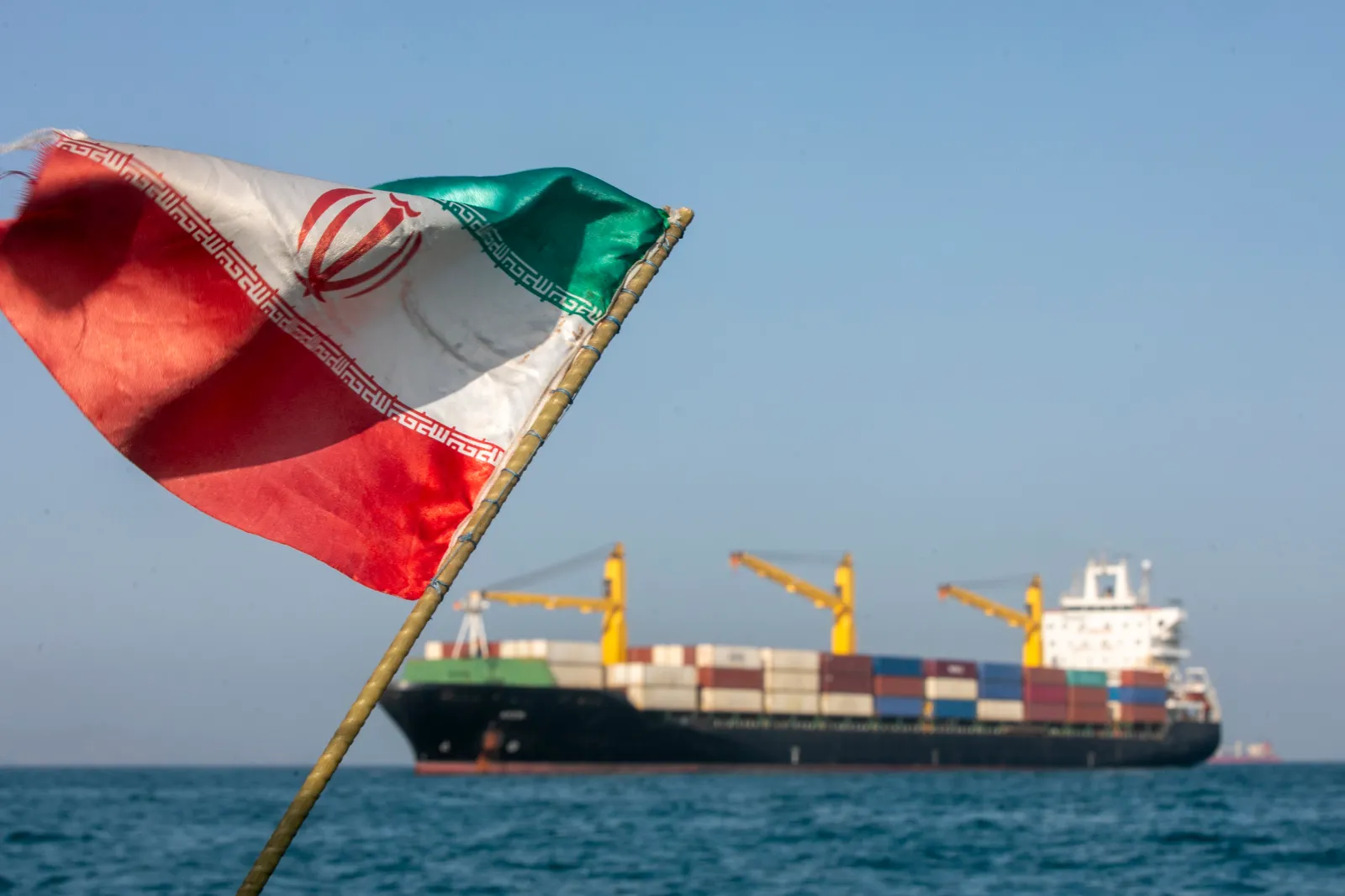
Washington faces critical post-midterm decisions following an asymmetrical memorandum with Tehran. The text details how previous strikes triggered a crippling closure of the Strait of Hormuz, demonstrating that a multi-domain economic embargo is required to restore global deterrence.
The ongoing standoff has exposed a dangerous asymmetry in international diplomacy, as concessions fail to produce stability. A total blockade of Iran stands out as the ultimate remaining geopolitical tool to reset these broken negotiations before regional instability spreads further.
Total blockade of Iran options
Something is badly out of balance in the negotiations between the United States and the Iranian regime: The Iranians have benefited from a monumental American capitulation, yet cannot take “yes” for an answer. This may not be headed toward the deal that President Trump seemed prepared to give them to end the misadventure. So what are the alternatives?
At the NATO summit in Ankara this week, Trump sounded like a man already trying to distance himself from the Memorandum of Understanding—negotiated only months ago. Iran’s rulers, he said, are “scum,” “evil,” and “cancer.” The memorandum was, “as far as I’m concerned,” effectively over.
But, just moments later, he suggested negotiators might continue talking. Clearly, all this bluster could be just brinksmanship by both sides. But Trump cannot be failing to notice that even people who opposed the war from the beginning assess that Iran emerged the winner—even though, of course, it was militarily thrashed. The consensus is that turning this memorandum into a permanent agreement would amount to one of the most lopsided American diplomatic capitulations in decades. The sequence of events explains why.
The United States and Israel launched military strikes with the stated objective of destroying Iran’s nuclear program, punishing it for the massacre of civilians, and—if at all possible—bringing down the regime. Instead of collapsing, Tehran reached for its strongest remaining card and blockaded the Strait of Hormuz, through which roughly one-fifth of the world’s seaborne oil passes. Markets reacted immediately, oil prices spiked, and a wave of worry about inflation and supply chains swept over the world.
Having failed to plan for this obvious Iranian move, Washington suddenly faced a choice between absorbing economic pain or finding a rapid diplomatic exit. Trump, who on the day he launched the war promised to give Iranians their “country back,” panicked. The resulting memorandum offered Iran sweeping sanctions relief, access to frozen assets and a path back toward economic normalization in exchange for promises not to seek nuclear weapons—which seem weak, unverifiable and reversible. Iran can continue to run proxy militias around the region, build ballistic missiles, and terrorize its population.
And it is set to receive hundreds of billions of dollars in what its leaders will present as reparations. In the throes of a bad case of hubris, Iran’s leadership now also insists that once the 60-day negotiation period expires, they intend to impose fees on ships passing through the Strait of Hormuz. This week, Iran’s ambassador to China said that friendly nations would receive special consideration. Allowing this to stand would plainly reward coercion and establish a dangerous international precedent.
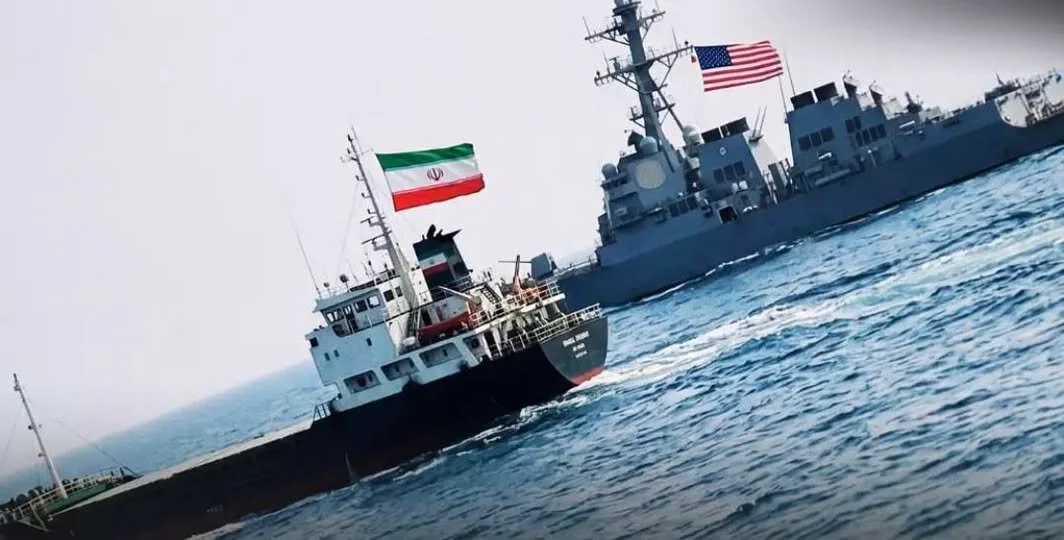
Escalation amid total blockade of Iran
The Iranians are vastly overplaying their hand. They are assuming there is no limit to Trump’s fear of voters in the midterms, and to the world’s incapacity to tolerate a few months of economic pain. The midterm elections indeed loom large. Americans have little appetite for another prolonged Middle Eastern conflict, particularly one accompanied by higher gasoline prices and continuing economic uncertainty. Every additional military operation would become part of the domestic political debate.
Yet transforming the memorandum into a final agreement would carry costs extending far beyond the next election. It would strengthen a regime that continues to sponsor terrorism across the Middle East, reward brinkmanship against the global economy and weaken American credibility at precisely the moment rivals are testing it around the world.
There is another possibility—and it doesn’t have to involve a return to total war, which would expose America’s skittish Gulf allies and involve more attacks on U.S. assets in the region.
The administration could simply continue negotiating without intending to reach a final agreement before the midterms. Extending the talks would postpone the moment of decision while preserving freedom of action after November. It would also allow Washington time to prepare allies and markets for a much more serious strategy. That strategy should center on the restoration of overwhelming economic pressure through a genuinely comprehensive blockade.
The first campaign against Iran was improvised. The next one, if there is one, must be prepared carefully. The United States should spend the coming months coordinating with Europe, the Gulf states and Asian partners, explaining the stakes and preparing the global economy for disruption. There should be no illusions. Oil prices would rise. Inflation would worsen. Shipping costs would increase. Fertilizer markets and aviation fuel could experience severe shortages. The world would pay a price, and that is bad—but it is not impossible to overcome. Alternative routes around the Strait of Hormuz, by land, by pipeline, can be devised.
Repercussions of a total blockade of Iran
These costs are lower than allowing Iran’s regime to emerge from this confrontation stronger than before—which would embolden Russia in Ukraine, China on Taiwan, and every authoritarian government seeking leverage over the international system.
Economic isolation remains Tehran’s greatest vulnerability. A sustained blockade, enforced across sea, air and land as far as practicable, would steadily erode the regime’s finances, deepen divisions within its leadership and increase pressure from an increasingly dissatisfied population. The naval blockade imposed by the U.S. before the MOU was signed was costing Iran roughly $250 million to $400 million daily, according to most estimates—reflecting direct losses from oil exports, which are by far the largest source of hard-currency income, and, in some estimates, also incorporating broader trade disruption. It does not include longer-term damage from refinery shutdowns, storage constraints, currency weakness, or industrial disruption, which could push the overall economic cost higher.
Total blockade of Iran leverage
A more crippling blockade would hit Iran where it is weakest. The country is already short of water, dependent on imported food and feed, exposed on refined fuel, and reliant on foreign parts and inputs for everything from medicine to aviation. Close the sea, squeeze the skies and make overland routes uncertain, and the economy would seize up. Prices would rise, shortages would spread, ministries and armed factions would fight over allocation, and the IRGC’s smuggling networks would become both more powerful and more resented. It might take months rather than weeks, but the pressure would move from the balance sheet to the street.
Enforcing the total blockade of Iran
This would also restore a principle that has underpinned international order for decades: Countries that threaten the free flow of global commerce pay an enormous price rather than receiving enormous rewards.
Such a strategy would require broad international backing. That will be difficult after an opening military campaign that many allies viewed as poorly conceived and inadequately planned. Trust will have to be rebuilt after a year in which Trump has been threatening Denmark over Greenland. That was actually job number one in Ankara this week: The organization of a coalition of the willing to work together on the least bad option.