
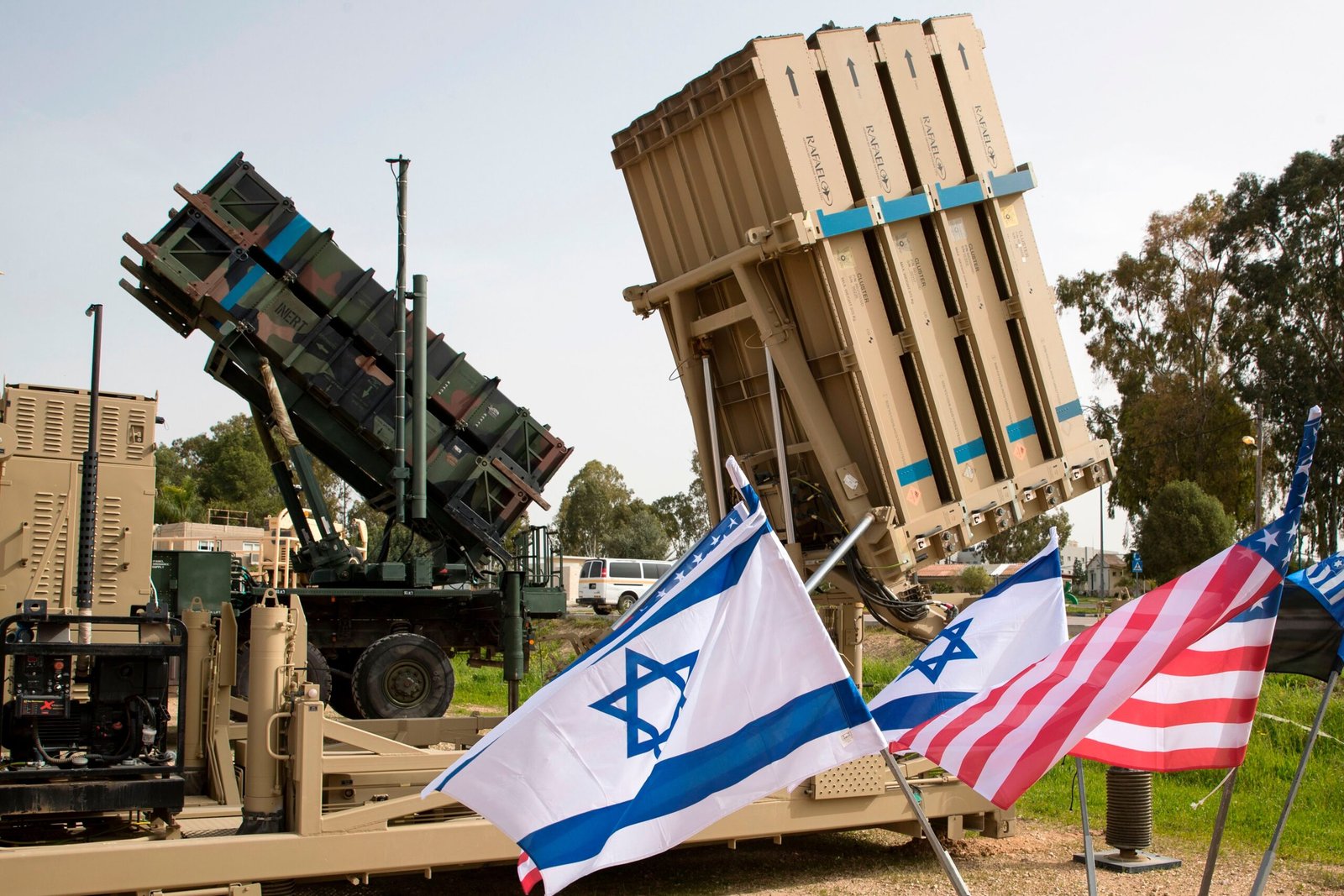
A high-level assessment of Prime Minister Netanyahu’s proposal to phase out US foreign military financing. The analysis highlights a critical tension between political autonomy desires and the fiscal realities of maintaining Israel’s qualitative military edge.
US military aid drawdown initiatives proposed by regional leadership demand an objective appraisal of bilateral defense economics, particularly as Israeli leadership advocates for a fundamental restructuring of historic alliance frameworks. While the strategic intent behind a self-reliant posture is clear, the financial realities of ongoing regional containment suggest that any premature shift away from US military aid could inadvertently compromise defensive readiness.
A calculated transition toward co-equal funding models must balance political rhetoric against the tangible costs of advanced multi-front deterrence, ensuring that the reduction of US military aid does not outpace the domestic fiscal capacity required to sustain an unassailable qualitative edge.
US military aid drawdown consequences
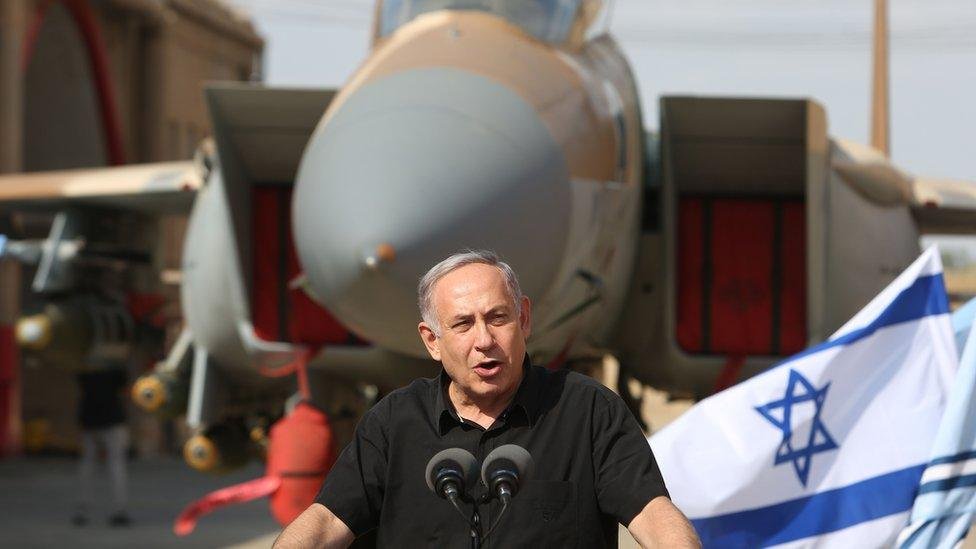
Amid unresolved conflicts with Iran and Lebanon, Israeli Prime Minister Benjamin Netanyahu continues to promote a plan to move his country away from American military aid. Speaking to 60 Minutes on May 10, Netanyahu argued that Israel should “draw down to zero the American financial support” for the Israeli military. Instead, he called for “joint projects,” with both countries contributing the same amount of funding.
Netanyahu’s proposal comes as he seeks re-election, and public polling and congressional votes in the United States suggest that some Americans’ views toward Israel are changing. While there is a broad consensus that the relationship between the US and Israel should evolve over time from an emphasis on aid to a strategic partnership framework, replacing US foreign military financing (FMF) in the short- or even medium-term may pose challenges, given that Israel’s military requirements are growing and it is already spending an extraordinary share of gross domestic product on defense.
Evaluating US military aid drawdown realities
The current US-Israel Memorandum of Understanding (MOU) was signed in 2016 and lays out how much assistance Washington will provide each fiscal year (FY) from 2019 to 2028. It provides Israel $3.3 billion per year in FMF and $500 million annually for cooperative missile defense programs, for a total of $3.8 billion per year for 10 years. The large majority of that FMF must be spent in the United States, and Israel must spend all of those funds in the US by 2028 under the current MOU.
FMF has played an instrumental role in helping Israel become the preeminent military power in the Middle East, securing common interests, and taking the fight to America’s adversaries in the region, including Iran and its terror proxies. The United States and Israel demonstrated an extraordinary ability during the 40-Day War with Iran to conduct combined military operations, and Israel struck thousands of Iranian targets, reducing the burden on the US military. That outcome would have been impossible without the F-35 and F-15 aircraft that FMF helped Israel purchase.
Shifting dynamics of US military aid drawdown
Twenty years ago, FMF amounted to approximately 30 percent of Israel’s defense budget. That proportion then declined, hovering around 15-20 percent for the last decade, before spiking to approximately 35 percent in 2024 due to supplemental US funding after the Hamas-led terror attack on Israel on October 7, 2023. In the absence of another supplemental, the percentage now is on track to fall below 10 percent after Israel’s 2026 budget increased defense spending.
Following the multi-front war that began on October 7, Israel must spend tens of billions of dollars to replenish and expand its arsenal of air- and ground-launched munitions and air defense interceptors. Israel must also procure dozens of expensive but essential aircraft, including more Apache attack helicopters, KC-46 refueling aircraft, and additional squadrons of F-15 and F-35 aircraft, while also addressing ground force shortcomings revealed on October 7.
US military aid drawdown fiscal hurdles
On one level, it seems reasonable for Israel to increase its defense budget to compensate for an FMF phase-out. Israel’s economy has continued to grow, and the country’s 2026 budget included approximately $49 billion for defense, representing a roughly 6 percent increase compared to 2025. There are two challenges, however, that this math does not consider.
First, Israel is already spending around 7 percent of its GDP on defense — far higher than any member of NATO and more than double the percentage Americans currently spend on defense. From a political perspective, these are extraordinary amounts for a democracy to allocate to defense — and it is unclear whether Israel can spend even more to compensate for a prospective FMF phase out. Second, Israeli procurement plans have apparently already spoken for more than $20 billion in FMF for the 10-year period starting in FY 2029 when the procurement of additional F-15s and F-35s is included in the total.

Assessing the US military aid drawdown impact
If FMF is phased out, Israel would have to increase its defense budget to levels that its politics and finances may not support or be able to sustain. If Israel fails to replace lost FMF funding and then some, it could leave Israel less secure and America with a less capable partner in the Middle East. Especially as the United States sells advanced systems to other countries in the Middle East, a premature reduction in FMF may also make it difficult to maintain Israel’s qualitative military edge, which is required by US law.
Netanyahu may believe that calling for an end to FMF wins him favor with elements of his right-wing coalition, but the prime minister’s position has provided momentum and perceived legitimacy to those in Washington who have called for an end to the funding. As a result, FMF is likely to end sooner than it would have, creating additional challenges for Israeli and American security.