
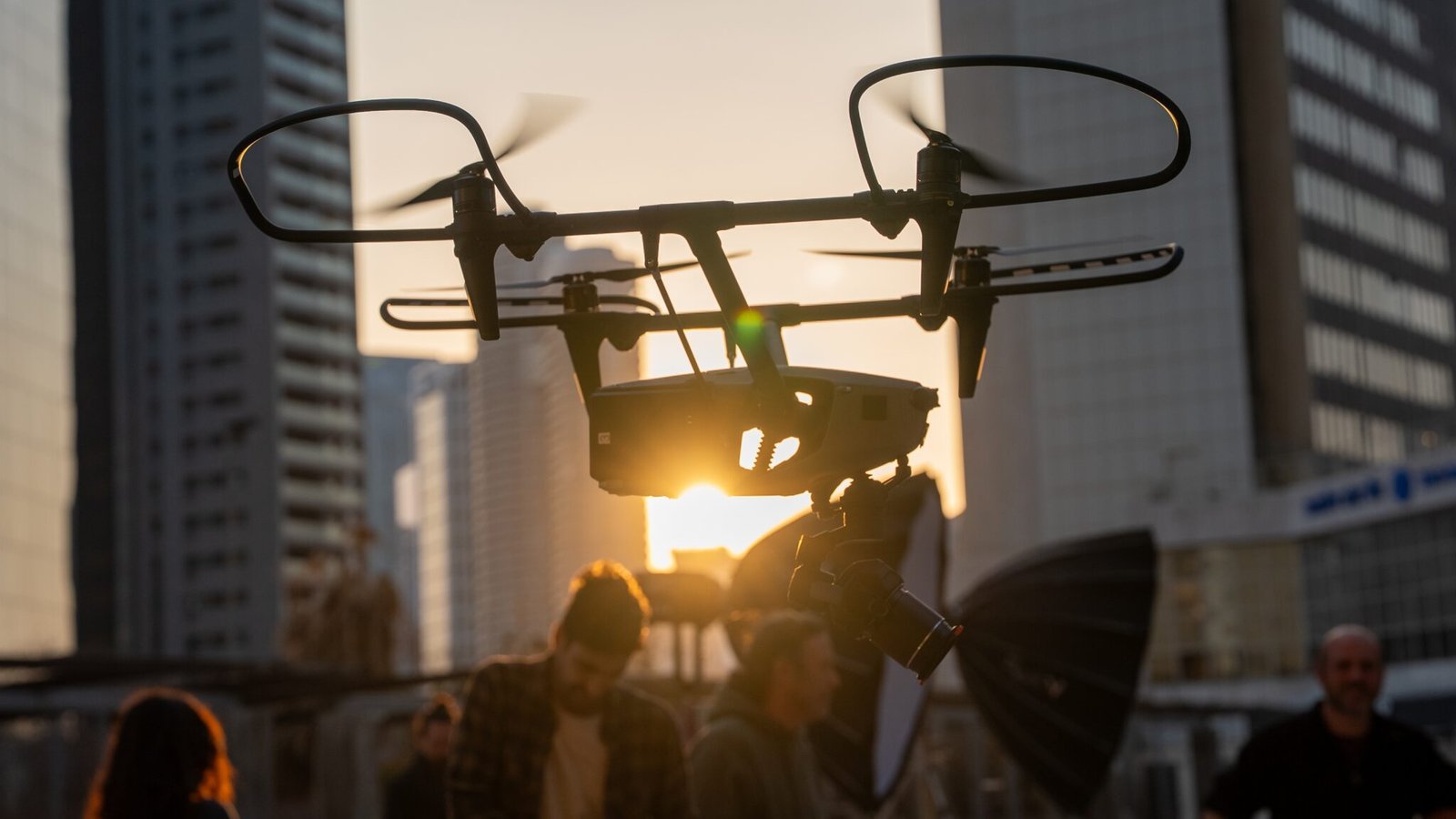
Israel’s New Threat in 2026 is a systemic fusion of missiles, drones, and cyberattacks striking simultaneously. Asymmetric costs favor attackers. AI-driven defense and military-founded startups now lead global security innovation from Israel’s pressured environment.
Israel’s New Threat environment in 2026 operates as an interconnected system, not a linear battlefield where missiles, drones, and cyberattacks strike simultaneously. Understanding Israel’s New Threat requires abandoning single-front logic and adopting systemic defense: faster, cheaper, and layered across physical and digital domains simultaneously.
Israel’s New Threat Demands Systemic Defense
From my vantage point as an investor in cyber and artificial intelligence (AI), the map of threats facing Israel today is not only changing but also becoming more complex and more interconnected. Israel’s threat map in 2026 is no longer defined by a single front. It is a system. Missiles from the north. Drones from multiple directions. Cyberattacks targeting infrastructure. Information warfare is spreading in parallel. All of it is happening at once.
This is the new reality. Not sequential threats, but simultaneous pressure across physical and digital domains. Iran and its network of proxies have built a coordinated system. Hezbollah has evolved from rocket fire to precision capabilities and low-cost drone systems. Hamas continues to adapt. The Houthis extend the battlefield further across the region.
Asymmetric War Fuels Israel’s New Threat
The most important shift is not just in scale. It is also in cost. A drone that costs hundreds of dollars can force the use of interceptors that cost tens of thousands. A cyberattack built on widely available tools can disrupt systems worth billions. The asymmetry is structural, and it favors the attacker.
Cyber Battlefield Defines Israel’s New Threat
At the same time, cyber has become a primary battlefield. Attacks are no longer isolated incidents. They are integrated into broader campaigns, combined with kinetic operations and electronic warfare. For Israel, this creates a clear challenge. Defend faster. Defend at a lower cost. Defend across multiple layers at once.
Israel’s New Threat Demands AI and Young Builders
Artificial intelligence is now central to intelligence gathering and decision-making. Cyber defense is moving from static protection to continuous, adaptive systems. Autonomous detection and response are becoming standard. Secure communications and resilient data infrastructure are no longer optional.
But the most important part of this story is not only found in large defense contractors. It is found in young companies. Many of the most relevant technologies are being built by founders who come from elite military intelligence and cyber units. They have already operated systems in real environments, under pressure, and against capable adversaries.
From Validation to Global Scale Against Israel’s New Threat
They are not building theory. They are building solutions: Low-cost defense systems. AI-native cybersecurity platforms. Autonomous infrastructure. Real-time sensing and decision systems. These companies often see their first validation in government or defense environments. But their real growth comes from global commercial markets.
Technology proven under the toughest conditions, then scaled for use around the world. This is also where opportunity lies. The global economy is becoming dependent on secure infrastructure. Data, communications, energy, mobility. All of it requires protection. All of it requires intelligence. Israel has a structural advantage here, not only because of talent, but also because of necessity. The environment forces speed, depth, and execution.
How Investors Read Israel’s New Threat
The focus is straightforward. Identify technologies that are validated under real-world conditions, and back them as they scale into global markets. Government adoption is not the end market. It is the starting point. From there, companies expand into enterprises, infrastructure, and large-scale commercial systems.
In cybersecurity and AI, this model has already produced some of the most important companies of the last decade. The current environment is accelerating it. This is not a temporary cycle driven by conflict. It is a structural shift. The line between defense and civilian technology is narrowing. Security is becoming a core layer of every system. Every company, in some way, is becoming a security company.
Structural Shift Reshaping Israel’s New Threat
Israel is not only responding to threats. It is shaping the technologies that will define how the world addresses them. For investors, builders, and policymakers, the message is clear. The next generation of global infrastructure will be built on technologies that are first tested under pressure. And many of them will come from Israel.