
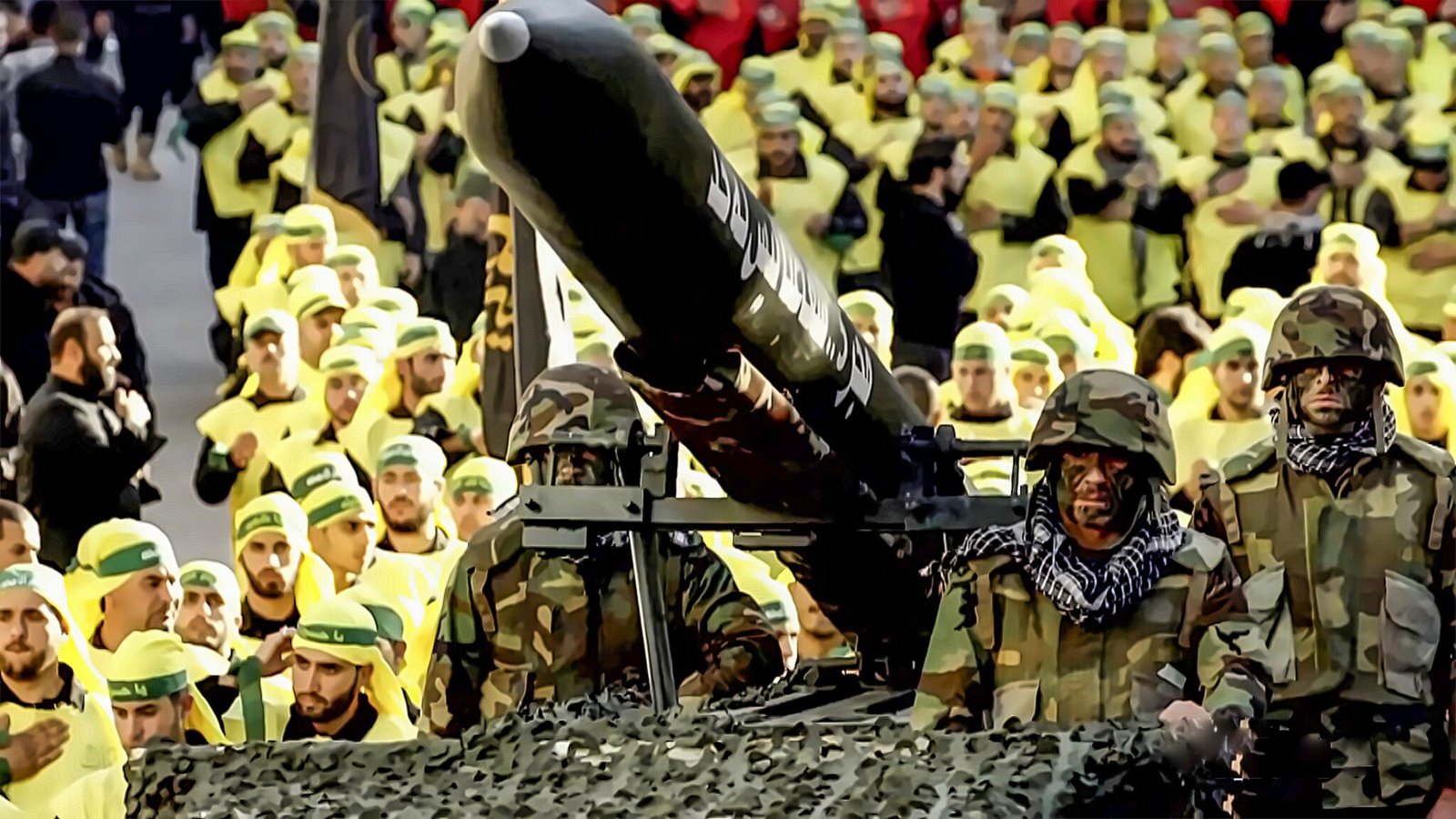
A deep strategic assessment of Tehran’s revised defense framework, explaining how absorbing militant networks as vital state infrastructure challenges Western containment policies and requires direct, state-level accountability from global allies.
Tehran’s newly declared defensive paradigm forces a critical re-evaluation of transatlantic security policy, as the regime formally absorbs regional militant proxies into its primary sovereign defense umbrella. This aggressive shift directly challenges Western deterrence, transforming localized border skirmishes into highly combustible, multi-theater conflicts that threaten critical maritime trade corridors and global energy stability.
Failing to counter this emerging framework risks validating a broader destabilization campaign, meaning allied policymakers must swiftly abandon compartmentalized containment efforts. To effectively disrupt this expansionist posture, a unified international counter-strategy must treat Iran’s New Strategic Doctrine as an immediate threat to global security architecture.
Iran’s New Strategic Doctrine Reshaping Middle East Deterrence
Iran’s new “strategic doctrine” for the Middle East, announced this week by a top official, could make the region even less stable and more combustible over the long term, and it demands an equally strategic response from the West.
In firing ballistic missiles at Israel on Sunday, Tehran said its action was “not merely a military response” to Israeli attacks on Hezbollah in Lebanon. Instead, it marked a “new chapter” in Iranian defense policy under which Tehran would respond to any attack on the terrorist proxies in its “Axis of Resistance.” “Should an attack occur against any pillar of the axis of resistance,” Sadeq Amoli Larijani, chairman of Iran’s Expediency Discernment Council (a key advisory board to Supreme Leader Mojtaba Khamenei), wrote on X, “the response will extend beyond geographic borders and reshape regional equations.”
Integrating Global Proxies Into Iran’s New Strategic Doctrine Frameworks
In other words, Tehran now views its axis members less as the terrorist proxies it has supported for decades and more as core interests—or, in Larijani’s words, part of Iran’s “vital infrastructure.” If, say, Israel responds to attacks from Hezbollah to the north or Hamas to the south, or if the United States responds to attacks from the Yemen-based Houthi rebels at sea, then Iran will take action (presumably against those nations or their interests). Were Tehran to implement its new doctrine, it would mark a significant shift in the Islamic Republic’s official military posture.
Shifts Threatening Regional Networks Beyond Iran’s New Strategic Doctrine
Tehran has long provided funds, training, and equipment for more than a dozen terrorist groups and militias in Syria, Iraq, Lebanon, Gaza, and elsewhere across the region. But supporting them is one thing; coming to their military aid when they’re at war is quite another. Strikingly, Tehran did not intervene when, in the aftermath of Hamas’ slaughter of 1,200 Israelis in October 2023 and Hezbollah’s subsequent rocket fire into Israel from Lebanon, Israel severely weakened Hamas and decapitated Hezbollah’s leadership.
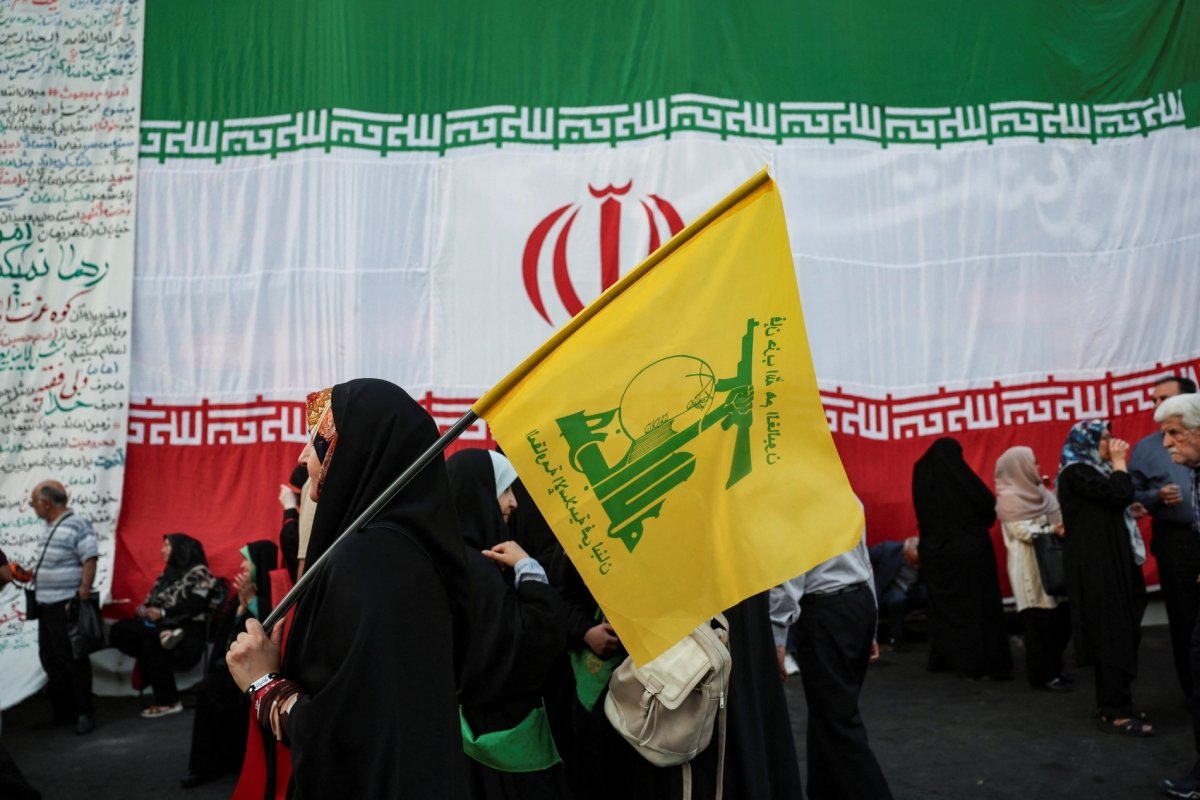
Iran’s New Strategic Doctrine Amplifying Multi-Theater Flashpoints
Now, under Tehran’s new doctrine, what were once skirmishes between two parties (such as the many direct exchanges over the years between Israel and Hezbollah and between Israel and Hamas) would escalate into multi-party conflagrations that would pull in at least Iran and maybe other nations. The new doctrine comes as Iran’s terror network is planting the seeds for such multi-party conflagrations.
Hezbollah has fired 7,500 rockets against Israel since March, killing 30 Israeli soldiers and four civilians. Hamas continues to reject calls to disarm, to reassert its authoritarian control over Gaza, and to prepare itself for more terrorist activity. The Houthis announced this week that they had fired missiles at Israel and would ban Israeli shipping from the Red Sea.
What should the West do? Respond in kind. If members of the Axis of Resistance are now part of Iran’s “vital infrastructure,” then the United States and its allies should hold Tehran responsible for their actions.
Flawed Diplomatic Overtures Validating Iran’s New Strategic Doctrine Posture
Notwithstanding the renewed US bombing of Iran this week, Washington is moving in exactly the opposite direction when it comes to Tehran’s terror network, giving the regime every reason to proceed.
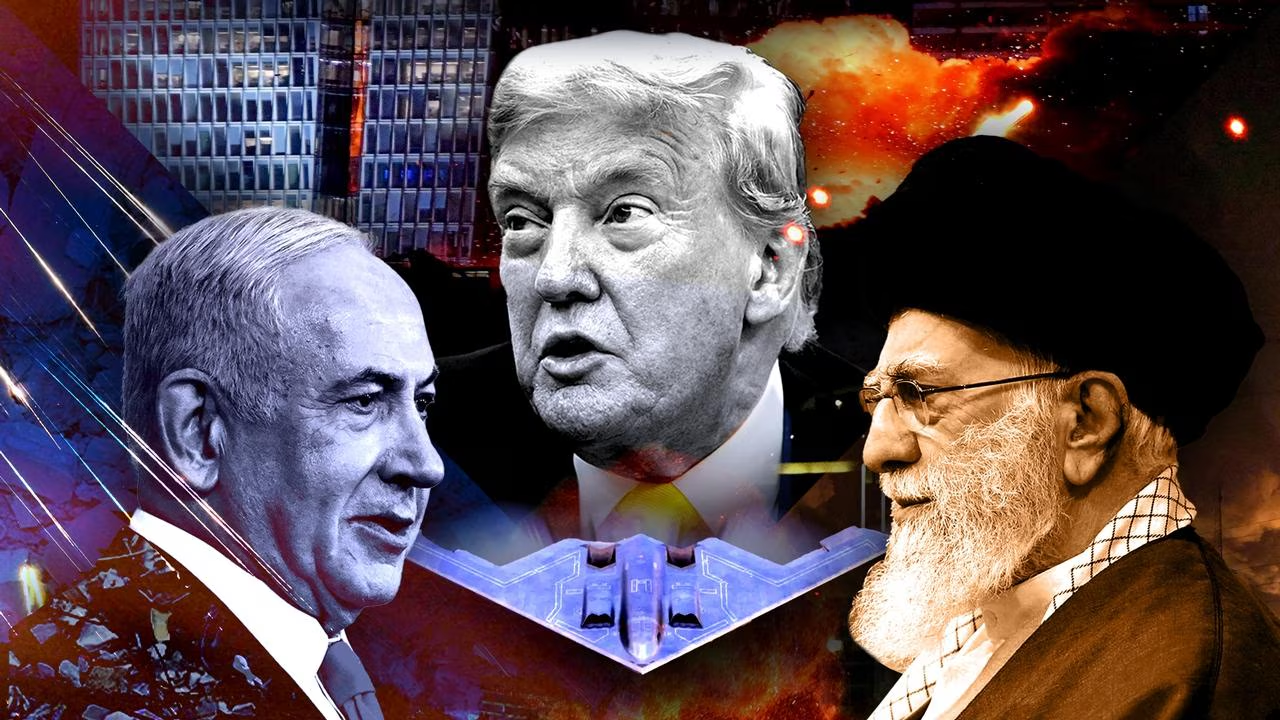
In the ongoing US talks with Iran, for instance, President Donald Trump is no longer including his previous demand that Tehran stop supporting its terrorist proxies as one of his conditions to end the Iran War. Worse, with Tehran demanding—as one of its own conditions for ending the war—that Israel stop attacking Hezbollah in Lebanon, the president has pressed Prime Minister Benjamin Netanyahu in the bluntest terms to agree to a ceasefire with Hezbollah even as the group continues to attack the Jewish state.
All of that is sending a very dangerous signal to Tehran that, in contrast to Iran’s nuclear pursuits, Washington does not consider Iran’s terror sponsorship or the murderous activities of its terror network a central concern.
Historically speaking, this is nothing new. Before the attacks of September 11, 2001, Hezbollah had killed more Americans—at a Marine barracks in Beirut in 1983, at the Khobar Towers housing complex in Dhahran, Saudi Arabia, in 1996, and elsewhere—than any other terrorist group, but Washington never held Tehran to account.
With its new doctrine, Tehran is further testing US and Western resolve by making clear that it will not remain in the background if the United States, Israel, or any other nation responds militarily to terrorist attacks by one of its proxies. After 9/11, President George W. Bush declared, “We will make no distinction between the terrorists who committed these acts and those who harbor them.” It was a policy he later pledged to extend beyond Afghanistan—to hold states responsible for the activities of the terrorists they sponsor. Both before and after 9/11, however, Washington never held Tehran to account for the Iran-backed terrorism that claimed the lives of hundreds of Americans and other Westerners.
With Tehran’s new doctrine, the United States and its allies have a timely opportunity to redress this longstanding oversight.