
This analysis dissects the Lebanon Trilateral Agreement’s fragile pilot zone mechanism, exposing how synchronized withdrawals and Hezbollah’s Iranian backing create a high-stakes test for US leadership and rapid reconstruction.
The Lebanon Trilateral Agreement represents a high-stakes diplomatic gamble where synchronized withdrawal and disarmament timelines collide with Hezbollah’s Iranian-backed recalcitrance. Understanding this accord requires dissecting its pilot zone mechanism, which offers a tangible pathway to de-escalation, yet the Lebanon Trilateral Agreement framework hinges entirely on rapid US-led enforcement and reconstruction, as any delay empowers spoilers. This Lebanon Trilateral Agreement is less a peace treaty and more a fragile sequence of mutual tests.
Lebanon Trilateral Agreement Pilot Zone Imperative
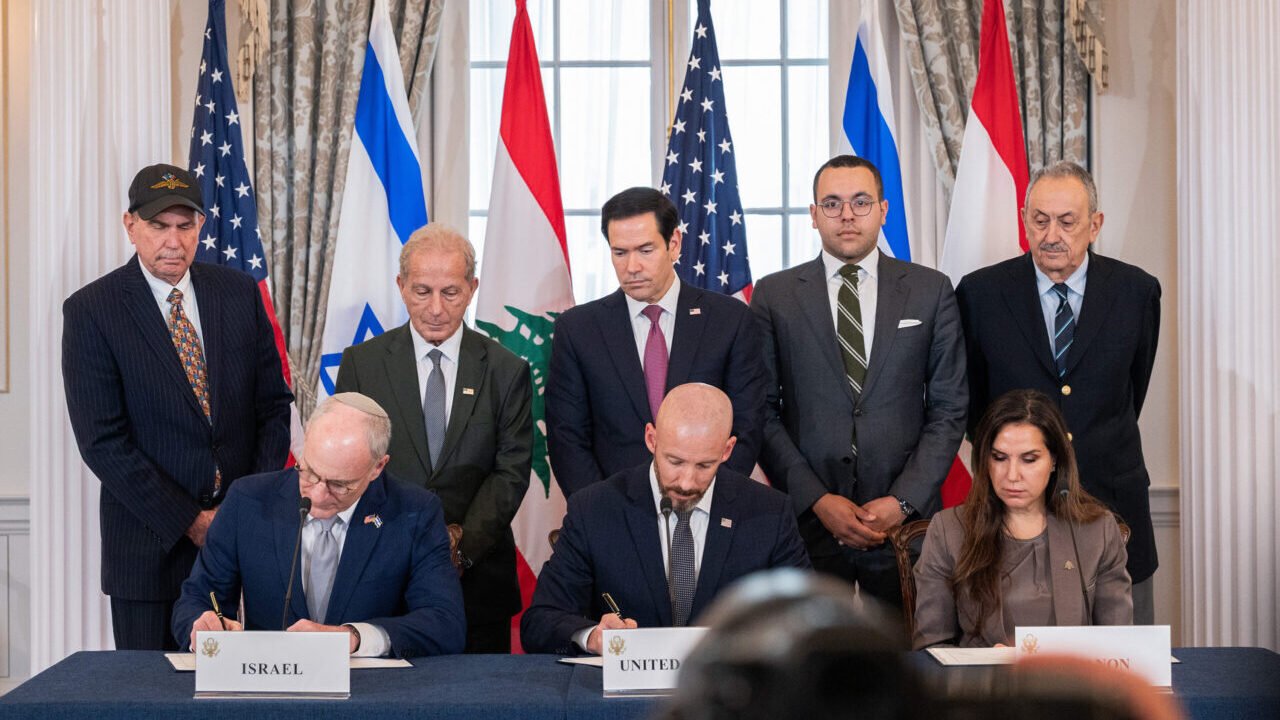
Last week Lebanon and Israel concluded an historic trilateral agreement, with the United States as the third party. The agreement is a historic milestone that outlines steps for both countries to end the decades-long effective state of war between them and could lead to a peace agreement.
The agreement is also complicated, with proposed synchronized steps required of the three parties, any of which can derail progress if they are not completed in a timely manner. It will take concerted leadership from Washington and steady commitment from Beirut and Jerusalem to move the various elements of this agreement forward rapidly. The ongoing US negotiations with Iran further complicate this challenge.
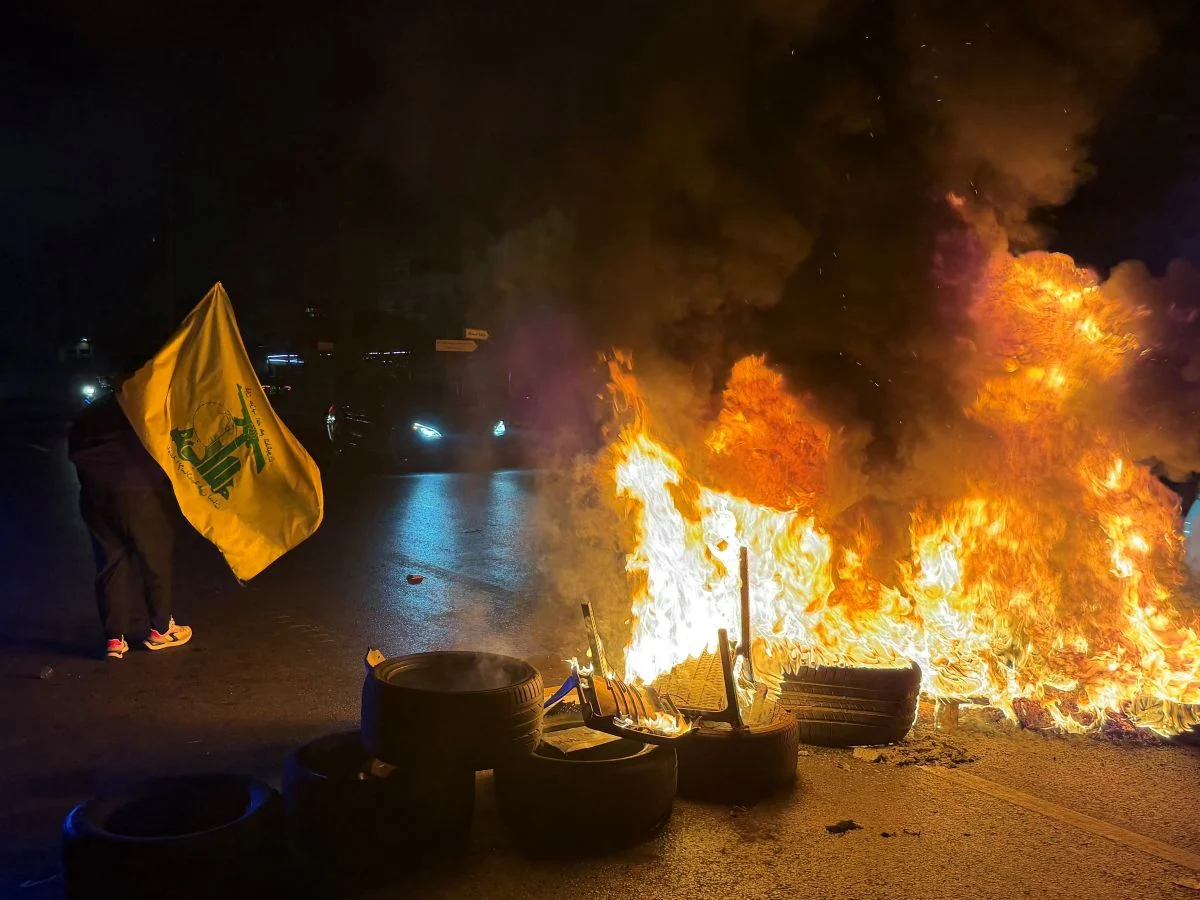
At the heart of the problem is a chicken-and-egg challenge with Iran’s ally and proxy, Hezbollah, flatly rejecting the agreement and refusing to discuss giving up any of its arms until Israel fully withdraws from Lebanon, and Israel refusing to withdraw unless Hezbollah is fully disarmed first.
Although originally weakened by Israeli attacks on it since 2024, Hezbollah is now emboldened by Iran’s claims of having the upper hand in its war with the United States and Israel. Iran’s successful insistence on including Lebanon in the first clause of its memorandum of understanding (MOU) with the United States, and insisting on a ceasefire there as well as respect for Lebanon’s “sovereignty and territorial integrity, ” has also strengthened Hezbollah’s influence within the Shia community. Furthermore, as part of the MOU, the United States and Iran proposed a de-confliction mechanism to oversee the ceasefire. Iran, the United States, and Lebanon would be members of the mechanism, but Israel would not be included.
The Iranian role has led the Shia leadership in Lebanon, including the influential Speaker of the House, Nabih Berri—initially favorable to separating the US-Iran talks from the Lebanon-Israel talks—to now favor integrating the two. This position came on the eve of the latest round of negotiations between Israel and Lebanon in Washington, outraged the Lebanese and Israeli governments, and threatened to derail the negotiations.
Securing the Lebanon Trilateral Agreement Deal
Despite these challenges, the Lebanese and Israeli negotiators managed to find their way to a historic framework agreement, affirming the sovereignty and territorial integrity of Lebanon, full Israeli withdrawal over time, Lebanese Armed Forces (LAF) disarmament of Hezbollah, guaranteed safety and security for the citizens of both countries, and the possibility for peaceful relations.
Moving forward, one of the key concerns in the agreement is that it implies that Israel will continue to occupy Lebanese land, with only phased-down withdrawals depending on Hezbollah disarmament. However, what the agreement does propose are “pilot zones” that can be implemented right away. In these zones, Israeli forces will withdraw after removing Hezbollah fighters and infrastructure, and the Lebanese Armed Forces will take over and remain in place. Lebanese civilians will then be able to return to the towns and villages inside the zone, under LAF protection. Furthermore, the agreement promises international support for reconstruction in each completed zone.
It is imperative that the first two pilot zones be implemented quickly, and that the US marshal international support, including from the Gulf countries, to provide rapid rehabilitation and reconstruction funds for each zone.
If the pilot zones are seen as a rapid and resounding success, with tens of thousands of civilians moving back, and ample reconstruction money rebuilding and transforming their lives, then the agreement and the pilot zones will be seen as the way forward. This will strengthen the hand of the Lebanese government and its supporters and weaken the legitimacy of Hezbollah and the IRGC in Lebanon, whose actions brought this war and occupation about, and who have no clear near-term pathway for bringing civilians back to occupied towns and villages.
Framework of the Lebanon Trilateral Agreement
The United States needs to keep its focus on the rapid progress of these pilot zones—first the two mentioned, and shortly thereafter additional pilot zones, including those within Israel’s so-called “yellow line.” Additionally, the Israeli government needs to engage and support this positive dynamic, which will strengthen the Lebanese government and LAF.
If progress in implementing pilot zones lags, the agreement is in great jeopardy of falling apart. It will therefore take commitment and coordinated action from all three signatories to this agreement for the pilot zones and this agreement to succeed.
It will require that the Israelis adhere strictly to the terms of a ceasefire, which has been declared repeatedly since November of 2024. While the recent framework agreement affirms the right of both countries to self-defense, the Israelis must not abuse this clause to continue large-scale military operations as they have in the past, and the United States should use its leverage to press Israel to use this right only in its narrow and most urgent sense.
Too many innocent people have already been killed, with more than 1 million people displaced as a result of Israeli actions, and dozens of towns and villages have been largely wiped off the map. Israel must stop the wholesale demolition of towns and villages in southern Lebanon and maintain conditions for civilians to return under the terms of the agreement as the pilot zones are successively implemented.
Lebanon Trilateral Agreement Requires Action
The Lebanese government and army must also demonstrate the will and ability to implement their side of this agreement fully. The LAF must be ready to move quickly to take over the first two pilot zones, and then others. The Lebanese government must be ready with the right governance and financial oversight mechanisms to manage reconstruction aid flowing into these zones.
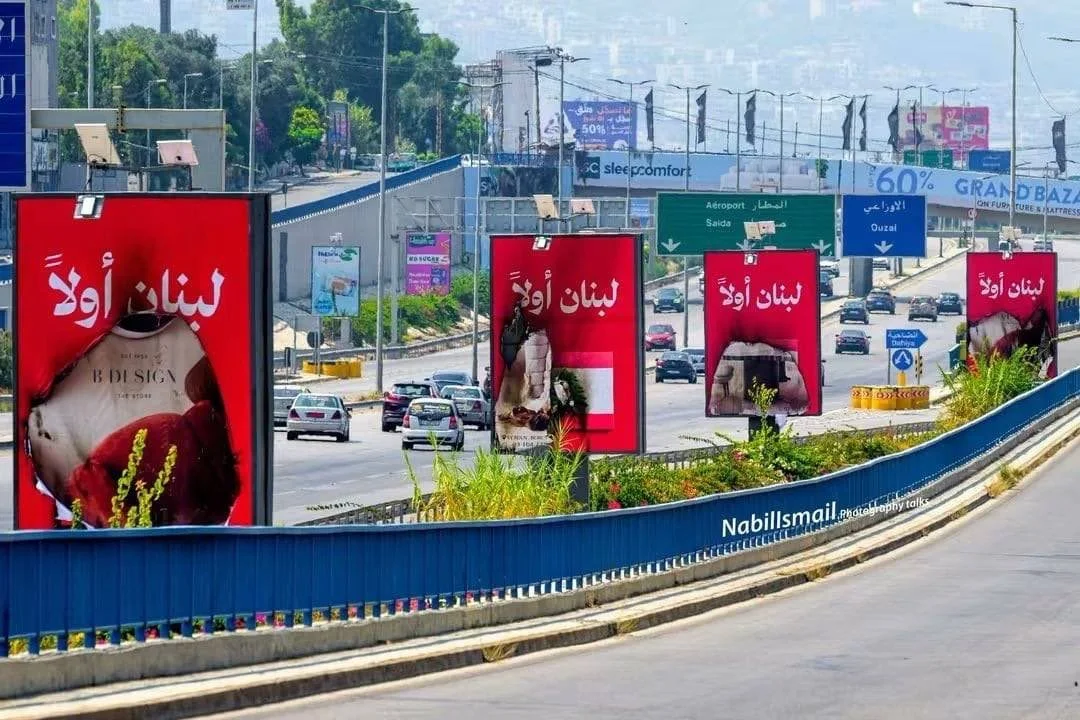
The government and LAF must move decisively and steadily to take control of more parts of the country—other than the pilot zones—to assert full state sovereignty and to disarm Hezbollah as they go along. The Lebanese government must also take action to arrest Iranian IRGC operatives, shut down illicit financing, and address their banking laws quickly. There can be no more excuses for inaction or for not controlling Hezbollah attempts to derail this agreement.
The agreement, however, will fall apart if the United States does not lead this effort, as called for in the agreement. The United States, first and foremost, must use the leverage at its disposal to press Iran to cease its proxy support for Hezbollah. The United States must also convene, on an expedited basis, regular joint meetings of the military and diplomatic teams from Lebanon and Israel to keep the agreement’s objectives moving forward.
The United States must commit to supporting the LAF so it can do its job under the framework agreement. That support should be contingent on the LAF providing regular, verifiable results. The United States must lead an international effort to support Lebanon’s recovery, reconstruction, and humanitarian needs as quickly as possible. Importantly, the United States must establish a strong, verifiable coordination mechanism to assist the LAF in performing its tasks and to oversee and support LAF training, equipment, and intelligence gathering.
Pivotal Role in Lebanon Trilateral Agreement
Lebanon and Israel have taken a bold step forward that promises eventual security and stability for the people of both countries, and beneficial effects for the wider Middle East. But the agreement is fraught with challenges. It will take all three parties working in tandem and quickly for this agreement to succeed.