
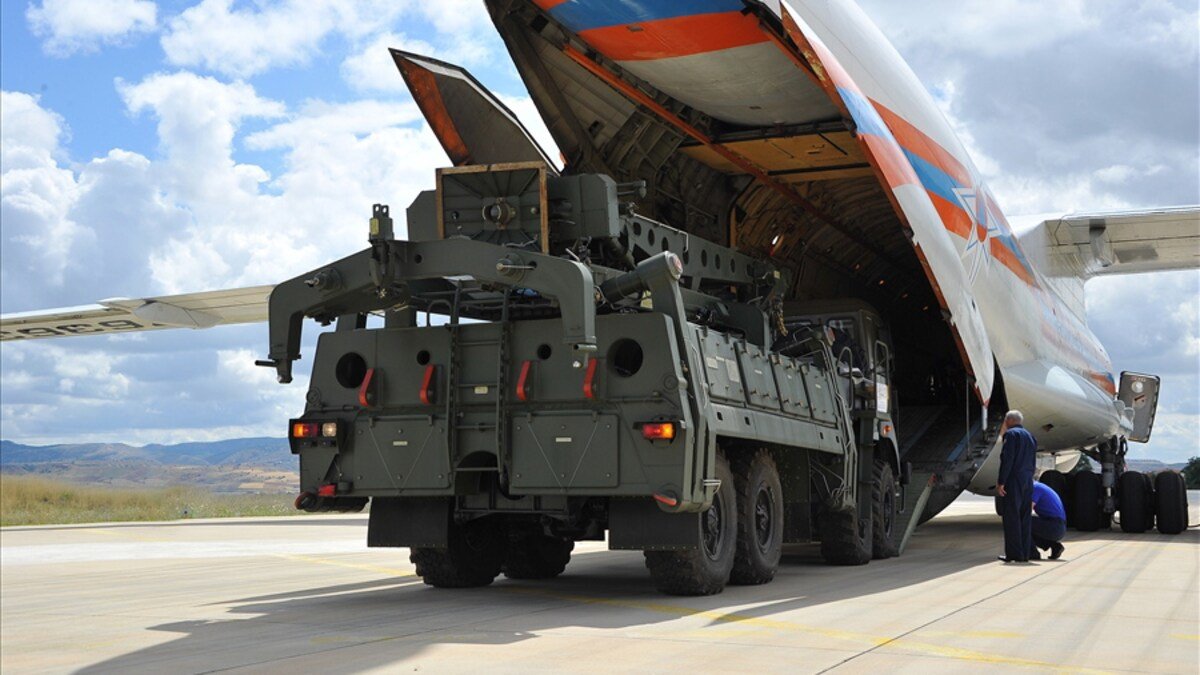
Ankara attempts to exit F-35 restrictions by transferring Russian missile assets to Gulf nations. This maneuver moves hostile radar near major Western bases, keeping stealth tech exposed while triggering massive congressional opposition over broader alliance policy.
Ankara’s deadlock with Washington over advanced hardware requires an immediate, high-stakes tactical pivot. Turkey must cleanly offload its Russian missile assets to restore F-35 eligibility, yet moving these weapons to the Gulf creates immediate tactical risks for regional Western installations. This complex maneuver to transfer the S-400 to new buyers risks bringing hostile radar tech into direct contact with critical allied airspace, potentially replicating the exact security vulnerabilities that triggered the standoff.
S-400 sales shift regional defense
Turkey’s decade-long standoff with Washington over the S-400 may finally be nearing an inflection point, though not in the tidy way Ankara once imagined, and not without a fresh dose of frustration from the NATO summit in Ankara. Turkey appears to be pushing ahead with plans to divest itself of the Russian-made S-400 missile defense system, hoping the measure will clear legal hurdles, allowing Ankara to purchase F-35 fighter jets from the United States.
Trump left the July 2026 NATO summit in Ankara, hosted by President Recep Tayyip Erdogan, without announcing Turkey’s reinstatement to the F-35 program — a significant disappointment for Erdogan after Trump had raised expectations that he might lift sanctions and reopen the door to the sale.
Instead, Trump told reporters he hadn’t “made up his mind,” leaving the existing prohibition in place, while Erdogan gave only an evasive response to Turkish reporters pressing him on the matter. The gap between expectation and outcome may have been the kind of pressure that pushed Ankara toward a workaround — one designed to hand Washington a legal off-ramp rather than wait indefinitely for a political decision that hasn’t materialized.
Gulf buyers target the S-400
Rather than scrapping the Russian-made system or shipping it back to Moscow, as Erdogan reportedly floated with Russian leader Vladimir Putin late last year, Turkey now appears to be seeking Russia’s consent to transfer the S-400 to a third country. This would help Turkey satisfy the letter of Section 1245 of the 2020 National Defense Authorization Act (NDAA), which bars F-35 transfers to Turkey unless Washington certifies Ankara no longer “possesses” the S-400, and clear the runway for the fighter jet Erdogan has coveted since his air force was expelled from the program in 2019.
Gulf states are the leading candidates to take the S-400 off Turkey’s hands, with sources pointing to either the United Arab Emirates or Qatar as the buyer, both of which are seeking additional air defenses amid regional escalation following the U.S.-Iran war. Turkish media has gone further, with a pro-government columnist claiming that a sale to a Gulf buyer has been effectively finalized, though Ankara has offered no official confirmation.
Even if a buyer is lined up, the deal cannot proceed unilaterally because Turkey doesn’t fully own the S-400s. According to the terms of its 2017 contract, Moscow retains a say in any onward sale. The Kremlin has previously signaled openness to simply buying back the S-400s for its own stocks, and it’s an open question whether Moscow sees more strategic value in taking back the hardware or in slow-walking approval to keep Ankara off balance.
Radar proximity compromises the S-400
But all of this movement may just relocate the problem rather than solve it. Handing the S-400 to Doha or Abu Dhabi doesn’t make the system disappear from the region — It moves it into much closer proximity to the very U.S. military infrastructure the Pentagon has spent years trying to insulate from Russian sensors.
Both Qatar and the United Arab Emirates host significant American installations, including a vast logistics and airpower hub at Al Udeid Air Base in Qatar. A Russian radar system positioned there could detect and track stealth aircraft now operating within or adjacent to a Gulf host nation’s air defense architecture, raising the same concern that led to Turkey’s expulsion from the F-35 program in the first place.
S-400 transfer faces severe limits
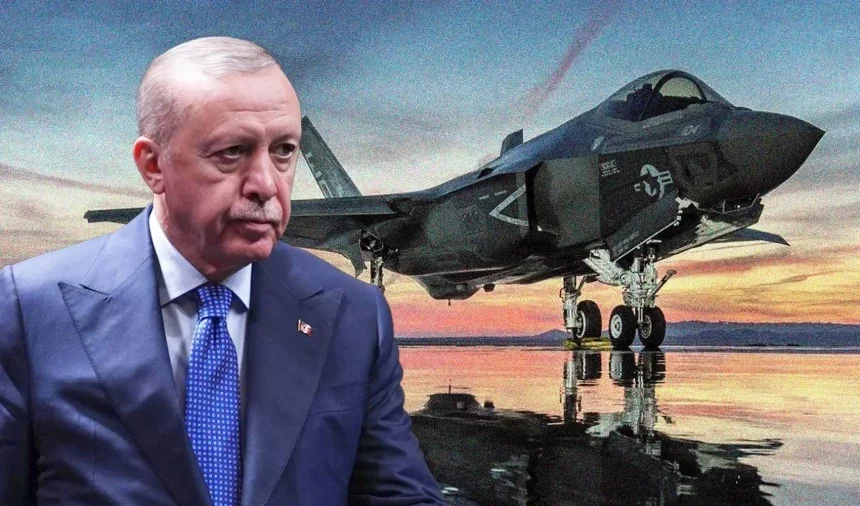
Significant hurdles remain if the Trump administration and President Erdogan want to conclude a deal that would allow Turkey to purchase more F-35 planes, in addition to the six units it has already paid for.
If a transfer to a third-party country is the avenue they want to pursue, per the FY 2020 NDAA, Turkey would still need to provide assurances that it would not reacquire the system at a later date and that it would not purchase other defense systems that would place the F-35 jets at risk. Congress would also have a 90-day review period to demand answers on the specifics of a transfer, any agreements regarding a third-party country receiving the system, and the details of Ankara’s assurances to abide by U.S. law.
Separate from the lifting of sanctions, the Trump administration would need to approve a sale to Turkey, which would face congressional review and likely objections, as a bipartisan group of congressmen and senators has routinely and publicly objected to the sale.
Congress previously voiced strong concerns about the potential sale of F-35 aircraft to Abu Dhabi, including voting on a joint resolution of disapproval. That vote failed to stop the sale but forced the Biden administration to require additional security and technical concessions from the United Arab Emirates, which ultimately ground the deal to a halt. This is a model for what could happen to an F-35 deal for Turkey. The presence of the S-400 system in the United Arab Emirates would also make any future F-35 sale to that country extremely difficult and thus not in Abu Dhabi’s interest.
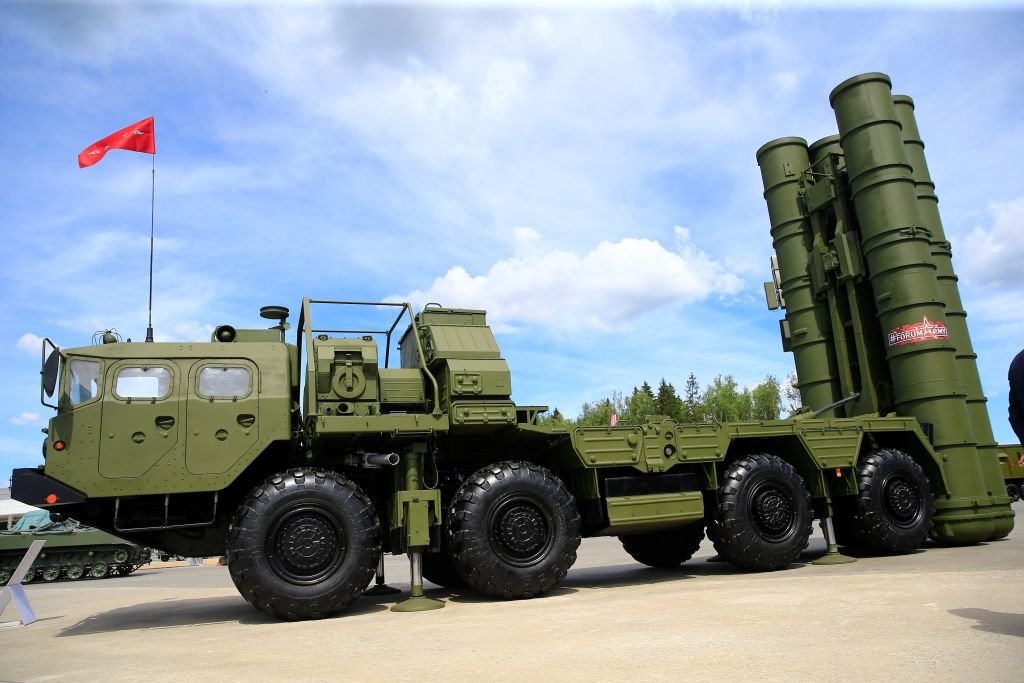
Capitol Hill blocks the S-400
Congress would likely place additional conditions on an F-35 sale that would make it increasingly difficult for the planes to be transferred. Previous laws have limited funding to support the transfer of planes to Turkey, allowing instead for several F-35 planes purchased by Turkey to remain in storage here in the United States. This funding ban was part of the FY2020 NDAA that mandated Countering America’s Adversaries Through Sanctions Act (CAATSA) sanctions on Turkey for the S-400 purchase.
Efforts have already been made to force the State Department to certify to Congress that Turkey will not allow sensitive technology associated with the F-35 program to fall into the hands of Russia and China. Amendments filed to the FY 2027 NDAA would require the State Department to certify that Turkey is no longer supporting Hamas or providing the terror group a haven in the country before a sale could be approved.
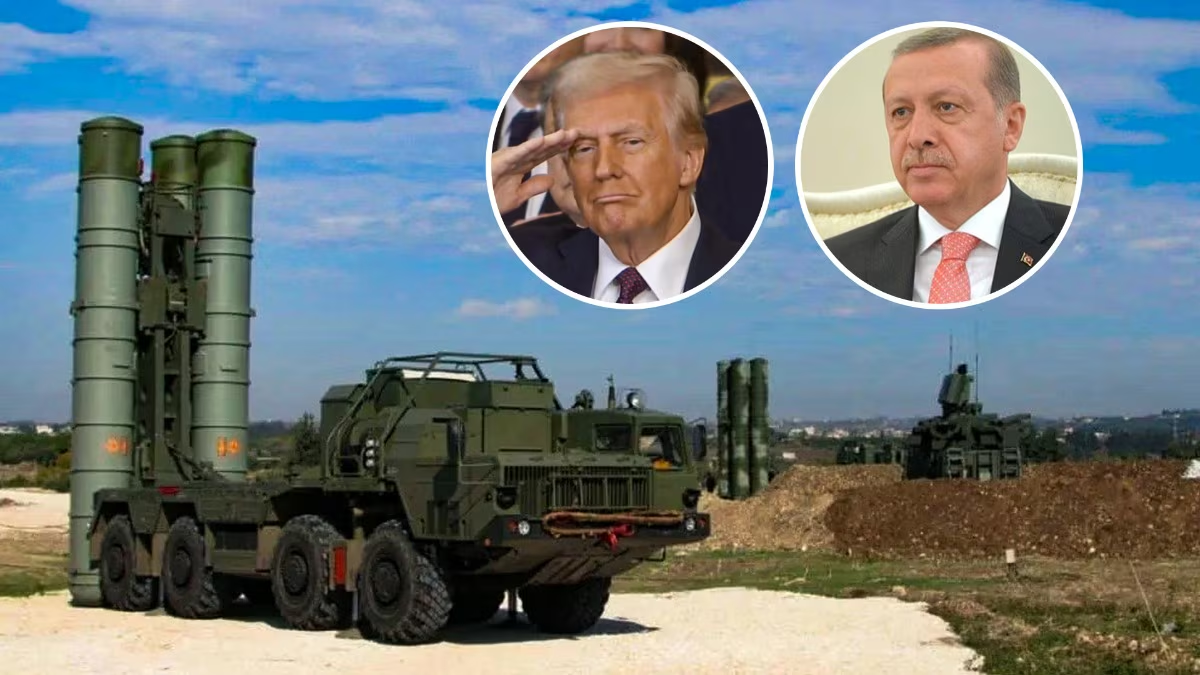
The transfer of the S-400 system, along with a certification from the State Department that Turkey is no longer pursuing Russian defense articles, may be enough to lift CAATSA sanctions. Congress passed CAATSA in 2017 and required sanctions on any country purchasing major weapon systems from Russia. To sell the F-35 system to Turkey, these sanctions would need to be waived or lifted. The transfer of the S-400 system would likely allow Turkey to take possession of the F-35 aircraft currently in storage here in the United States and transfer them to Turkey. Turkey has long sought these aircraft, and this would be a win for Erdogan.
The transfer of the F-35s to Turkey would remain a national security threat to Washington and NATO. Turkey could still pass along flight data and technical plans to China and Russia. The F-35 could help Turkey develop its own KAAN fighter, which it has repeatedly said would be an indigenously built challenger to the F-35. Turkey could use the F-35 to challenge other NATO countries, such as Greece, over disputed territory or station the F-35s in Turkish-occupied Northern Cyprus, as it has done with U.S.-made F-16s.
Turkey has yet to meet any of the underlying conditions to have sanctions lifted and an F-35 sale approved. Even with the transfer of the S-400 system out of the country, there are significant national security threats posed by Turkey and its relationship with Russia and China. Congress has shown significant interest in the outcome of the F-35 platform being provided to Turkey and will object to both the lifting of sanctions and a potential sale without meaningful behavioral change from Turkey.