
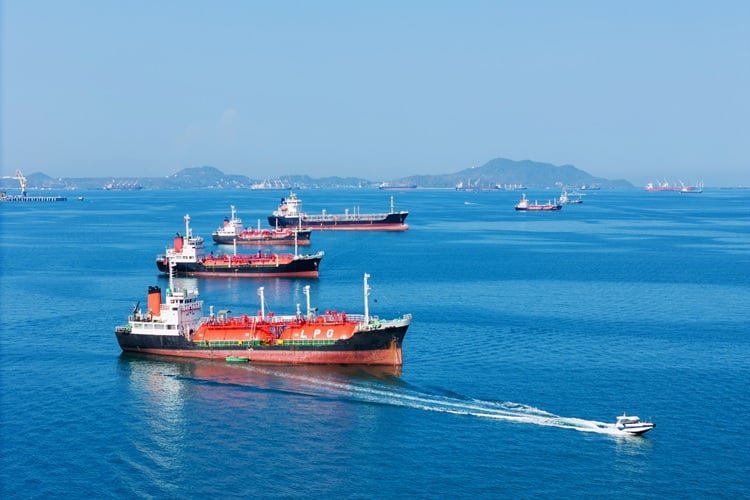
Washington’s decision to blockade the Strait of Hormuz and impose a 20 percent transit fee threatens to spike energy prices and cost shippers 32 million dollars. Allies are moving to secure passage independently as US defense readiness degrades in an unfunded regional conflict.
Washington’s sudden policy shift in the Persian Gulf has sent shockwaves through global shipping corridors. By unilaterally challenging the long-standing principle of freedom of navigation, the White House risks dismantling centuries of maritime consensus. This sudden reversal not only threatens trade routes but also signals that the historical American commitment to freedom of navigation is no longer guaranteed.
Freedom of Navigation Under Threat
Frustrated at the collapse of his poorly-considered Memorandum of Understanding with Iran, President Trump has declared the US will reimpose its blockade of the Strait of Hormuz and begin charging a 20 percent fee for passage. It’s genuinely astonishing for the government of the United States to blithely repudiate one of its most important contributions to international order. The US has been committed to freedom of the seas since 1778. We ensured the concept formed the basis of the UN Convention on the Law of the Sea—which the US has never ratified but both complied with and enforced.
Just three weeks ago Secretary of State Marco Rubio publicly stated unequivocally that “No country is allowed to charge tolls or fees on an international waterway. That’s existing international law.” And he was directly referring to the Strait of Hormuz. Vice President Vance is also on record, saying “We believe international waterways should be free of tolls.” Neither of these cabinet officials appear to affect the President’s policy.
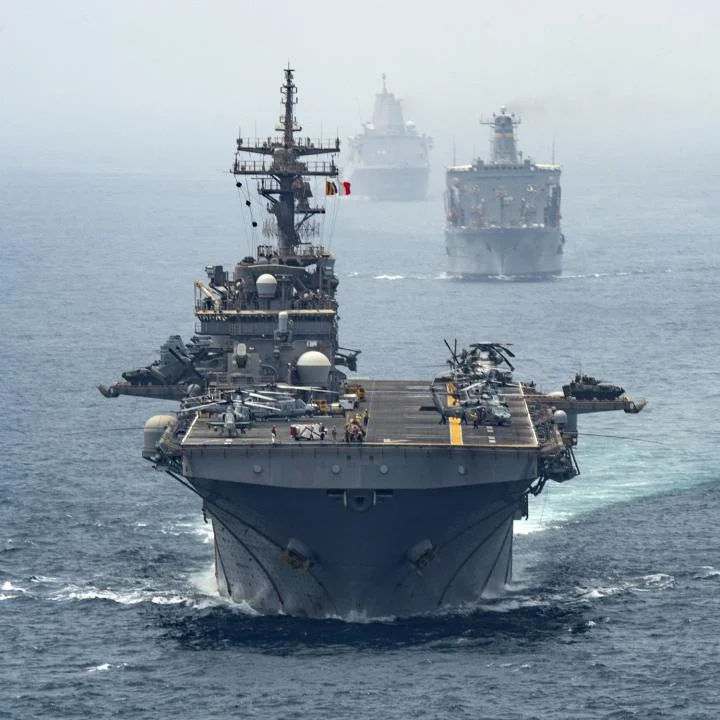
Killing Freedom of Navigation Globally
It appears the Secretaries of the Treasury and Commerce may have talked the President down, though: he’s now saying countries can, instead of paying tolls, be coerced into professing intent to invest in the US. If this latest twist doesn’t take hold, economist Catherine Rampell calculates that a 20 percent surcharge would cost shippers $32 million, or sixteen times what Iran is reportedly charging. It will spike oil and gas prices, exacerbating the global economic slowdown US policies have already imposed.
Allies Safeguard Freedom of Navigation
More important even than the economic cost will be the steep reputational damage imposed by this ill-considered destruction of established practice. The International Maritime Organization has protested there is no legal basis for the imposition of the Trump toll.
Our repudiation of freedom of navigation in the Strait of Hormuz will inhibit allied cooperation in enforcing it in the Taiwan Strait, where its preservation is central to US policy. Already many of America’s closest allies have committed to re-establishing free passage through the Strait of Hormuz. And as with the decision to go to war and other decisions about the conduct of the war, those closest allies were not consulted about this upending of 250 years of American policy. The Trump administration is destroying the reliability of the US as a security partner—much less a security guarantor—of mutually-beneficial international practices.
Freedom of Navigation Enforcement Realities
And how exactly these fees are to be imposed and collected remains a mystery. Is the US Navy going to deny passage, firing on commercial ships to extract payment? Will we really prevent Saudi, Emirati, and other regional partners commerce? The Administration has no idea, because the President’s statement was just impulse blurted out, not developed policy.
Nor has the Administration considered the opportunity costs of becoming the “guardian” of the Persian Gulf. The President’s National Security Strategy prioritizes the western hemisphere, Asia, and Europe ahead of the Middle East, proudly proclaiming that “the days in which the Middle East dominated American foreign policy in both long-term planning and day-to-day execution are thankfully over.”
Yet the Middle East is consuming administration policy. There’s been a sustained surge of 40,000 troops in the region; readiness and munitions are being burned through that will take years to replace. The Administration frivolously telegraphed a $200 billion supplemental spending request that even at a more modest ‘cost of the war’ $87.6 billion is unlikely to be agreed to by the Congress, amplifying the damage to the defense enterprise.
Defending Freedom of Navigation Abroad
Perhaps President Trump will address these issues in his Thursday address to the nation. But I wouldn’t count on it. Inattention to the precedents set, order destabilized, economic costs imposed, and predictable consequences of his choices are what has caused President Trump to fight the 2026 Iran war. And to lose it.