
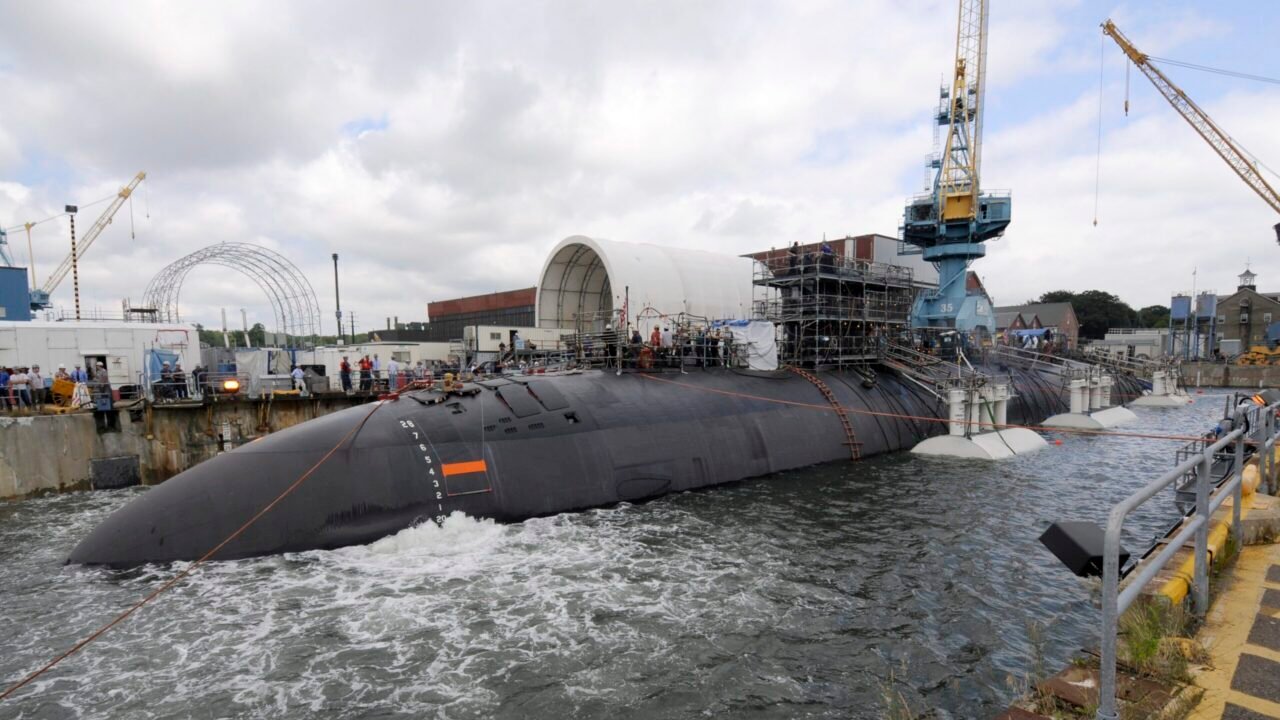
US naval modernization faces severe bottlenecks as tariff disputes delay critical shipyard component imports. At Norfolk Naval Shipyard, an 18% tariff on Canadian crane parts caused 44 lost operational days, highlighting structural conflicts between trade protectionism and wartime defense readiness.
A supply chain bottleneck is quietly choking America’s naval readiness. While national security strategy demands a rapid domestic manufacturing expansion, trade friction with close allies is stalling critical infrastructure upgrades. Specifically, rising import fees on defense components are delaying vital repairs, proving that current maritime industrial plans cannot succeed without immediate, targeted trade reform.
US Navy’s Shipbuilding Surge meets border friction
The United States has not opened a new major public shipyard since 1908, when Congress authorized the construction of the Pearl Harbor Naval Shipyard in Hawaii. While some public yards built ships in centuries past, today all four government yards maintain the Navy’s most prestigious nuclear-powered ships and submarines.
That may be about to change.
At a recent Washington Times event, the head of the Office of Management and Budget, Russell Vought, said the Trump administration is “pushing hard for an additional public shipyard” and the ability to scale US Navy ship maintenance.
Navigating the US Navy’s Shipbuilding Surge demands modernization
Expanding the workers and facilities for ship repair has supporters and critics. But there is no debate that the organic industrial base (government-owned) is dilapidated and in disrepair across the armed forces. Thankfully, a lot of time and money have been spent over the past decade to begin rehabilitating this failing infrastructure, with more to come.
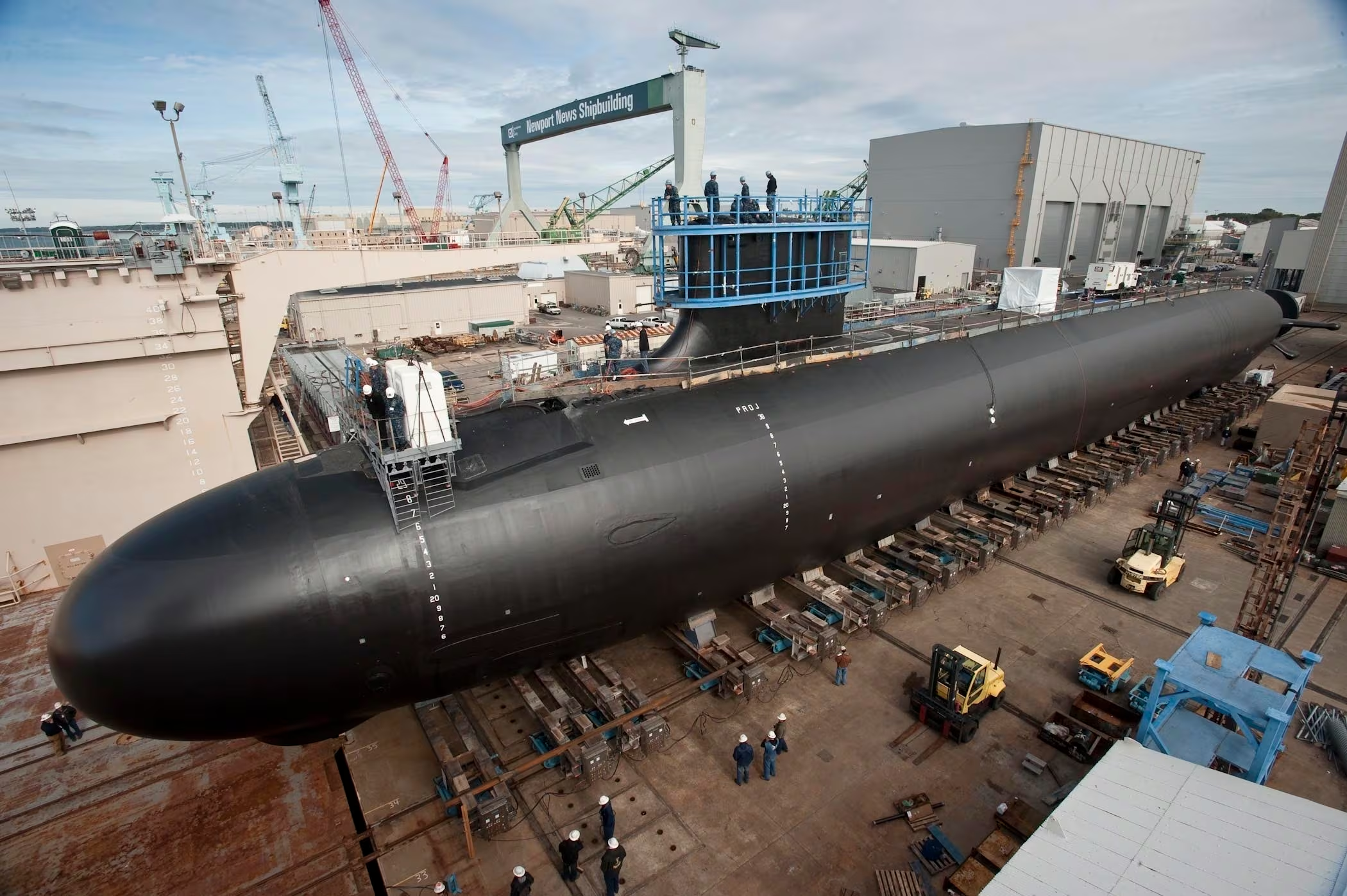
Visit any public yard today, and you’ll hear and see heavy machinery building new dry docks, new piers, and new factories. Indeed, under construction at Pearl Harbor is the eye-wateringly large Dry Dock 5, the single highest-value project in US naval history. This new dock is necessary in order to accommodate fast-attack submarines and nuclear boomers that are much larger than their predecessors and the largest submarines ever built by the US Navy .
But while navy yards are straining under heavy machinery and equipment, they are also struggling under a burden one might find surprising: tariffs. At one East Coast repair yard, a critical part was stuck at the Canadian border due to a lack of funds to pay tariffs on equipment needed to keep its facilities humming.
Crucial upgrades stall during US Navy’s Shipbuilding Surge
To meet nuclear reactor servicing requirements, a rail-mounted dock crane needed an upgrade to a special-purpose standard designated and certified to support lifting operations aboard vessels and at shore facilities. Part of the general-purpose-to-special-purpose upgrade involves replacing parts in the crane’s Broken Shaft Detection System; the nearest acceptable manufacturer is a Canadian company.
A recent tariff dispute at the northern border resulted in 44 calendar days lost between the original delivery date and the new projected delivery date to the shipyard. The US Navy at the Norfolk Naval Shipyard ultimately paid $60,000 in tariffs on top of the $269,000 parts cost—over 18 percent of the total adjusted contract for one piece of equipment, according to a shipyard spokesperson.
Multiply this across facilities and yards, and the taxpayer is spending a lot to pay national security tariffs. While there are explicit defense exemptions and duty-free entry clauses allowed under current regulations and in Pentagon contracts, items are still slipping through the cracks. Indeed, government-wide exceptions “are sometimes difficult and uncertain to administer.” Further, figuring out what is exempted, when, and by whom is a winding maze of legalize that shipyard workers don’t have time to navigate, with a backlog of repairs plaguing the Navy.
US Navy’s Shipbuilding Surge demands policy clarity
It is clear tariffs have become far too confusing. Initial tariffs were covered by emergency authority, which was then modified and partly replaced by another, temporary authority, which is soon to be modified by yet another authority. Exemptions exist but are also unstable, including Canadian and Mexican goods covered by the USMCA, which is itself under review.
The Navy’s own evaluation found “inadequate facilities and equipment have caused maintenance delays, resulting in more than 1,300 lost operational days for [aircraft] carriers and over 12,500 lost operational days for submarines.” This is too long, with the Navy in a wartime surge as part of Operation Epic Fury against Iran and continuing counter-blockade missions. While service leaders are working overtime to mitigate delays, nuclear-powered ships are in constant global demand.
The US Navy cannot afford more lost time at repair yards to get docked ships to sea. All levers must be used to expedite ship repairs, including tariff relief when necessary. Using taxpayer funds to buy a part and to pay a tariff on that same part is nonsensical. Using public money provided by Congress to the Defense Department, then sending it to another federal agency for a fee on goods, is obviously a waste in an area where we cannot afford it.
Resolving trade issues for US Navy’s Shipbuilding Surge
Congress and the executive branch must work together to end this circular shell game that is damaging national security. All the military services should have broad and specific waivers in effect for equipment purchases that sustain force generation no matter how tariffs evolve. The government offers numerous waivers, including for select Chinese consumer electronics. While the Pentagon has reiterated the duty-free entry certificates, they are clearly not enough or widely known.
Last year, the Senate Armed Services Committee’s version of the National Defense Authorization Act (NDAA) included a provision to reinforce the tariff exemption for defense materials. But it was dropped from the final bill and a reporting requirement inserted instead regarding the impact of tariffs and trade agreements on the defense enterprise.
While the broader tariff goals to encourage American output and reindustrialization are important and overdue, they cannot harm the US military nor slow down ship repairs at public yards domestically. The US Navy’s public shipyards need help now to keep maintenance on track as larger discussions about a possible new yard are underway.