
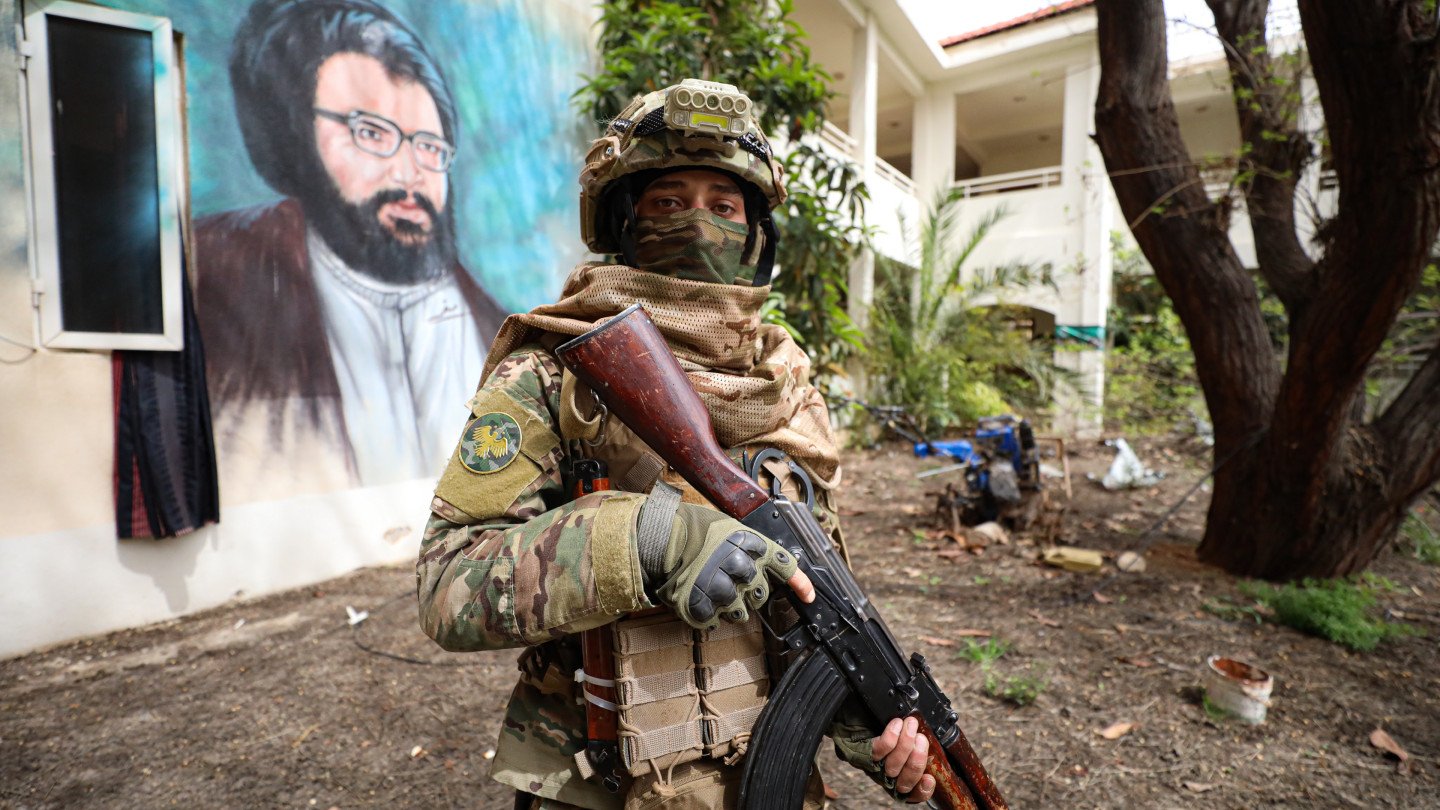
Tehran targeted al-Tanf base in Syria to warn President Ahmed al-Sharaa against helping disarm Hezbollah. Syrian forces recently seized major Iranian weapons caches, disrupting supply lines to Lebanon while balancing pressure from Washington, Ankara, and Tel Aviv.
Tehran has raised the stakes across the Middle East by targeting regional positions, turning covert tension into open military pressure on the new administration in Damascus. Recent Iran Syria strikes highlight Tehran’s determination to protect its vital Lebanese supply corridors regardless of American power moves. By launching these Iran Syria strikes, Iranian military planners sent an unmistakable signal to President Ahmed al-Sharaa that any cooperation with Western efforts to disarm Hezbollah will draw direct retaliatory action.
Iran Syria Strikes Signal Warning
As the United States and Iran exchanged fire in recent weeks, Tehran launched its first reported strikes on targets in Syria since the latest escalation began, claiming to have hit US forces at the al-Tanf base.
While the attacks were widely viewed as retaliation against Washington, analysts who spoke to The New Arab say they may also have carried another message: warning Syria’s new government against becoming involved in the war against Hezbollah.
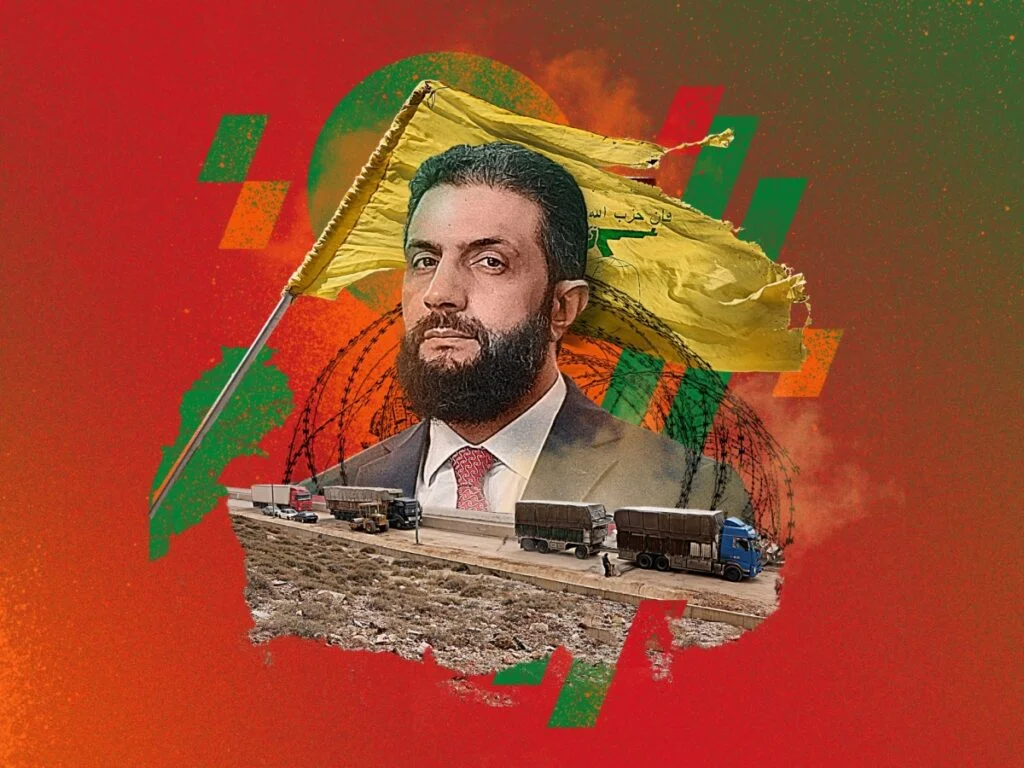
US President Donald Trump has repeatedly said he would like to see Syria get involved in the fight against Hezbollah, while Syria’s new leadership under Ahmed al-Sharaa has sought to curb the group’s activities on its territory without being drawn into a wider regional conflict.
In recent weeks, Syrian authorities have intercepted large arms shipments which they say were destined for Hezbollah. The Iran-backed group has been significantly weakened by Israeli attacks since 2024 but is still believed to possess a substantial arsenal, which it has vowed to retain.
The new government in Damascus resents the Shia militant group that fought alongside the forces of the ousted regime during Syria’s civil war. Bashar Al-Assad’s fall severely disrupted Hezbollah’s main land supply route from Iran via Iraq and Syria, dealing a major blow to the group’s logistics network.
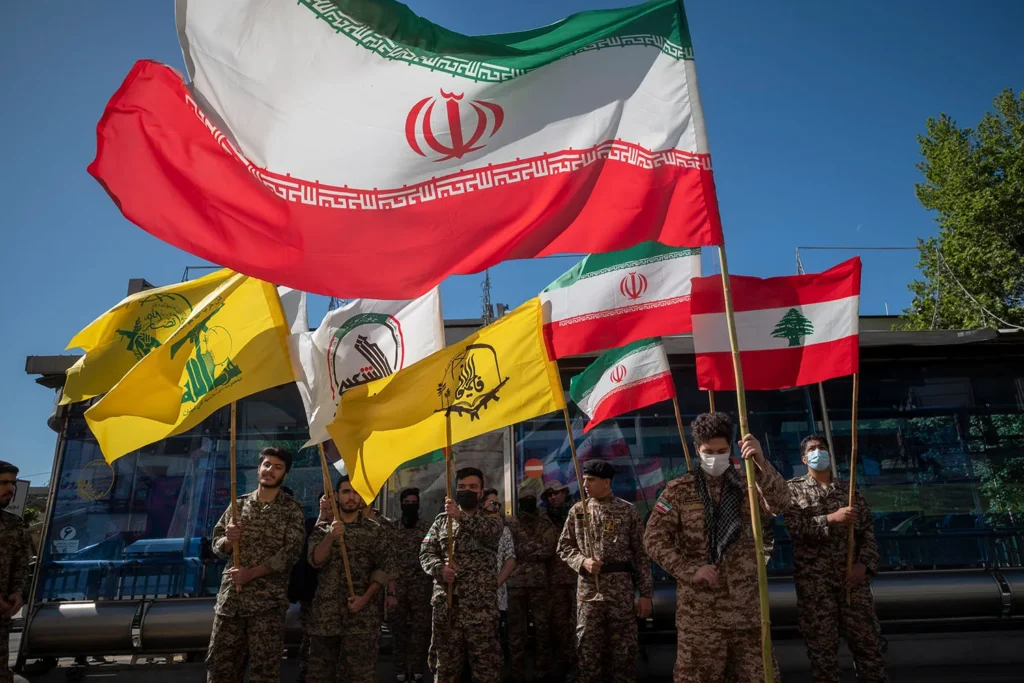
How Iran Syria Strikes Escalated
Iran’s warning to Damascus
Middle East analyst Kelly Campa told The New Arab that Iran’s targeting of al-Tanf may have been linked to what she described as Tehran’s “western flank” – Hezbollah in Lebanon.
“Iran is likely, in part, sending a message with their attacks on al-Tanf that they won’t tolerate any Syrian participation in operations against Hezbollah,” Campa said.
She said that while Trump has repeatedly suggested that Syrian forces could play a role in combating Hezbollah, Damascus has denied that it intends to participate in any such operations. Nevertheless, the possibility of Syrian involvement remains deeply concerning for Tehran.
Campa pointed to the timing of the strikes, noting that Syrian forces had intercepted a large cache of drones, missiles, and weapons components near al-Tanf shortly before Iran’s attack.
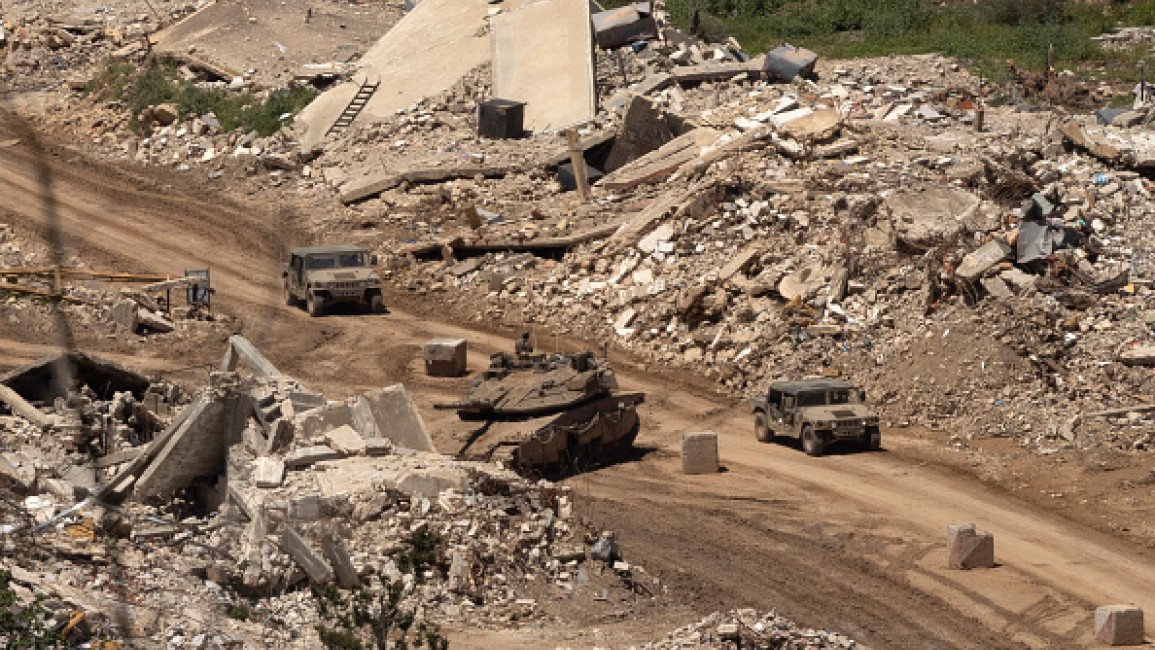
“The Syrian government does not appear to be considering any such operation, but Syrian forces interdicted a pretty large cache of drones, missiles, and weapons components near al-Tanf the day before Iran’s attack there,” she said. “Attacks in Syria could be one way through which the regime attempts to deter the Syrian government from taking any meaningful action against Hezbollah.”
She added that Hezbollah remains in a particularly vulnerable position despite continued Iranian support.
“Hezbollah is still at a particular moment of danger,” Campa said, pointing to continued Israeli operations in southern Lebanon and US-backed efforts aimed at establishing security arrangements that could eventually become a model for the group’s disarmament.
“Israel and Lebanon are collaborating – with US help – to implement some pilot zones that could, if all goes well, be a model for Hezbollah’s complete disarmament.”
Deterrence Behind Iran Syria Strikes
Syria already acting against Hezbollah
David Daoud, a researcher specialising in Hezbollah, Lebanon, and Israel, said that there is not yet enough evidence to conclude definitively that the strikes were linked to Syria’s crackdown on Hezbollah supply routes.
“It is equally plausible that Iran was exploiting current hostilities to send a tacit warning to the Sharaa government regarding ongoing seizures of weapons and funds being transferred to Hezbollah through Syrian territory,” he said.
Iran claimed to have struck an American command centre at al-Tanf, however, Washington had previously announced that US forces had withdrawn from the base earlier this year, handing control to Syrian authorities.
But Daoud also raised another possibility: that Tehran deliberately struck al-Tanf because of its symbolic association with the American military presence in Syria, regardless of whether US troops were actually stationed there.
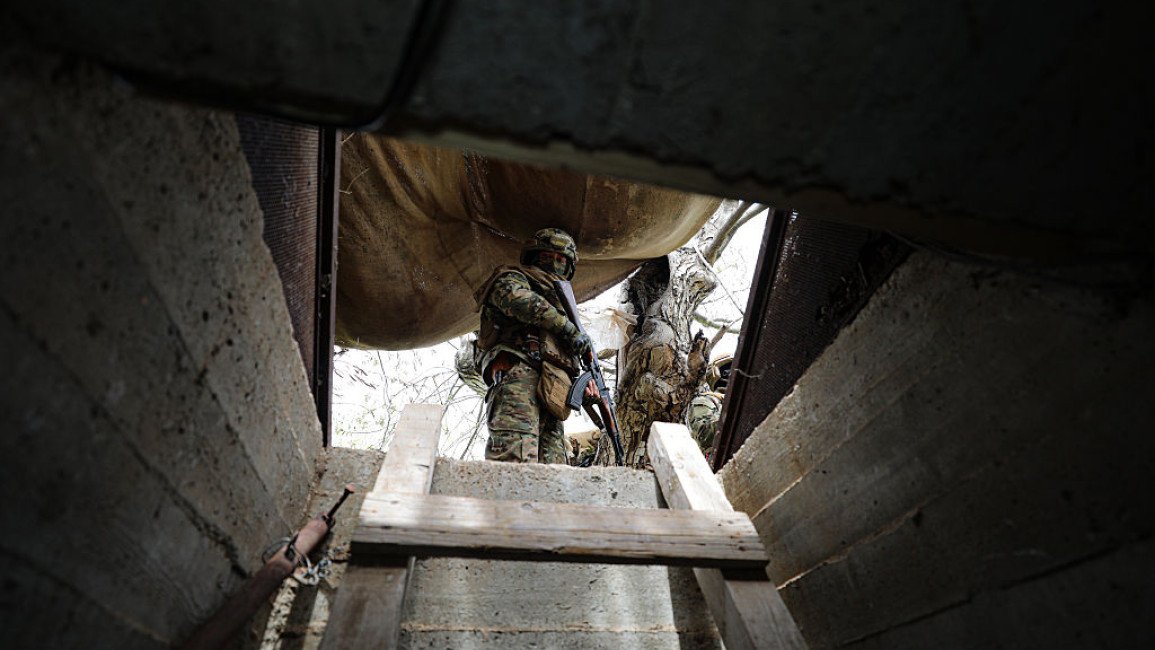
Iran Syria Strikes Pressure Damascus
For Daoud, the more important question is not whether Damascus is willing to confront Hezbollah, but how far it is prepared to go.
“I don’t think Sharaa needs much pushing to take a tough approach to Hezbollah,” he told The New Arab, pointing to repeated Syrian seizures of weapons and cash allegedly destined for the militant movement.
According to Daoud, Syria has been actively disrupting Hezbollah’s logistical networks almost since the new government came to power, with Israeli officials reportedly acknowledging Damascus’ efforts.
He argued, however, that there is a clear distinction between confronting Hezbollah inside Syria and joining military efforts against the group inside Lebanon.
“Damascus has demonstrated the will to clamp down on Hezbollah domestically,” he said.
But acting against Hezbollah beyond Syria’s borders, he added, was “far less plausible”.
“I don’t think Sharaa himself wants to get involved in the domestic affairs of neighbouring states.”
Instead, Daoud said Syria’s leadership remains focused on stabilising the country after more than a decade of war, reflecting widespread public exhaustion with regional conflict.
Why Iran Syria Strikes Reshape
Sharaa’s risky balancing act
Nicholas Heras, a regional security analyst specialising in Syria and armed groups, said the Sharaa-led government is caught between a rock and a hard place, adding that Syria’s calculations extend well beyond Hezbollah.
He argues that the government is relying on the goodwill of fractious neighbours to maintain its fragile power over Syrian territory. Turkey remains one of Sharaa’s most important regional backers, while Iran continues to seek influence through its allied network across the region, which it calls the “Axis of Resistance”.
“Sharaa cannot have Turkey and Iran collaborating against Israel via Syrian territory because that situation would be intolerable to both [Israeli Prime Minister Benjamin] Netanyahu and Trump and could result in focused Israeli military action to try to overthrow Sharaa’s government in Damascus,” he says.
Israel already occupies some Syrian territory in the southwest and carries out regular incursions. Israeli forces are also stationed on the Syrian side of Mount Hermon, not far from Damascus.
Heras says shifting regional geopolitics is increasingly becoming complicated for Sharaa. He argues that Erdogan’s efforts to challenge Israel’s expanding regional role have pushed Ankara into areas of cooperation with Iran, including over groups aligned with Tehran.
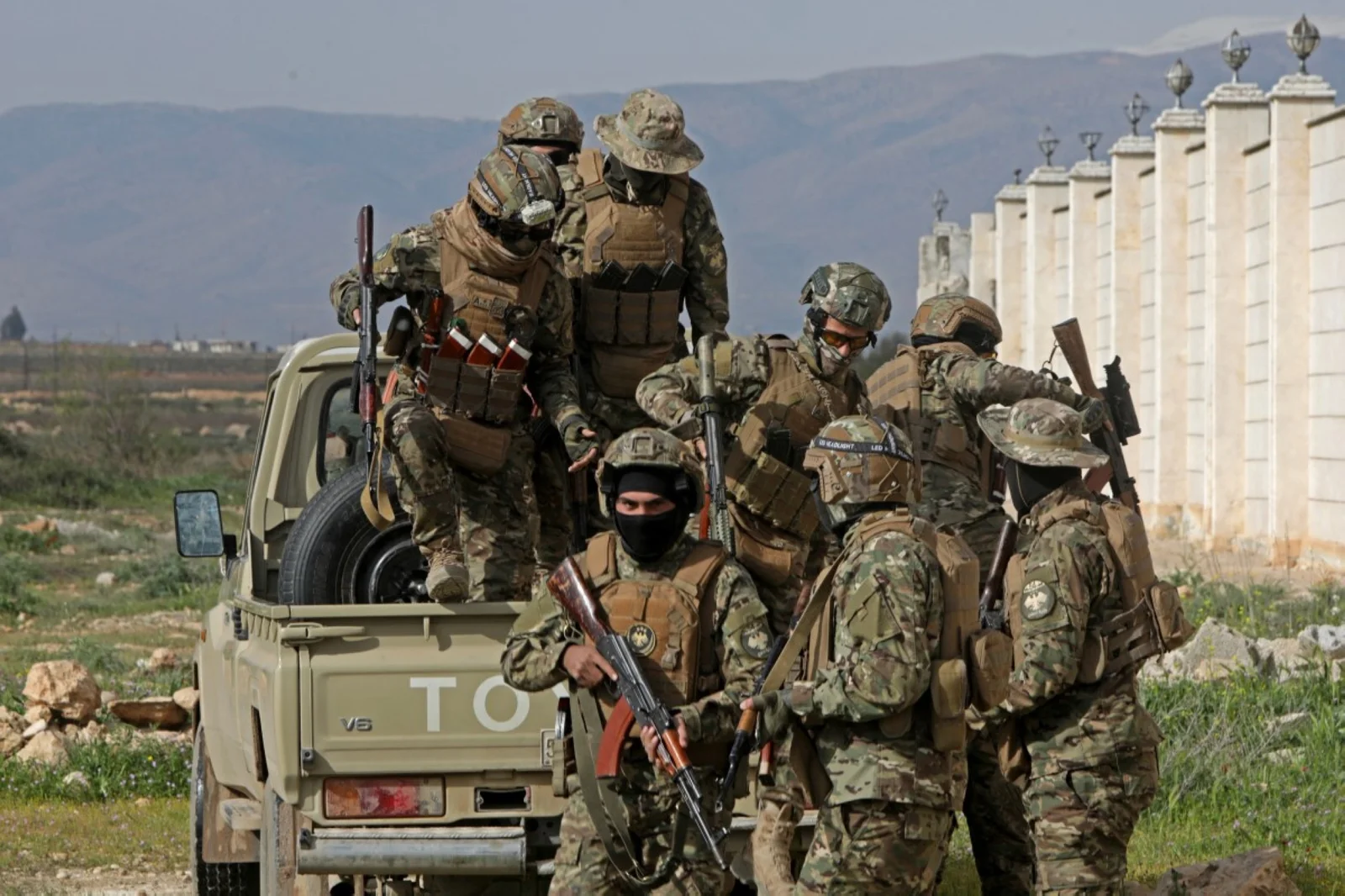
“Thus far, Sharaa has been an effective local partner for the US, and to a certain extent with Israel, by working to interdict Iranian supply lines into Lebanon. Sharaa has tried to balance his deep debt to Erdogan for facilitating his rise to power in Damascus with the reality that he cannot also displease Trump and provide Netanyahu with an excuse to try to remove him from power,” he tells The New Arab.
“Sharaa is locked in a delicate diplomatic dance with his patrons that could lead to him losing power.”
For now, analysts caution against drawing firm conclusions about Tehran’s intentions.
Iran’s strikes on al-Tanf may have been retaliation against the United States, an attempt to intimidate Syria over Hezbollah, or a symbolic show of force during renewed hostilities with Washington.
What appears increasingly clear, however, is that Syria has become another arena in the contest over Hezbollah’s future, with Damascus under growing pressure from multiple sides to determine how far it is prepared to go.