
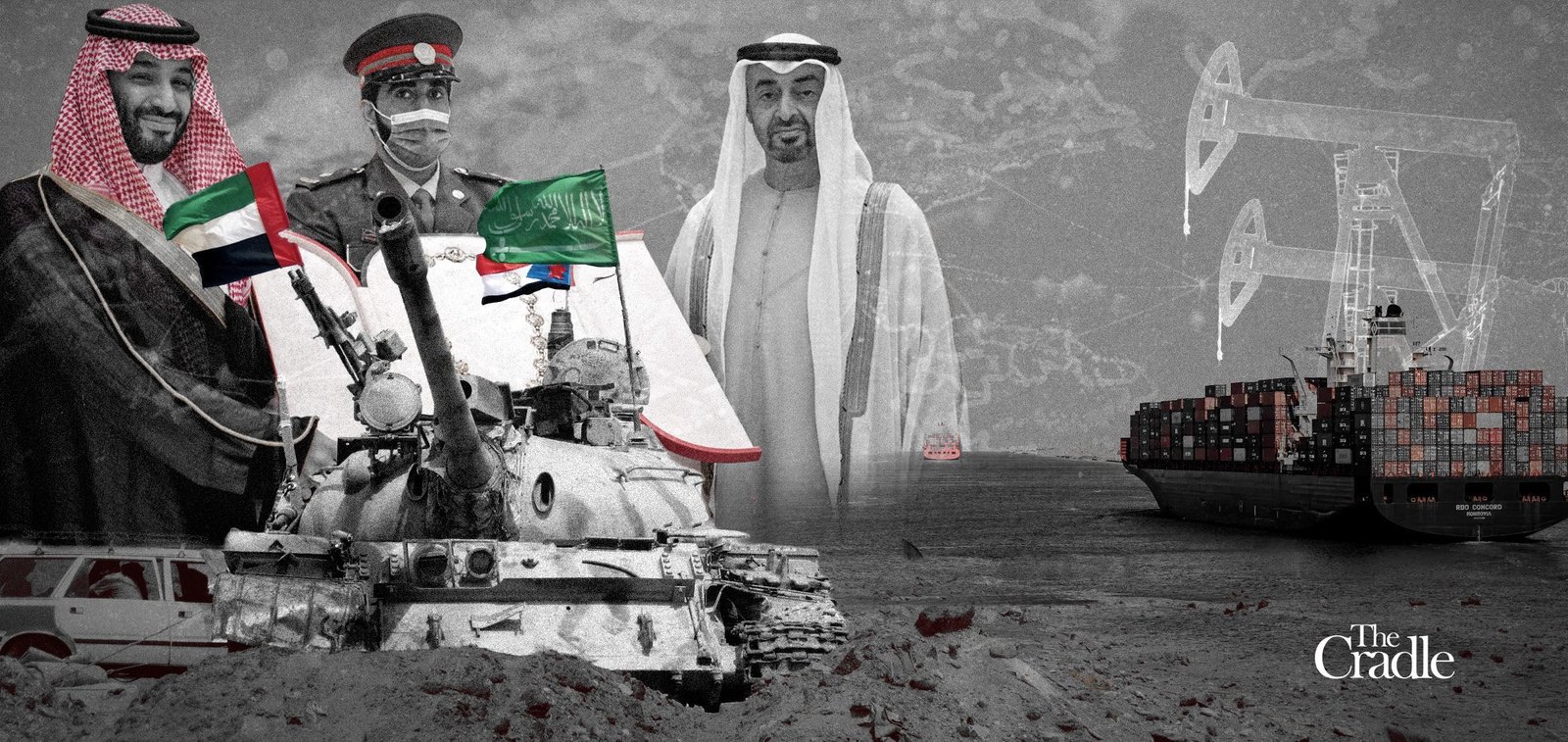
A synchronized media push between Riyadh and Abu Dhabi masks unresolved clashes in Yemen and Red Sea trade corridors. Facing naval blockades and Hormuz transit disruptions, both Gulf powers adopted a tactical truce to contain immediate risks without reaching a formal accord.
A fragile Saudi UAE détente has emerged across Gulf diplomatic channels, yet mounting geopolitical friction reveals a tactical pause rather than genuine alignment. As regional shipping corridors face unprecedented military threats, this temporary Saudi UAE détente serves to manage immediate risks while underlying economic and territorial disputes remain unresolved.
Saudi UAE Détente Signals Shift
For months, the rivalry between Saudi Arabia and the UAE had spilled out of palace corridors and into public view. The two Gulf powers traded accusations through aligned media, backed opposing forces across the region, and, by the end of 2025, found themselves on opposite sides of a Saudi airstrike in Yemen. Then, on the evening of 21 July, the tone changed almost in unison.
At exactly 7:00 pm Riyadh time, senior Saudi and Emirati media officials published closely aligned messages invoking brotherhood, shared history, and a common destiny. Similar statements followed. Yet the coordinated messaging was not followed by a summit, joint communiqué, or any public agreement addressing the disputes that had driven relations to their lowest point in years.
The campaign therefore looked less like a reconciliation than a pause imposed by a far more dangerous regional moment. Its timing also returned attention to the arena that first turned quiet competition into open confrontation: Yemen.
How Saudi UAE Détente Evolved
When the alliance turned hostile
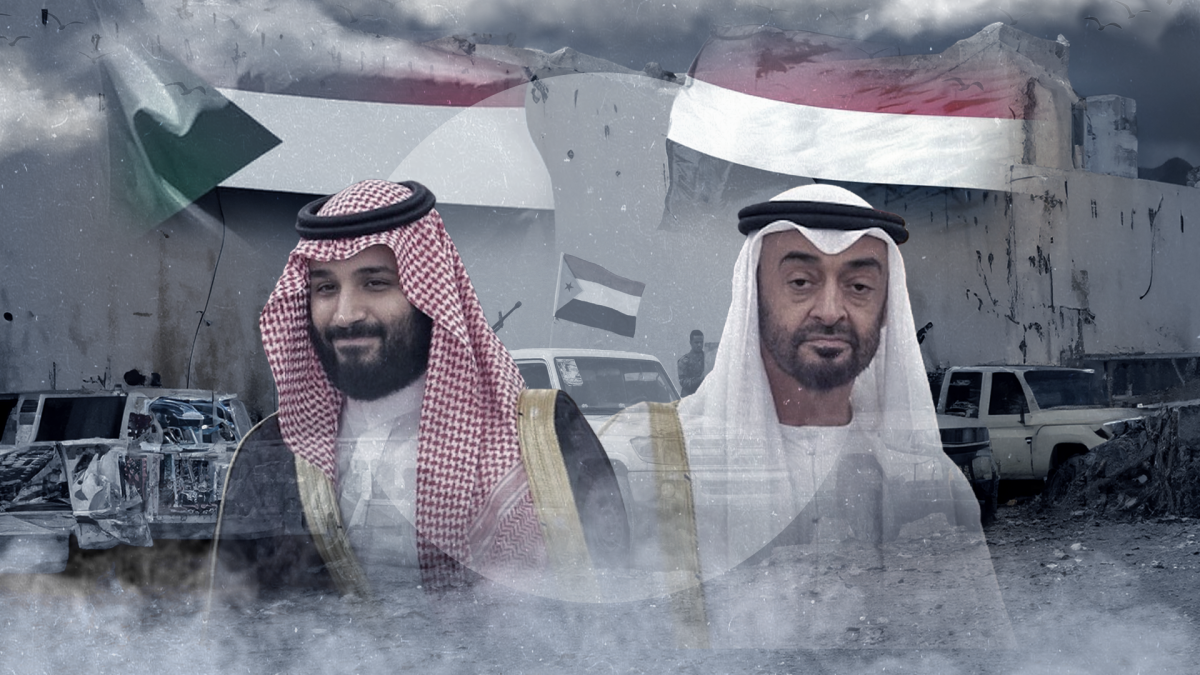
The Saudi-led coalition’s airstrike on Yemen’s Mukalla port on 30 December 2025 marked the clearest turning point. Riyadh said the “limited military operation” destroyed weapons and combat vehicles unloaded from two vessels that had arrived from the UAE. Abu Dhabi denied that the shipment contained weapons, saying the vehicles were intended for its own forces.
The strike followed rapid developments in eastern Yemen that month. Forces aligned with the UAE-backed Southern Transitional Council (STC) had advanced across large parts of Hadhramaut and Al-Mahra, raising Saudi fears that a new separatist reality was taking shape along the kingdom’s southern border. Hadhramaut, in particular, carries strategic weight for Riyadh because of its geography and its longstanding tribal, economic, and security ties to Saudi Arabia.
Riyadh demanded an end to Emirati support for the STC and reinforced forces aligned with the Saudi-backed government, including the Homeland Shield Forces, as they moved to reverse the separatists’ gains in the eastern governorates. When political pressure failed, the struggle moved onto the military track.
The dispute was never confined to Yemen. It extended across the Red Sea, the Horn of Africa, Libya, and Sudan, where the two states have cultivated different networks of influence and supported rival actors. As tensions grew, Riyadh also sought to curb the reach of supply lines and commercial networks connected to Abu Dhabi’s regional partners.
Unpacking Saudi UAE Détente
A campaign choreographed from above
The two officials behind the synchronized posts were Saudi Minister of Media Salman al-Dosary and UAE National Media Authority Chairman Abdulla bin Mohamed Alhamed. Both called on the media to reflect the countries’ “brotherly relations” and avoid coverage that could undermine them.
The synchronization was only part of the message. Shortly beforehand, Saudi General Entertainment Authority Chairman Turki Alalshikh had circulated a photo bringing together Saudi Defense Minister Khalid bin Salman and UAE Vice President Mansour bin Zayed. Emirati presidential advisor Anwar Gargash then reposted the image with a line of Arabic verse evoking the strength of spears when bound together.
Officials, columnists, and media figures on both sides soon followed with similar posts and articles, replacing months of increasingly bitter public exchanges with calls for restraint and Gulf unity.
Yet the campaign quickly became an object of political interpretation. Some treated it as the beginning of a return to the close coordination that once defined Saudi–Emirati relations. Others questioned whether carefully timed posts could bridge material disputes over territory, influence, trade, and oil.
Saudi voices presented the truce as necessary to preserve Gulf unity, while Emirati commentators acknowledged the recent disputes but recast them as manageable differences within a strategic relationship neither side could afford to abandon.
Saudi UAE Détente Lacks Substance
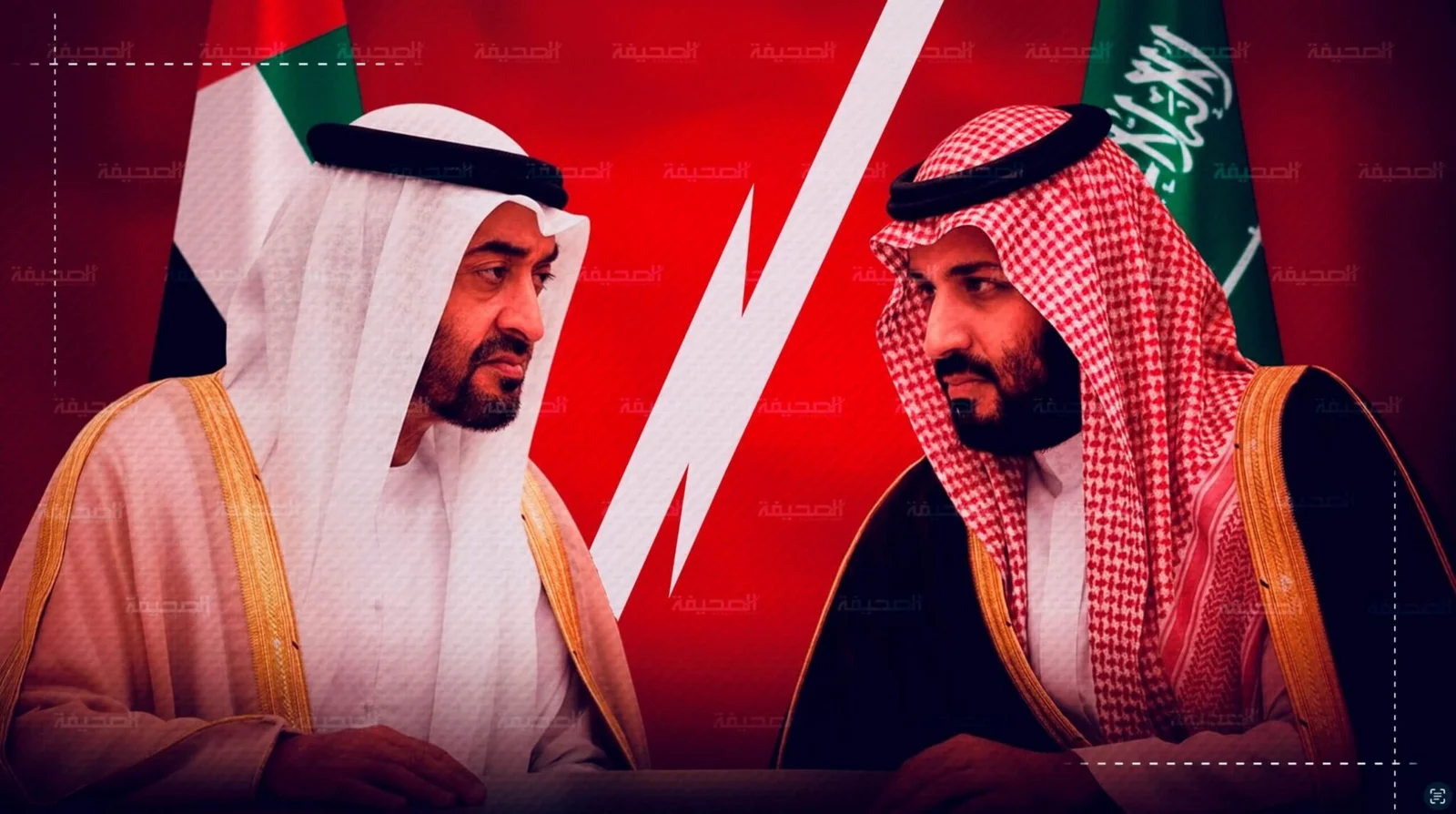
No agreement behind the optics
In the days that followed, The Cradle observed a clear imbalance in how the campaign unfolded. Saudi outlets continued to promote “brotherhood” and “unity of destiny,” while comparable momentum was less visible in the Emirati press, where most engagement remained confined to social media.
Nor has there been a clear political or practical translation of the proclaimed rapprochement. Saudi officials have maintained a busy diplomatic schedule, including foreign ministerial contacts with Pakistan, Qatar, and Egypt and defense contacts with Turkiye and South Africa.
But no direct meeting or publicly disclosed call has taken place between the Saudi and Emirati leaderships or between senior officials mandated to negotiate the disputed files.
What has happened so far therefore remains a reset in public language, not a new accord capable of reshaping relations.
A Gulf source tells The Cradle that the shift should not be read as a full reconciliation, but as “a readjustment of the relationship imposed by regional variables.”
After the differences reached an unprecedented stage, the two sides realized that the continuation of the confrontation serves their opponents more than their interests, the source says. But this does not mean that the contentious files and the nature of the regional role of each side have been closed: The source points out that the real test will come in Yemen, Sudan, and the other theaters of competition. Any change on the ground could push the rivalry back into the open unless the current understandings develop into clearer political and security arrangements.
Why Saudi UAE Détente Matters
War redraws the cost of rivalry
The sudden change in tone does not reflect the disappearance of the dispute’s causes. It comes amid a five-month US war on Iran that has made continued Saudi–Emirati confrontation more costly for both sides.
The war has spread into the region’s energy and commercial systems. With the Strait of Hormuz effectively closed to most Gulf exports, maritime routes, pipelines, ports, and terminals have become instruments of strategic pressure.
In 2025, nearly 20 million barrels of oil per day (bpd) were exported through Hormuz. The International Energy Agency (IEA) estimates that Saudi and Emirati pipelines have only 3.5 to 5.5 million bpd of available capacity to bypass the strait.
The escalation in Yemen added another layer of pressure on Riyadh. On 20 July, Ansarallah announced a maritime blockade of Saudi Arabia under the equation of “blockade for blockade,” extending the confrontation into the Red Sea and threatening the kingdom’s ability to protect energy and commercial routes already strained by the Hormuz closure.
Saudi Arabia has relied heavily on the East–West Pipeline, or Petroline, to move crude from the Eastern Province to Yanbu on the Red Sea. The line has a nameplate capacity of as much as 7 million bpd after expansion, although the amount that can be exported through the full system is constrained by existing use, terminal capacity, logistics, and wartime risk.
The problem is no longer simply lost oil revenue. Saudi Arabia is under pressure at both of its principal maritime exits. Hormuz is largely unavailable, while shipping from Yanbu must pass through a Red Sea corridor now exposed to Ansarallah’s threatened blockade and attacks on Saudi-linked vessels.
This gives the UAE renewed importance in Saudi calculations, although not necessarily as a restored strategic partner. Abu Dhabi possesses maritime and logistical infrastructure on the Gulf of Oman side of Hormuz.
The Habshan–Fujairah pipeline carries crude from Abu Dhabi’s onshore fields to the east coast, providing an export route that avoids the strait itself, even if production and loading remain vulnerable to the wider war.
Over the past decade, Abu Dhabi has also assembled a far-reaching network of ports, investments, and logistical relationships extending from the Red Sea to the Horn of Africa. That footprint gives it considerable influence over regional trade routes and energy flows at precisely the moment when access to both has become more contested.