
Iran repeatedly transforms tactical advantages into strategic overreach across major regional crises, including the Iran–Iraq War, Syria, and the Strait of Hormuz, because domestic political incentives prioritize ideological victory over diplomatic compromise.
The strategic posture of Tehran reveals a systemic pattern where tactical bargaining advantages consistently give way to diplomatic stagnation. Throughout modern history, Iran foreign policy has operated under an institutional mechanism that prioritizes maximalist ideological victories over the consolidation of tangible political and economic concessions.
When regional shifts or military actions generate temporary positions of strength, domestic political competition actively impels Iranian decision-makers to escalate objectives rather than negotiate durable settlements. This structural impulse transforms initial defense or deterrence achievements into unsustainable expansionism across regional theaters. From the prolonged prosecution of counter-offensive campaigns to forward power projection and maritime disruptions, internal regime security imperatives systematically override long-term diplomatic strategy. Consequently, Iran foreign policy remains fundamentally constrained by a revolutionary governance model that rewards uncompromising resistance and punishes pragmatic compromise. As elite factions maneuver to preserve internal legitimacy and ideological continuity, diplomatic opportunities are routinely sacrificed, leaving the state vulnerable to international countermeasures, economic isolation, and severe strategic exhaustion.
Iran foreign policy shifts during war
At first glance, Iran’s negotiating difficulties appear to stem from disagreements between pragmatists seeking sanctions relief and hardliners determined to resist compromise. Yet that explanation is incomplete. The deeper constraint lies in a recurring pattern that has shaped the Islamic Republic’s strategic decision-making since its founding: whenever Tehran gains a favorable bargaining position, domestic political incentives push its leaders to seek greater ideological and strategic victories instead of consolidating existing gains through diplomacy.
Rather than negotiating from positions of strength, the Islamic Republic has repeatedly transformed tactical success into strategic overreach. This pattern has appeared in the Iran–Iraq War, in Syria, and now in the aftermath of the recent confrontation over the Strait of Hormuz. Understanding this dynamic is essential to explaining why negotiations with Iran repeatedly stall, even when they appear to serve the country’s national interests.
The Costs of Pursuing More
The first and perhaps clearest example emerged during the Iran–Iraq War. By 1982, Iranian forces had succeeded in liberating almost all territory occupied after Iraq’s 1980 invasion. Militarily and politically, Tehran had achieved its original objective: defending Iran’s territorial integrity. At that moment, the Islamic Republic had an opportunity to declare victory, rebuild a country devastated by revolution and war, and redirect its resources toward economic recovery.
Instead, the leadership fundamentally changed the war’s objectives. Ruhollah Khomeini and his supporters argued that the war should continue until Saddam Hussein’s regime was overthrown. Victory was no longer defined by liberating Iranian territory but by exporting the Islamic Revolution, expanding Iran’s regional influence, and reshaping Iraq’s political order. The conflict became an ideological project, transforming what had begun as a defensive war into an offensive campaign.
Domestic drivers reshaping Iran foreign policy
Domestic politics played an equally important role. Khomeini famously described the war as a ne’mat, or blessing. Continued conflict allowed the regime to postpone difficult economic expectations after the 1979 Revolution while simultaneously eliminating political rivals and consolidating revolutionary institutions. Wartime conditions strengthened the state’s security apparatus and reduced space for domestic opposition. In other words, continuing the war served important domestic political purposes even as its military and economic costs steadily increased.
The consequences became clear by 1988. After eight years of devastating conflict, hundreds of thousands of casualties, and severe economic damage, Iran accepted UN Security Council Resolution 598 under conditions far less favorable than those available in 1982. Khomeini himself compared accepting the ceasefire to “drinking a poisoned chalice.” A position of strength had gradually become one of exhaustion because political incentives favored pursuing maximalist objectives over consolidating earlier gains.
How Syria derailed Iran foreign policy
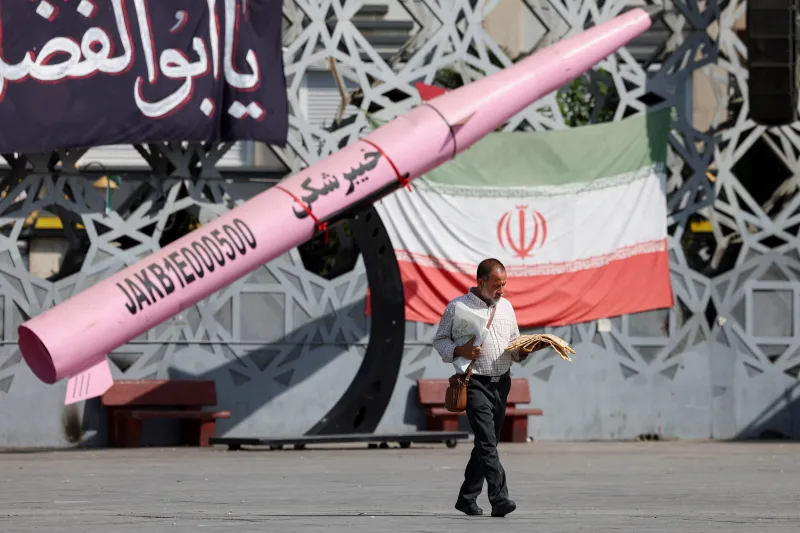
A remarkably similar pattern later emerged in Syria. Iran’s intervention successfully prevented the collapse of Bashar al-Assad’s government during the Syrian civil war. From Tehran’s perspective, preserving the allied regime represented a major strategic achievement. Yet instead of consolidating this success and gradually reducing its military footprint, Iran expanded its ambitions. Syria increasingly evolved into a platform for projecting Iranian power across the Levant, strengthening Hezbollah, establishing military infrastructure close to Israel, and advancing Tehran’s long-term regional strategy.
This broader mission significantly increased the costs of Iran’s presence, intensified Israeli military operations against Iran and its allied militias in Syria, and deepened Syria’s dependence on Tehran. Ultimately, Iran failed not only to preserve its broader regional project but also to secure the very objective that had initially justified its intervention: the survival of the Assad regime. Once again, a military success was transformed into a strategic loss.
Why Hormuz challenges Iran foreign policy
Today, the same pattern appears to be unfolding around the Strait of Hormuz. During the recent confrontation, Iran demonstrated that Hormuz remains one of its most valuable geopolitical assets. The disruption of maritime traffic highlighted Tehran’s ability to threaten one of the world’s most important energy corridors and gave Iran meaningful bargaining leverage. The subsequent Memorandum of Understanding (MoU) created an opportunity to translate that leverage into political and economic gains. Tehran could have preserved Hormuz as a credible strategic deterrent while allowing commercial shipping to return to normal, thereby creating space for sanctions relief, renewed oil exports, and economic stabilization.
Evaluating risks in Iran foreign policy
Instead, Iran appears to have repeated an old mistake. Rather than treating the MoU as a platform for diplomacy, Tehran continued actions that increased regional tensions, including attacks on commercial shipping and sustained pressure on Gulf energy and maritime networks. Instead of preserving Hormuz’s credibility as a deterrent and restoring confidence in maritime security, these actions risk turning a valuable bargaining chip into a justification for stronger regional and international countermeasures.
Internal political struggles dictate Iran foreign policy
The Domestic Logic Behind Strategic Overreach
Why does Iran repeatedly forgo opportunities to consolidate its gains? The answer lies less in ideological differences between hardliners and pragmatists than in the structure of domestic political competition inside the Islamic Republic.
Before Supreme Leader Ali Khamenei’s funeral, there appeared to be a broad, if uneasy, consensus within the political establishment that avoiding further escalation served Iran’s interests. Although factions differed over the scope of negotiations, relatively few political actors wanted to bear responsibility for blocking diplomacy while the country remained under significant military and economic pressure.
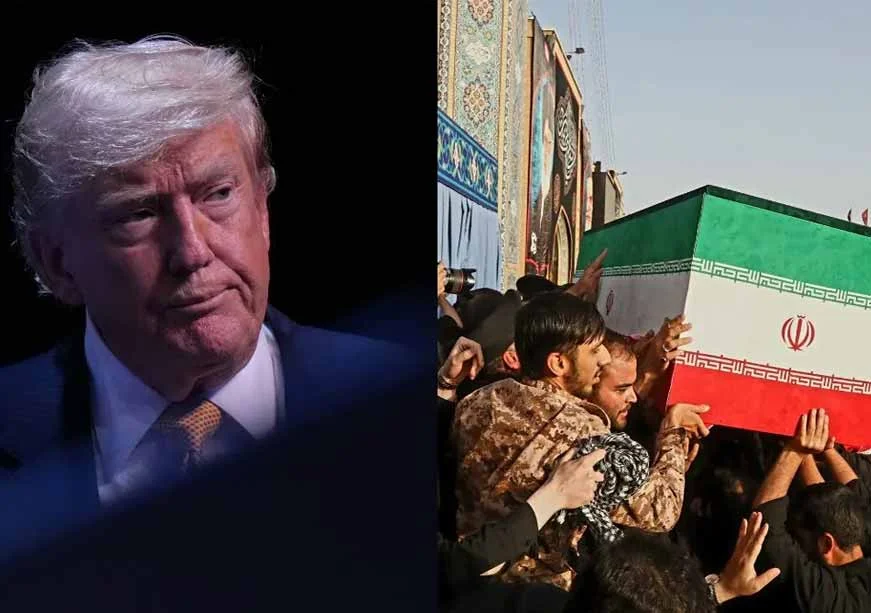
Khamenei’s funeral fundamentally altered this political environment. The ceremony became more than a national funeral; it evolved into a demonstration of revolutionary identity and ideological continuity. Themes of resistance, revenge, and steadfastness increasingly dominated public messaging. Hardline voices became more influential as the political costs of compromise increased, even though they did not necessarily represent the majority of either the political elite or Iranian society.
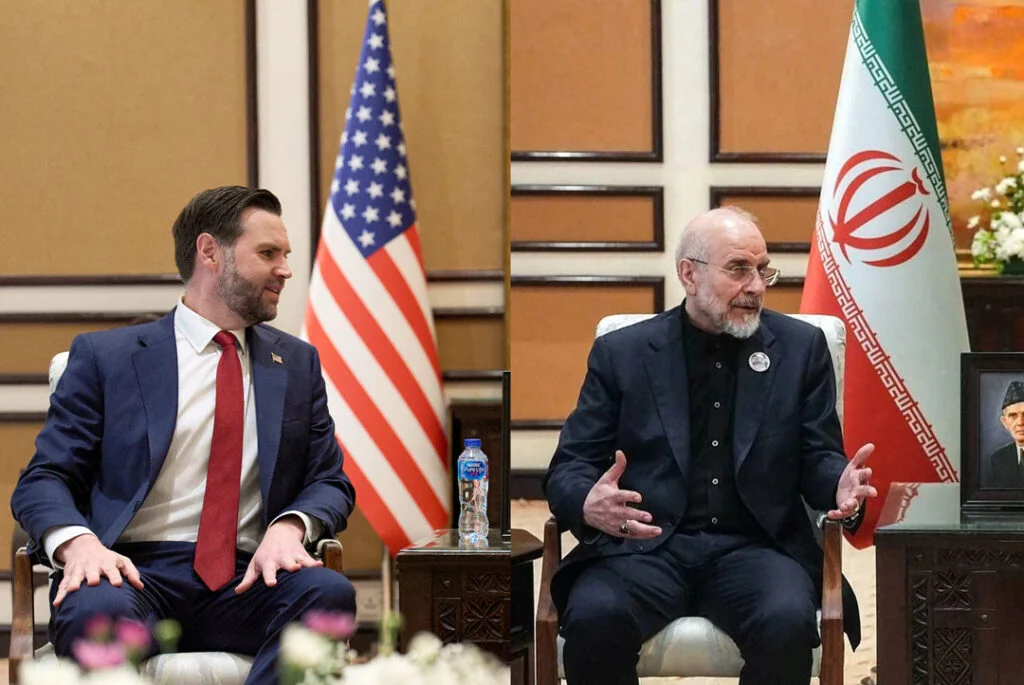
Iran foreign policy trapped by factionalism
The Islamic Republic’s most committed supporters constitute only a portion of Iranian society. Yet within that constituency, there exists an even smaller but highly organized ideological core whose influence over security policy is disproportionately large. As this group gained prominence after Khamenei’s funeral, advocating compromise with the United States became politically riskier. Officials who had previously supported negotiations increasingly adopted confrontational rhetoric, not necessarily because their strategic calculations had changed, but because survival within the political system required alignment with the dominant revolutionary narrative.
Consequently, Iran’s negotiating position became increasingly constrained by domestic political competition rather than by external diplomacy alone. Escalation became politically safer than compromise. This dynamic also helps explain why Iran’s current behavior often appears inconsistent. Rather than reflecting a coherent long-term negotiating strategy, policy increasingly reflects competition among political factions seeking to demonstrate ideological commitment and protect their own positions within the post-Khamenei political order. Under such conditions, preserving internal legitimacy can take precedence over securing diplomatic or economic gains.
The Islamic Republic’s negotiating dilemma, therefore, is not simply a conflict between hardliners and pragmatists. It is a structural problem rooted in a political system that repeatedly rewards leaders for seeking more after achieving enough. From the Iran–Iraq War to Syria and now Hormuz, Tehran has repeatedly demonstrated an inability to consolidate strategic gains through diplomacy.
Tactical successes have instead encouraged expanding objectives, while domestic political incentives have transformed moments of leverage into periods of strategic overreach. Unless that internal political logic changes, Iran is likely to continue approaching negotiations not as opportunities to secure national gains but as stages in an ever-expanding revolutionary project. Ironically, the greatest obstacle to successful negotiations may not be Washington, Gulf capitals, or international pressure, but Tehran’s own inability to recognize when it has already achieved enough.