
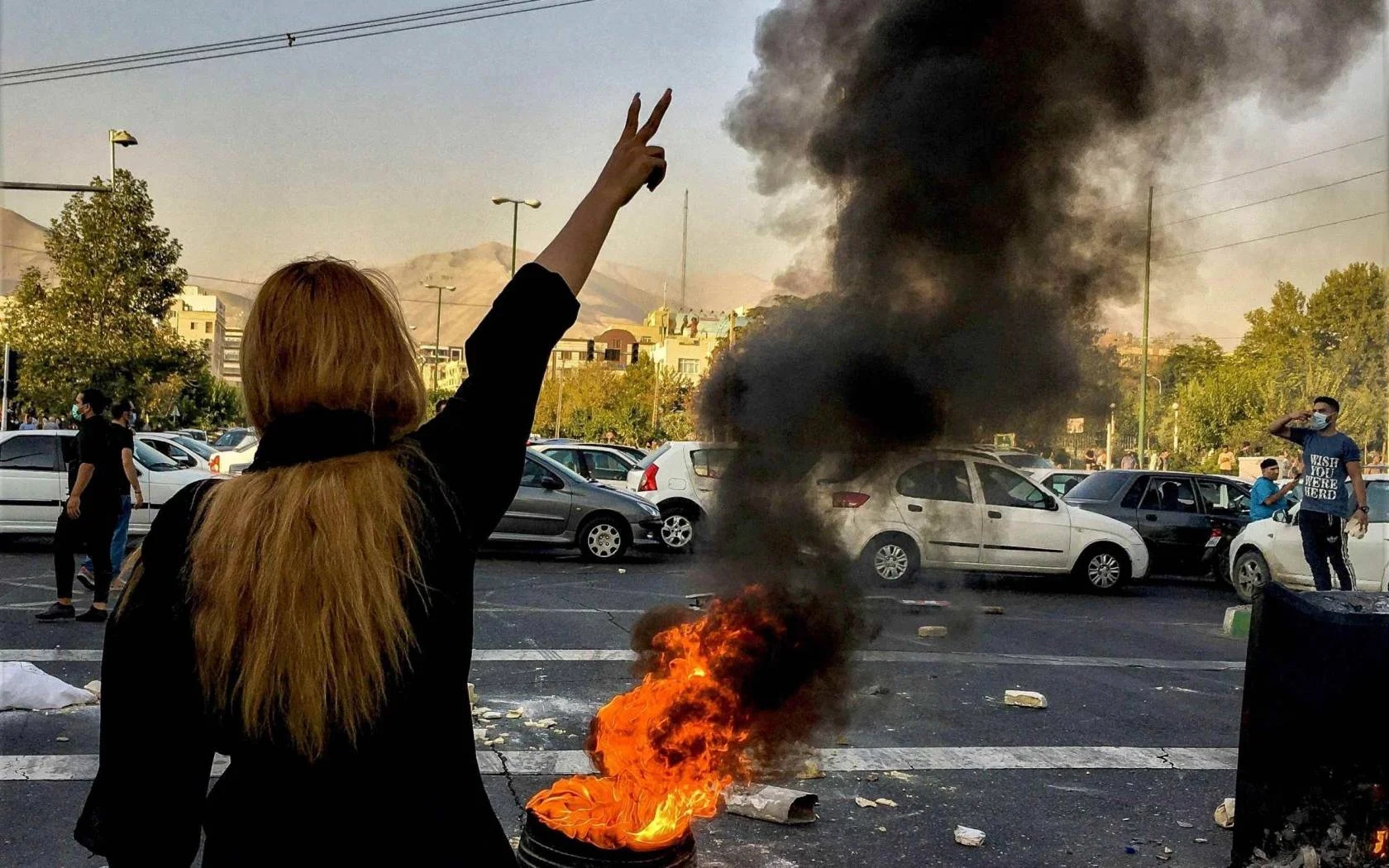
Recent survey data shows Iranian public opinion strongly supports regime change, with millions participating in street protests and viewing foreign military strikes as humanitarian intervention.
The intersection of internal popular dissent and foreign strategic pressure in Iran presents a complex case study in contemporary Middle Eastern geopolitics. Following months of intense regional conflict and aerial bombardments, empirical survey data indicates that Iranian public opinion diverges sharply from standard diplomatic assumptions held in Western capitals. While international negotiations increasingly prioritize maritime navigation and nuclear containment, large segments of the domestic population continue to endorse external measures aimed at structural political transformation.
The persistence of anti-establishment sentiment despite severe state violence demonstrates that societal alienation from the clerical leadership remains entrenched across key demographic sectors. Analysis of recent polling data suggests that Iranian public opinion views foreign military operations through the lens of humanitarian intervention rather than external aggression. Consequently, foreign policy strategies focused solely on short-term stability risk misinterpreting the durability of internal resistance. Understanding these domestic attitudes is essential for assessing long-term regional stability, as the alignment between civil disaffection and external pressure continues to redefine the strategic trajectory of the Persian Gulf.
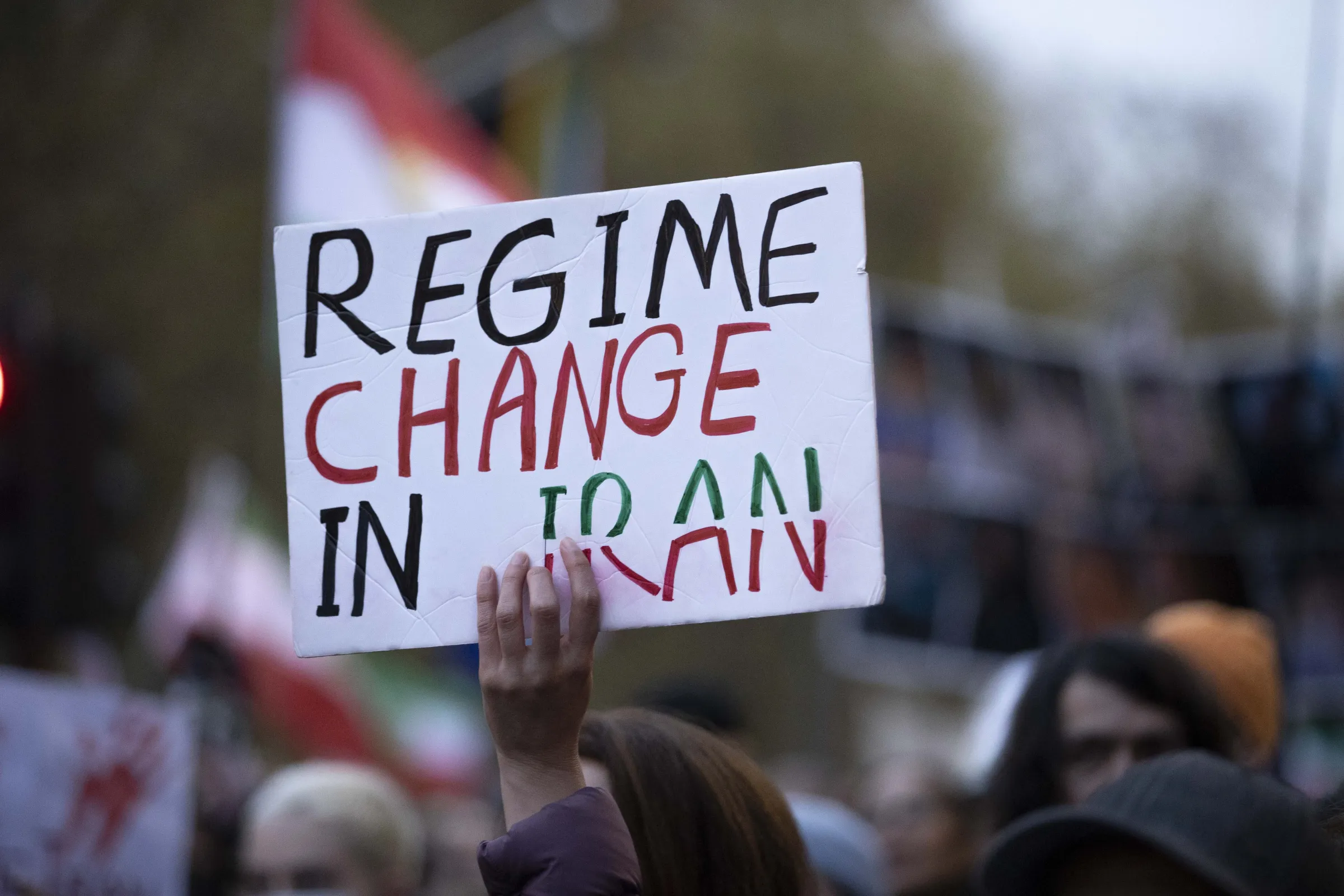
Iranian Public Opinion Shifts War Expectations
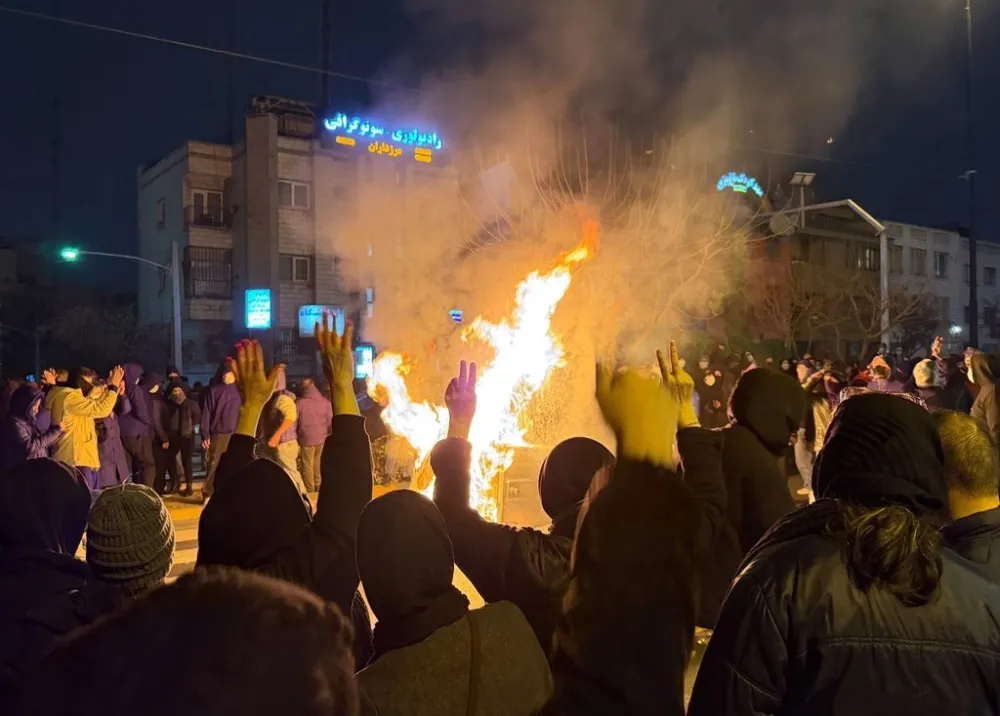
Back in January, at the height of Iran’s most recent round of anti-regime protests, President Donald Trump weighed in in support of the Iranian people. “Iranian Patriots, KEEP PROTESTING – TAKE OVER YOUR INSTITUTIONS!!!… HELP IS ON ITS WAY,” he proclaimed in a post on Truth Social on January 13. As a result, the US-Israeli military campaign launched a little over a month later was naturally seen by many as intended, at least in part, to punish Iran’s clerical rulers for their repression—and perhaps even to set the stage for some sort of fundamental change of the regime in Tehran.
Why Diplomacy Ignores Iranian Public Opinion
Fast forward five months, however, and the results have been very different. Since this spring, American diplomacy has focused overwhelmingly on pressuring the Iranian regime back to the negotiating table—at the outset, to barter over its nuclear program, and more recently to reopen the Strait of Hormuz. In the process, the idea of assisting the Iranian people seems to have fallen by the wayside.
So, what do Iranians think about the conflict, and the current state of their country after nearly half a year of war? A new internet-based survey conducted by GAMAAN, a Netherlands-based polling group focused on assessing attitudes within Iran, offers some surprising—and significant—revelations.
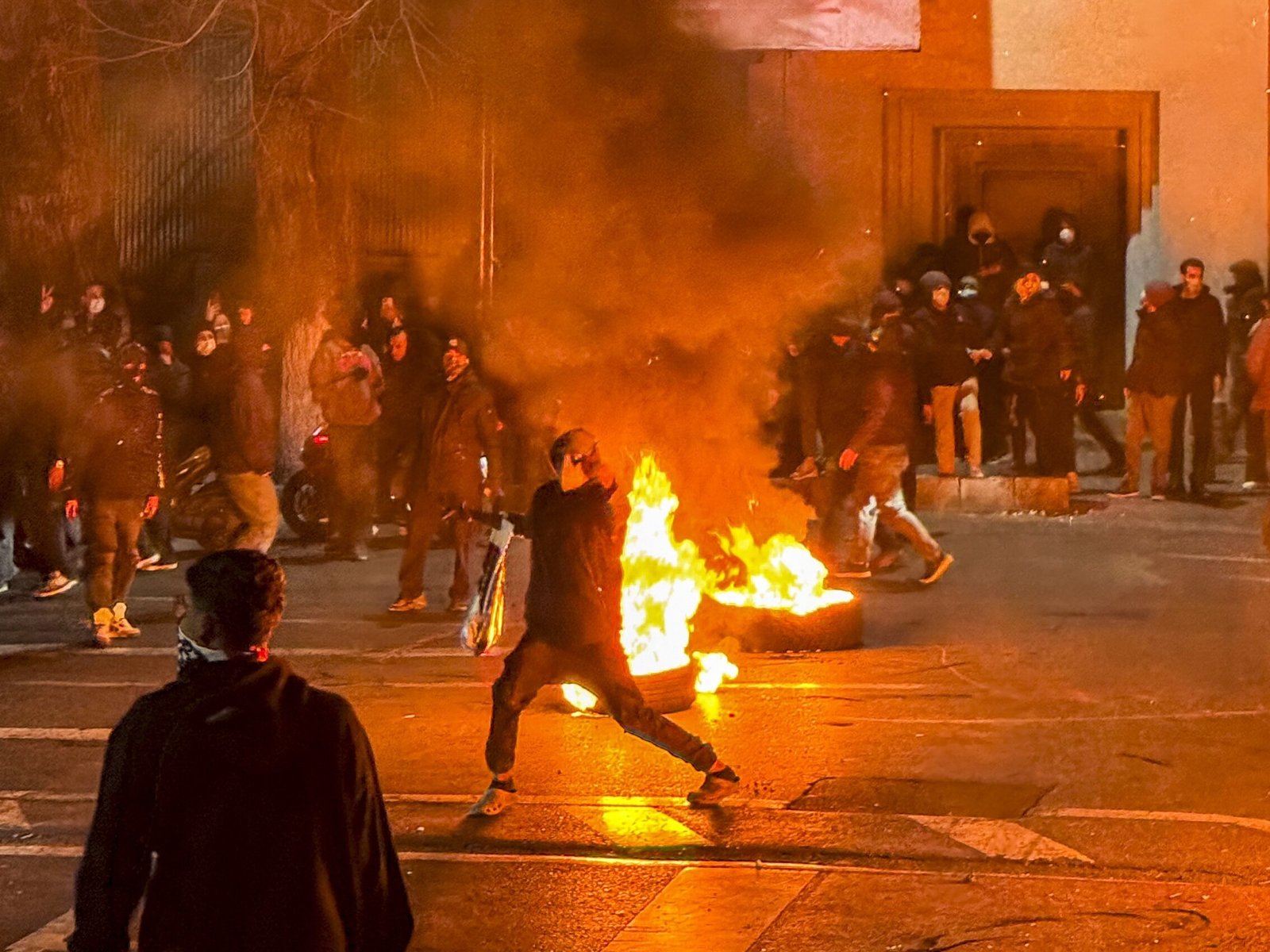
Protests Reveal True Iranian Public Opinion
The first is that the January 2026 protests against the Islamic Republic were far, far broader in scope than has been commonly understood in the West. Of the more than 31,000 respondents surveyed by GAMAAN using VPN and other circumvention technology, a quarter “reported having participated in the January 2026 street protests.” That percentage, GAMAAN extrapolates, corresponds “to an estimated 14 million literate people aged 15 and above” taking part, in one way or another, in Iran’s latest opposition wave.
Surveys Capture Authentic Iranian Public Opinion
It’s worth noting that, since the survey relied on VPNs and internet circumvention methods, its findings may naturally skew toward younger, more educated and more urban Iranians. Still, if they are anything close to representative, the findings reflect a mass protest wave far more extensive than has been appreciated so far.
Iranian Public Opinion Endures Heavy Crackdowns
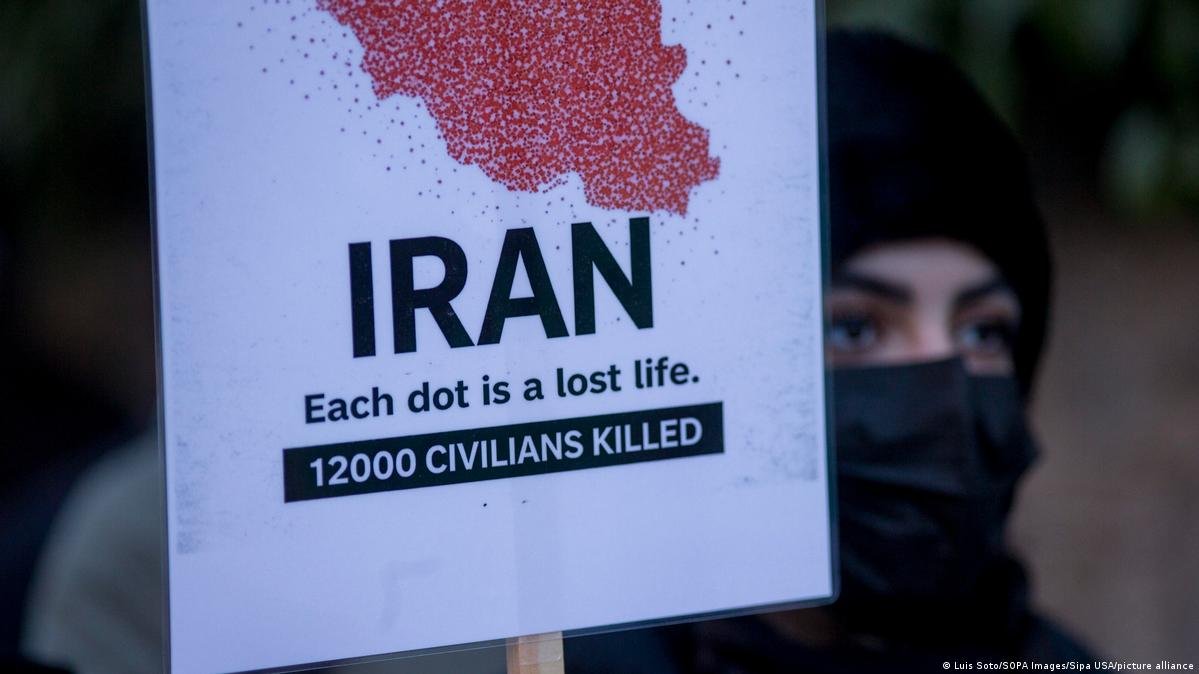
That, in turn, helps explain the extreme lengths to which the Iranian regime went to put down the protests—from launching the longest internet blackout in history to killing more than 36,000 opposition activists. It also underscores the logic behind the repression now being waged by Iran’s remaining leaders, from renewed pressure on religious minorities like the Baha’i to persistent efforts to choke off the flow of information within the Islamic Republic to a renewed clampdown on things like compulsory wearing of the hijab for women.
Does Iranian Public Opinion Support Strikes
The second is that, despite the hardships they have endured over the past half-year, many Iranians see the US-Israeli war on the Islamic Republic in a positive light. “About 40 percent viewed the US and Israeli military operation as a form of ‘humanitarian intervention,’” the GAMAAN study notes. That figure is a reflection of the fact that ordinary Iranians understand full well that they are captives of the Islamic Republic, and continue to hold out hope that the West will somehow free them.
Attitudes toward President Trump and Israeli Prime Minister Benjamin Netanyahu reflect that reality: the two leaders remain at least somewhat popular in Iran—Trump still garners 44 percent approval in the GAMAAN poll, while Netanyahu gets 51 percent. That suggests a generally benign view of American and Israeli intentions, despite the hardships that have been visited on the Iranian people in the past half-year.
Washington Must Align With Iranian Public Opinion
All this should be consequential for the Trump administration, because it reflects a domestic reality that simply isn’t captured by the current negotiations between Washington and Tehran. Moreover, as the latest GAMAAN results underscore, the potential for meaningful political change within Iran persists, despite the country’s new military-dominated order. The only question now is whether the United States is prepared to do more to ensure that, when Iranians inevitably take to the streets once again, they are better prepared and more capable than they were back in January.
The Iranians still appear hopeful that they will. Washington shouldn’t disappoint them.