
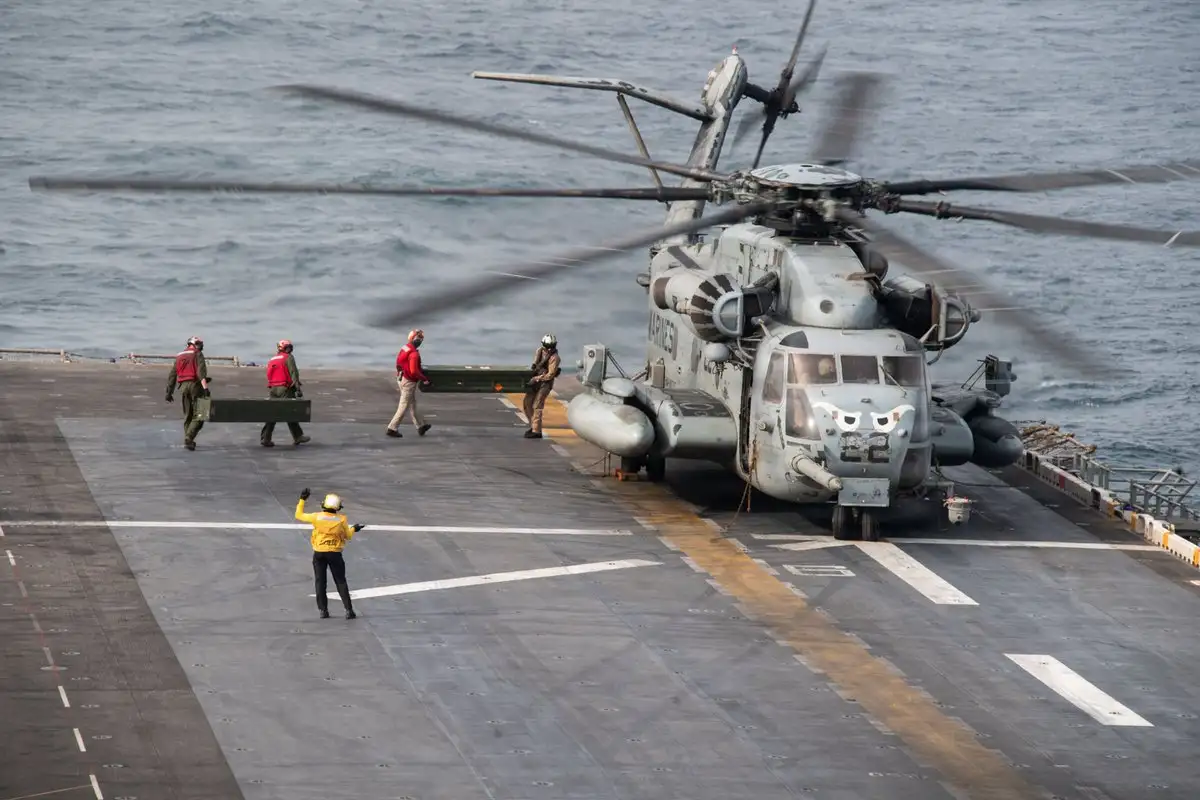
Iran activated its Hormuz blockade after U.S.-Israeli strikes damaged nuclear and missile programs. Gulf states are building bypass pipelines, while U.S. production and alternative routes reduce Iranian leverage and isolate China.
The collapse of Iran’s Hormuz Leverage represents a strategic inflection rather than a temporary tactical setback. Operations Midnight Hammer and Epic Fury destroyed the foundation of Tehran’s coercive energy strategy before the blockade could become permanent.
The regime activated its chokepoint without nuclear cover, missile depth, or proxy capacity, exposing Iran to sustained military and economic pressure. This sequence reverses assumptions about Strait of Hormuz as an invulnerable Iranian weapon. Oil continues to transit the waterway, while Gulf states accelerate pipeline networks that bypass it entirely. The United States is consolidating dominance through domestic production, Venezuelan imports, and new export infrastructure.
In this configuration, Iranian coercion becomes increasingly hollow, and China emerges as the primary strategic loser rather than Washington. The regime now confronts escalating costs from an embargo of limited duration and diminishing effect. The failure of Hormuz Leverage weakens Iran’s regional position and strengthens American capacity to shape energy flows. Continued pressure, rather than negotiated accommodation, offers the clearest path to neutralizing Iran’s geopolitical blackmail permanently.
Iran’s Hormuz Leverage Vanishes
All the noise around Iran’s supposed stranglehold on oil supplies transiting through the Strait of Hormuz is missing the point.
The reality is that the combination of Operations Midnight Hammer and Epic Fury upended the regime’s hopes of turning Hormuz into a permanent hostage.
Its ruling clerics will now pay the price for activating a blockade without their most important insurance cards — perhaps sooner than they think.
Had the regime in Tehran followed late Iranian Supreme Leader Ali Khamenei’s plan — weaponized its nuclear program, built an arsenal of thousands of intermediate and intercontinental ballistic missiles and hundreds of thousands of drones, and assembled its regional proxies into an even more formidable force — then its blockade of Hormuz would likely be permanent.
That kind of potency would have deterred American and Israeli action and rebuilt Iran’s economy into a formidable global energy power.
Instead, after several months of sustained airstrikes delivered by both the United States and Israel, Iran’s nuclear and missile programs are badly damaged, and its economy is collapsing from a US-enforced blockade and sanctions.
Flowing elsewhere
Its terrorist allies around the region, from the Houthis in Yemen to Hezbollah in Lebanon, are no longer the threat that they were on Oct. 7, 2023 — the day of the deadly invasion of Israel by Iran-backed Hamas.
Simply put, a weakened Iran played its Hormuz card too soon.
Each day that goes by leaves its regime more vulnerable to punishing military and economic pressure.
The results are already becoming visible.
Covert Flows Defy Open Data?
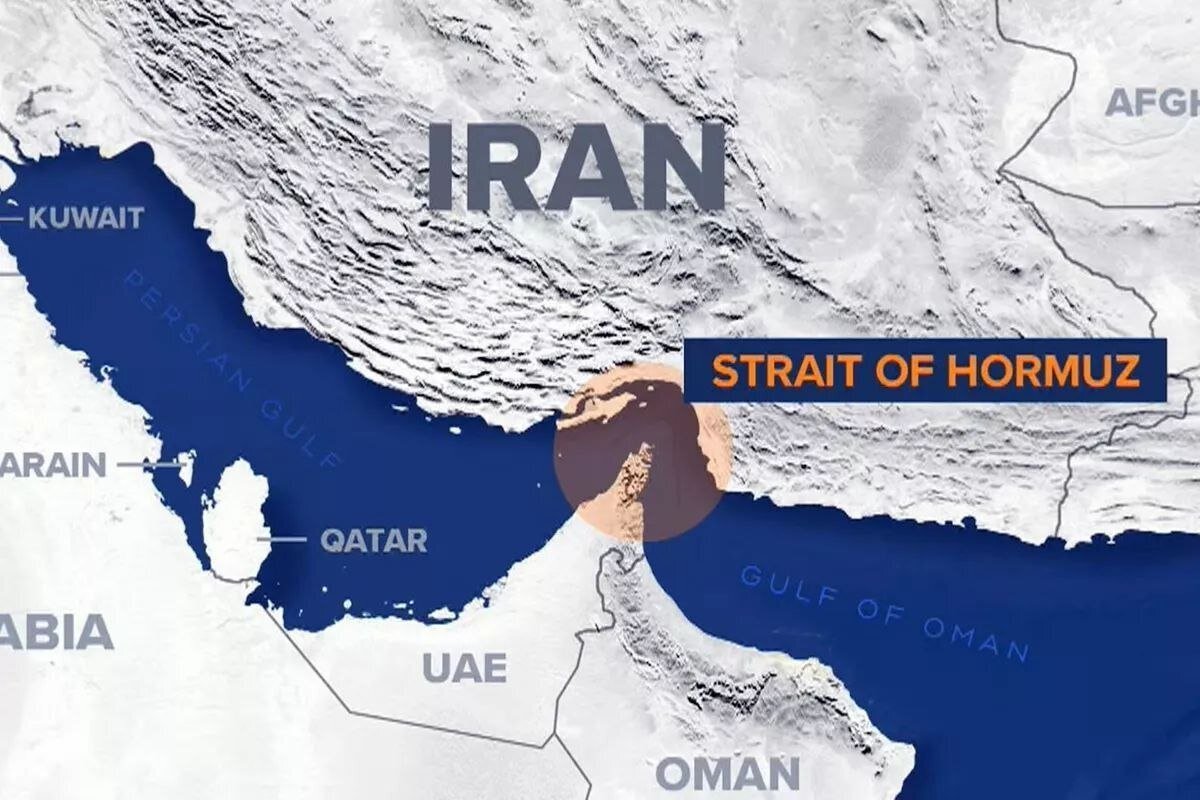
According to US Energy Secretary Chris Wright, an average of 9 million barrels of oil are passing through Hormuz daily, while between 5 million to 7 million barrels are reaching consumers through “newly upgraded pipelines and export facilities.”
Wright’s figures have been disputed by oil industry analysts and other commentators.
Many of them insist that the true number of barrels is much lower, arguing as well that the febrile situation in Hormuz means that oil exports will continue at a trickle instead of a flood.
But what that ignores is that many ships move covertly through Hormuz with US assistance, going uncounted by analysts who rely solely on open-source data.
It also ignores the spectacular transformation of the oil export route that’s currently underway.
Pipelines Bypass the Strait
The United Arab Emirates is fast-tracking a new west-east pipeline to Fujairah, which lies outside the strait.
The Abu Dhabi National Oil Company announced in May that construction was about 50% complete, with operations expected to launch next year.
This means that the UAE can soon bypass Hormuz at minimal cost.
The Saudis too are moving in a similar direction, seeking to add 1 million to 2 million barrels per day of capacity to their east-west network running to the Red Sea.
Washington Can Finance Alternatives
The United States should now actively work with its Gulf allies to eclipse Iran even further.
The US Development Finance Corporation, which possesses $205 billion in investment capacity, is uniquely capable of facilitating export routes that avoid Hormuz.
It can also demand a significant share of the equity in this burgeoning consortium, with the benefits passed on to American taxpayers.
Stay the course
The situation further afield works to America’s favor too, as the United States continues to set records for oil and gas production and exports.
Venezuela’s oil exports reached approximately 1.16 million barrels per day in July, with roughly 786,000 of those heading to the US — the highest US-bound volume in seven years.
As in the Gulf, further investment here could increase production considerably.
The real loser here is not the United States but China, which relies on Middle Eastern oil far more than the US does.
Alternative routes out of the region coupled with non-Middle Eastern oil will bolster US dominance of energy markets while reducing the leverage of both China and Iran.
Hormuz Leverage Must Stay Buried
What’s shaping up, therefore, is not merely a victory over Iran.
If seen through to completion, these developments will set the stage for a new American century in which the flow of energy — both oil and liquefied natural gas — will be liberated from the manipulation of rogue states like Iran’s regime.
This is the direction in which we are heading, but we’re not at our destination yet.
That’s why President Trump needs to double down and resist the temptation to cut a deal with Iran that legitimizes its control over Hormuz.
Better to focus on marginalizing Iran so that its threats are empty ones.
That will truly be a legacy for future generations.