
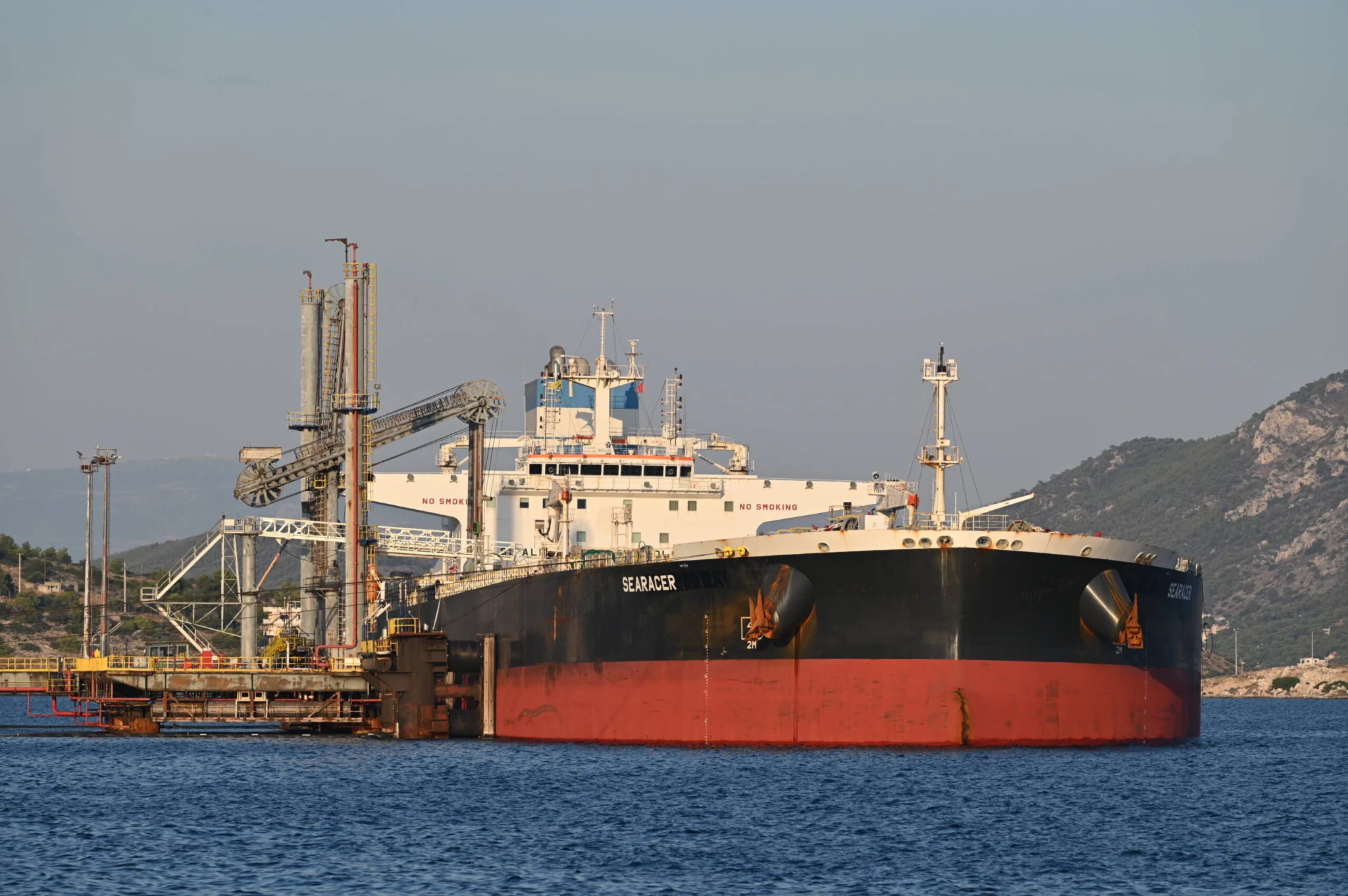
The Iran Strait of Hormuz disruption is causing economic pain, but new pipeline routes, strategic stockpiles, and rising non-OPEC production are reducing the chokepoint’s coercive value and strengthening the US negotiating position.
The strategic importance of the Iran Strait of Hormuz has long been treated as a fixed condition of global energy security. That assumption is now eroding. The economic damage from disruption is considerable: oil inventories have dropped, petroleum product markets are tight, and importing economies are absorbing higher costs. But the central question for Washington is not whether closure is painful.
It is whether the pain is more endurable for the United States and its partners than the concessions Tehran hopes to extract. Unlike nuclear weapons capability, which once acquired cannot easily be reversed, chokepoint dependence can be reduced through investment and changed consumption. Chinese crude imports fell 32 percent below first-quarter levels in the second quarter.
Saudi Arabia and the United Arab Emirates are building pipeline capacity that bypasses the Iran Strait of Hormuz, while strategic stocks and new non-OPEC supply cushion the shock. Each barrel produced elsewhere, each pipeline completed, and each demand-side adjustment lowers the chokepoint’s future coercive power. The United States therefore has an opportunity to stop managing a recurring emergency and instead shape an energy system in which closure matters far less.
Iran Strait of Hormuz Leverage Weakens
At what point does the United States stop treating the Strait of Hormuz as a crisis to manage and start treating it as an opportunity to permanently redraw the global energy map?
For weeks, Iran has benefited from a basic strategic assumption: The Strait of Hormuz is too important to the global economy for the United States and its partners to tolerate its prolonged disruption. Tehran may not be able to defeat the United States militarily, so the thinking goes, but it can impose enough economic pain on Washington and its allies to force concessions at the negotiating table.
That assumption is now being tested. And with each passing day, it is becoming less true.
This does not mean that the economic consequences of Iran’s continued weaponization of the strait are trivial. They are not. Oil inventories have been drawn down sharply, petroleum products remain tight, and energy-importing economies are absorbing significant costs.
But the relevant question for US strategy is not whether the closure of Hormuz is painful. It is. The question is whether that pain is more strategically endurable than the concessions Tehran hopes to extract in return for ending it.
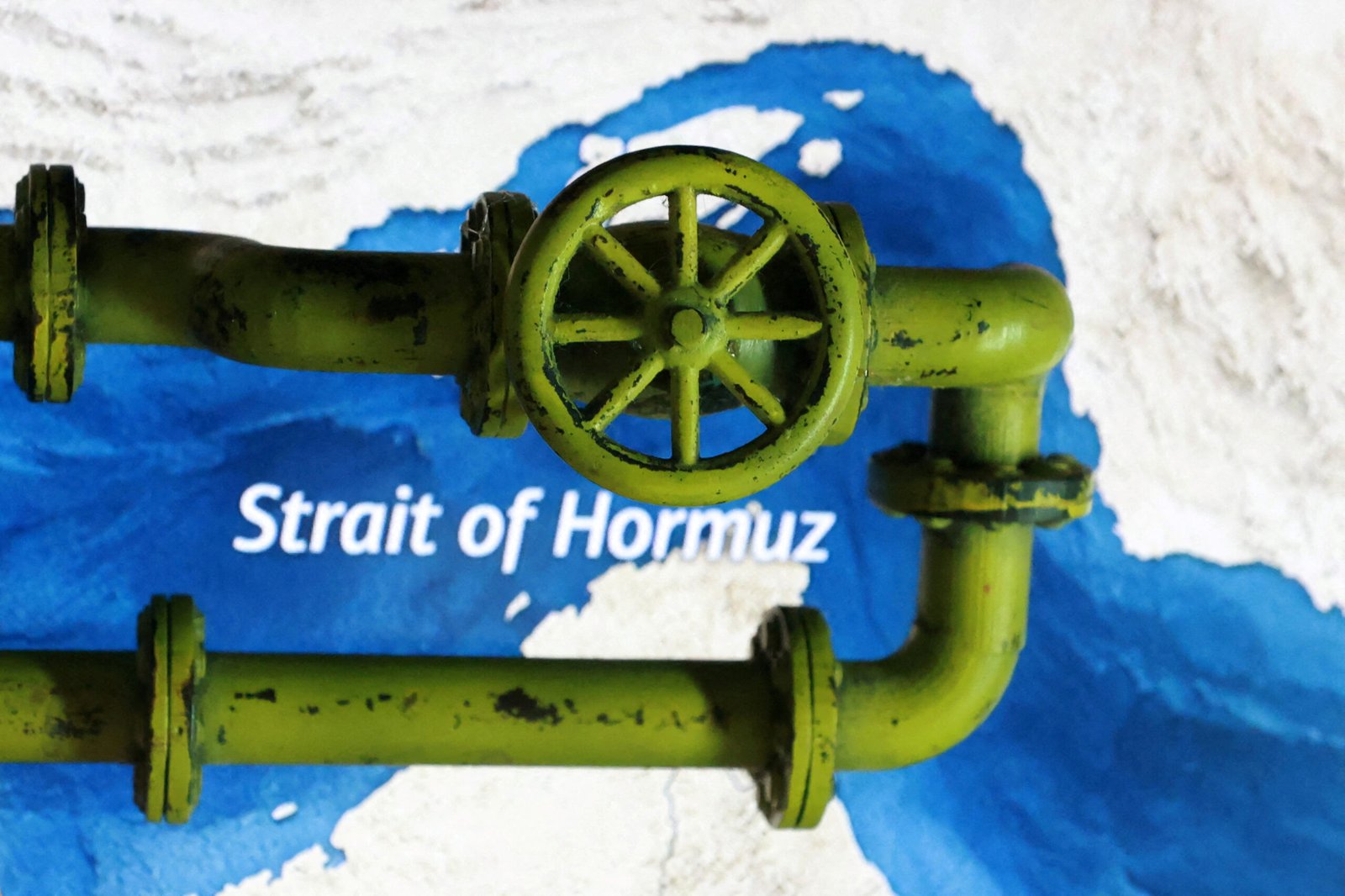
Why Nuclear Leverage Is Different
In contrast with the advantage it derives from its nuclear program, Iran’s leverage over the global economy weakens every day it holds the Strait of Hormuz hostage.
In May 1998, India conducted a series of tests of nuclear devices. Pakistan followed weeks later. International condemnation was immediate and sanctions followed, but the fundamental strategic fact could not be reversed. Both countries had demonstrated nuclear-weapons capabilities. Nearly three decades later, both remain nuclear-armed states.
This is the uncomfortable reality of nuclear proliferation. Once a state has developed, tested, and integrated a viable nuclear-weapons capability into its national security architecture, eliminating that capability becomes vastly more difficult.
Energy markets operate differently. They adapt. And every day Hormuz remains closed, its importance diminishes.
Energy Markets Adapt Faster Than Expected
For half a century, the structure of global energy markets has been moving gradually away from the concentration that defined the oil shocks of the 1970s. The most vivid example is the US shale revolution, which transformed the United States from an increasingly import-dependent energy consumer into the world’s largest producer of oil and natural gas. But the transformation extends well beyond the United States.
Brazil has emerged as a major offshore oil producer. Canadian oil output has expanded alongside new access to Pacific markets. And perhaps nowhere is the change more dramatic than in Guyana, where large offshore discoveries have created an entirely new oil-producing state in less than a decade.
Since the Iran war began in February, hundreds of thousands of additional barrels of oil per day have come online from countries that are not members of the Organization of the Petroleum Exporting Countries (OPEC). None of this comes close to replacing the volumes disrupted by the war. Nor should Washington pretend otherwise.
But it does not have to. The strategic objective is not to replace ten million barrels overnight. It is to steadily reduce the marginal value of Iran’s geographic advantage.

New Supply Routes Are Already Moving
That process is already underway. Chinese crude imports fell to just 8.1 million barrels per day during the second quarter of this year, 32 percent below first-quarter levels. Saudi Arabia and the United Arab Emirates are maximizing existing pipelines and accelerating new infrastructure that bypasses the Strait of Hormuz both west to the Red Sea and southeast to the Gulf of Oman. At the same time, the International Energy Agency and partner countries have tapped strategic oil stocks to cushion the disruption. Coupled with growing non-OPEC production, these measures are buffering the world from the worst economic effects of the crisis.
The longer Tehran demonstrates that Hormuz cannot be relied upon, the easier it becomes for finance ministries, energy companies, and consuming countries to justify investments that previously looked redundant or uneconomic.
Allies Reinforce Their Own Diversification
Look at where this is already taking place. In Japan, the shock is, as energy analyst Ben Cahill writes, “spurring a re-examination of long-held energy security assumptions” around its dependence on imported fuels. Europe is responding according to the same logic, using the crisis to reinforce the case for clean-energy deployment and reduced dependence on imported fossil fuels.
The United States has an even greater opportunity. It can use this moment to further unlock American energy production across oil and natural gas, nuclear energy, and emerging technologies while helping allies construct the infrastructure required to diversify supply.
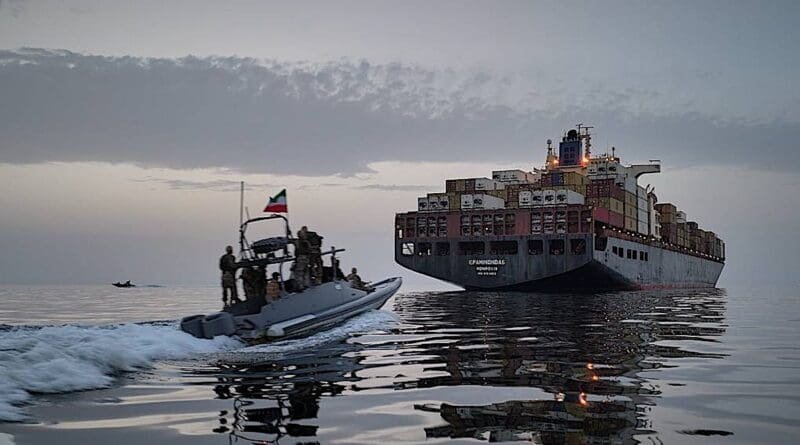
Building Beyond the Iran Strait of Hormuz
And while the world can diversify away from the Strait of Hormuz, Iran has no real alternative—especially if US President Donald Trump maintains the blockade on Iranian oil exports.
Every barrel produced somewhere else, every pipeline constructed around Hormuz, every strategic stockpile expanded, and every unit of oil demand displaced represents a small reduction in Tehran’s future coercive power.
That is why the Trump administration does not need to rush to make concessions in negotiations with Tehran. Iran’s leverage over the strait can be diminished; a viable Iranian nuclear-weapons capability cannot.
The energy shock is real. Consumers will pay more for energy and political pressure will mount. It is important that Washington, nonetheless, seize the opportunity this crisis presents to shape the transformation already underway. Working with allies and partners to diversify supply, build around vulnerable chokepoints, and expand American energy production can steadily erode Iran’s economic leverage, increase pressure on Tehran to forgo its nuclear ambitions, and reinforce the United States’ position as a global energy powerhouse.
The goal should not simply be to reopen Hormuz, but rather to construct an energy system in which closing it matters far less.