
On September 15, the U.S., U.K., and Netherlands exposed an Iranian spyware campaign targeting dissidents. Tehran launched Alaj, a crowdsourced platform for reporting Iranians abroad, enabling transnational repression, kidnapping, and assassination plots.
The exposure of an Iranian spyware campaign targeting dissidents across the United States, United Kingdom, and Netherlands has revealed how Tehran converts stolen personal data into operational hit lists. Iran Transnational Repression now operates through a dual architecture: digital surveillance that maps diaspora networks, and physical violence outsourced to criminal syndicates willing to kidnap or assassinate critics. The Alaj platform, launched a day before the September 15 advisory, crowdsources accusations against Iranians abroad and seeks to impose legal, financial, and citizenship penalties on them.
This expansion reflects Tehran’s assessment that the diaspora is not a peripheral audience but a strategic threat capable of smuggling connectivity tools, financing Starlink terminals, and lobbying foreign governments. Demonstrations in Toronto and Munich, along with the MAHSA Act and Iran’s removal from the UN Commission on the Status of Women, demonstrate the diaspora’s political weight. Iran Transnational Repression therefore treats data as a weapon: every tip, photograph, or location becomes a coordinate for intimidation or elimination. Washington and its allies must disrupt this surveillance network, prosecute undeclared foreign-agent activity, and pressure platforms hosting Alaj to suspend violating accounts. The campaign will persist as long as Tehran believes digital collection can produce physical results.
Iran Transnational Repression Expands Globally
The United States, the United Kingdom, and the Netherlands have exposed an Iranian regime spyware campaign targeting Iranian dissidents around the world. In a September 15 advisory, they warned that Tehran uses the stolen information to track critics as part of a transnational repression campaign that has included kidnapping and assassination plots.
Alaj Crowdsources Tips Against Dissidents
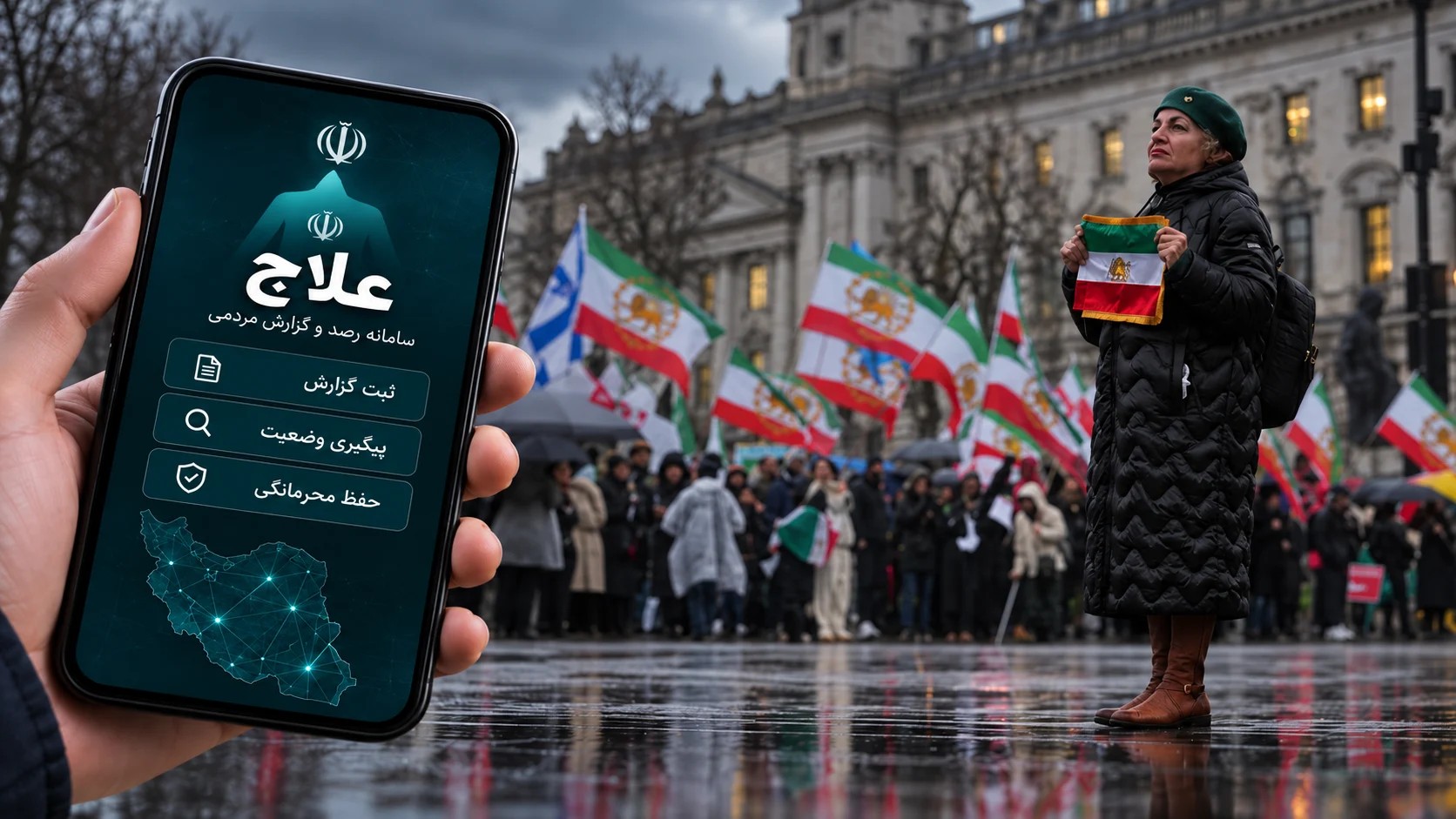
A day earlier, Tehran unveiled Alaj, a crowdsourced intelligence platform that asks users to report Iranians abroad it labels “traitors” and seeks to impose legal, financial, media, and citizenship restrictions on them.
Alaj takes a model Tehran has long used against protesters at home and applies it to the diaspora, drawing on public tips to build dossiers and map opposition networks overseas. It is part of a wider effort to use digital tools to gather intelligence for physical repression, including intimidation, abduction, and assassination. Driving that expansion is Tehran’s view of the Iranian diaspora not as detached from the anti-regime movement but as a potent force in weakening the Islamic Republic.
The Regime’s Transnational Repression Spans Continents
Tehran often outsources assassination plots of dissidents to organized crime networks, including Sweden’s Foxtrot and Rumba gangs, America’s Hells Angels, and Eastern European syndicates, and has also attempted to recruit a Mexican drug cartel for an assassination on U.S. soil.
In May 2026, an Iran-linked operative sought to recruit an assassin to murder a Persian-language journalist in London. A year earlier, Belgian authorities warned an Iranian-born lawmaker that Tehran sought to abduct her and return her to Iran. Also in 2025, U.S. prosecutors convicted two men of plotting to assassinate Iranian-American journalist Masih Alinejad in New York. In Australia, the regime’s embassy staff surveil and threaten dissidents. Several years earlier, Iran lured and abducted dissidents from Iraq and the United Arab Emirates.
The Diaspora Builds Pressure Abroad and Capacity Inside Iran
During internet shutdowns, Iranians abroad have turned their own devices into proxy connections that route users inside Iran to the open internet. They have financed projects to smuggle Starlink terminals into the country and distributed censorship circumvention tools. U.S.-funded civil-society programs employ dissidents outside of Iran to provide capacity-building training to activists inside. Persian-language media based outside Iran also feed fact-based reporting back into the country through satellite broadcasts, shortwave radio, and digital media, breaking Tehran’s information monopoly.
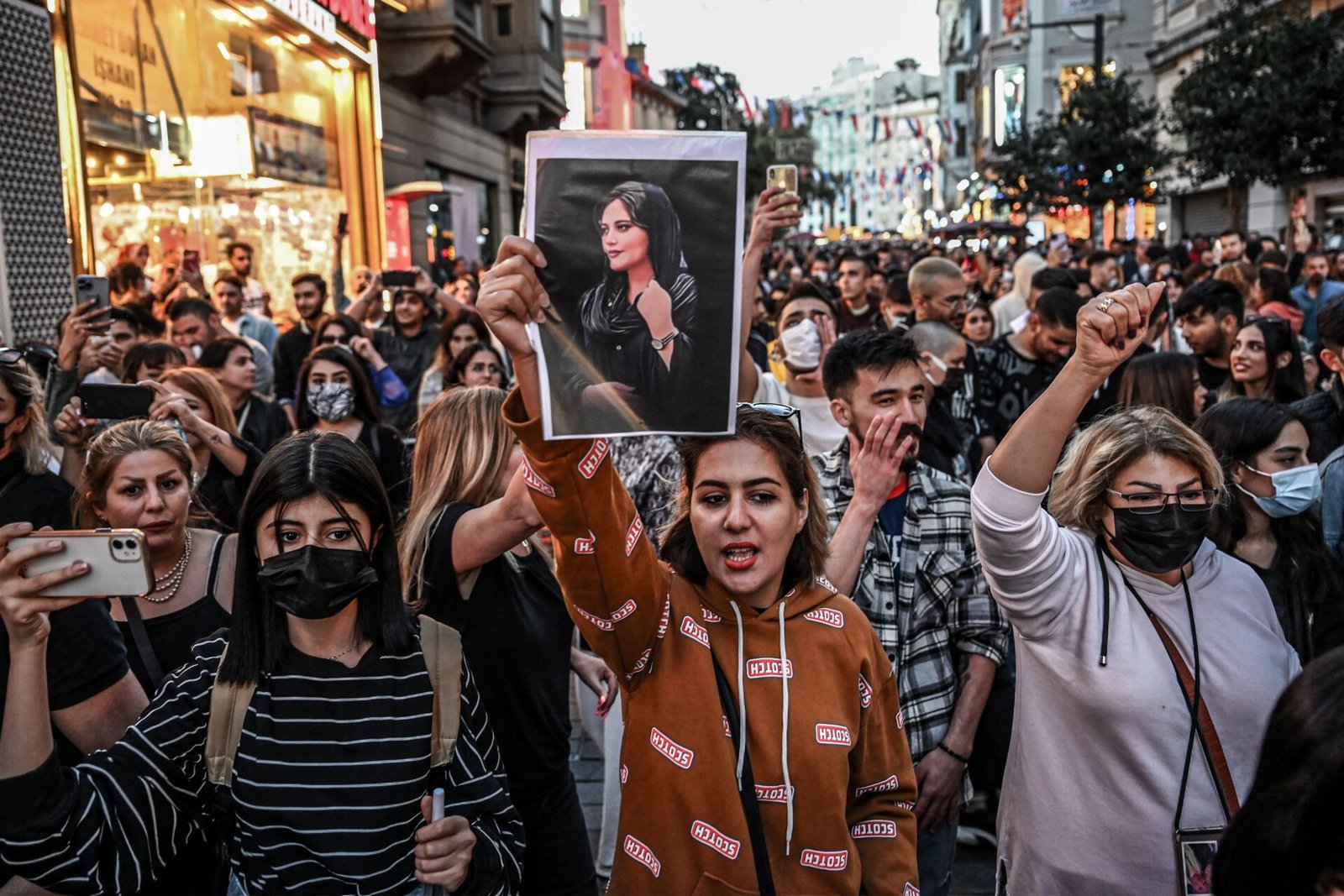
Diaspora demonstrations against the regime drew about 350,000 people in Toronto and 250,000 in Munich in February 2026, part of a global day of action that mobilized more than 1 million people and drew international attention to the January massacre of protesters across Iran. Iranian-American lobbying helped advance the MAHSA Act through Congress, which mandated sanctions against regime leaders. Iranian-Americans also backed Iran’s December 2022 removal from the UN Commission on the Status of Women over its repression of women and protesters.
Most of Iran’s Diaspora Has Lived Through Regime Repression
The Iranian-born population abroad rose from roughly 480,000 before the Islamic Revolution to 830,000 in 1979 and 3.1 million by 2019. Emigration accelerated after successive waves of unrest and repression, including the 2009 Green Movement, the November 2019 uprising, and the 2022 protests, while growing numbers of skilled professionals also left the country.
Iran Transnational Repression Meets Legal Pushback
The United States should treat Alaj like previous Iranian surveillance operations on U.S. soil, which the Justice Department has prosecuted as both undeclared foreign-agent activity and the provision of services prohibited under U.S. sanctions on Iran. In 2019, prosecutors charged two men under both frameworks after they photographed and identified Iranian dissidents in the United States for Tehran.
Washington should also provide Telegram and other platforms hosting Alaj with evidence of its activities and urge them to suspend accounts that violate their terms of service.