
Iran-Backed Proxies have inverted Israel’s counter-proxy strategy, attacking U.S. Arab partners to demonstrate that American security guarantees invite retaliation, while Saudi realignment fails to deter further escalation and force Washington into a lose-lose choice.
Iran-Backed Proxies have shifted from regional spoilers to instruments for reversing the logic of proxy warfare itself. After Israel degraded Hamas, Hezbollah, and the Assad regime, Tehran absorbed the lesson that a ring of fire can be dismantled piece by piece. Now it applies that insight against Washington, directing its allies to attack Arab states hosting American forces rather than Israel alone.
The Houthi seizure of Bab el-Mandeb and coordinated strikes by Iraqi militias against Kurdish groups and Saudi infrastructure reveal a deliberate campaign to show that U.S. security guarantees invite retaliation. This strategy pressures Riyadh, Baghdad, and Amman to reconsider their alignment, while weakened but persistent Iran-Backed Proxies exploit every opening left by American restraint.
The Saudi attempt to build an Islamic alliance with Pakistan and Turkey failed to deter further attacks, exposing the limits of alternatives to American power. A coordinated response involving the United States, Israel, Saudi Arabia, and the UAE is the only plausible means to extinguish this reconstituted threat. Without such cooperation, Iran will continue to profit from fragmentation, and the region’s critical waterways will remain hostage to a conflict no single state can contain.
Iran-Backed Proxies Export Hormuz Playbook
Iran appears to be exporting its Strait of Hormuz playbook to the Red Sea. The Houthis’ sudden seizure of the Bab el-Mandeb Strait has weaponized a strategic choke point to inflict economic pain, but Tehran is pursuing a more ambitious strategy: turning Israel’s playbook — developed after the Oct. 7, 2023, attacks — against America.
As Israel systematically dismantled Iran’s network of proxies across the Middle East, Iran has turned to targeting the Arab allies that underpin U.S. power in the region.
On Oct. 7, 2023, Israel found itself surrounded by an Iranian ring of fire — attacked by Hamas but facing Iranian-armed terrorist armies on seven fronts. Though it realized that it could be safe only if it dealt with the arsonist in chief — Iran itself — it first had to douse the closest flames.
It was the successful degradation, if not elimination, of Iran-backed proxies — Hamas, Hezbollah and the Assad regime — that cleared the way to Tehran. With those groups diminished, Israel no longer had to fear that they would unleash their fury in defense of their Iranian patron.
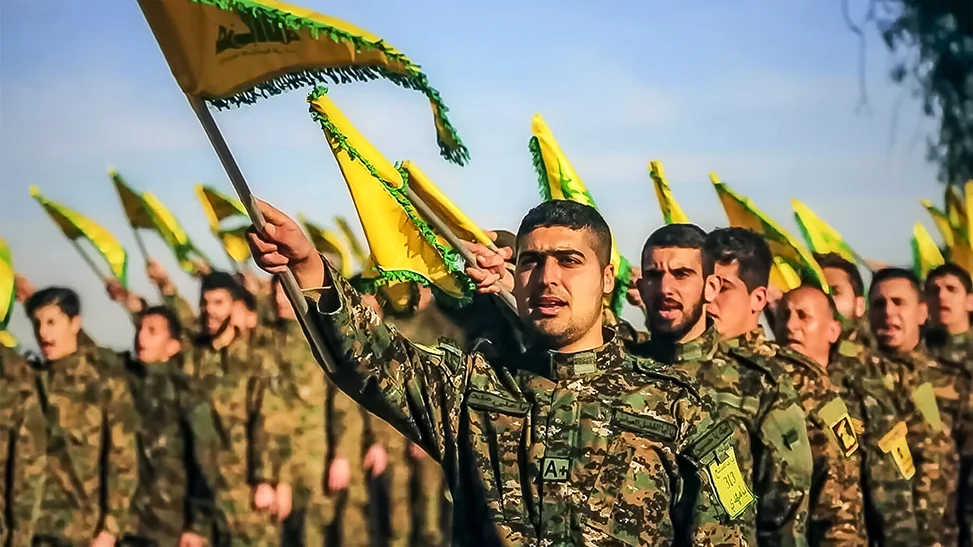
Houthis Rejoin Iran’s Offensive
Tehran has clearly internalized the lessons from Israel’s dismantling of its ring of fire. It is now deploying them against the United States. The recent Houthi offensive represents a double reversal of the Israeli strategy.
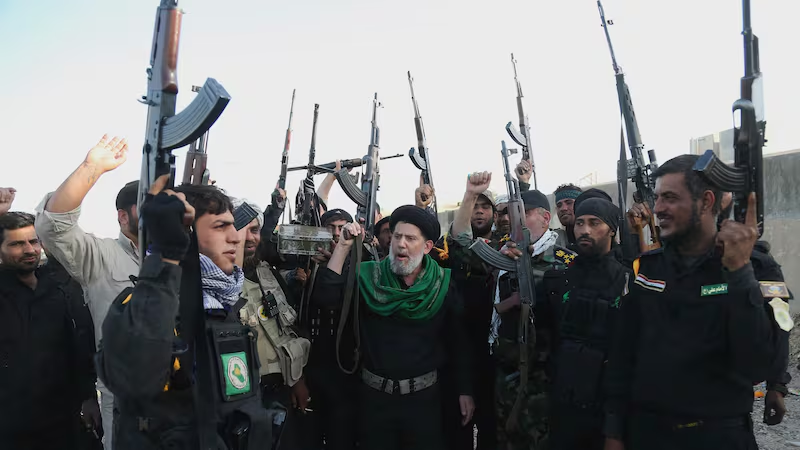
First, the Houthi offensive demonstrates that Iran’s terrorist pawns have not been completely swept off the Middle East’s chessboard. After sitting out several weeks of intense regional fighting, the Houthis have rejoined Iran’s offensive. Worse, they have been acting in coordination with Iran-backed Shiite militias in Iraq, which have bombarded Kurdish groups and targeted Saudi oil infrastructure.
Both of these proxies have survived efforts to sideline them. The U.S. and Israel pummeled the Houthis. Iraq’s new government has demanded that the militias disarm and attempted to arrest a high-ranking official, but neither effort has succeeded.
The ring of fire might have shrunk, but it has not been extinguished.
Tehran Targets America’s Arab Partners
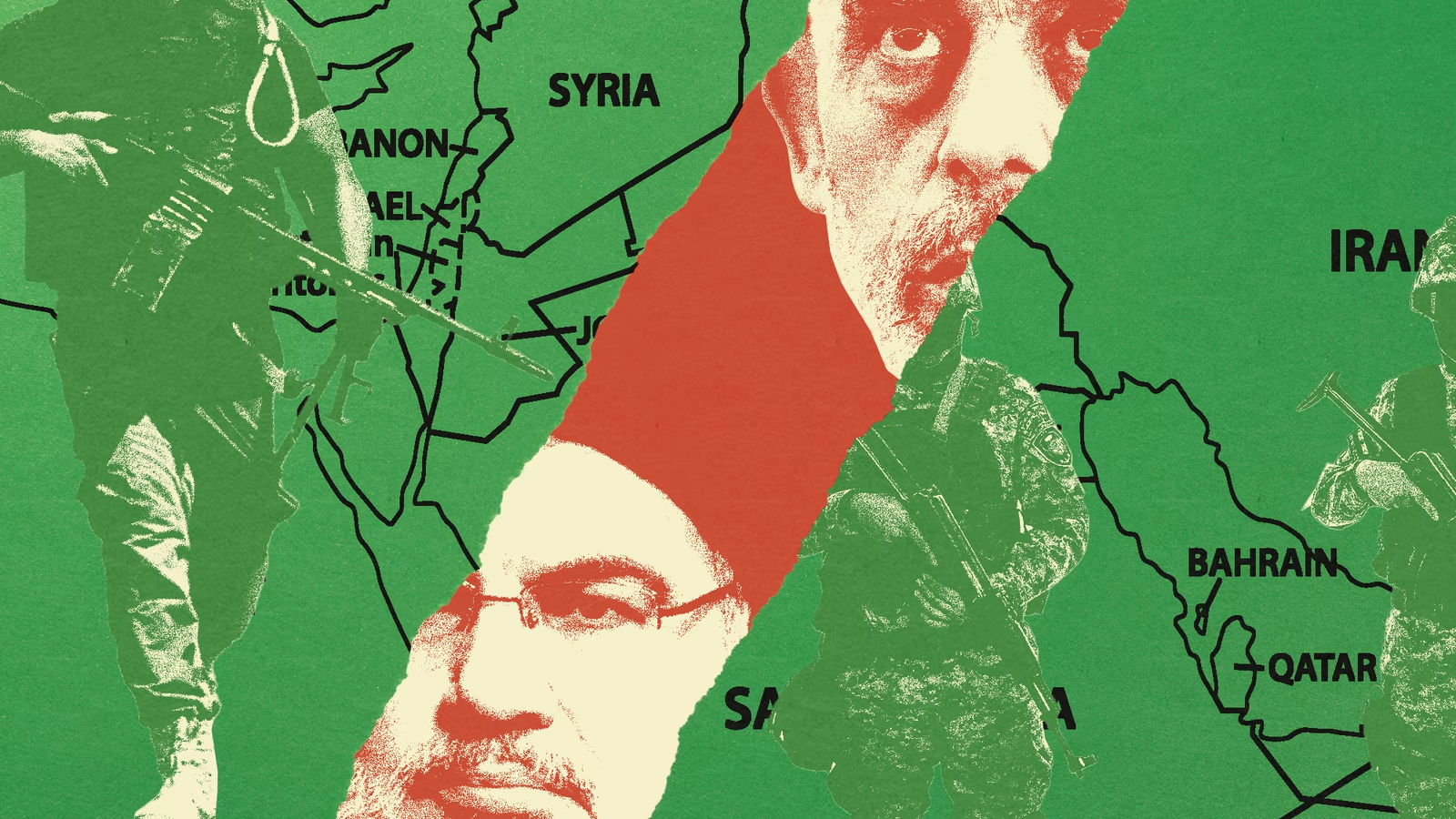
More ominously, Iran has adopted Israel’s anti-proxy strategy. It is now fighting what it sees as an American ring of fire encircling Iran, not with terrorist groups, but with partner states. The closest to Tehran are the Arab states hosting U.S. forces.
Now, Tehran appears to be pursuing a calculated strategy to pressure those states to expel American troops and abandon their alignment with Washington. Saudi Arabia, Iraq, Jordan, Bahrain and even Egypt have all been targeted by Tehran and its proxies, even as they have avoided striking Israel.
By attacking America’s Arab partners and their infrastructure, Tehran seeks to punitively demonstrate that U.S. security guarantees endanger them. If this is Iran’s strategy, recent attacks are likely a prelude to a broader escalation.
Does Iran’s Strategy Work?
The Houthis are on the march and could seek to control Yemen’s Red Sea coastline and establish a beachhead in the Horn of Africa. Iraq’s militias are growing bolder, perhaps portending a showdown with Baghdad or the Kurdish region, as soon as U.S. forces complete their withdrawal from the country.
This Iranian strategy seems to be working. Never has Tehran been closer to achieving its goal of expelling the U.S. from the Middle East politically and militarily.
Saudi Realignment Fails
In a drastic pivot from its recent pursuits of a U.S. defense treaty and normalization with Israel, Saudi Arabia has instead pursued an Islamic alliance with Pakistan and Turkey to hedge against exclusive reliance on America. Even this attempt at realignment failed.
Iranian proxies attacked the kingdom anyway, while the Saudis’ new allies offered limited initial support, underscoring the limits of the pact.
The Saudis are right that the region needs new security arrangements, but wrong to seek them beyond the United States. The answer is not less American security but more. The U.S. may not be able to commit the military resources needed to keep Bab el-Mandeb open, but it can bring together its partners to provide the security that the region needs.
Iran-Backed Proxies Require Joint Response
This requires doubling down on the Israeli strategy of extinguishing Iran’s ring of fire. This time, however, there must be a coordinated approach, with all of America’s partners fighting the fires together, at once.
Mitigating the threats from Iran, Yemen and Iraq will require cooperation among the U.S., Saudi Arabia, Israel and the United Arab Emirates. The UAE is the only state with a track record of success in ground operations against the Houthis in Yemen.
Israel has a record of successful strikes deep inside Yemen, intelligence penetration of Iranian networks, possible access to bases in Somaliland, across the Gulf of Aden from Yemen, and effective missile defense that it is ready to share with partners.
Iran is trying to reignite its ring of fire and direct it not against Israel this time, but against America’s Arab partners. Only a joint, coordinated response can secure the region’s critical waterways and infrastructure and perhaps finally stamp out the Iranian threat.