

The Israel War Room interview details Israeli intelligence failures before October 7, debates over striking Hezbollah, the pager operation, Nasrallah’s killing, and the June 2025 Iran strikes that convinced Washington to hit Fordow.
The October 7 attacks exposed a contradiction at the heart of Israeli strategy: the same national security establishment that failed to anticipate Hamas’s invasion later executed a sophisticated campaign against Hezbollah and Iran. This Israel War Room account traces how intelligence, military, and political leaders reassessed assumptions, debated priorities, and ultimately shifted from containment to offensive action. The initial failure stemmed less from missing warnings than from analytical rigidity, which dismissed Hamas’s capabilities while treating Hezbollah and Iran as existential threats.
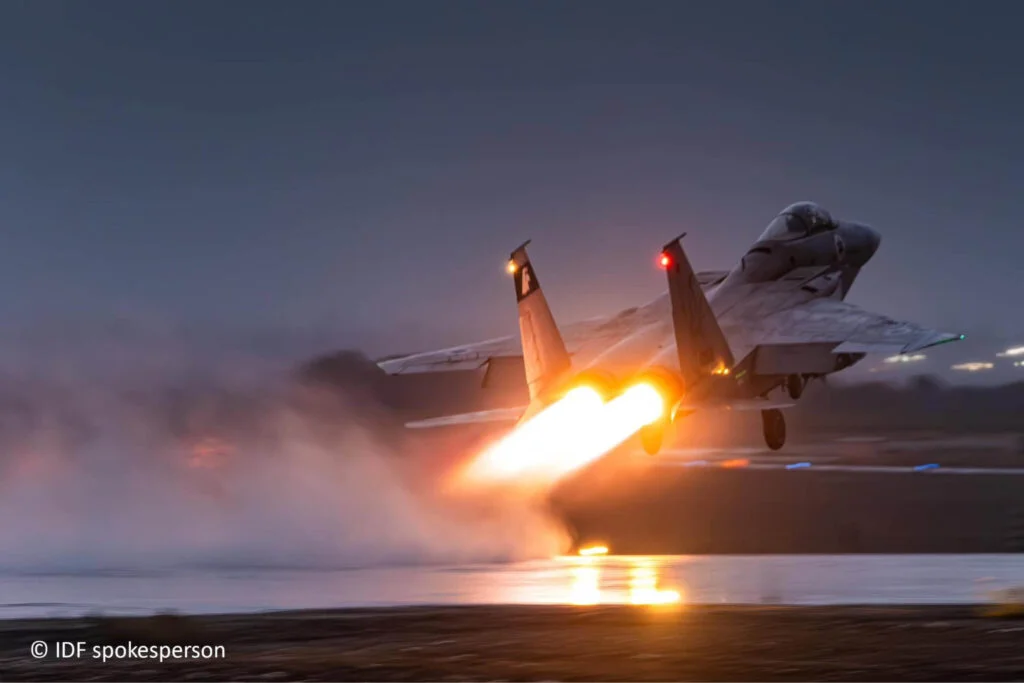
That imbalance left the Gaza border thinly defended and allowed Hamas to inflict catastrophic damage. In the aftermath, leaders argued over whether to strike Hezbollah first, how closely to consult Washington, and when to authorize increasingly risky operations. The Israel War Room became an arena of rival assessments, where caution and aggression collided under intense pressure. Success in Gaza, the pager operation against Hezbollah, and the killing of Hassan Nasrallah gradually altered the strategic picture. Israel then demonstrated the ability to strike Iran’s air defenses and nuclear infrastructure, convincing Washington to join the Fordow operation. The interviews reveal how personal trust, intelligence penetration, and battlefield results shaped decisions that degraded the Iranian axis and reshaped regional deterrence.
Inside Israel War Room After October 7
Elliot Kaufman and Yonah Jeremy Bob are the co-authors of the new book, In the War Room: The Inside Story of Israel’s Fight Against Hamas and the Iranian Axis – an inside account of the decisions, debates, and personalities that shaped Israel’s multi-front war, from October 7 to Hezbollah and ultimately Iran.
Elliot Kaufman is an editorial writer and member of The Wall Street Journal’s editorial board, where he focuses on Israel and Iran and has covered the war since October 7.
Yonah Jeremy Bob is the senior military analyst at The Jerusalem Post and the author of several books, including Target Tehran.
Their reporting draws on extensive access to senior military, intelligence, and political officials.
Transcript
DUBOWITZ: Welcome back to The Iran Breakdown. I’m your host, Mark Dubowitz. Today, I’m thrilled to be joined by Elliot Kaufman and Yonah Jeremy Bob, co-authors of the new book In the War Room: The Inside Story of Israel’s Fight Against Hamas and the Iranian Axis. It’s a gripping inside account of the decisions and debates and personalities that shaped Israel’s multi-front war from October 7th to Hezbollah and ultimately to the Islamic Republic of Iran.
Elliot is an editorial writer and member of The Wall Street Journal’s editorial board where he focuses on Israel and Iran, has covered the war since October 7th. And Yonah is the senior military analyst of The Jerusalem Post and the author of several books, including Target Tehran. His reporting draws on extensive access to senior Israeli military intelligence and political officials, as does the current book with Elliot and Yonah. So together the new book really takes us inside this war room and behind some of the most consequential decisions of the past several years.
So, Elliot, Yonah, welcome to The Iran Breakdown.
BOB: Glad to be here.
KAUFMAN: Thanks for having us.
DUBOWITZ: Yeah, wonderful to have you both. Okay, I want to begin with kind of October the 7th. And really, as I was reading the book was what I think is the central paradox of the book, which is how does the same Israeli national security establishment that failed so catastrophically against Hamas on October 7th then turn around, get off its knees and execute this extraordinarily sophisticated operation against Hamas, Hezbollah, and Iran? How can both things be true and how could both be coming out of the same security and intelligence establishment? So Yonah, let’s begin with you.
BOB: Yeah, so there are a lot of paradoxes in Israel having lived in Israel now for a while. I’ve gotten used to paradox, but this one is one of the most powerful and it was really a pleasure to explain it in the book. The short version is Israel spent 20 years building a brilliant intelligence and military system for just hammering Hezbollah, hammering Iran, penetrating them left, right, all over the place. You mentioned my Target Tehran book.
That was a dress rehearsal of dozens of agents penetrating Iran. In June 2025, hundreds of Mossad agents were penetrating Iran. So basically they took Iran and Hezbollah very seriously and they didn’t take Hamas seriously. Israel has half a million soldiers in its army when you add in the reservists and they had 600 on the border on October 7th. If they had had 2,000 or 3,000, that probably would’ve been enough out of the half a million to stop the invasion or limit the invasion’s effects.
So that’s the short version. I give the metaphor, I’m a big basketball fan. You take March Madness with college basketball. How does a 15 or a 16 seed who nobody’s ever heard of in some tiny little town beat the number one or number two seeds with people who are going into the NBA to become professional stars because they didn’t take them seriously.
Now, obviously if they play nine or 10 rounds, the better team is going to win. So when Israel starts to take Hamas seriously after a few weeks, they’re going to cream Hamas and they do. But because they took them so not seriously, Hamas was able to roll over them in the early hours of the war. But again, Hezbollah and Iran, they were so prepared. People know about the exploding beepers. Those were plan B. There were the walkie-talkies where plan A had been around for 10 years before.
So Israel was prepared for Iran and Hezbollah. They were not prepared for Hamas.
DUBOWITZ: Okay. Elliot, I want to go to you. First of all, Yonah lost me on college basketball. You and I grew up in Canada, so I was thinking maybe a hockey analogy would be more appropriate and maybe you could integrate hockey into your answer, but perhaps also answer that question. And then also, I mean, October 7th, we talked about Yonah’s talking about Israel preparing for Hezbollah and Iran, but was October 7th a military intelligence collection failure or was it really a failure of analysis, of assumptions and ultimately of leadership?
KAUFMAN: Mark, all you need is a hot goalie in the playoffs and you can do anything. Okay? So there you have it on hockey from a fellow Canadian. When it comes to October 7th, the failures are so many and they are everywhere. So it’s very hard to pick just one at every stage in the process. Of course, nowadays what people want to talk about are these stories about individual warnings. Did this person hear that maybe Hamas was planning something, was up to something? The truth is the warnings were all over.
The analysis of the warnings was what was lacking. And so the Shin Bet, Israel’s super FBI equivalent had heard, Israeli border watchers had seen and reported. Intelligence analysts, even on the very day of October 7th, saw Hamas activating Israeli SIM cards for phones to be used in Israel. And yet at every stage in the process, the analysis of what these facts meant was way off.
So Hamas is staging drills of an invasion. It’s for propaganda purpose. They could never actually do it. The SIM cards, well, we’ve seen that in the past and it ended up being nothing. It was just some sort of drill rather than thinking it was a drill preparing for this, the real thing. And even as Israel comes to realize on the day of October 7th itself, something is happening, this isn’t a drill, this isn’t a fake, the key officials and their subordinates still can’t bring themselves to think that this could be a mass invasion. What they think instead is, okay, it’ll be a small localized penetration into Israel.
They’ll try to sneak some people through, maybe attack one village near the border. So let’s send some of our highly specialized squads of 20 guys over there to take care of this when if they could wrap their heads around what was happening, they would’ve sent an entire division over there to handle this.
So the failures were everywhere. The blame goes all around. What I say is the buck stops with the prime minister. What he would say is if the military took this more seriously, if the intelligence took this more seriously, that’s all true. The failure was everywhere on that day and on the months leading up to it.
Gallant Wanted Hezbollah First
DUBOWITZ: So we’re in the middle in Israel of a very heightened and sensitive political campaign, so we certainly don’t want to get into politics. My own view is if Prime Minister Netanyahu wants to take credit for all the extraordinary things the IDF and Mossad have done since October 7th, then he also bears responsibility as prime minister and leader to accept responsibility for the mistakes that were made on October 7th.
But I think that’s what leadership is about. Take the credit, but take the blame. If you don’t want to take the credit, then you don’t have to accept the blame, but you don’t get to take the credit and deny the blame in my view. I think the question of the actual war room, so I want to go to that next. So immediately after October 7th, then Defense Minister Yoav Gallant and others wanted Israel to consider hitting Hezbollah first.
Talk a little bit about what their strategic logic was and why ultimately the Prime Minister Netanyahu say no.
BOB: Right. So there’s a lot of factors here, but sort of zooming in on I think the most key factors, basically after Hamas has successfully invaded Israel, and they’re the weakest party, right? They’re part of the Iranian proxy axis. You have Iran, Hezbollah, probably the Houthis. Hamas is the bottom. Syrian militias maybe even more threatening than Hamas. So Hamas can beat Israel. So they’re thinking, okay, everybody is going to think it’s open season on Israel.
They’re actually going to think that they can physically destroy Israel, not just make a speech about wiping Israel off the map someday, but let’s do it now. And so they want to send a message, not only did Hamas get lucky and it’s never going to happen again, but we can cream your most powerful proxy, right? Hezbollah has 150,000 rockets.
Hamas, 15,000 rockets, 150,000, 15,000. So if they can take out the big Iranian proxy upfront in a matter of days or week and a half, which is what they do a year later, and remember, we don’t know until a year later, but they know that they have these walkie-talkies and some of the beepers, there’s a whole debate, how many beepers, when did they have more, when did they have less, but they have these tricks up their sleeve that they can use.
And so they say, if we take out Hezbollah, it will stun everybody. The whole narrative in a matter of days and a week will shift from Israel can be destroyed to, oh my God, the lion woke up. What were we thinking that we invaded Israel? Nobody should ever do this again because Israel is too dangerous.
They even though it was possible that maybe Hamas would cut better terms with them when they saw what Israel could do Hezbollah. Now, Netanyahu has a good case against this. For one, the United States is against it. And later in the war, Netanyahu is ready to challenge the United States, but early on he believes he really needs the United States support.
He doesn’t want to do that. And at the time, everybody thought that Hezbollah could hit Israel with 5,000 to 6,000 rockets a day. When they go for it in 2024, it turns out they never get off more than 300 rockets in any single day, but nobody knows that that’s going to happen.
So no matter how you look at it, it’s a big gamble. If the gamble had worked, it would’ve been brilliant because 80,000 Israelis who were expelled from the north, from sovereign Israeli territory, could have stayed in their homes. And instead, the entire way of life in the north has changed for a year and now for a couple of years. So that maybe could have been avoided, but the risk is maybe it wouldn’t have been as successful in 2024, maybe the US wouldn’t have backed it. Those are questions we don’t know the answer to.
DUBOWITZ: So what are the surprises in your book is that Netanyahu is really presented as one of the more cautious voices certainly early in the war. And what do you think, based on your reporting and Yonah’s reporting, really changed him into a leader willing to authorize these increasingly risky operations against Hezbollah and ultimately Iran? I—
KAUFMAN: Think to understand that caution first, you have to start in the immediate post-October 7th environment. So understand that what Prime Minister Netanyahu has just seen is the IDF fail catastrophically. No matter whose fault it was, that happened. Israeli intelligence fail catastrophically. And then you have just a few days later requests coming to him like, let’s launch a massive Lebanon war because that’s always gone well for Israel doing that.
Let’s roll the dice, take a huge gamble here, trusting the IDF to be at the very top of its game, trusting Israeli intelligence not to have missed anything crucial. And he responds with real caution. And not only when it comes to invading Hezbollah, even when it comes to invading Gaza. And this I think is what people miss, that 20-day gap between Hamas’s October 7th attack and Israel’s October 27th ground invasion of Gaza.
Netanyahu really had to be convinced, not convinced that Hamas needed to be attacked in a serious way, convinced that the IDF was up to it, convinced that he wasn’t sending Israeli soldiers into a death trap because he had the very top American generals sent by President Biden to tell him that that’s exactly what a ground invasion would be.
He even had some alienated former Israeli generals telling him that’s what would happen. And then he looked and he saw there was no plan really, nothing that he could take off the shelf that was ready for a full invasion of Gaza.
The IDF actually had to work on that for a week just to update it for its current force structure to even be usable. And then he wanted to drill the troops, train the troops on the plan, not just send them in. So there were all those factors creating what he saw as a necessary caution and what his war room partners, rivals saw as fear, as straight up fear of what would happen next. What changed, I think, is that he saw the IDF in action. He saw the plan in Northern Gaza succeed. Israel blitzed Northern Gaza far quicker and far more effectively and with far fewer casualties than anybody saw coming.
Most of all, Hamas. And then you have over time this caution receding. It was still there about the late 2023 invasion of Khan Yunis, which is sort of South-Central Gaza. And then onto Rafah, there were other factors in which he delayed, others delayed, Biden pressure certainly, but then to see Israeli forces succeed in Rafah where there was no margin for error. If that invasion had gone wrong, you could have seen a transformation of US-Israeli relations right there before Israel had even accomplished any of its missions in this war. And so to see that is I think what gave him the confidence that Israel could do more on the other fronts.
DUBOWITZ: Let me just stay on that for a second because it gets to my next question. I mean, President Biden began the war arguably as one of Israel’s strongest defenders. And in your reporting, when did that relationship begin to break down and really was Rafah the decisive turning point?
KAUFMAN: Yonah, go for it. I saw you had a word there to get in.
BOB: Yeah, I just wanted to add one point on the Netanyahu thing and then I’ll speak to the Biden question also. People need to remember that there were four Gaza conflicts before this, that Netanyahu managed most of them. And every time he would put in small amounts of special forces into little parts of Gaza, targeted airstrikes.
And so yes, today there’s no question that Netanyahu is the most aggressive member of the war cabinet, the decisive war cabinet and the cabinet that starts the war. But at that time, he had years and years of history of being actually talking very tough and loud, but really being conservative with using power. To your question about Biden, we do report that from the beginning of the war, there’s some pressure from the United States with Elliot already mentioned to go smaller, to not escalate too much. That’s from the beginning.
But at the beginning, Biden visits Israel in the middle of the war on October 18th with rockets flying overhead, and that is a tremendous honor from Israel that Biden did that. And he’s supporting Israel mostly for several months vetoing UN Security Council resolutions.
This starts to shift, and I do think Rafah is the tipping point where he thinks that because he supported Israel for six, seven months, that Israel won’t invade or will do a much, much smaller invasion than it does. And when Israel doesn’t, and he believes that it’s going to blow up, that tens of thousands of Gazan civilians are going to die all at once, which doesn’t happen. There is a problem of what happens slowly over time afterwards. But in that time, the invasion is super successful. Almost no Gazans die in the actual major initial invasion of Rafah. But he thinks it’s going to happen, and I think that breaks things.
He goes public, partial weapons embargo, you can call partial, but it ripples across the entire defense relationship. And I think when people look back on the current votes of Democrats against selling weapons to Israel, I think that is the changeover point. When you have Biden, the most supportive for Israel from the Democratic Party shifting on that issue, I think it shifts everything.
Washington Veto Fears and Nasrallah
DUBOWITZ: And Elliot, let me ask you, as the war progressed, did Israeli leaders conclude that consulting Washington would effectively give the United States a veto over Israeli military action? Was that a fear they had? Did they stop consultations because of that? What’s sort of your assessment of how things transpired after Rafa?
KAUFMAN: One thing I heard from the Israeli prime minister’s office is that America’s objective in this war was to deescalate. Israel’s objective is to win the war. Another thing I heard is that this administration never supports anything until we do it. And that is a direct quote that I think came to reflect the evolving Israeli attitude and especially Netanyahu’s attitude toward these questions of relations with the US. From the start, there was a concern that asking America was asking for a veto. What changed was who would make that argument?
And so you had Yoav Gallant at the start protesting to Netanyahu that when he and his right-hand man, Ron Dermer, asked President Biden about an initial large invasion of Lebanon that they were asking for a veto. And by the way, I think Gallant is exactly right about that. They wanted that veto from the US because Netanyahu did not support that strike at the time.
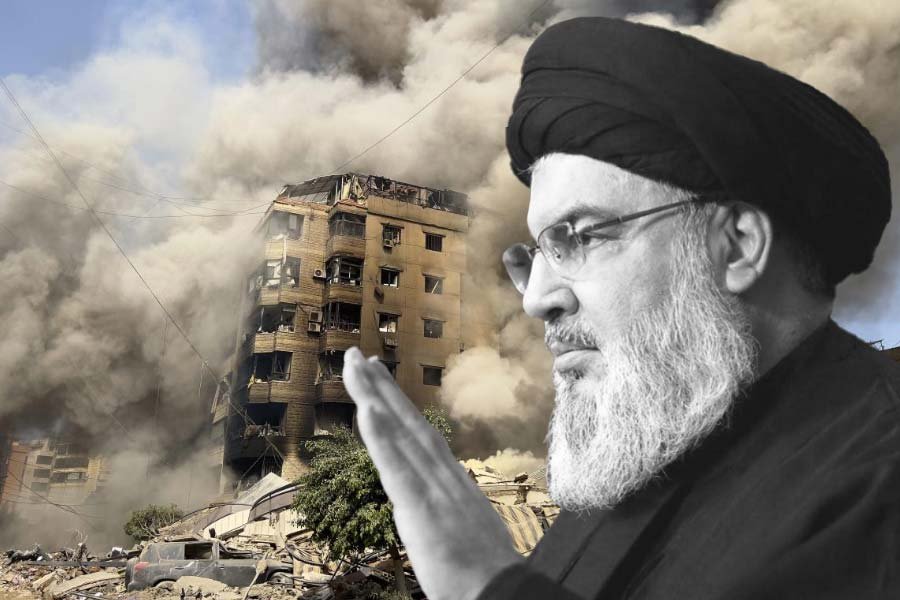
Later on In the War Room, we see this question arise when it came to taking out Hassan Nasrallah, Hezbollah’s leader.
IDF Chief Herzi Halevi, Defense Minister Yoav Gallant think that it is probably necessary to inform the US in advance. And they have different reasons. Some think that the Biden administration will want to help with the targeting because Nasrallah has so much American blood on his hands. Others think you just can’t risk that kind of rupture with the US by doing something so major without telling them.
And still the argument that Israel will need American help on air defense once Iran responds to an Israeli strike on Nasrallah. So these are all fair reasons, but in the end, Netanyahu says In the War Room, and I quote, “140%, they will not approve.”
He says, “The Biden administration officials will jump out of their skin when they hear that we are going to do this.” And on that point, I think he was right because after the strike happens with very little notice, only once planes were in the air, very little notice given to the American side, Yoav Gallant hears it directly from Defense Secretary Lloyd Austin, who is not happy, who rages with him on the phone over this strike.
The Biden administration at every point, I would argue, including at the very start of the war, but certainly ramping up, was advising Israel to tone it down, do less, and ultimately accommodate yourself to even more and to an even worse situation. And Israel increasingly had to say no.
DUBOWITZ: So let’s talk more about Hezbollah as kind of the turning point. I mean, take us inside this walkie-talkie and pager operation or operations. How long had Israel possessed those capabilities and why did Israeli leaders decide that this was the moment to finally use them?
BOB: So the walkie-talkies go back to around the 2014 period when Tamir Pardo is the Mossad director. Some people would put the back even to the period of Meir Dagan because some similar kinds of sabotage were being used in Iran, but specifically Hezbollah, I’d say around 2014.
By 2019, there’s a push to add to the walkie-talkies. There’s an understanding in the Mossad that if Hezbollah has its soldiers on the border with their vests and the vests have the walkie-talkies in them, it will be incredibly effective and actually could have killed maybe five times as many Hezbollah fighters, terrorists, whatever you want to call them as the beepers do. But there’s an understanding that if they’re not sitting on the border, then the vests are sitting in storage and they won’t do anything. They’ll just blow up an empty barracks. And the beepers, the idea is they’re going to be with Hezbollah operatives all the time.
And so they start a campaign then. By 2023, they already have, I think it was something like 500 beepers in the hands of Hezbollah, and that gets up to some thousands by the time they activate it in fall 2024. Now, why do they finally go for it in fall 2024? So first of all, all of Hamas’s 24 battalions are beaten, right? There were about 20 that had been beaten before the invasion of Rafah in May, June 2024.
And by July, August, those last four battalions of Hamas and Rafah are beaten too. What do I mean by beaten? Because Hamas is still here three years later, a very reduced Hamas, right? Hamas was a national military. Each of those battalions had intelligence, communication, surveillance, special teams. They don’t have that now. They’re a ragtag guerrilla terror group, still a threat of some sort, but nowhere near compared to the threat that they were at the time.
So that is sort of basically done with, and they say, “Okay, now we can make Hezbollah Lebanon the main front. And if we’re going to do it the main front, we want to lead with the beepers and the walkie-talkies.” There’s also some talk, and this is a debate already not between politicians, this is between the Mossad and the IDF. Was Iran about to figure out the beepers?
Because at the point in time they were looking at beepers. The IDF will tell you, “Oh, the Mossad was rushing us. We could have waited a few more weeks and it might’ve even been more effective than what it was.” But because the Mossad was worried that Iran was going to figure out the beepers, we needed to go then. The Mossad will say, “What are you talking about?” There were many times that somebody was almost close to it.
There was even a Hezbollah guy that the Mossad, let’s say, may disappear. And it wasn’t that Iran had it, but the fact that there was an increased risk was brought to the attention of Netanyahu, and Netanyahu said, “I don’t want to take any risk. Let’s do it now when we know for sure it’ll work.”
Iran’s Ring of Fire Crumbles
DUBOWITZ: So Elliot, it certainly seems that the killing of Nasrallah, the beeper, walkie-talkie operation, obviously the destruction of more of Hezbollah’s leadership, the degradation of their missile capability, it seems to me that would be the moment where that strategic initiative seems to shift decisively from Iran and its proxies to Israel. First of all, would you agree with that? And then second, if you believe that’s the case and that the Iranian strategy begins to unravel at that point, did October 7th ultimately destroy Iran’s model, this ring of fire model to surround Israel with proxies while keeping that Iranian homeland insulated? I—
KAUFMAN: Do agree with you that the tide turned when Israel really took the fight to Hezbollah. And what that shows, I think, is just how long it took, because we’re talking about September 2024. The war started October 2023. So that was a tough first year, in other words. But where I would pinpoint it is to not even the beepers and not even when Israel took out Nasrallah, but sort of in between when Israel took out Hezbollah’s missile arsenal.
And you have one day on which the bulk of this happens, when Israel strikes some 1,300 targets in Lebanon in one day, which is simply extraordinary. And Hezbollah, as a consequence, as Yonah previously said, isn’t really able to get off much of a reply at all. And so when Israel is doing these heavy, heavy blows, and we’ve all been hearing for years, a decade or more that if this war happens, Hezbollah is going to topple towers in Tel Aviv, is going to devastate Haifa, is going to knock out part of Ben Gurion Airport, part of Israel’s electric grid, the whole north crushed.
That all could have happened. That wasn’t wrong, but it didn’t happen precisely because Israel was able to preempt it by so effectively striking house to house where these missiles were being hidden and where these missile teams were. And they had a whole series of very effective ways. Prime Minister Netanyahu was telling me how Israel actually took over Lebanese television at a certain point to get Lebanese civilians to evacuate from those homes in Southern Lebanon so the missiles within could be more easily struck.
So that right there is where I would pinpoint it precisely because as Israeli officials love to say, Hezbollah was Iran’s insurance option and more specifically the insurance policy for Iran’s nuclear program. That is, if Israel ever wanted to take the immense risk of attacking Iran’s nuclear program, of attacking Iran in any way, it would always have to worry about being overwhelmed, not just by Iranian ballistic missiles, which as we saw are no joke, but by 6,000 or 8,000 Hezbollah missiles on day one.
That threat was looming over Israel and over its action with regard to Iran every single day until it suddenly wasn’t. And so removing that helped change the entire strategic picture for Israel. And what I would say to your question about how does this look for Iranian strategy? Everyone loves to analyze this war. Did it succeed? Did it not? From Israel’s vantage point.
But I think you’re right to say, let’s look at it from the Iranian regime’s vantage point here at what Yahya Sinwar of Hamas set in motion on October 7th, what actually happened. And you run down the list and you see Hamas, Israel isn’t fully satisfied, but Iran cannot be happy seeing Hamas having lost more than half of its territory smashed. Hezbollah is no longer that existential threat looming over Israel. Those multi-decade, multi-billion dollar Iranian investments there went down the drain. And then because Hezbollah was knocked out of the fight, Iran lost its critical supply hub for the entire Iranian axis.
That was Syria’s Assad regime, which crumbled almost right after Hezbollah was knocked out of the fight. We can get to what happened with Iran itself, but that proxy strategy, that ring of fire that was supposed to engulf Israel all at once and destroy it, not just weaken it diplomatically, hurt it with PR, but actually destroy Israel, that didn’t happen. That strategy crumbled.
DUBOWITZ: Were you guys able to nail down the truth about Sinwar and whether Iran directed Sinwar to launch October 7th, or did Iran essentially establish a battle plan for a multi-front invasion, armed trade, finance, Hamas, Hezbollah, various proxies to attack Israel in a coordinated way? And that really was Sinwar who jumped the gun without Iranian permission, launched October 7th and then led to this kind of domino effect where the Israeli response started to severely degrade these terror proxies, douse the ring of fire, and then ultimately lead to severe attacks against the Iranian homeland.
BOB: So it’s more the second version. I would say but for Iranian financial support, training, logistical support, Hamas could not have managed an October 7th style invasion. And I can tell you that in February 2023, myself and a small number of journalists were given a briefing by top Israeli defense officials that Iran has declared this year, 2023, the year when it wants each of its proxies to push the envelope apart or provoke Israel more, take bigger risks. But nobody was saying invade on October 7th.
And it’s one of the reasons that Hezbollah was caught by surprise. There was some hints going on between Sinwar and Nasrallah that something could be happening, but Hezbollah doesn’t jump in. If Hezbollah jumps in on October 7th, they take over large parts of the north. I was in Lebanon, I went into the homes, I saw how many weapons they had in their villages on the border.
They could have done worse to the north than what Hamas did. They weren’t ready for it. So anybody who wants to say, “Oh, Iran doesn’t have responsibility for this,” nonsense. Iran made Hamas the threat that could be able to do it. But anybody who says, “Oh, Iran gave the order for October 7th,” also not true. Yahya Sinwar was an independent operator. He was ambitious and he did take things at some point into his own hands and he jumped the gun and the damage that he did to the Iranian proxy access is a big result of that coordination, but not enough coordination.
Striking Iran and Mossad Penetration
DUBOWITZ: So let’s go again to Iran specifically. So Elliot, tell us a little bit about at what point in an Israeli strike in Iran stop being a sort of theoretical contingency plan and become an actual operational decision to hit the button, get the green light from Israel’s cabinet and allow the Israeli Air Force to strike.
KAUFMAN: Actually, I think Yonah is even better on this one. So Yonah, if you don’t mind, I’ll pass this over.
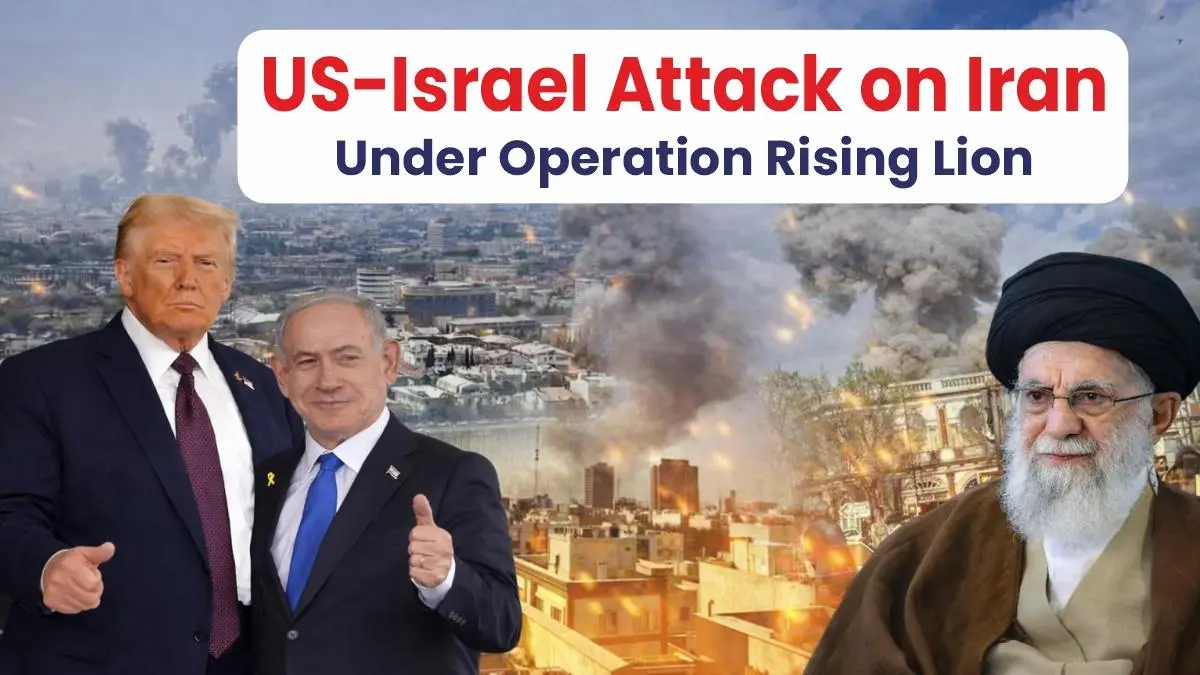
BOB: Sure. Here’s a short version. Up until October 2024, when Israel took out the four remaining Russian S300 anti-aircraft missile systems, these were pretty advanced systems that it took Iran 10 years to get from Russia, and Israel was worried about that these systems could basically shoot down any of its F-15s, F-16s. They though and hoped that they couldn’t shut down the F-35 stealth fighter, and it turned out they couldn’t. So the F – 35s take out all of those systems in October 2024 in response to a second major Iranian attack on Israel.
And I can tell you the difference between what Israeli military officials are answering me, can they pull off an attack on Iran’s nuclear program? Up until that point, I asked them, “Can Israel on its own without the United States take out Iran’s nuclear program?” And they’ll say, “Yeah, we’re pretty sure.” And after they take out the S-300s, they say, yes, absolutely.
There’s no pretty sure, there’s no long-winded answers, just like whatever we want. So that is the very clear turning point. And why do they wait until June 2025? Some of it’s to put the right plan in place. Some of it’s the plan expands.
They decide not just to go after the nuclear program, but also to do a down payment on the ballistic missile program to take… People forget they took out a lot of Iran’s top officials other than the Ayatollah Khomeini in June 2025. So all of that gets added on, but probably they could have done it already, let’s say in March 2025, and they start pushing very, very hard on doing it in November 2024.
DUBOWITZ: Yonah, let me stick with you. After writing Target Tehran, what did even you underestimate about the depth of Israeli intelligence penetration of Iran?
BOB: Yeah, so look, we actually write about a theoretical Israeli attack on Iran’s nuclear weapons program. I think everything that we wrote was correct, and we even got the timing, which was sort of like a guess based on elections, was basically right, but it was way smaller than what they actually did.
And that’s because we were living in a 2023 era when they had these S300 anti-aircraft missile systems, and we thought that in that era, Israel would be very conservative and would only hit the nuclear program things that it had to hit because it’d be very worried about losing squadrons of Israeli aircraft. They didn’t lose a single aircraft.
I mean, it’s mind-blowing. For the beginning of the 12 days, they hadn’t even lost any drones for a certain period of days. So that’s something that nobody could predict. When you try to predict, I’ll say hockey, you expect if you have two great teams together that it’s going to be a close game.
But sometimes somebody just wins 10 to nothing. It happens. So that’s what happened here. Iran was a tough team. They had some really good systems, and Israel just wiped them out in October 2024. And so then when they come to the final, the big game, then it’s stacked. Then Israel can do a lot more, and that’s just something that we could not have foreseen in 2023.
DUBOWITZ: We’ve talked about the overwhelming power of the Israeli Air Force, but Yonah, just talk a little bit about the depth of Israeli intelligence penetration of Iran.
BOB: Sure. So in Target Tehran, my book from a few years ago, we see again, the Mossad penetrates Iran with dozens of agents all in one operation when they take away the secret Iranian nuclear files. There’s one operation we described where there’s one truck using one remote gun killing Iran’s nuclear chief and founder, Mohsen Fakhrizadeh, and there’s one operation where one drone hits one nuclear facility.
And for us, all of that was amazing. We’re like, how does the Mossad get dozens of people in? The big answer to this, by the way, is there’s over eight million Kurds and they don’t just hate the Iranian regime. They see themselves as occupied, and there’s Balukis and there’s millions of Shiites who hate the regime. So when you have a country of 90 million people, you probably have tens of millions of people who hate the regime, that’s a big group of people to be able to recruit from.
I can tell you that sometimes when Iran says it busted Mossad spies, sometimes it’s false and they’re just calling people who they want to kill Mossad spies. Sometimes it’s true, and Israel can just replace them because there’s that many people who hate the regime.
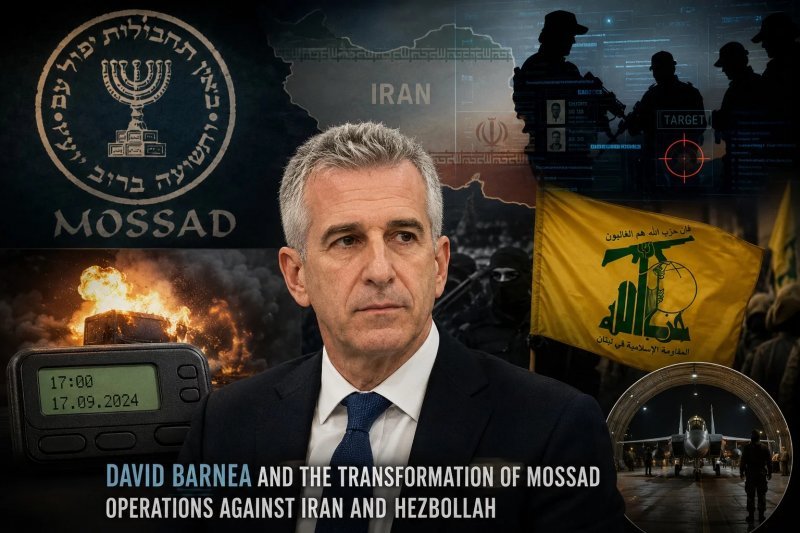
Neither we nor the Iranian regime could imagine that Israel would be ambitious enough and successful enough to recruit literally hundreds of Mossad spies on the ground to send not one, but hundreds of drones. They had a warehouse of drones that’s flying around Iran, blowing things up, not one truck with remote missiles, but several, or I think maybe dozens, I never got the exact number, a large number of trucks with remote weapons shooting all over the place. And the idea that they would be able to execute that volume of penetration, by the way, some of it has to do with AI.
David Barnea, who’s the Mossad chief, every Mossad chief puts their legacy on expanding technology. So he used AI to help the Mossad execute a much larger number of operations all at once. And that’s just something I couldn’t have imagined it, the Iranians could have imagined it, and they paid for it.
Israel War Room Reaches Fordow
DUBOWITZ: And we should definitely give a shout out to Aman, to Israeli military intelligence, which also played a remarkable role along with Mossad in penetrating the Iranian military and security and political establishment. So Elliot, let me shift to Washington, to Trump, to Vance, and to the Fordow facility, which was this, at the time, very deeply buried Iranian nuclear enrichment facility that I think for Israeli decision makers and military planners was always a very hard target.
And there was always a big question about whether Israel on its own could destroy Fordow. When did Israeli leaders begin to believe that President Trump might actually bring the United States directly into an operation against Iran’s nuclear program? And maybe also talk a little bit about your reporting regarding a remarkable interaction involving IDF chief of staff, Eyal Zamir and Vice President J.D. Vance over Fordow. Take us into that conversation.
Sure. What was Israel trying to do? How were they trying to convince Vance and ultimately Trump to do that?
KAUFMAN: So there are a few answers to this question of when did Israel become confident to really start to think that the US could intervene and help finish off Iran’s nuclear program? One answer could be right after Trump is elected, November 2024, in which you have Ron Dermer, Netanyahu’s deputy visiting Mar-a-Lago and coming away from that conversation with President-elect Trump saying there is an 80% chance, that’s 8-0 chance that the US will either allow Israel to strike or join in under President Trump.
But what you’ll notice is it didn’t happen for some time after that. And there were all kinds of people saying Dermer was overconfident, he misread it, Trump told him one thing, but then the next day Trump could have told someone else the other.
And in some ways, that’s right. I mean, the White House, the Trump administration was not on board when Israel first was ready to push forward with this strike on the Iranian nuclear program. There was more of a desire, let talks proceed, see what we can do, let’s not jump into things on that point.
But one could also push that date back even earlier before Trump was elected, in which it was very clear to Prime Minister Netanyahu and to many other Israelis that on every front they could have a better chance of settling things on favorable terms under Trump than under Biden or eventually under Harris. They were well aware of that from even early 2024. And they were thinking, for instance, if Trump wins, can we get this hostage deal even before his inauguration, sort of do something similar to Reagan and Carter with Iran?
I was hearing that months before that hostage deal even happened. And so they really were looking on all fronts what opportunities President Trump would bring. But let’s fast-forward to when this really happens.
Israel secures not a green light from President Trump, but a tacit acceptance. So basically the US won’t stop it and the US will see how it goes when Israel strikes Iran. And you could tell this from public statements even. Secretary of State Marco Rubio came out after Israel’s first strike starting this 12-day war in June 2025.
Marco Rubio says, “We had nothing to do with this. We weren’t involved with it, and don’t strike us in retaliation.” And that was the US messaging at that point. And even at that point, it was not at all guaranteed that the US would join in. The reason the US joined in, the Trump administration finally said, “Okay, we’ll help here in Iran,” is because of Israel’s success in Iran in that 12-day war, which exceeded the wildest expectations of most analysts. I mean, you had Israel owning the skies over Tehran and crucially over Iranian nuclear facilities as well.
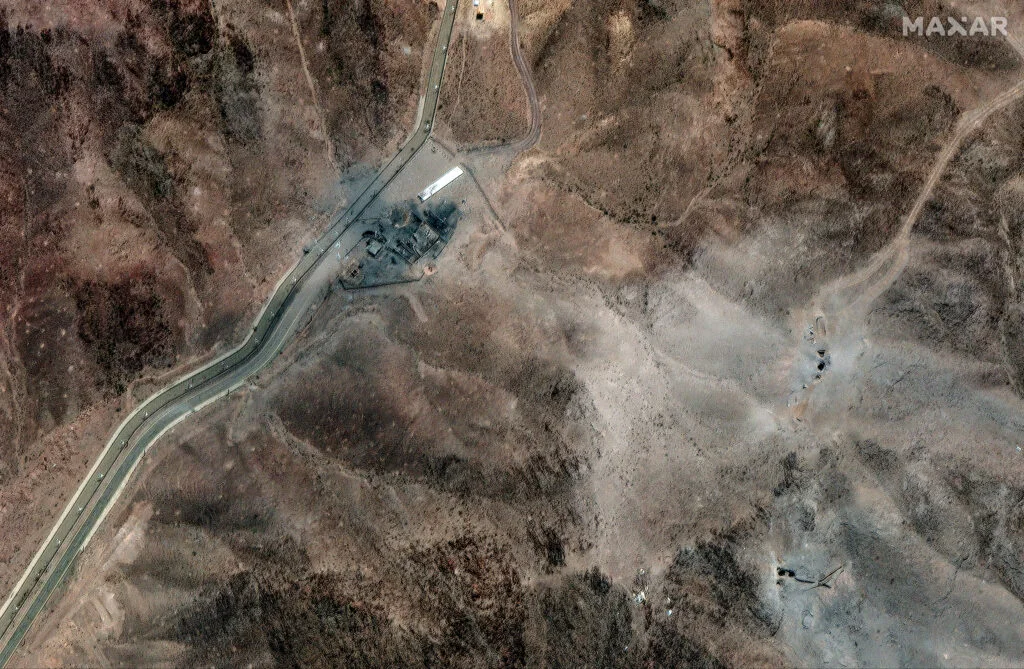
And so when General Zamir, Israel’s new IDF chief of staff, is making his pitch to Vice President JD Vance, what he can tell him is you have a straight shot to the Fordow nuclear facility, which is Iran’s most important and most dangerous nuclear facility where it can break out and actually enrich to weapons grade buried deep underground where Israeli bombs cannot hit.
And so Vice President Vance needed that reassurance, needed to be told that he wasn’t, and President Trump wasn’t about to send American planes into some disaster. And actually, right before the US would join that operation, a Trump administration official would show me a map of Israeli strikes in Iran, pinpointed on the map and paving a path to the Fordow nuclear facility, clearing out all possible Iranian air defenses that could stop the US from striking successfully. And so what Israel did there is, I think, hand the United States a truly generational opportunity to leave Iran’s nuclear program in rubble.
Vice President Vance was convinced on the phone call, went back and secured President Trump’s approval, and the strike proceeded soon afterward. The vice president later on would go to Israel, request to see General Zamir personally and thank him personally for telling him just what he needed to hear in order to help make that very bold American decision.
DUBOWITZ: Okay. I find that really interesting reporting because obviously there’s a narrative from those critics of Israel that Prime Minister Netanyahu who dragged President Trump into war with Iran, but actually what turns out is that JD Vance was convinced that this was an opportunity afforded by the Israeli Air Force clearing the skies and minimizing the risk to American pilots.
And it was actually JD Vance who persuaded President Trump that there was an opportunity now to destroy a nuclear facility that if it was operationalized and multiple nuclear weapons were actually produced and affixed to intercontinental ballistic missiles would represent a threat to the United States. That’s quite a counter narrative to those on the extreme right and certainly on the left who continue to make the case that it’s Netanyahu dragging Trump, when in fact it’s Trump and JD Vance who are making some serious decisions based on their opportunity to protect American national security.
Is that fair?
KAUFMAN: Absolutely. And just one thing I’ll add before throwing this over to Yonah is that President Trump himself was asked this in the lead up to that June 2025 12-day war. Time Magazine asked him, “Are you worried that Netanyahu is dragging you and dragging the United States into war?” And President Trump was offended by the question. And what he says is, “No, I’m not being dragged. If we go to war, I’ll be the one leading the whole pack against Iran.”
That was his attitude there. And I think these people who very confidently say President Trump can be dragged this way, dragged that way, they don’t understand President Trump, how he makes his decisions. Nobody is just telling him what to do. He doesn’t take orders. That’s not how it works. President Trump has a decades long record of being highly, highly concerned about Iran’s nuclear program.
And even during this war actually, on one of those occasions in 2024 when Iran fired ballistic missiles at Israel, Biden told Israel, “Take the win. The missiles have been shot down. The US helped.
Don’t strike Iran’s nuclear facilities.” President Trump said on the campaign trail, he said, “The nuclear facilities, I though that’s what you’re supposed to hit in Iran.” So he has a long record of this. And when he saw that America was never going to have a better opportunity, when he saw that Israel had already swallowed the risk of the operation, leaving it for him to deliver the finishing blow and not start a war, but end a war in victory, that I think is what convinced him. He was convinced on the merits.
Revelations and Final Reflections
DUBOWITZ: Okay. Yonah, I want to go to you in some closing questions. So you’ve both interviewed political leaders, generals, intelligence officials who are actually inside these rooms. What was the one revelation where each of you thought, “I can’t believe that they’re telling us this?”
BOB: So I won’t say who, but shortly after the beeper operations in fall 2024, I sat with various people and I asked them not thinking they would say anything or hint anything. I’m like, “Oh, well, if you had this for Hezbollah, you must have something even better for Iran.” And I got this reaction that was starting to talk and then two people started engaging with each other, “Wait, we can’t talk about that.” And I’m like, “Wow.”
I’m like, “Okay, I don’t know when we’re going to see this, but we’re going to see some serious fireworks.” And even after that, I was still surprised by how much they were able to do to Iran in June 2025, which I think is the most successful operation of the war. 2026, very, very complicated the war with Iran. I think it’s good for Israel, works for Israel, but it’s a more complicated question for the United States.
You have to go through the scorecard, but June 2025 is an unbelievable success. Iran’s nuclear weapons program is pushed off. It’s 12 days long. The US loses nothing. Israel loses very little. And so I had basically a hint about it that I wasn’t allowed to say to anyone in fall 2024, shortly after the beepers.
That was probably my most surprising moment, which goes together with a moment that I had in 2020, not long after Qasem Soleimani was assassinated and nobody was talking about Israel’s involvement. And I found out about Israel’s involvement and this Israeli sensor would not let me print it. And I submitted that story several times and they wouldn’t let me print it for almost two years until Tamir Hayman, the Israeli military intelligence chief, said some of it and then I was allowed to print it.
DUBOWITZ: Yeah, I think many of our listeners may not know, Yonah, that you have to operate under some serious restrictions from the Israeli military sensor. So digging out these details is even more difficult for you than for Elliot operating as an American. Elliot, what about you? Same question.
KAUFMAN: So, on the one hand, I think of all the astonishing things that Israel’s war room leaders said about each other, which aren’t the most interesting for what happened with Iran, Hezbollah, but just astonishing because these people had to work with each other every day. And I think we sometimes forget, I mean, this wasn’t just a team of rivals, as you might say. These guys, the lead three, Netanyahu, Gallant and Benny Gantz, despised each other. And in fact, in every possible permutation of that, they despised each other and didn’t always hide it, not to each other and not to others. So there was plenty there that I probably should not repeat.
But one point about this war is when I was told that In the War Room, when the debate over taking out Nasrallah was taking place, when Yoav Gallant hadn’t quite gotten to yes on the question yet, he wasn’t necessarily a no, but he wasn’t quite at a yes yet, they were still talking it over, he made the point that if we take out Nasrallah,
we’ll also lose a lot of intelligence because we’ve gotten so good in Israel at tracking him, at following his every move, at following the people around him and how they interact with him that even though this is the arch terrorist kingpin here, we actually have to ask ourselves the question, is he worth more to us alive than dead?
That to me was just stunning to think about that. Now, of course, ultimately, the war room united on this question. It was worth taking him out. Prime Minister Netanyahu would tell me that he saw some raw intelligence provided to him by Gallant and Halevi that would convince him on this question that Nasrallah was actually taking over where Soleimani had left off and that Nasrallah, I believe Netanyahu’s quote was, “He had become the axis of the axis.”
It wasn’t just that Iran was using him, he was also using Iran and had become that important, and therefore Israel had to strike him. But to think that Nasrallah, there even could have been a thought that he was more useful because Israeli intelligence had so penetrated Hezbollah, that to me was stunning. All—
DUBOWITZ: Right, gentlemen, I know we’re going to end it here. Yonah has to jump to go cover this remarkable story of this flydubai plane and the heroics of the Emirati pilot and the Israeli passengers who prevented what could have been a disastrous terrorist attack. So thank you both. A remarkable piece of reporting and of history.
It’s In the War Room: The Inside Story of Israel’s fight against Hamas and the Iranian Axis, Yonah Bob, Elliot Kaufman. Great work guys. I want to bring you back for a part two discussion about the second Iran war and discussing where we are and are we still succeeding? I think we are actually. I’m one of the more optimistic people around Washington. The United States and Israel have won the Iran wars or at least are winning the Iran wars, but I’d love to have you both back to talk about that and maybe in the meantime you could write your second book on exactly that question and we’ll give you a few months to produce that.