
US air and naval pressure plus Treasury sanctions collapsed Iran’s oil loadings, drained reserves, and forced costly overland trade, yet Tehran demands relief while attacking shipping; Washington should tighten land and cyber pressure, not deal.
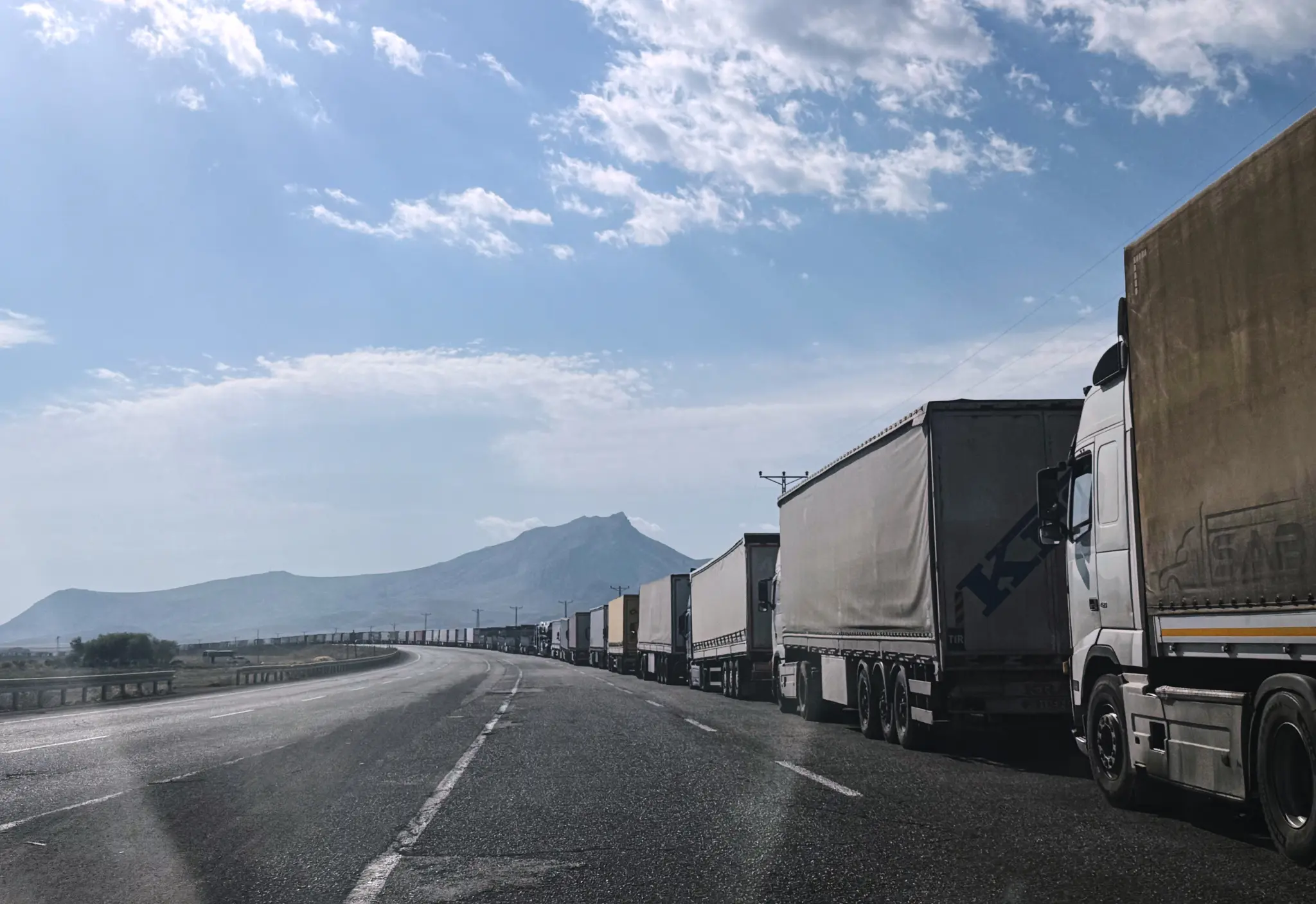
The reimposition of the Iran Blockade has transformed Tehran’s economic position from severe strain to systemic rupture, forcing the regime to rely on overland routes that cannot replace seaborne trade. Border crossings into Turkey and Afghanistan now host thousands of idle trucks, yet customs delays and security inspections prevent any meaningful substitute for lost oil exports and imports.
Washington’s air and naval pressure, paired with Treasury’s “Economic Fury,” has collapsed oil loadings, drained foreign currency reserves, and accelerated the rial’s decline. Iranian leaders nonetheless present themselves as holding power, demanding an end to the Iran Blockade, the release of frozen assets, and a halt to what they call economic war in exchange for ceasing attacks on shipping in the Strait of Hormuz.
That offer reverses cause and effect. The regime’s own aggression and nuclear ambitions invited the measures now squeezing its economy. A land blockade would further seal Iran from international trade by targeting trucking firms, freight forwarders, dry ports, and banking services. Cyber operations against payment systems could compound the pressure.
Any deal now would grant Tehran a lifeline without changing its behavior, repeating a pattern of broken commitments. The strategic objective should instead be to intensify economic isolation and support internal dissent, making it impossible for the regime to pay, fuel, or move forces against its own people.
Iran Blockade Tightens Border Lifelines
To understand the economic devastation Iran is now experiencing, look no further than the trucks choking its borders.
Thousands of them have lined up at land crossings into neighboring Turkey and Afghanistan, with many drivers sitting idle for weeks.
They are there because overland routes are the only way that Iran can circumvent the punishing air and naval blockade imposed by the United States — but the regime can’t escape the cumbersome customs and security inspections that cause endless bottlenecks at the border.
Tehran Demands Relief It Cannot Enforce
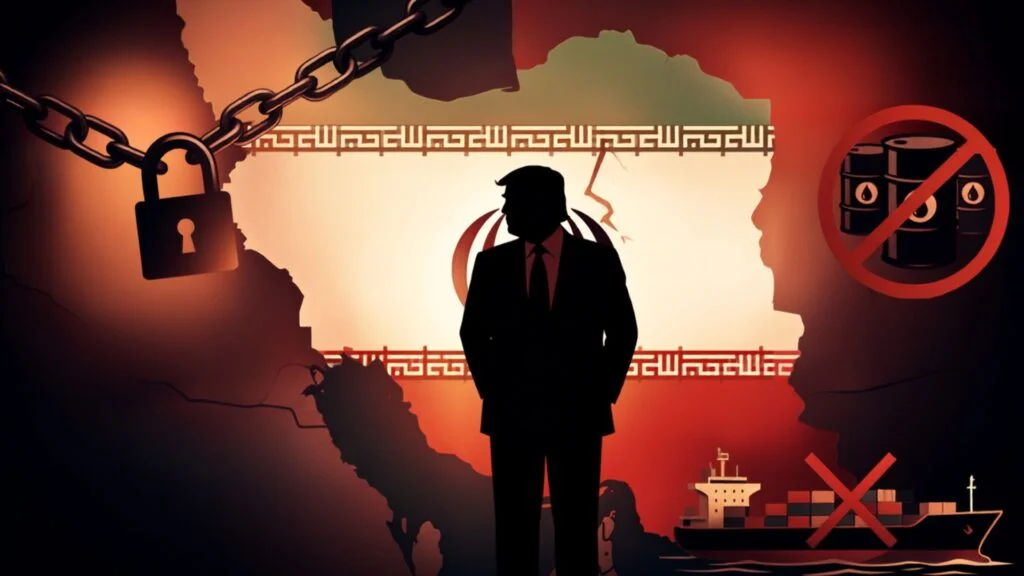
Yet to listen to Iran’s leaders, you’d think they held all the cards.At the UN General Assembly in New York this week, Tehran named its price for a deal: Lift the blockade, release frozen assets and end the “economic war.”
In return, it pledges to halt its attacks on ships transiting the Strait of Hormuz — a waterway it has no right to close.President Donald Trump should impolitely decline: Time is on America’s side.
Economic Fury Crushes Oil Revenue
“Economic Fury,” the operation launched by the Treasury Department as a complement to the US military’s “Epic Fury,” is biting hard.
The reimposition of the blockade in July has resulted in Iran’s oil loadings collapsing by 85% — even as US forces supported the transit of more than 1 billion barrels of crude oil through the Strait of Hormuz, assisting more than 2,000 commercial-vessel transits.
Iran’s domestic supply has been suffocated by the lack of imports, with reportedly only two months of fuel remaining.
More broadly, Iran’s GDP dropped by more than 10% in a matter of weeks — and over the last year the national currency, the rial, has lost half of its value.Hence the traffic jams on Iran’s borders.
Trucks Queue as Trade Chokes
But getting goods in and out is now much slower, much costlier, and woefully inefficient.
Transporting a container overland costs about four times as much as by sea.
Worse for the regime, the truckers, railways and shippers who carry these loads demand payment in precious hard currency — preferably dollars — not in Iran’s beleaguered rial.
At most, 500 trucks can cross from Turkey daily because of the bureaucratic hurdles involved; you’d need 20,000 to duplicate Iran’s pre-war volume of seaborne traffic.The regime is ill-prepared for what it now faces.
For 47 years, it plowed its oil revenues into building its nuclear program and arming its terrorist proxies, at the expense of vital infrastructure.
Land Blockade Could Seal the Gap
Rather than engaging in yet more fruitless negotiations, the United States should now focus on a land blockade alongside its naval and air blockades.
Doing so would further seal Iran from the international trade the regime depends on for its survival.
No troops are required to set up a land blockade.
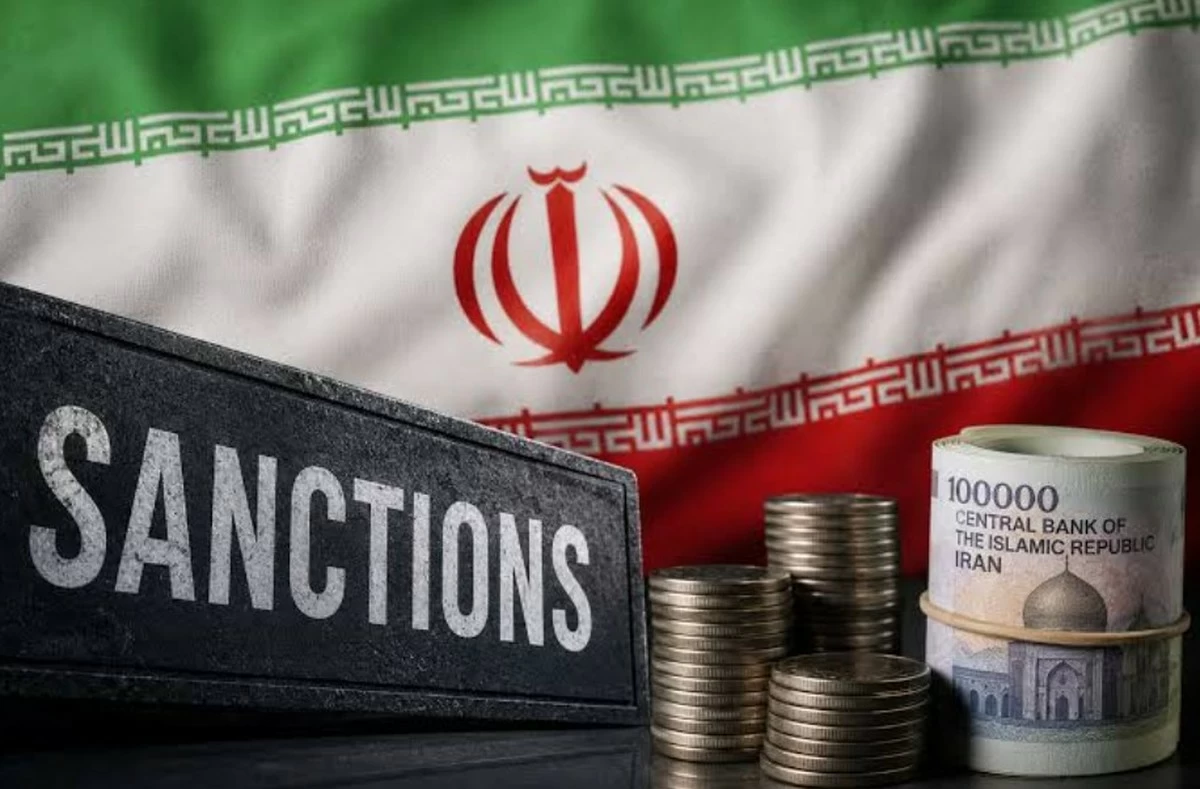
Treasury has already declared Iran’s aviation, shipping and gold sectors off-limits to international actors.
Now it should add transportation and logistics, putting every trucking firm, freight forwarder and dry port handling Iranian cargo at risk of losing access to the dollar.
A 2010 law already mandates sanctions on anyone who sells gasoline to Iran or helps deliver it.
Enforce it against every refiner, trader and carrier moving fuel to Iran’s transportation, and its trucks will be stuck.
Washington can also lean on Iran’s neighbors to deny banking services.
Because of US pressure, Turkey revoked Bank Mellat’s license, while the UAE has banned Bank Melli.
Iraq can assist the effort to pressure Iran by settling the billions it owes for gas and electricity imports in medicines and food only, not in cash.
Iran Blockade Meets Cyber Pressure
All this would have a profound impact on what remains of Iran’s armed forces, which last year gobbled up 51% of the nation’s oil revenue.
And where sanctions can’t reach, cyber operations can.
Last year, suspected Israeli hackers destroyed data at Bank Sepah, the Iranian military’s own bank, and wiped out $90 million at Iran’s largest crypto exchange.
US and Israeli cyber forces should target the payment mechanisms used by the regime to pay its security forces.
People’s Fury Needs Washington’s Backing
Given all these factors, a US deal now would hand Iran’s rulers the very lifeline that a combined air, land and sea blockade would deny.
It wouldn’t change the regime’s behavior, as recent experience demonstrates: Eight days after signing a memorandum of understanding with the United States in June, Iran was attacking ships again.
Instead, Trump’s administration should help foster a new popular uprising inside Iran.
The regime crushed the last one with violence — much as it has done during more than 15 years of periodic revolts — at a cost of 43,000 lives.
This time must be different.Washington should prepare accordingly, by securing internet access, providing strike funds for workers and merchants, and targeting every commander who orders his men to fire on demonstrators.
The next phase belongs to the Iranians themselves.Call it People’s Fury.America’s job is to make sure the regime can’t pay, fuel or move the forces it will send against the rising tide of discontent.