
Mashriq security disorder, US retrenchment, and the 2026 Iran war make excluding Tehran untenable, while a Saudi-Pakistani-Turkish defence pact, Syria’s reconstruction, and Hormuz disruption require broader regional inclusion and new security arrangements.
The Mashriq has entered a period of compounded disorder in which Israeli campaigns, interstate rivalries, Houthi disruption, and the weakening American umbrella interact. Mashriq Security can no longer be managed by excluding Iran, because Iran remains embedded in Iraq, Syria, Lebanon, and Yemen, and its rivals cannot impose order without engaging it. Washington’s reluctance to guarantee Gulf partners, its direct war with Iran in 2026, and its failure to compel Israeli withdrawals have eroded confidence in the old security bargain. Saudi Arabia’s restoration of ties with Iran through Chinese mediation showed that regional actors are already searching for alternatives.
A Saudi-Pakistani-Turkish defence agreement may offer a starting point, but it cannot become durable while Iran is treated as an outsider. Syria’s reconstruction, the containment of armed factions, and the management of the Strait of Hormuz all require arrangements that include Tehran. Mashriq Security therefore depends on a dual approach: limiting Iran’s threats while recognizing its legitimate interests and embedding it in a wider regional system. Without such inclusion, any new architecture will reproduce the same instability. The question is whether regional powers and external actors can build a system that survives American retrenchment.
Mashriq Security Hinges on Iran
The Mashriq has entered an unprecedented period of security disorder. Earlier crises generally involved disputes over regimes, rivalry between neighbouring states, or limited Arab-Israeli wars. The current crisis is broader, combining Israel’s war against the Palestinians and other regional actors, interstate conflicts and competing struggles for influence. The escalation of the Yemeni conflict and the Houthi seizure of Bab al-Mandab, followed by attacks on Saudi Arabia, represents both a manifestation and a peak of this disorder.
American Umbrella Erodes Regional Trust
This crisis must be understood against the background of the American security role in the Middle East. After the Second World War, following France’s withdrawal from Syria and Lebanon and Britain’s retreat from east of Suez, the United States assumed primary responsibility for regional security. After the Cold War, the American security umbrella had no serious competitor across most of the Mashriq apart from Iran. The American response to Houthi attacks on Saudi Arabia was therefore significant: President Trump’s reluctance to promise assistance raised doubts about the reliability of the American alliance.
October 7 Reshapes Regional Conflict
The latest phase began with 7 October 2023 Hamas attack on Israel. Israel responded with a devastating campaign in Gaza and expanded operations in the West Bank. Hezbollah and the Houthis sought to support the Palestinians, prompting Israeli attacks against Hezbollah, Yemen and Iraqi armed groups. The conflict increasingly involved Iran. Israel attacked the Iranian embassy in Damascus and assassinated Hamas leader Ismail Haniyeh in Tehran, producing direct exchanges between Iran and Israel. Following the fall of the Assad regime in Syria in December 2024, Israel destroyed remaining Syrian military capabilities and expanded into Syrian territory.
The 7 October attack was not entirely unexpected. Reports in Haaretz, The New York Times and The Atlantic indicated that former Hamas leader in the Gaza Strip Yahya Sinwar had warned Israel that Gaza’s blockade had become intolerable and that failure to ease restrictions and reach a prisoner-exchange agreement could trigger a major operation. Egyptian and Emirati officials reportedly issued similar warnings. Nevertheless, the Biden administration continued supplying Israel with weapons, intelligence and air-defence systems.
Washington Expands War With Iran
American involvement became more direct in relation to Iran. The United States participated in the Israeli campaign against Iranian nuclear facilities in July 2025 and entered a broader war against Iran in February 2026, despite ongoing negotiations and without adequately consulting its Arab and Turkish allies. The war failed to overthrow the Iranian regime and instead expanded across the region, affecting the Gulf states, Jordan and Iraq, closing the Strait of Hormuz and contributing to renewed conflict in Yemen. Washington helped negotiate ceasefires in Gaza and Lebanon but failed to compel Israel to withdraw from occupied areas or end its attacks.
American Retrenchment Predates Trump
The weakening of the American security role predates Trump’s second administration. Under Obama, Washington shifted strategic attention toward East Asia and the Pacific. Obama and Trump also sought greater burden-sharing from allies. Biden failed to establish a clear regional strategy, while Saudi Arabia’s restoration of relations with Iran through Chinese mediation in 2023 reflected its perception of American policy as ineffective. This reflected a broader transformation in American foreign policy, although the war with Iran represented a significant departure.
The decline of the American security umbrella raises the question of what might replace it. Greater reliance on China is unlikely to provide a solution because Beijing will pursue its own interests rather than assume responsibility for regional security. Closer cooperation with Israel is equally problematic because Israel contributes to insecurity through its policies toward Palestine, Syria, Lebanon and Iran.
Mashriq Security Needs Iran Included
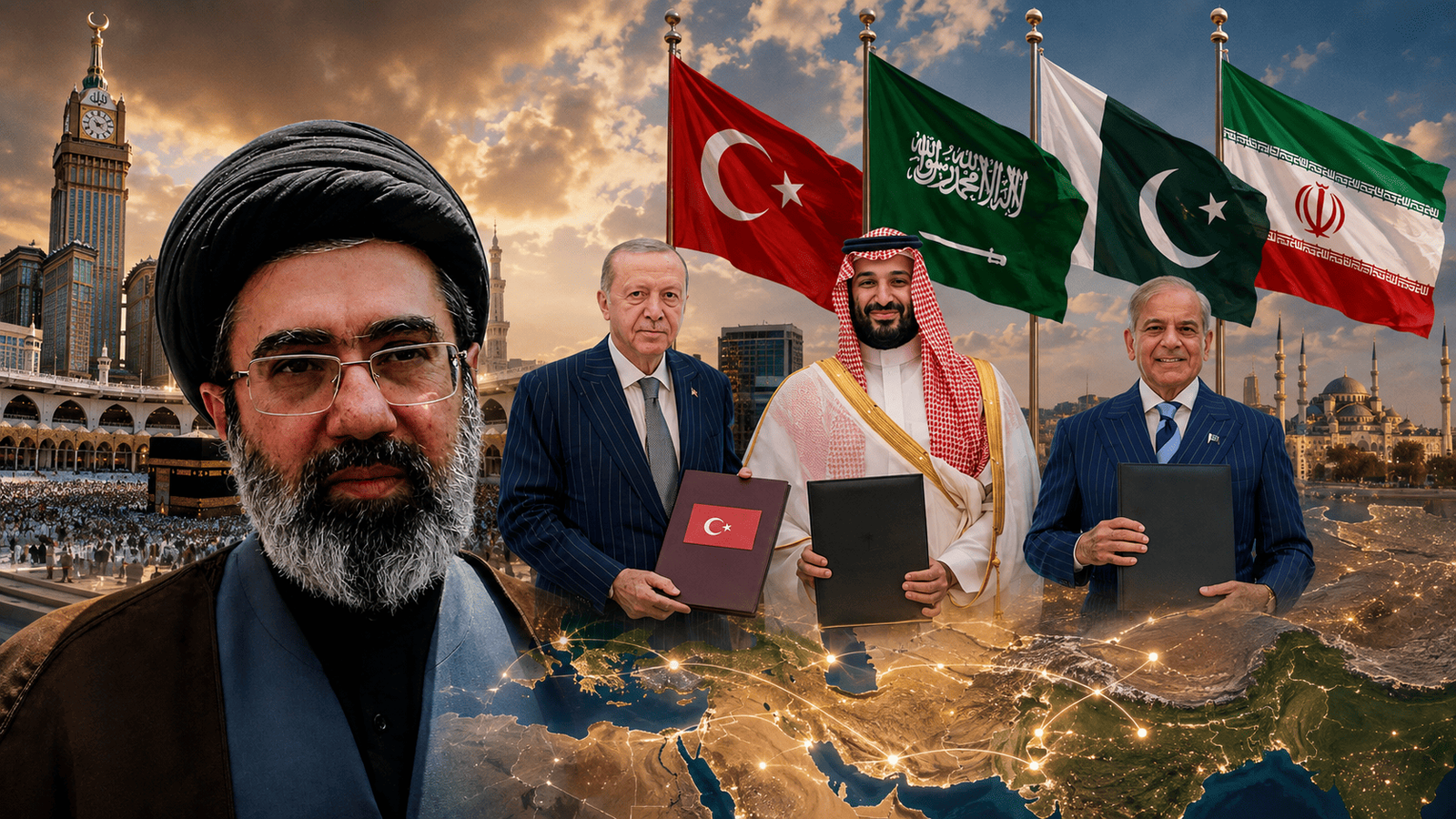
A more promising starting point is the Saudi-Pakistani-Turkish defence agreement. Yet transforming it into a wider security system presents challenges: defining its relationship with the United States, expanding participation, incorporating Iran, and addressing Syria’s weakness.
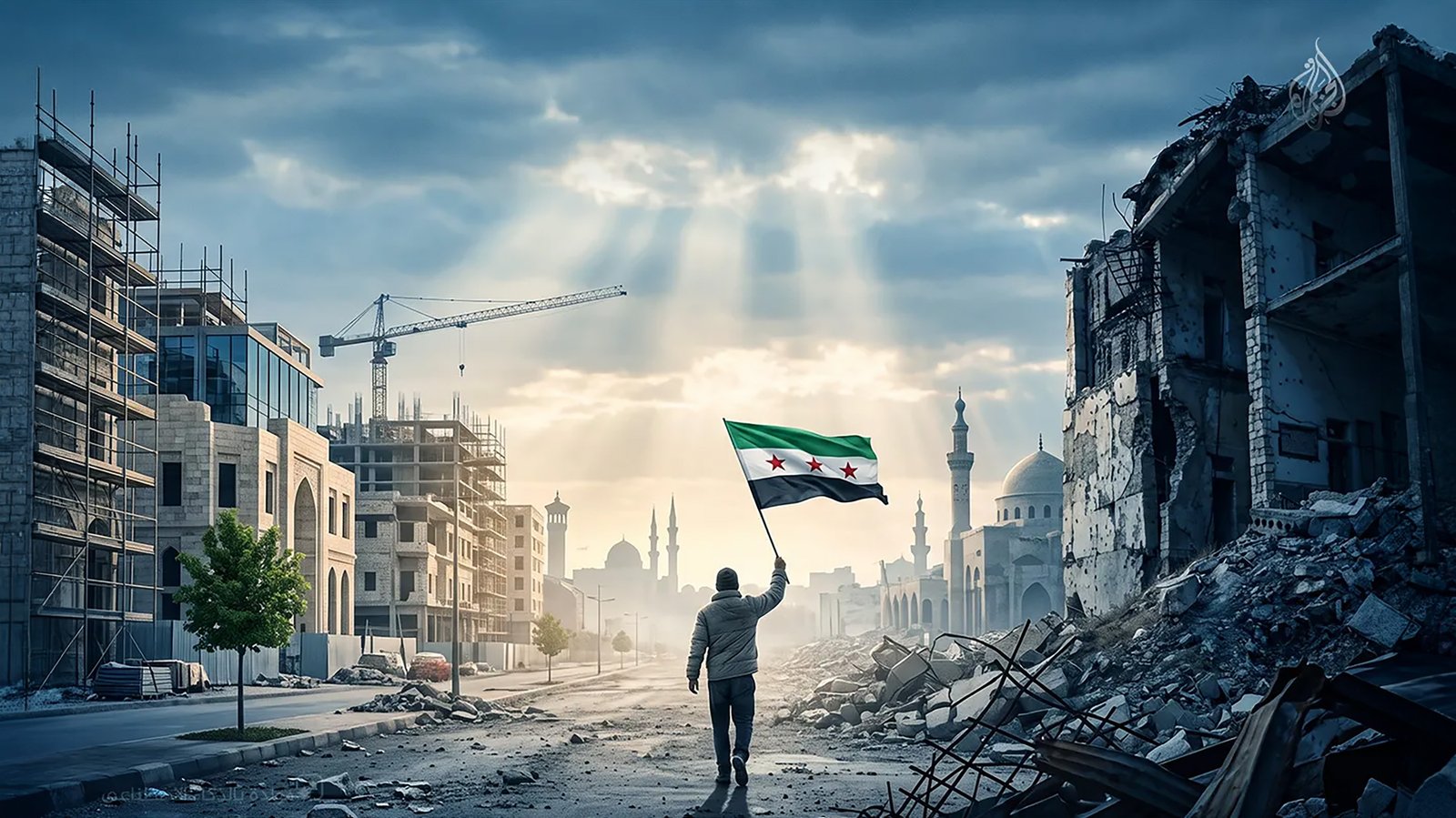
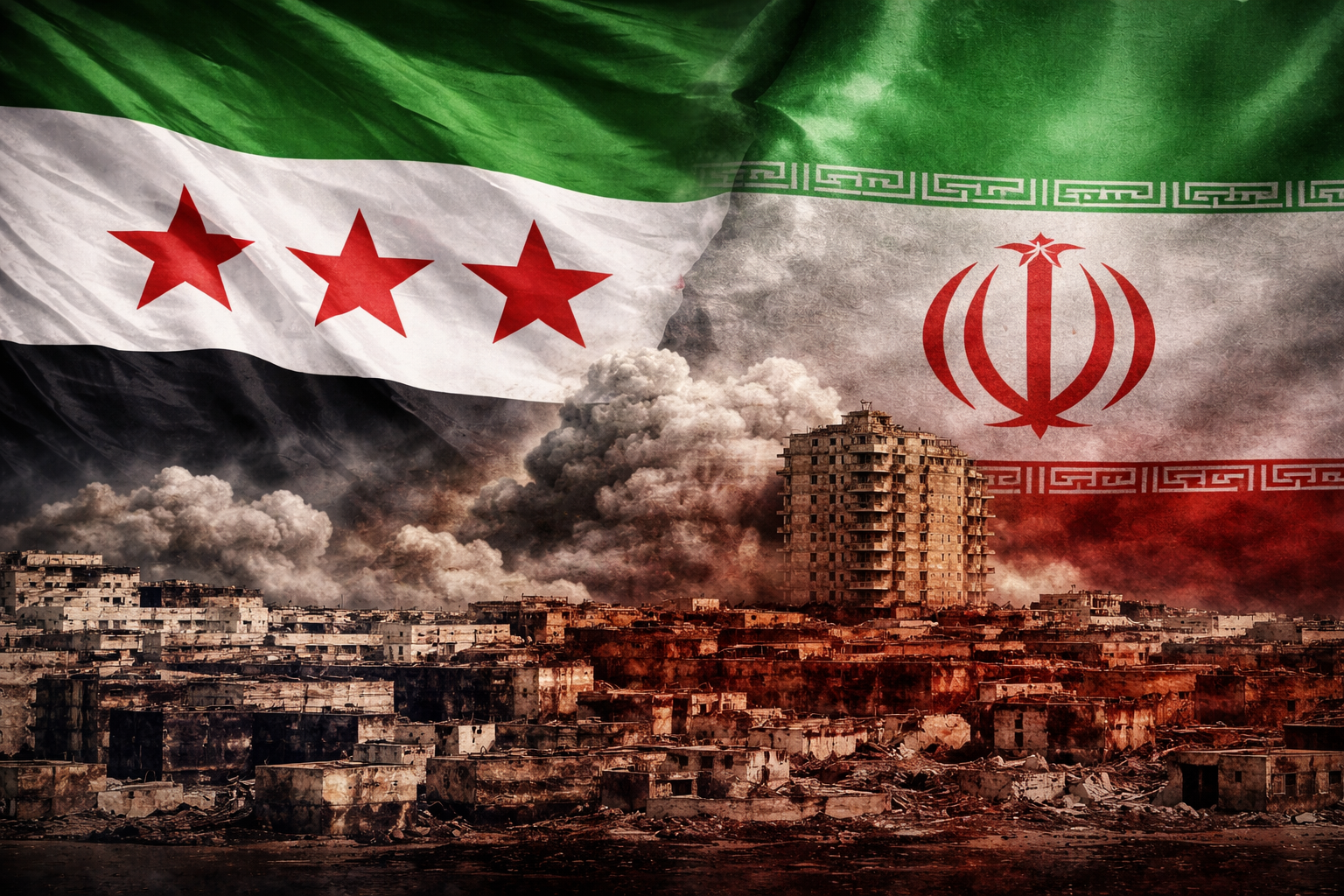
Iran cannot simply be excluded from a durable regional order. Although its policies have contributed to instability in Iraq, Syria and Yemen, Iran remains an integral part of the Mashriq. A sustainable framework must limit its threats while recognising its legitimate interests and incorporating it into a regional system. Syria is equally essential: its economic devastation, military weakness, incomplete territorial unity, and continued Israeli incursions make reconstruction and stabilisation necessary for regional security.
The Mashriq therefore stands at a crossroads between the decline of the American security umbrella and the search for a new regional order. The Saudi-Pakistani-Turkish agreement may be an important first step toward regional self-reliance, but a durable system will require broader participation, a workable approach toward Iran, the reconstruction of Syria, and clearer relations with external powers.