
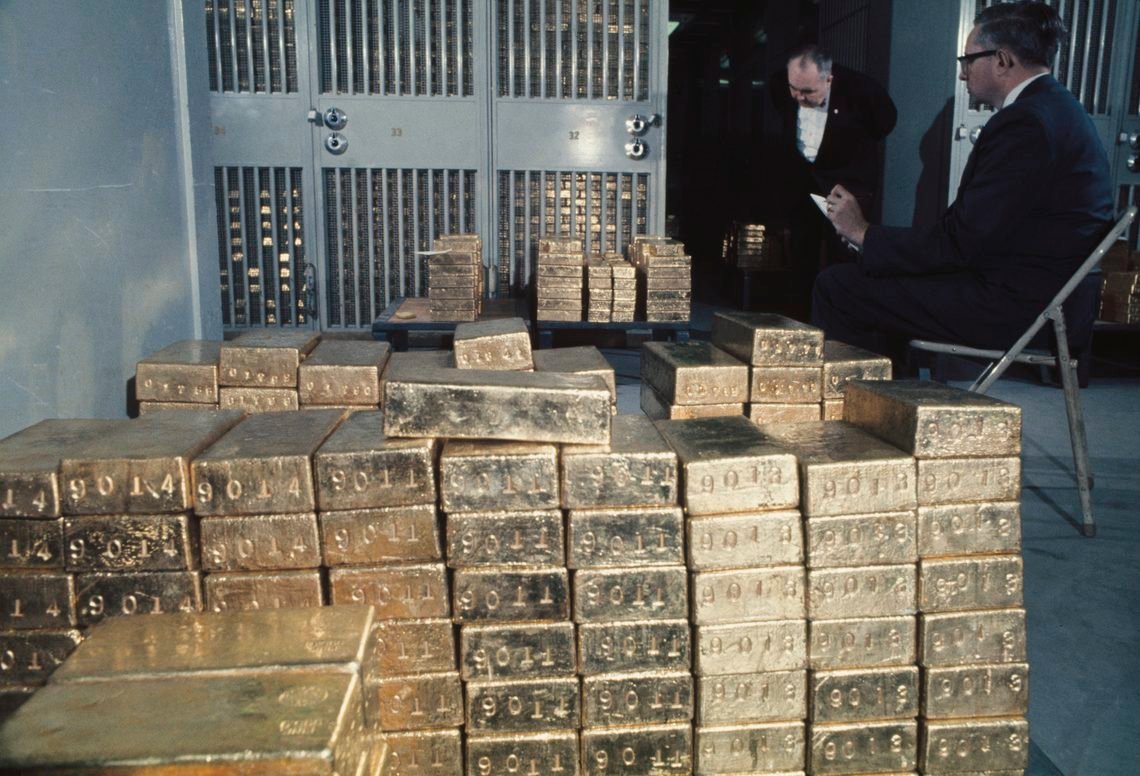
Gold Repatriation Signals Eroding Trust
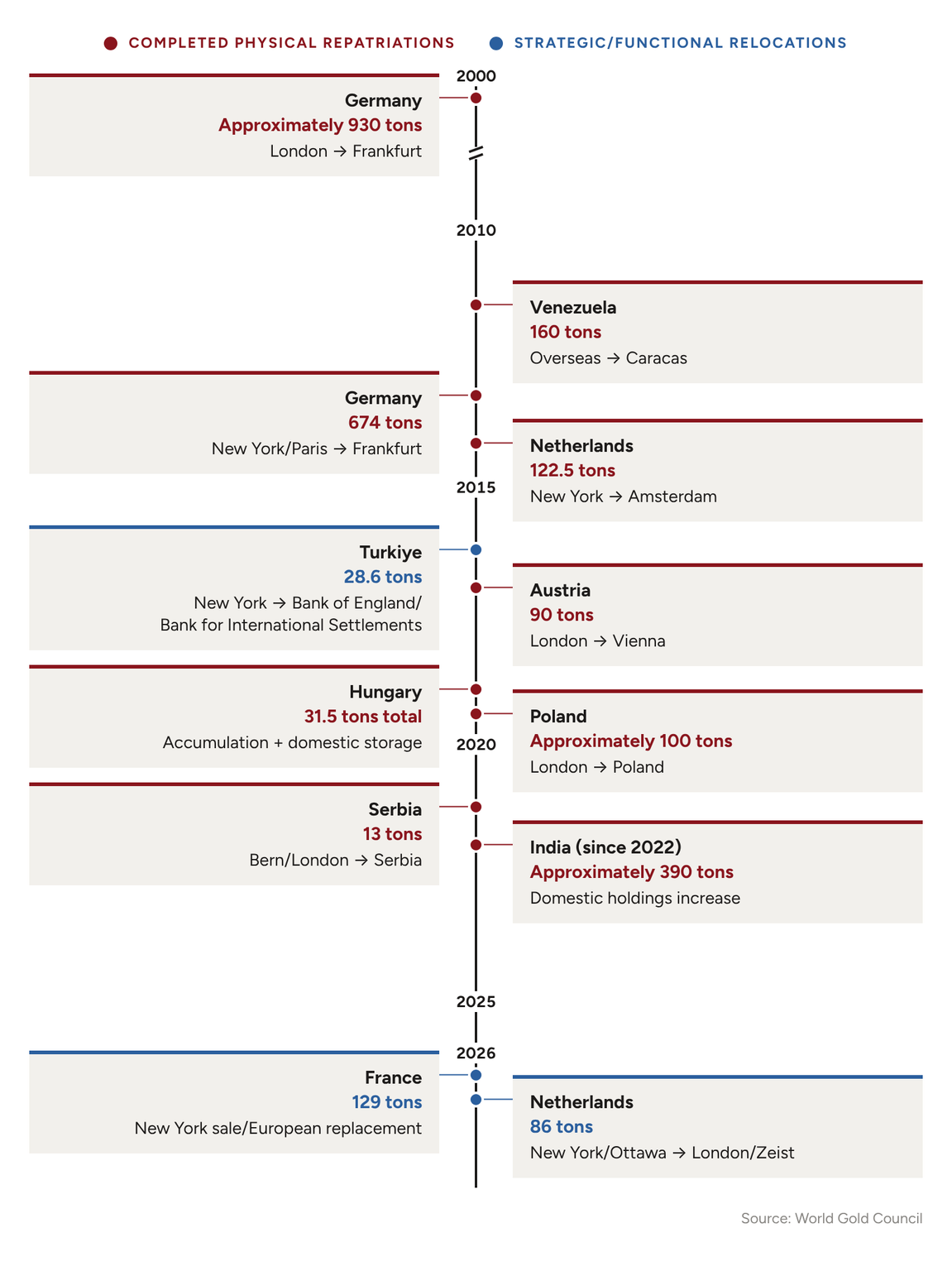
On September 2, 2026, the Dutch central bank (DNB) announced that between March and August it had relocated approximately 86 metric tons of gold from facilities in the United States and Canada to London and the Netherlands. The bank attributed this operation directly to rising geopolitical risks, emphasizing its commitment to strengthening crisis preparedness.
Improving the liquidity and tradability of its gold reserves formed part of those preparations, as did a more balanced distribution among North America, the United Kingdom and the Netherlands. Specifically, DNB sold around 59 tons held in New York and replaced them with equivalent gold in London. It also physically transferred more than 27 tons from the U.S. and Canada to its domestic Zeist facility.
As a result, London’s share of the Dutch gold reserves rose to 32 percent, surpassing the 31 percent held at home in Zeist. New York and Ottawa each account for 18.5 percent of the 612-ton total reserve.
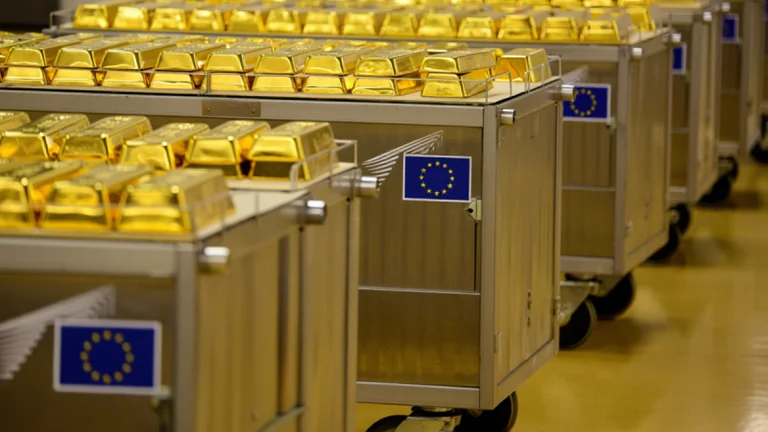
Europe’s gold on the move
DNB Governor Olaf Sleijpen said that the bank did not expect to use the gold, but the move still drew attention, especially since it was not the first time a European nation had moved gold reserves out of the U.S. in recent years. Between July 2025 and January 2026, the Banque de France sold 129 tons of older, non-standard bars held at the Federal Reserve Bank of New York (about 5 percent of France’s total gold reserves) and purchased an equivalent amount of London Good Delivery bars for storage in Paris.
Officials described the decision as technical rather than political because many of the bars dated to the 1920s and no longer met the current purity and weight specifications used in international markets. However, the timing coincided with heightened transatlantic tensions under the second administration of U.S. President Donald Trump. Ongoing trade disputes and broader concerns about the reliability of U.S. custodianship after the 2022 freeze of Russian reserves also fueled speculation that the decision was not purely technical. Either way, France has removed the last of its gold from New York, and its entire 2,437-ton reserve is now held domestically.
Germany made similar moves earlier. Between 2013 and 2017, the Bundesbank repatriated 674 tons from New York and Paris, bringing roughly half of its reserves home to Frankfurt. Approximately 1,236 tons, or 37 percent of Germany’s total, remain at the New York Fed. In 2026, as trade tensions with the U.S. intensified, economists, taxpayer associations and politicians renewed calls to bring the rest home.
Former Bundesbank research head Emanuel Moench argued that storing such a large share in the U.S. had become risky and that greater strategic independence was warranted. However, Bundesbank officials have indicated that no new repatriation plan is under consideration. Italy faces similar domestic pressure, with about 43 percent of its reserves still stored in New York.
Why central banks are rethinking where they keep gold
These cases are part of a wider pattern evident in central-bank surveys and in individual countries’ actions. More institutions have increased domestic storage or diversified overseas locations in recent years. India has steadily repatriated gold from London. Serbia has concentrated its holdings at home. Austria previously rebalanced to hold half its gold domestically. Poland returned 100 tons from London in 2019 while expanding its overall reserves.
Several mutually reinforcing motivations lie behind these adjustments. Liquidity remains important, and London continues to offer the largest and most efficient physical gold market, which helps explain why the Dutch chose it over purely domestic repatriation.
Political considerations also matter, especially given the current geopolitical climate and the increasingly complex relations many countries have with the U.S. Demonstrating national control over a core reserve asset carries symbolic weight. Geographical diversification, meanwhile, is standard prudential practice.
class=”ds-markdown-paragraph”>مهمتر از همه، توقیف داراییهای روسیه در سال 2022 نشان داد که ذخایرِ در اختیار خارجیها میتوانند زمانی که منافع ژئوپلیتیکی ایجاب کند، غیرفعال شوند، و این درس فراموش نشده است. تحریمها، اختلافات تجاری و منازعات منطقهای محاسبات جدیدی درباره دسترسی و قابلیت اتکا وارد کردهاند. بیانیه هلند قابل توجه است زیرا بندرت برای یک بانک مرکزی بزرگ اروپایی پیش میآید که دلیل ژئوپلیتیکی را اینچنین آشکارا ذکر کند.
هر کاهش در داراییهای نیویورک سیگنالی کوچک است که نگهداری تحت امینت آمریکا دیگر بهطور پیشفرض بیخطر در نظر گرفته نمیشود. وقتی حتی متحدان نزدیک نقشههای ذخیرهسازی خود را تنظیم کرده و دلیل را ریسک ژئوپلیتیکی میدانند، پیام این است که عضویت در اتحاد دیگر تضمینی برای اعتماد بیقید و شرط به تداوم نهادی نیست.
چه سناریوهایی در پیش است
البته این بدان معنا نیست که فروپاشی قریبالوقوع وضعیت ذخیره دلاری یا خروج دستهجمعی از اوراق خزانه در راه است. با این حال، این مسأله روندهای موازی را تقویت میکند — افزایش نسبت طلا در پرتفوی بانکهای مرکزی، خریدهای رسمی مداوم و آزمایش ترتیبات پرداخت غیر دلاری — که نشان میدهد کشورها جدیتر به برنامههای اضطراری فکر میکنند.
هیچ یک از این تحولات برگشتناپذیر نیست. دورهای طولانی از ثبات ژئوپلیتیکی و هنجارهای روشنتر در مورد تحریمهای مالی میتواند روند را کند یا معکوس کند. بانکهای مرکزی همچنان به نقدینگی و امنیت مراکز بزرگ غربی ارزش میدهند. در عین حال، تصمیمهای اخیر پیوسته در یک جهت اشاره کردهاند. وقتی مؤسسات هم ظرفیت و هم تمایل برای تخصیص مجدد طلا به منظور آمادهسازی برای بحرانهای ژئوپلیتیکی را نشان دادهاند، آستانه سیاسی برای اقدامات آتی کاهش مییابد. باقیماندن داراییهای آلمان در نیویورک و قرار گرفتن قابلتوجه ایتالیا در معرض آن، مهمترین پرسشهای باز در اروپا هستند.
طلا همواره دارای اهمیت ژئوپلیتیکی بوده است. در محیطی از رقابت فزاینده قدرتهای بزرگ و سلاحی شدن زیرساختهای مالی، این اهمیت در حال افزایش است و تأثیر بصری این اقدامات نباید کماهمیت شمرده شود. اکنون تعداد بیشتری از کشورها کنترل فیزیکی دارایی نهایی ذخیرهای خود را نسبت به دوره طولانیای که ساختارهای اتحاد و نظامهای مالی باز تا حد زیادی بدیهی فرض میشد، در اولویت قرار میدهند. در حالی که حجمهای درگیر تاکنون محدود باقی ماندهاند، منطق راهبردی گستردهتر آن پیامدهای بسیار وسیعتری دارد.

بازگشت طلا روند تدریجی را تسریع میکند
سناریوها
Most likely: Continued gradual diversification away from New York
سهم طلا از ذخایر رسمی به افزایش خود ادامه خواهد داد و پرسش دربارهٔ محل نگهداری آن از اهمیت بیشتری برخوردار خواهد شد. بانکهای مرکزی اروپایی و آسیایی اضافی ریسک تمرکز در نیویورک و تا حد کمتری در لندن را کاهش خواهند داد و به قابلیت معامله، آمادگی و توازن جغرافیایی اشاره خواهند کرد.
احتمالاً لندن برای کسانی که هنوز به دنبال نقدشوندگی بالا هستند، جایگزین ترجیحی باقی خواهد ماند. کشورهایی مانند آلمان و ایتالیا ممکن است با فشارهای داخلی مکرر مواجه شوند اما به دلیل ملاحظات سیاسی و تمایل به اجتناب از تنش بیشتر با واشنگتن ملزم به حرکت آهسته خواهند بود.
Less likely: Acceleration triggered by a sanctions episode or access dispute
یک دور جدید و چشمگیر از تحریمها، تضعیف تندتر روابط ترانسآتلانتیک یا یک مناقشهٔ پرآوازه بر سر دسترسی به طلای نگهداریشده در خارج — مانند مناقشهٔ پیشین بین حکومت نیکلاس مادورو در ونزوئلا و بانک انگلستان — میتواند موجب بازگشتهای سریعتر و قابلمشاهدهتری شود. هزینهٔ سیاسی بیعملی برای دولتهایی که سهمهای بزرگی را در خارج نگه میدارند افزایش خواهد یافت و اقداماتی که اکنون سالها طول میکشد ممکن است در ماهها فشرده شود.
Least likely: Full restoration of the previous status quo
بازگرداندن سطح اعتماد پیشین مستلزم آرامش ژئوپلیتیکی پایدار و تعهد قابلباوری است که زیرساخت مالی غربی علیه متحدان استفاده نخواهد شد. تصور آن ترکیب در امروز دشوار است.
بهطور پارادوکسیکال، یک رویداد میتواند احتمال این سناریو را بهطور چشمگیری افزایش دهد. اگر یک درگیری مستقیم بین روسیه و اروپا رخ دهد، بانکهای مرکزی میتوانند ذخایر طلای خود را از قاره خارج کنند و ایالات متحده بار دیگر بهعنوان امنترین مکان برای نگهداری آنها دیده شود.