
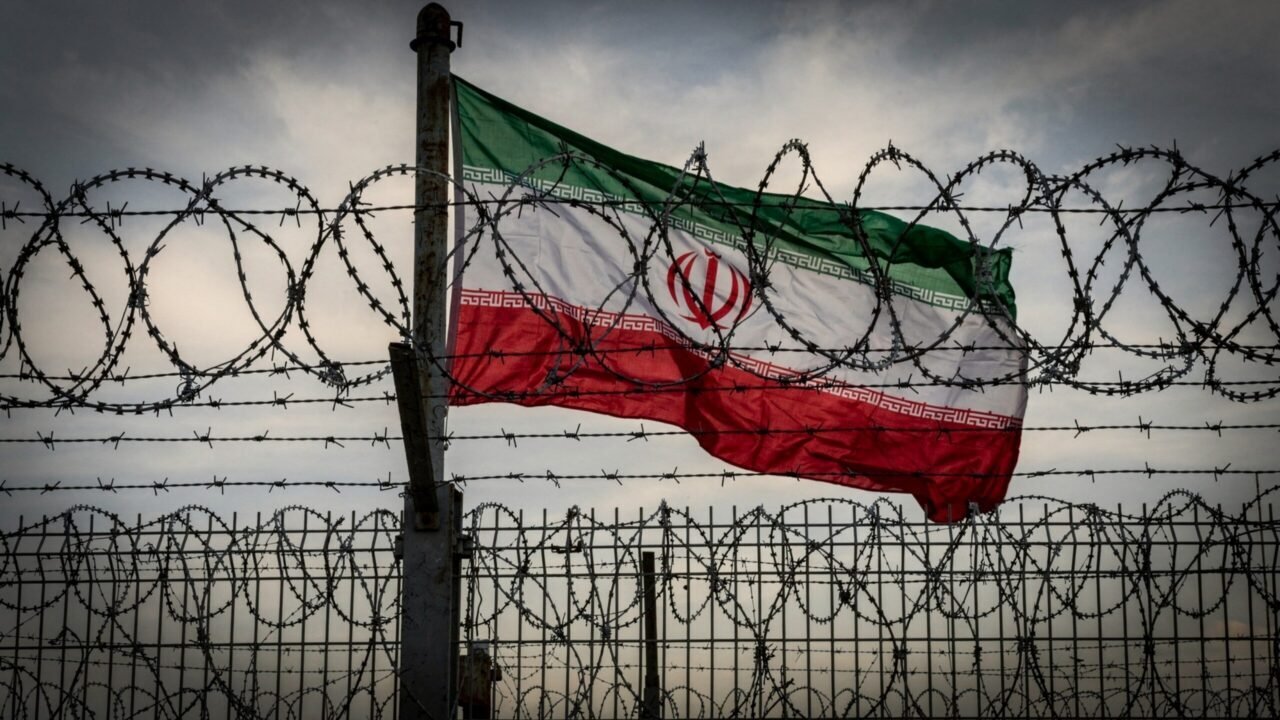
Operation Economic Outcast intensifies financial pressure on Tehran while exposing the limits of sanctions against proxy networks, illicit finance, and procurement channels that require coordinated global enforcement across multiple jurisdictions.
Iran-Backed Terrorism Tests Sanctions Limits
Speaking in late August at the launch of Operation Economic Outcast, the Treasury Department’s new financial campaign targeting Iran, Secretary Scott Bessent set a high bar: “Our objective is to sever every economic lifeline that sustains this tyrannical regime until Tehran stands alone.”
Coupled with a naval blockade of Iranian ports preventing the export of Iranian oil, the Treasury Department’s new effort is arguably the most aggressive of its kind to date. And yet, it cannot reach its full potential without complementary diplomacy and foreign assistance. Washington cannot achieve these ambitious goals alone, but it can make major progress by building a coalition of the willing and capable.

Treasury Campaign Meets Proxy Resilience
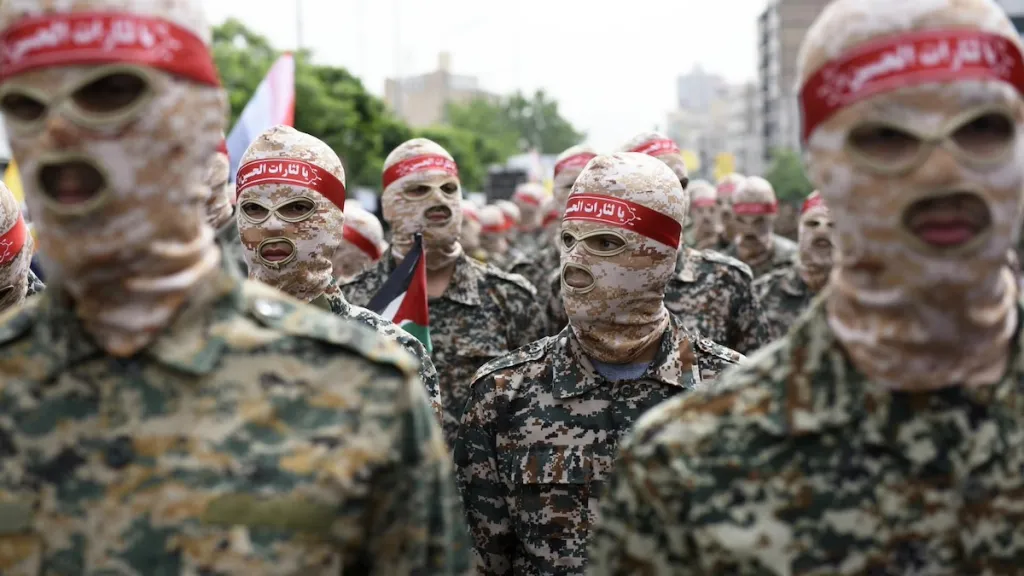
While Iran and its proxies have suffered major blows at the hands of the United States and Israelis, they are far from defeated. The Houthis remain particularly dangerous, as underscored by the group’s recent attacks on Saudi Arabia, but Hezbollah and Hamas still pose threats as well. And both Iran and its proxies have made clear that rearming and rebuilding is their top priority. The past several months illustrate the scale and scope of the global challenge for the United States and its partners in preventing them from doing so.
Financial Networks Span Multiple Jurisdictions
On the financial front, the United States and other governments have uncovered Iranian exploitation of crypto platforms, money exchange houses, and other financial institutions in countries including Iraq, Turkey, Lebanon, the UAE, and China. More broadly, governments have detected Iranian and Hamas terrorist plotting in Europe, Houthi weapons procurement networks in China, Hezbollah drone procurement in Europe, and Iranian weapons smuggling through Syria and Lebanon.
Financial pressure and sanctions can help address some of these threats and reduce Iran’s access to resources. But to maximize their impact, the United States must make its sanctions campaign part of a broader effort to build a stronger and more capable international coalition against Iran’s and its proxies’ global networks.
Diplomatic Statements Signal Growing Unity
To date, Washington has engaged in limited, targeted diplomatic efforts targeting Iranian-linked terrorism, with some promising results that can and should be built upon. On October 12, the United States and 29 other governments issued a statement accusing Iran of orchestrating plots to destroy US air assets at the RAF Fairford base in the United Kingdom.
The week prior, the United States and eight countries in the Western Hemisphere publicly condemned Iran’s terrorist and malign activities in the region, at the conclusion of a meeting jointly led by the US and Paraguayan governments. And in June, the State Department and more than 20 other governments called out Iran for being behind a series of attacks in Europe, North America, and Australia.
Why Do Hesitant States Resist?
Notably, many of the countries that signed on to these statements had been previously hesitant to condemn earlier cases of Iranian plotting, even when it was taking place on their soil. Some countries feared Iranian retaliation, either at home or against their diplomats and diplomatic facilities in Iran. Others worried about what Iran might do to wrongfully detained nationals being held in Iranian prisons.
Diplomatic efforts also enabled Washington to successfully press seven South and Central American countries to designate or sanction the Islamic Revolutionary Guard Corps (IRGC), Hezbollah and Hamas in the past several years, actions that are both symbolically important and give the governments additional tools to fight these threats. Perhaps most important was the European Union’s blacklisting of the IRGC in February, which could pave the way towards greater European criminal justice enforcement and asset freezing against Iranian networks.
Foreign Assistance Builds Partner Capacity
These statements and sanctions are an important step toward greater international unity on this issue. But to fully realize Secretary Bessent’s goal of severing Iran’s economic lifelines, more will be required. Given that the financial and procurement networks run by Iran and its proxies operate in many corners of the world, a successful counter-Iranian terrorism campaign will have to be global in nature and scope.
The United States will have to convince many countries to prioritize this issue, dedicate sufficient resources, and increase information sharing and coordination. This goal is likely achievable, but it will demand significant, consistent high-level US engagement and diplomatic legwork, an approach the Trump administration has not always prioritized.
Even after countries join such a coalition, Washington will need to help many of them develop the capabilities, skills, and knowledge base to tackle the complex Iranian threat, including its sophisticated financial schemes. This is where Washington can leverage its foreign assistance resources to advance the Trump administration’s agenda.
Congress provided the State Department with almost $300 million this fiscal year to bolster partners’ counterterrorism capabilities—well above the administration’s request. To date, the State Department has publicly committed to expending some of this funding to address the cartel and gang threat in Central America, in line with the administration’s designations of cartels and gangs as terrorist organizations. Given the administration’s focus on countering Iran’s malign activities by severing its “economic lifeline,” building partner capacity to counter Iran and its proxies should also be prioritized.
Beyond Sanctions Alone: Iran-Backed Terrorism
Such funding could provide a range of assistance to countries positioned to play key roles in identifying and disrupting Iran-linked illicit activity. For example, such programs could: train and equip Syrian border security authorities to interdict Iranian and Hezbollah smuggling, including bulk cash; assist Yemeni Coast Guard officials in detecting and disrupting Houthi weapons and procurement networks; enable Iraqi financial institutions to identify illicit Iranian finance schemes better; and bolster West African and South American authorities’ efforts to uncover and prosecute Hezbollah illicit financial networks.
And in light of recent cases of Iranian plotting, Hezbollah procurement, and Hamas fundraising across Europe, such programs could help select European countries get up to speed on the most effective ways of countering them.
President Donald Trump referred to the initiation of Operation Outcast as “Economic D-Day,” calling on allies to help “isolate and defeat the Iran threat.” While the Trump administration has often been lukewarm on the benefits of traditional diplomacy and foreign assistance, this is an opportunity to advance one of its top agenda items. They shouldn’t waste this chance. A future with a greatly weakened Iran and a more stable Middle East could depend on it.