
How Ethnic Nationalism Fed Hitler’s Appetite
On April 10, 1938, German nationalists conducted a sham referendum in German-occupied portions of Austria and in Germany itself to determine whether there should be Anschluss, union, between Germany and Austria. With the Nazis reporting over 99 percent support in both countries, Germany annexed Austria. Germany leader Adolf Hitler was not assuaged. All Germans should unite, he argued, which meant Germany also should control the Sudetenland, the border regions of Czechoslovakia historically populated by Germans.
The Munich Agreement, in which European countries chose to appease Hitler, did not start World War II, but they accelerated it and encouraged Hitler to believe he could invade Poland without consequence. Ethnic nationalists seldom stop their quest for expansion when they rule all their co-ethnicists; the next step is always to use their perceived needs to seize more resources or living space.
Nasser’s Crusade for Arab Unity
Today, the same pattern remains, even if policymakers forget history.
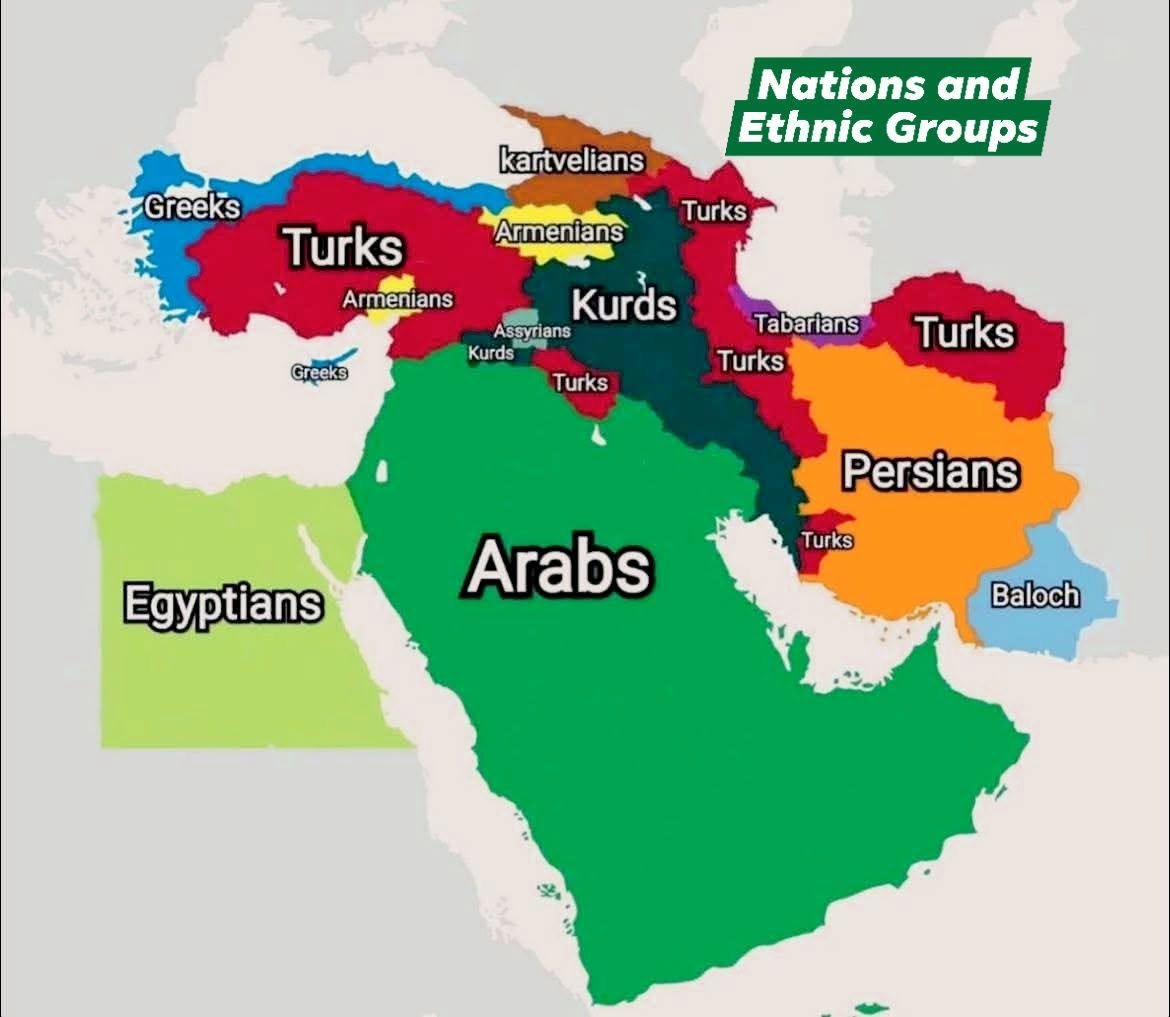
In 1952, Egyptian Army Officer Gamal Abdul Nasser seized power in Cairo. He promoted Arab nationalism—the belief that all Arab states should unite to form a single entity. At the time of Nasser’s coup, there were nine independent Arab states. Within a decade, there would be 16. Nasser was impatient. He sponsored revolutions and coups to oust Arab monarchs, sparking wars and conflicts that killed tens of thousands of Arabs. He refused to accept national identity that did not rest on Arabism, even as his actions and assumptions promoted Egyptian supremacism.
When Unity Slides Into Supremacism
Other Arab nationalist dictators would take Nasser’s ideology to an even greater extreme. Iraqi dictator Saddam Hussein both invaded Kuwait and used chemical weapons against Iraq’s own Kurds under the flag of Arab nationalism. Nor was Iraq alone. Ethnic supremacism repeatedly twisted into the idea that non-Arabs did not belong and unpinned, for example, Sudan’s genocide in Darfur. Algerian Kabyles also have faced discrimination as an outgrowth of the regime’s Arab nationalism.
dir=”ltr”>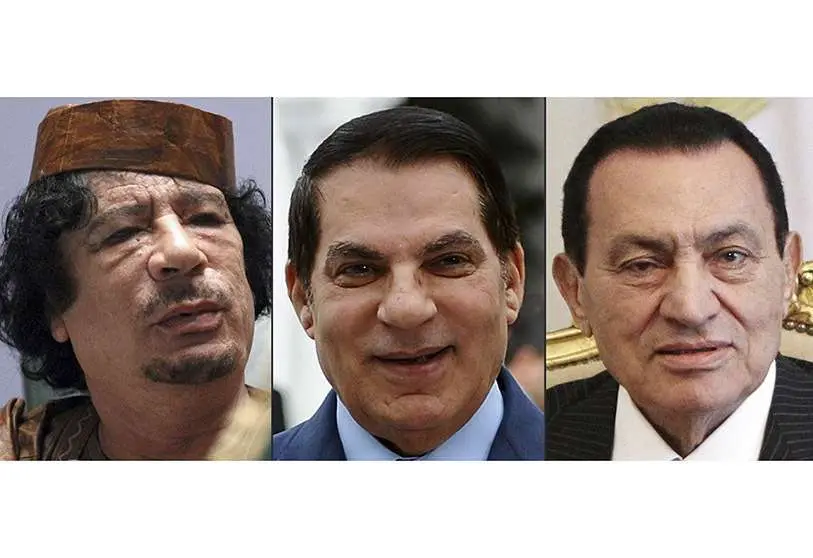
基辛格是否重蹈张伯伦的错误?
国家安全顾问兼国务卿亨利·基辛格为了将中国从苏联的影响中分离出来,支持了毛泽东的“一个中国”要求。尽管在过去500年里,中华人民共和国对台湾的实际控制仅有四年,且即便毛本人也曾把台湾视为另一个国家,基辛格仍然支持了一项本质上与英国首相内维尔·张伯伦对德意志领土统一的处理方法相似的政策。
今天,政策制定者担心中国试图吞并台湾可能引发世界大战。同样,如果西方默认中国是“所有华人天然保护者”的主张,这是否意味着北京有朝一日会要求对温哥华甚至旧金山的华人实行控制?这并不像听起来那样牵强。
从摩加迪沙到莫斯科的领土复原主义
索马里民族主义同样具有破坏性。索马里被任命的领导人优先考虑“大索马里”的幻想,而不是专注于修复索马里本身。因此,青年党扩大了其安全区并现在控制该国和首都的大块地区。土耳其的泛突厥主义威胁将不稳定从巴尔干扩散到中亚,并且是土耳其在塞浦路斯持续夺取土地的根源。
俄罗斯总统弗拉基米尔·普京也以民族主义为理由为其在乌克兰的现行战争辩护。对于一名曾经的克格勃官员而言,普京的情报判断失误。他认为东乌克兰的俄语人口宁愿加入俄罗斯也不愿留在乌克兰的假设是错误的,然而普京仍继续以民族俄罗斯的统一为理由,不仅对乌克兰提出主张,也可能以此为由吞并哈萨克斯坦及波罗的海国家的部分地区。
当人口混居时,分割失败
当然,这种危险随着目标人口的多样性而增长。在伊拉克,时任参议员乔·拜登和外交关系委员会主席莱斯·盖尔布提出按族群和教派划分国家的建议,但他们没有意识到并不存在明确的分界线,因为许多城镇和城市中阿拉伯人、库尔德人和土库曼人、逊尼派、什叶派和基督徒紧密相邻,甚至并肩居住。他们以民族统一名义提出的方案本会将伊拉克变成第二个南斯拉夫。
19世纪末和20世纪初,许多新国家围绕民族而凝聚。德国统一了数十个德意志诸邦,意大利整合了由较小公国和诸国组成的拼图。民族群体在巴尔干地区组织起来以摆脱奥斯曼统治。然而,围绕民族组织的国家与盲目遵从民族主义之间存在差别。
Why Washington Still Indulges Ethnic Nationalism
尽管美国在基于理念而非民族的公民契约上繁荣,过多的美国决策者仍然默认跨境民族统一的追求是合法的,甚至是可取的。尽管今天国务院每个人都承认德国二战前的夺地行为是错误的,大多数人也会谴责俄罗斯更近代的野心和行动,国务院近东事务局内仍有太多人怀有泛阿拉伯主义的浪漫想象——而国务院非洲局则支持摩加迪沙关于“大索马里”的梦想,国务院欧洲与欧亚事务局的许多人也对土耳其的区域野心给予信任。
频繁的轮换和偏好短期解决方案加剧了国务院、五角大楼,甚至中央情报局内部的历史无知。然而,和民族统一调情几乎等同于向森林火投入汽油。结局不会好。有时,采取相反做法是实现和平的关键:今天,基本上存在两个罗马尼亚,其中一个被称为Moldova。同样的情况也存在于阿尔巴尼亚和科索沃。国务卿Marco Rubio在推动国务院外交运作纠正方面做了可敬的工作,但只要美国外交人员把那些一贯导致战争的意识形态视为合法,这项工作就不会完成。