
Gulf Economies Face Historic Shock
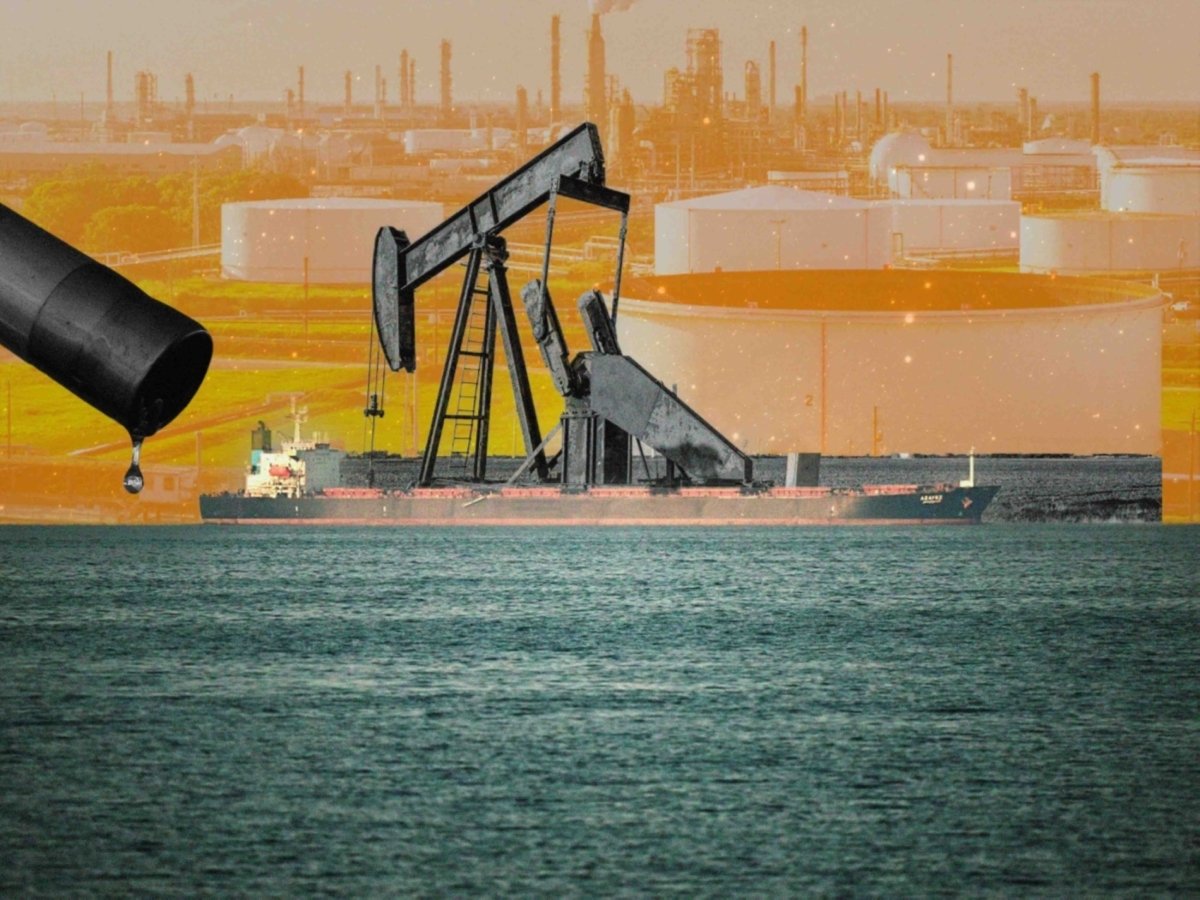
The US-Israeli war with Iran and the related closure of the Strait of Hormuz to shipping since March has disrupted energy supplies and international trade, dealing a heavy economic blow across the Middle East, North Africa, and Central Asia, not least to oil and gas exporters in the Gulf.
The closure of the vital shipping lane meant energy exporters could not ship their oil and gas, while energy importers faced much higher fuel costs, some of which came from shipping. With no export outlet, Gulf oil production plunged from 26 million barrels per day (bpd) to 16 million. The repercussions go well beyond the energy industry, affecting tourism, aviation, and logistics. It has eroded investor confidence and added to inflationary pressures.
After 3.3% growth in 2025, the World Bank now forecasts a 2.1% contraction for the economies of the Middle East, North Africa, Afghanistan, and Pakistan in 2026, while the combined economies of the Gulf Cooperation Council (GCC) are projected to contract by 4.3% this year. Others differ slightly in their assessment. In its October forecasts, the International Monetary Fund (IMF) projected a regional contraction of 0.3%, though discrepancies can stem from differences in geographical coverage.
Gulf impact
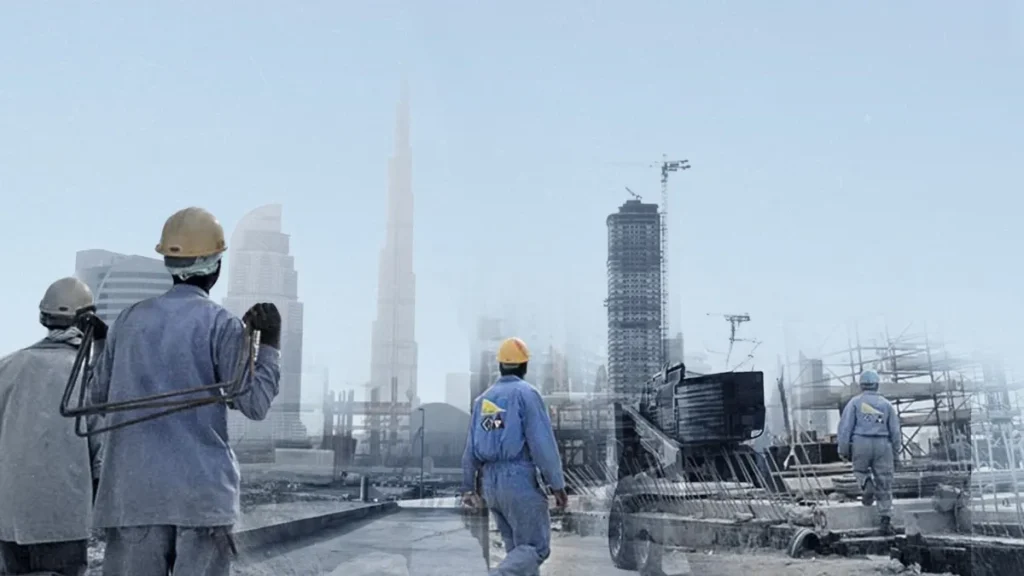
With maritime trade routes disrupted, alternative export corridors through the Red Sea and the Gulf of Oman have helped cushion the impact, particularly for Saudi Arabia and the United Arab Emirates, but these Plan-B routes only partially compensated for the economic damage inflicted by the Hormuz closure. The IMF projects that the Saudi economy—the largest in the GCC—will contract by 3.3% in 2026 but rebound 7.9% in 2027.
class=”ds-markdown-paragraph”>沙特财政部发布的数据显示,2024年石油收入为2018亿美元,2026年第二季度收入为903亿美元,而支出为995亿美元,财政赤字超过90亿美元。财政部的预算执行报告还指出,2026年上半年总收入约为1600亿美元。根据该组织月度报告,OPEC+在2026年9月的产量较8月增加了903,000桶/日,沙特阿拉伯和伊拉克领涨,这表明情况可能已有转机。
在金融平台Argaam于2026年10月发布的排名中,IMF认定伊拉克、科威特、卡塔尔和巴林是受能源生产和运输中断影响最严重的国家之一。如果生产、出口和物流恢复正常,这四国在2026年预计将出现超过10%的收缩,并在2027年恢复。基金预测科威特经济将收缩16.7%,伊拉克16%,卡塔尔15.6%,巴林11.3%。
North Africa impact
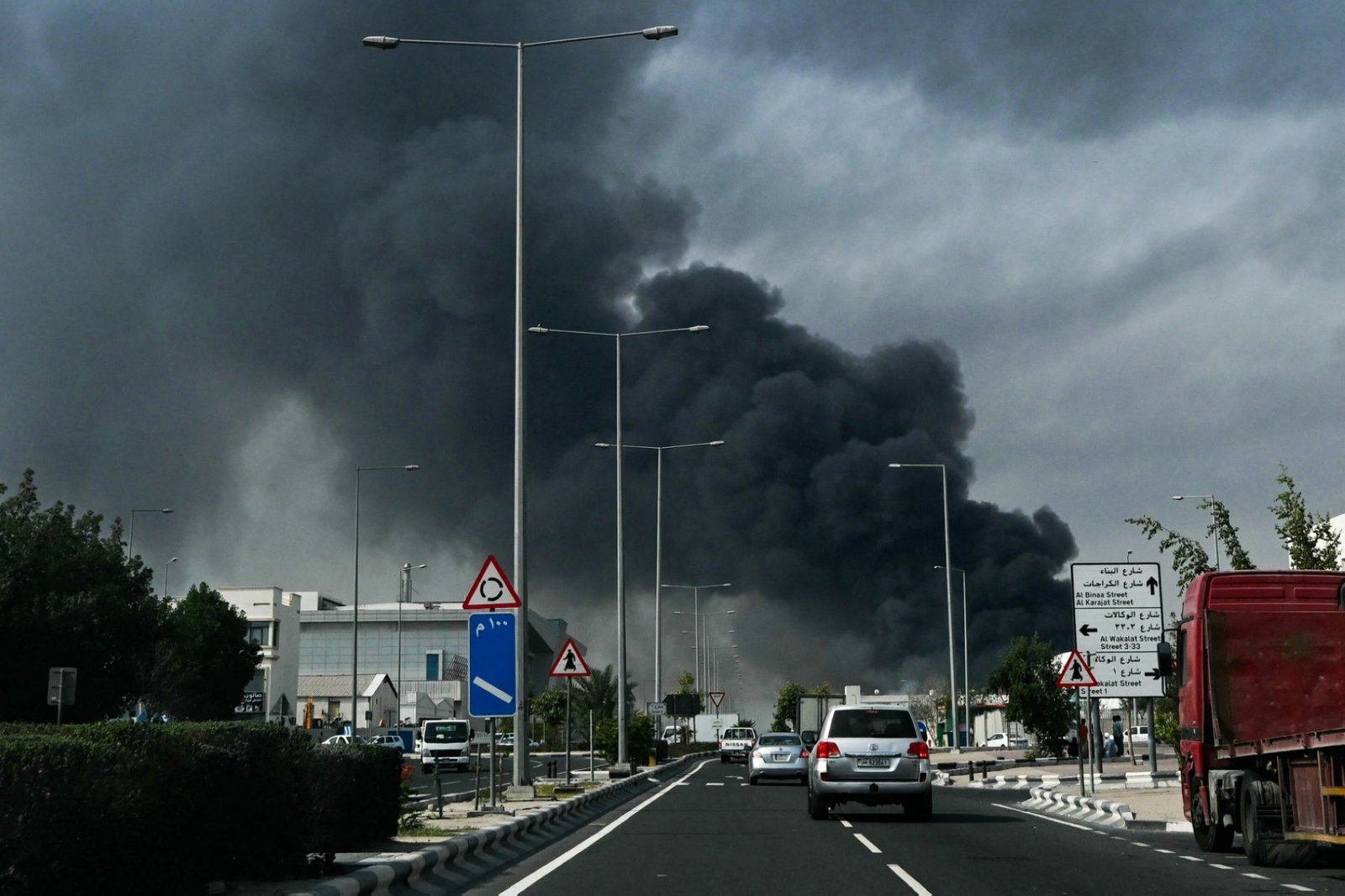
在北非,能源进口账单上升令人瞠目,但埃及和摩洛哥通过旅游和侨汇获得的外汇收入缓冲了冲击。2026年前八个月,这两项收入合计达到660亿美元,帮助它们抵御对其国际收支的压力。
摩洛哥的出口基础多元化,包括车辆、飞机零部件、磷矿以及农业和食品产品。与埃及一样,它也有蓬勃发展的旅游业。在其《世界经济展望》中,IMF预测摩洛哥2026年增速为4.5%,但预计随着进口成本对外部财政造成压力,该国经常账户赤字将扩大至占GDP的4.9%。预计通胀在2026年将保持温和,为0.9%(2025年为0.8%)。
Egypt received $46bn in foreign currency inflows in the first eight months of 2026, including $33.9bn in remittances from Egyptians working abroad and $12bn in tourism revenue. This bolstered its foreign exchange resources and eased pressure on its current account, just as disruptions to Red Sea shipping and rising energy import costs had been causing Cairo brows to furrow.
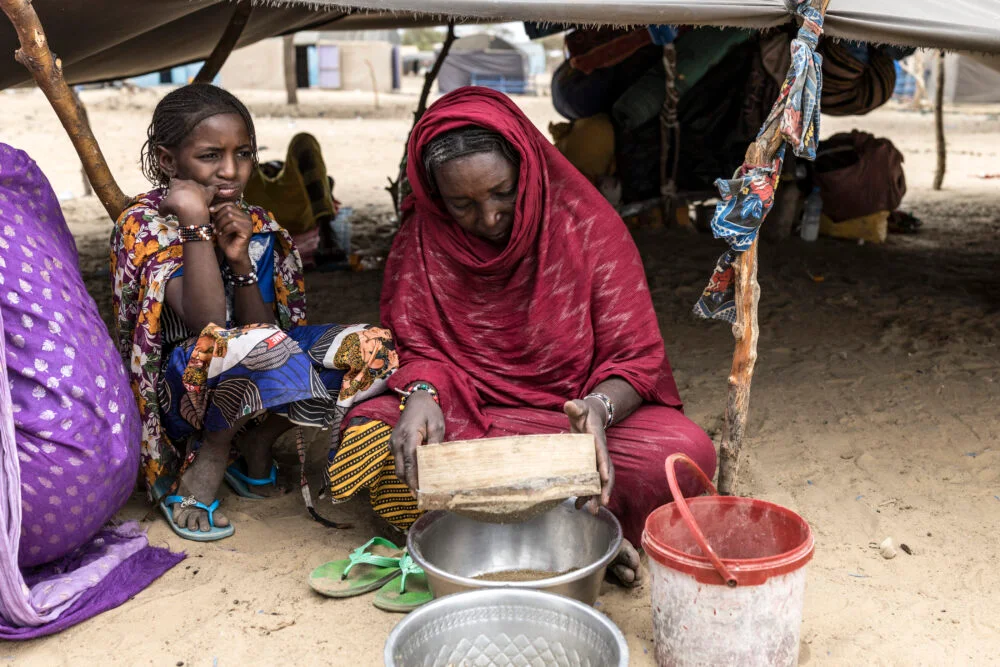
The Egyptian economy has displayed resilience as war has raged all around it, prompting the IMF to raise its growth forecast to 5.1% for 2026, followed by a moderation to 4.7% in 2027. But high public debt and large financing needs remain major challenges. Inflation is also high, although this is projected to fall to 14.8% in 2026, from 20.4% in 2025
Nearby, Tunisia’s growth is anaemic, and its debts are high. The IMF expects the economy to expand by 2.4% in 2026, up from 2.7% in 2025, before slowing to 2% in 2027. Average inflation is forecast to rise slightly to 5.5% in 2026 and 6.3% in 2027, amid continuing price pressures and strains on the current account. If the US-Iran war ends and shipping and energy production return to normal, Tunisians will be glad.
Gulf Economies Await Fragile Rebound
The IMF envisages a rebound across the region, which will vary considerably by country and depend on geopolitical stability. The GCC’s formidable financial resources (its sovereign wealth funds sit on combined assets of $5.2tn) can cushion the war’s effects. If the Strait of Hormuz reopens, the IMF forecasts 19% growth in Iraq, 18.8% in Qatar, 17.1% in Kuwait, 13.9% in Bahrain, and 7.7% in the UAE. Yet with no sign of a breakthrough, that remains a big ‘if’.