
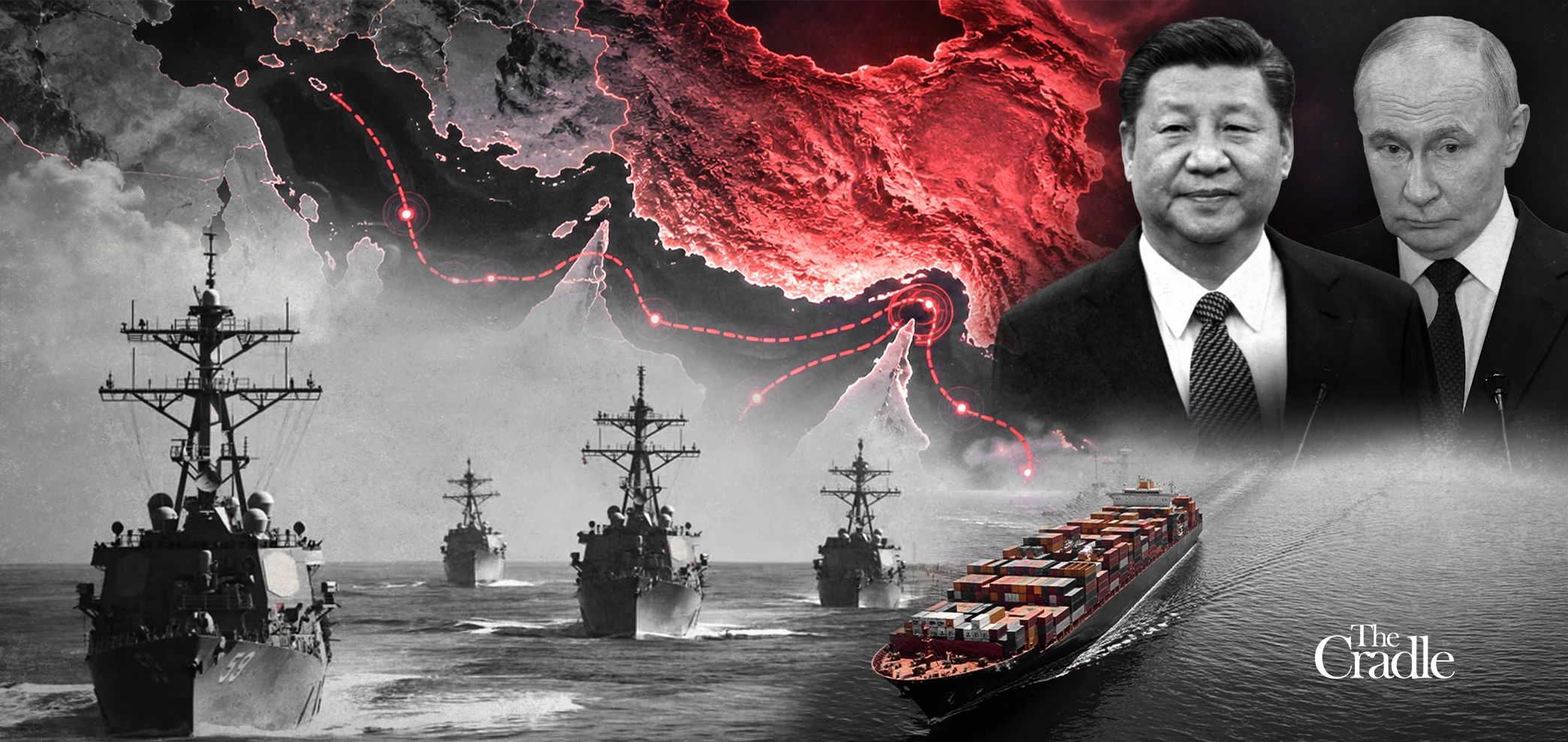
US blockade cut Iranian loadings from 2 million bpd in March to 220,000-255,000 in August. Fars proposed a Kharg convoy, Marandi urged caution, Araghchi demanded a breakthrough, while China demand, Russian pipelines and Gulf retaliation risks shape Tehran’s choice to signal without sailing.
Why Iran Tanker Convoy Tests Washington
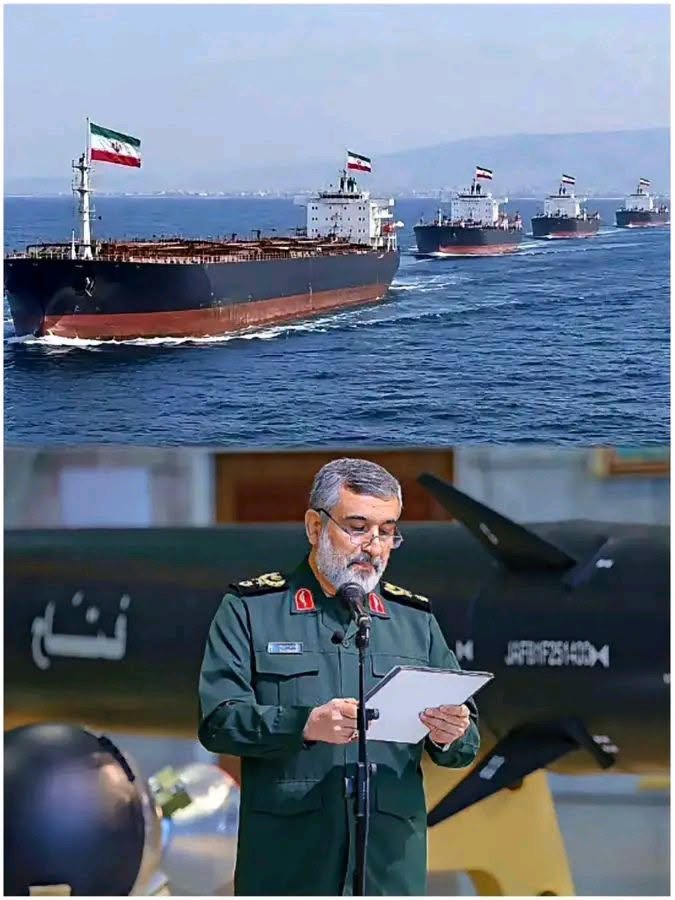
An Iranian oil convoy sailing through the US blockade would confront Washington with a difficult choice: let the tankers pass or try to stop them and risk an Iranian response. Over the past week, reports have suggested that such a move is imminent, with tankers gathering at Kharg Island, crews assigned, and Iranian flags raised.
The story began with a commentary in which Fars News Agency proposed sending a group of oil tankers through the blockade. It argued that if US forces intervened, Tehran could retaliate against regional energy infrastructure.
Fars then invoked Fereydun, the hero of Ferdowsi’s ‘Shahnameh,’ who crossed the Arvand River on horseback after being denied boats. The article urged Tehran to find a way through the blockade, while acknowledging that a convoy still required political will and an official announcement.
University of Tehran professor Mohammad Marandi said on 22 November that reports of an imminent convoy had taken a Fars proposal for an operation already in motion. Iran has oil-laden tankers in the Persian Gulf and could send them through the blockade, he said, but their presence does not establish that such an operation has begun.
Satellite images show tankers at Kharg Island, but they cannot reveal the ships’ orders or establish that a convoy is preparing to sail. Kharg is Iran’s principal oil export terminal, so the presence of tankers there has particular significance amid the collapse in exports. It remains unclear whether Tehran intends to send them out together.
Why Tehran is pressing the issue
The US blockade has inflicted measurable damage on Iran’s oil trade. Figures published in September put Iranian crude and condensate loadings at 220,000–255,000 barrels per day (bpd) in August, down from about 2 million in March.
Loadings do not necessarily mean the oil reached buyers. Crude can remain aboard tankers while their owners search for a way to deliver it. The blockade has left Iran with oil to sell but fewer ways to get fresh cargoes to its principal customer, China.
Washington has also tightened enforcement against ship-to-ship transfers, while applying US pressure on its land and air links. Under the latest US military warning, a ship receiving cargo from a vessel loaded at an Iranian port could itself be stopped, boarded, diverted, or seized. Washington is seeking to close a route through which Iranian oil could move without the original tanker reaching its buyer.
The blockade does not cover every stretch of Iran’s coastline, and some trade continues by other means. But land routes cannot carry crude at the scale of maritime exports. Tehran’s problem is therefore larger than getting a single vessel through: it needs a route that can sustain oil sales.
Oil and gas industry analyst Alireza Mirzaei tells The Cradle that the loss of export revenue and growing economic pressure at home made a response increasingly likely: “Iran will not accept this economic strangulation or allow the country to be pushed towards economic collapse.”
On 20 November, Foreign Minister Abbas Araghchi told reporters: “We are making every possible effort regarding oil exports and negotiations. The naval blockade must be broken.” He was asked about the reported preparations, but did not announce a convoy.
The tanker proposal therefore lands in a debate that was already underway. Former foreign minister and MP Manouchehr Mottaki told Euronews that the situation was unsustainable and identified the US blockade as the immediate obstacle to moving beyond it.
Supreme National Security Council Secretary Mohsen Rezaei had outlined a September proposal for an Iranian exclusion zone extending from the US blockade line through Hormuz into the Persian Gulf. In a 4 November message, Iran’s Supreme Leader Mojtaba Khamenei argued for strengthening Iran rather than yielding to US pressure. Neither statement sets out a tanker plan, but both place the blockade within Tehran’s wider confrontation with Washington.
A signal with several possible audiences
By putting a convoy into public discussion, Fars has forced Washington, Gulf governments, shipping firms, and buyers to consider what an interception could set off. The prospect may also push mediators to find a way for Iranian oil to move before the dispute reaches the water.
Marandi suggested the idea could later become an operation. For now, the threat itself gives Tehran a means of applying pressure.
An actual convoy would test the blockade in public. If US forces allowed the tankers to pass, Tehran could claim it had reopened a route for its oil. If they intervened, Washington would have to weigh that decision against Iran’s threats to retaliate across the Gulf. Getting one convoy through would still leave the larger task of restoring regular exports.
Tehran-based geopolitical analyst and The Cradle contributor Peiman Salehi says that Iran must weigh the cost of a direct challenge against the economic damage of leaving the blockade in place. “The cost of breaking the blockade is lower than the cost of economic collapse,” he argues.
But an attempt to intercept loaded tankers could set off a wider confrontation. Iran’s Islamic Revolutionary Guard Corps (IRGC) spokesman Hossein Mohebi has warned that Iran would respond more forcefully if its vessels were struck.
Fars specifically raised the prospect of attacks on Gulf energy infrastructure if US forces stopped the ships. A warning meant to deter an interception could become the basis for a broader exchange if one takes place.
Could Iran Tanker Convoy Secure Chinese Support
China has the most direct commercial interest in a return of Iranian oil shipments. Reuters estimated that it imported around 1.4 million bpd of Iranian oil in 2025, much of it bought by independent refiners. The blockade has interrupted fresh shipments from Iran, leaving buyers to draw on oil already stored beyond the Persian Gulf.
Iran–China freight trade has expanded by land, though rail cannot move crude at the scale of maritime exports. Russia, meanwhile, has discussed gas pipelines with Iran: at a meeting with Putin on 5 November, Rezaei said the two sides had agreed to develop those links and allow for onward sales. Those projects may deepen cooperation, but they offer no immediate answer to the loss of tanker exports.
Iranian political analyst Mahdi Khanalizadeh wrote that cooperation with Beijing and Moscow formed part of the context for challenging Washington. Salehi also suggests China may have sent Tehran an encouraging signal after the Shenzhen summit.
The second paragraph of the Shenzhen Declaration, which was signed by China, Russia, and the US, with Iran absent, states: “The three countries plan to increase the production and supply of refined petroleum products for the benefit of all nations. They reaffirmed the importance of stable energy flows.”
The declaration refers to refined products and stable energy flows, but says nothing about Iranian crude or the US blockade.
China needs Iranian oil, and the Shenzhen Declaration’s call for stable energy flows gives Tehran an opening to press Beijing over the blockade.
The next move
No Iranian official has announced a tanker convoy, and no departure has been confirmed. A future attempt remains possible, as do efforts to move oil through transfers and other routes. Iranian leaders have repeatedly said the blockade cannot continue indefinitely; Ebrahim Azizi wrote on X that “Iran cannot be blockaded.”
For now, the tankers remain at Kharg. The Fars proposal has made a challenge at sea part of the public debate, while the blockade continues to cut into Iran’s oil revenue. Tehran could send a convoy, pursue another route for its crude, or use the prospect of a sailing to press for movement in negotiations.